 NL
NL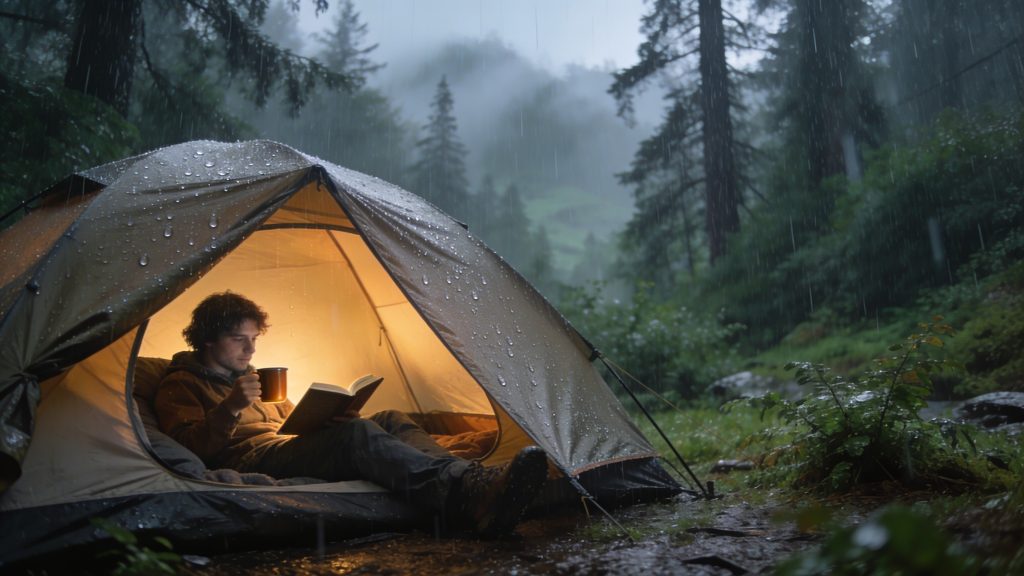
Camping in the rain calls for the right preparation and techniques to stay dry and comfortable. With waterproof gear, smart tarp set-ups and well-thought-out dry cooking methods, you can survive Dutch weather without your holiday being washed out. Rain is a problem when camping. With the right approach, it becomes part of your nature experience.
Rain doesn’t have to spoil your camping holiday. Set up your camp properly. Use the right materials. Stay dry. Then wet weather becomes a manageable situation. Camping in the Netherlands simply means taking rain showers into account, but with the right approach you stay warm and dry.
Preparation prevents disappointment
Check your gear before you leave. Your tent must be in good condition without small tears or loose seams. A tent with an attached bathtub groundsheet provides better protection against rain than a tent with a loose groundsheet. Also check whether your sleeping bag is well protected from moisture and your outdoor clothing shows no damage.
The basics of staying dry consist of three elements:
- A waterproof jacket and trousers with taped seams
- Wellies or waterproof shoes
- Dry bags or waterproof bags for clothing and electronics
In Dutch weather you always keep these items close to hand. The weather can change quickly and a sunny morning does not automatically mean a dry afternoon.
The right location determines your success
The spot where you pitch your tent makes a big difference. It determines whether you stay dry. Avoid the lowest parts of the campsite. Rainwater always flows to the lowest point. So look for a slightly raised place where water can easily drain away.
Pay attention to the following when choosing your spot:
- Keep your distance from rivers and streams that can rise significantly in heavy rain
- Avoid hollows or channels where puddles of water can remain
- Check whether the ground drains well and allows water to soak away easily
- Do not pitch your tent directly under trees where large drops fall from the branches
Setting up groundsheet and shelter
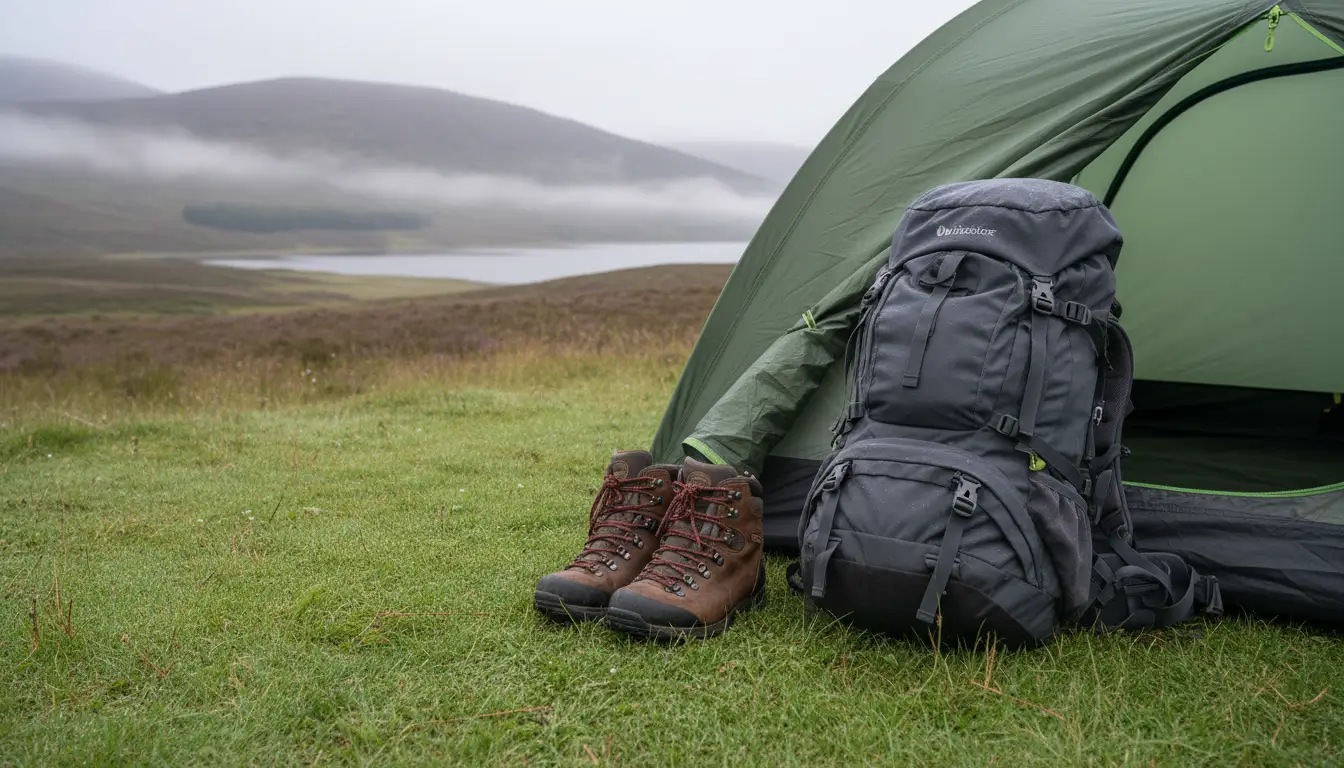
The groundsheet forms your first water barrier. Make sure the groundsheet lies completely under the tent and does not stick out anywhere. If parts stick out, water can run over the sheet against the tent or into it. A tent with an upstanding edge offers extra protection. This helps against water flowing over the ground.
You can place a separate protective sheet under the groundsheet for extra protection and to keep your sheet clean. Make sure that the sheet is smaller than the groundsheet and does not protrude. Otherwise rainwater can run between the sheet and the groundsheet without being able to drain away.
Tarp set-ups for dry space
A tarp (a separate, waterproof sheet above your tent pitch) gives you extra dry space outside your tent. This is valuable for cooking, sitting and storing kit you don’t want inside the tent. There are several ways to pitch a tarp for optimal protection.
The A-frame set-up (a tarp in tent shape with a high ridge in the middle) works well in heavy rain. You tension the tarp between two high points with a tight ridge in the middle. The sides hang down at an angle so that water runs off easily. This set-up provides protection from above and partly from the sides.
When the wind is changeable it is better to opt for an angled set-up. One side of the tarp is high and the other low. You position the low side facing into the wind. Water flows effortlessly off the sloping surface and you have an open side for access.
For cooking, a C-fly (a curved tarp set-up) works well. You tension the tarp in an arc between several points so that you get a kind of canopy. The curved shape prevents water from collecting and pooling.
‘ Loose sheets allow water to collect, which can lead to damage or tears. ’
Keeping water out of your tent
Good drainage around your tent keeps the ground dry. Ask the campsite owner whether it is allowed. If so, dig shallow gullies around your tent to channel water away. This is not permitted on all campsites. In that case, use a tent peg to make small holes in the ground. This helps the water to drain away.
Tension your awning and canopy tightly. Loose fabrics allow water to collect, which can lead to damage or tears. Set one corner slightly lower than the others so that water can run off the fabric easily. Ridge poles (extra arch poles above the fabric) between the main poles prevent puddles forming on the fabric.
Place wellies at the entrance to your tent, inside the outer flysheet. That way you can quickly step out of the tent to visit the toilet block without getting your feet wet. Keep wet items outside the tent as much as possible and use the awning as an in-between space where you can hang raincoats and boots to dry.
Ventilation prevents moisture build-up inside
Moisture in your tent does not only come from outside. Your breath and body heat create condensation on the inside of the tent fabric. Good ventilation is therefore just as important as waterproofing.
Open windows and vents so that air can circulate. This seems counterintuitive when it rains but prevents moisture from building up. Modern tents have ventilation panels that you can open without letting rain in.
Cotton tent fabric can “mist” slightly in very heavy showers. A fine spray then comes through the fabric. This is normal and not a defect but part of how natural material behaves. Synthetic materials offer better waterproofing but are more prone to condensation on the inside.
Dry cooking in wet conditions
Cooking in the rain requires good preparation. Never cook inside your tent because this is dangerous due to carbon monoxide and fire risk. Use your tarp as a cooking area or cook in the awning with good ventilation.
Use a camping stove with a wind shield. This works better in wet weather than an open fire. The wind and rain have less effect on the burner. Place your stove on a stable surface that cannot slip away in mud or wet grass.
Keep fuel and matches in waterproof containers. Dry bags also protect your food supplies from moisture. Wet matches are useless, so store spare lighters in different places in your kit.
‘ A wet sleeping bag dries slowly and loses its insulating properties. ’
Waterproof gear that makes the difference
Investing in good waterproof gear pays off. A tent with taped seams and a hydrostatic head (the waterproof rating of the fabric, in millimetres) of at least 3000 millimetres can cope with Dutch rain showers. Also check your groundsheet. Its waterproof rating should be at least 5000 millimetres. This is necessary because of the pressure from below.
Your sleeping bag needs protection. Use a bivvy bag or pack it in a dry bag. A wet sleeping bag dries slowly and loses its insulating properties. A spare sleeping bag or extra blankets can be useful on longer camping trips.
Choose the right pegs for the ground. Standard pegs work on grass and heathland, but on sandy soil you need extra-long pegs. On hard ground with stones, use nail pegs that grip better. Well-anchored pegs prevent your tent from shifting in wind and rain.

Positive mindset in wet weather
Your mindset largely determines how you experience rain. A bit of rain doesn’t make camping any less enjoyable if you are well prepared. Many campers find that rain on the campsite feels less harsh than expected and even creates a calming atmosphere.
Plan activities that are fun even when it rains. A card game under the tarp or exploring nearby sheltered spots keeps the day interesting. Make sure you have plenty of dry spare clothes and hot drinks that you can prepare under your canopy.
On the Traveler Tips website you’ll find more information about camping equipment, camping techniques and other nature holidays. Discover tips for different types of trip and plan your next journey with reliable, practical information.
Frequently asked questions
Essential kit includes a properly waterproof (breathable) rain jacket and trousers, waterproof boots and a tent with a robust, fully attached groundsheet. For your base layer, wear moisture-wicking underwear (no cotton), on top of that an insulating layer such as fleece or wool, and as the outer layer a waterproof and windproof shell. This way sweat is drawn away from your skin while the outer layer keeps the rain out.
Choose a spot that is slightly raised, away from the lowest areas and away from ditches, puddles and other waterways so that rainwater can naturally run off. Make sure the groundsheet stays fully underneath the tent and does not stick out anywhere, to prevent water being channelled inside. Tension awning and canopy tightly and keep one corner slightly lower so that water can run off without forming puddles. If it’s allowed, make small drainage channels around your pitch and keep the entrance dry and tidy for a cosy, mud-free base.
Organise creative activities in or near the tent, such as cooking together with camping ingredients, making a photo diary or travel journal, or setting up a craft and drawing corner using found natural objects as inspiration. Turn rain into an adventure by going on a “rain expedition” in good waterproofs: splashing in puddles, noticing sounds and smells, and then drinking hot chocolate afterwards. Look for weatherproof outings nearby, such as a local museum, an indoor swimming pool, a local market, or a tour of a farm or traditional workshop. End the day with a games or film night in the awning with candlelight or fairy lights, so that the rain actually adds to a snug, memorable atmosphere.
Hang wet items out as soon as possible in a well-ventilated, dry place (preferably outside or under a canopy) so that air can flow freely all around; never stuff them away damp in bags or boxes. Rinse off mud and sand with lukewarm water, let tent, groundsheet, sleeping bag and shoes dry completely before you store them, and avoid direct contact with strong heat sources. At home, store your gear loosely and dry: tent and tarps folded generously in a breathable bag, sleeping bag not compressed, shoes with insoles removed. After every trip, check seams, zips and for small tears, and treat tent fabric and leather regularly with suitable proofing or care products to prevent wear and mould growth.
Simple one-pot meals such as pasta with sauce, one-pan rice dishes or stews are ideal to cook in the tent awning on a camping stove, so you have little washing up and it becomes pleasantly warm. Outside under a canopy you can prepare easy barbecue dishes, sausages or skewers on a skottel braai or small grill. Heating soup or making pancakes also works well in the rain: quick to make and great comfort food. By staying together around the fire or stove while cooking, you keep the cosy camping atmosphere, even when it’s raining outside.