 NL
NL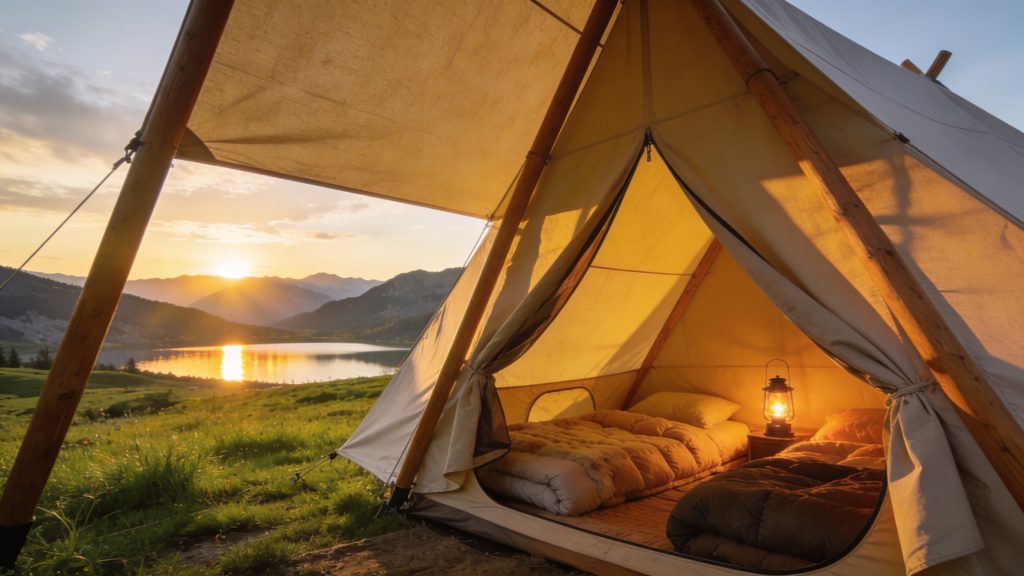
Safari tents and traditional camping both give you access to natural surroundings, but they differ greatly in preparation, comfort and overall experience. Whether you go for a fully furnished tent with a real bed, or the authenticity of your own camping gear, mainly depends on how much comfort you want to combine with being out in nature. Both options have their own charm and practical pros and cons.
What is glamping in nature?
Glamping combines glamour with camping. It offers luxury accommodation in the middle of natural surroundings where you can check in straight away without having to pitch anything yourself. You are not pulling a tent out of your boot. You walk into a fully furnished space with beds, furniture and often even a complete kitchen.
The term glamping covers several types of accommodation. Think of safari tents, villa tents, tree houses or even transparent dome tents. These options offer more facilities than classic camping, while you are still surrounded by nature. You sleep on a mattress instead of an air bed, often have a private bathroom and can use a fully equipped kitchen.
This is an interesting middle ground for travellers who like to plan their holiday independently. You enjoy nature without depending on shared sanitary blocks or minimal cooking facilities. Preparation is limited because you do not need to bring your own camping gear. You plan your route, book the accommodation and your holiday starts the moment you arrive.
‘ You especially notice the difference on multi-day trips in how rested you feel when you wake up in the morning. ’
Comparing sleeping comfort and accommodation
The difference in sleeping comfort between the two types of camping is considerable. With traditional tent camping you sleep on a mat, air bed or camp bed that you bring yourself and inflate. For some people this is part of the charm, but it offers less physical comfort than your bed at home.
Glamping accommodation comes with proper beds and mattresses as standard. When you arrive, the beds are already made. This does not only save time, it also helps you sleep better. You especially notice the difference on multi-day trips in how rested you feel when you wake up in the morning.
The size of the space also differs. A standard tent offers limited room for you and your belongings. Safari tents are often divided into several rooms with separate sleeping areas and a living space. This provides more privacy if you are travelling with several people.
Sanitary facilities and practical amenities
One of the most practical differences lies in the sanitary facilities. With traditional camping you use the shared toilet blocks on site. That means going outside for every toilet visit, even at night or in bad weather. Not all campervans or caravans have their own toilet or shower.
Many glamping accommodations have a private bathroom with shower and toilet. This is more convenient and more hygienic, especially in high season when shared facilities can get busy. You have your own space that you do not have to share with other guests on the campsite.
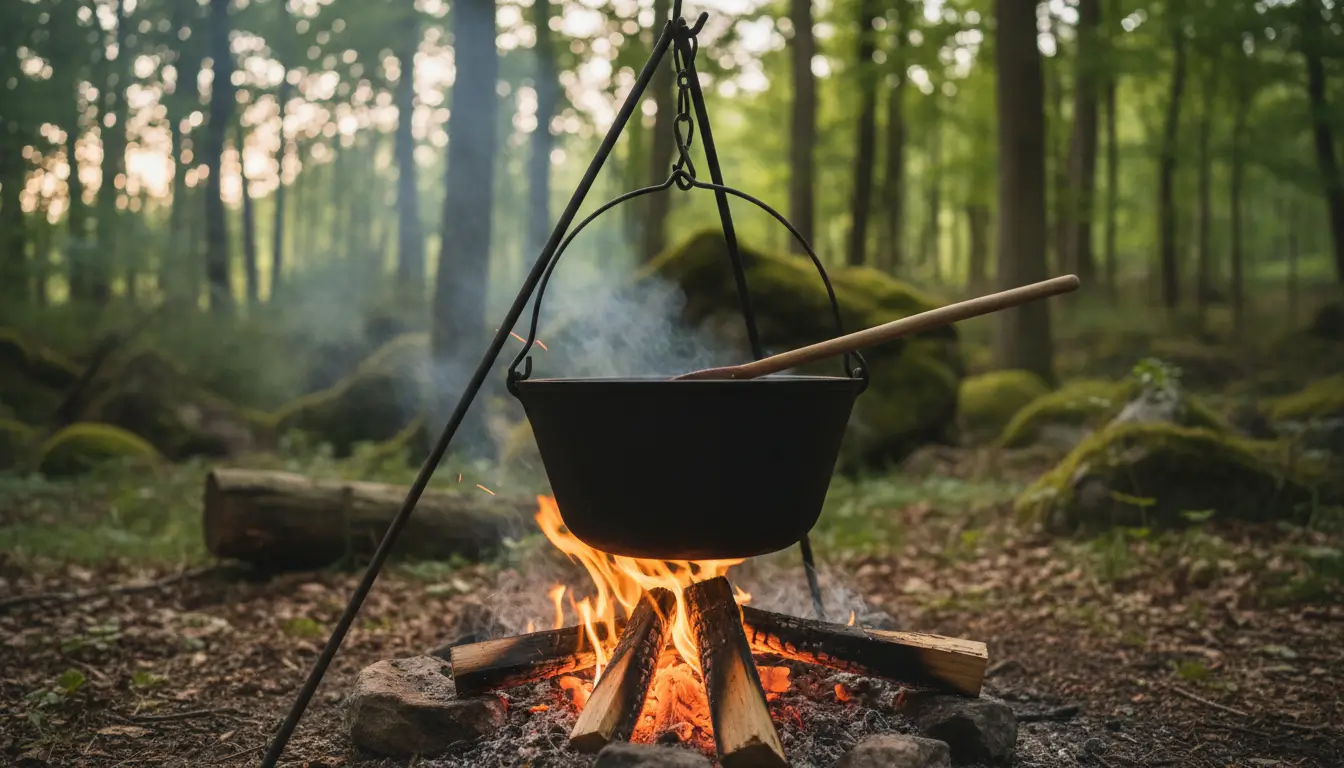
The same contrast appears when it comes to cooking. Traditional camping usually means cooking on a small camping stove or open fire. This is simple and minimalist, but it does limit what you can prepare. Glamping kitchens are fully equipped with hob, fridge and kitchen utensils. Some locations also have a restaurant, so you can decide when you want to cook for yourself and when you do not.
Preparation and equipment needed
Traditional camping takes more planning. You need specific equipment that you have to buy or hire. Think of a tent, sleeping bags, sleeping mats, cooking gear and lighting. You also have to transport all this, which takes up space in the car. On arrival you set everything up yourself and when you leave you pack it all away again.
For glamping you only take your personal luggage. Everything is ready for you when you arrive. This saves time at both the start and the end of your trip. You can start enjoying your holiday straight away instead of spending an hour putting up the tent. This time saving is valuable, especially if you are planning a short weekend away or travelling with young children.
The difference in preparation also means a lower barrier for people who would like to try camping but have no experience. You do not need to know how to pitch a tent or which gear to buy. This makes nature holidays accessible to a wider group of travellers.
‘ Glamping does not require any upfront investment in equipment. ’
Costs and budget
Financially there is a clear difference between the two options. A standard camping pitch for your own tent costs on average 20 to 40 euros per night. This makes traditional camping a budget-friendly choice, especially for longer trips.
Glamping is more expensive. Depending on the location, season and facilities, you pay between 70 and 200 euros per night. This is comparable to a hotel room, but in the middle of nature with more space and privacy.
When comparing costs, you should also factor in the purchase price of camping gear. A good tent, sleeping bags and other equipment require an initial investment. Do you not camp often? Then you may never really recoup those costs. Glamping does not require any upfront investment in equipment.
The experience of nature and atmosphere
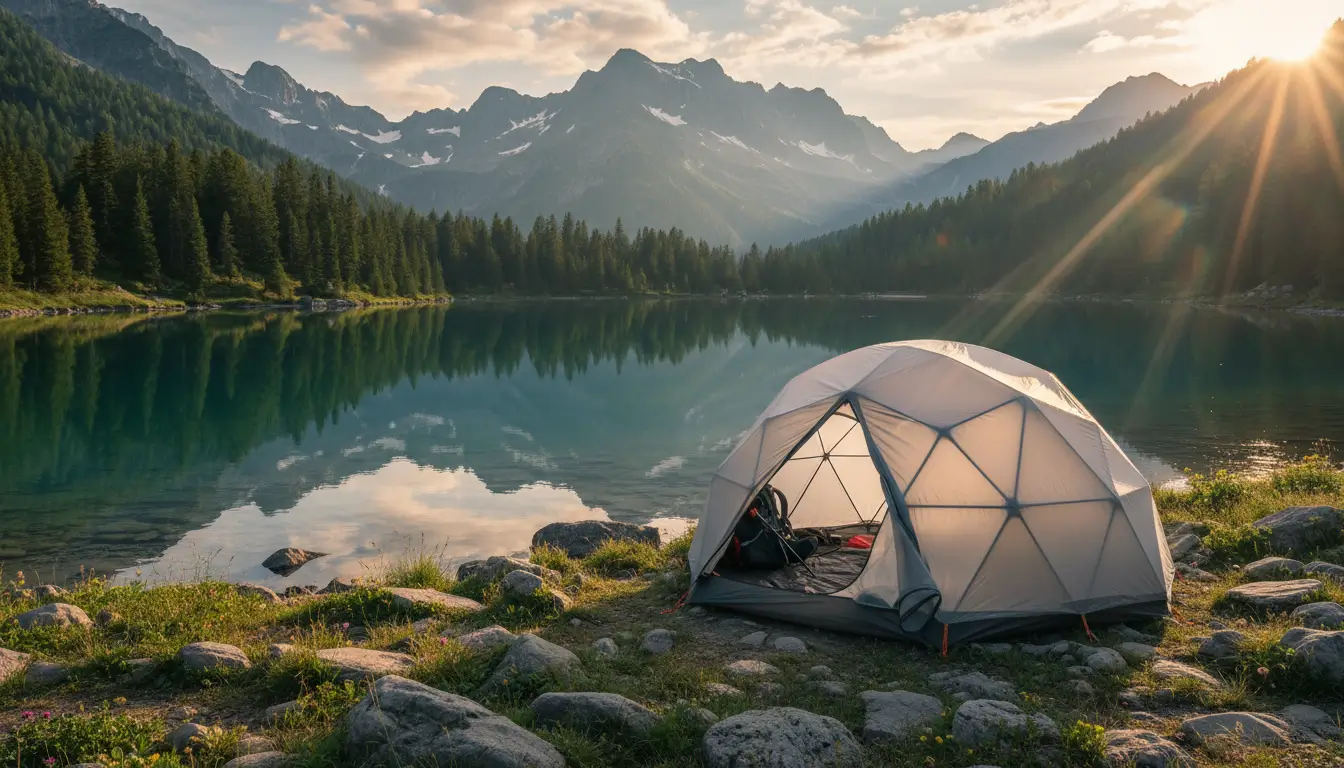
Traditional camping brings you closer to nature. You hear the sounds around you, feel changes in temperature and experience the elements more directly. For many campers it is precisely this lack of luxury that defines the experience. The minimalism brings a sense of calm and helps you detach from everyday comforts.
Glamping offers a nature experience with more comfort. You are surrounded by nature, but have the amenities of home within easy reach. This makes it easier to spend longer periods outside without sacrificing sleep quality or hygiene. In winter you can use heaters, in summer there is often ventilation or air conditioning.
Both options give access to the same natural surroundings and shared facilities on site. Swimming pools, walking routes and recreation areas are available to everyone, regardless of the type of accommodation you choose.
Choosing glamping or tent camping?
The choice depends on what you prioritise during your holiday. Traditional camping suits travellers who seek authenticity and want an intense outdoor experience. It requires more preparation and acceptance of less comfort, but offers a direct connection with nature and is more budget friendly.
Choose traditional camping if you:
- Have a limited budget and are planning longer trips
- Value simplicity and minimalism
- Like to shape your own camping experience and want control over your gear
- Have camping experience and do not mind the preparation involved
Glamping is suitable for travellers who want to combine comfort and convenience with being in nature. You pay more, but in return you get a complete accommodation without any worries about preparation or equipment.
Choose glamping if you:
- Find comfort more important than paying the absolute lowest price
- Do not have the time or inclination for extensive preparation
- Want to enjoy nature but do not want to compromise on sleep quality or sanitary facilities
- Are travelling with young children or less mobile travellers who benefit from more facilities
Both forms have their place in conscious travel. Some travellers switch between them depending on the situation. A weekend away might mean glamping. A multi-week summer road trip then becomes a traditional camping holiday. You can also vary within one trip to combine both experiences.
‘ Glamping locations have grown hugely in popularity in recent years. ’
Where can you find both options?
Traditional campsites with pitches for your own tent can be found in almost all nature areas in Europe. Many national parks have campsites with basic facilities. When planning, you check the available amenities, the size of tent allowed and whether you need to book in advance during high season.
Glamping locations have grown hugely in popularity in recent years. They are often located on the same sites as classic campsites, but with separate areas for the fixed accommodation. There are also specialist glamping parks that focus entirely on luxury camping. When searching, you can filter by the facilities you want, such as a private bathroom, kitchen or heating.
For both options, booking early is advisable, especially in popular nature areas during school holidays and weekends. Places in national parks or by the water are fully booked quickly.
Discover more on Traveller Tips
Both options fit within conscious and independent travel. On the Traveller Tips website you will find a lot more information about nature holidays, campsites, essential gear and routes across Europe. Discover practical tips on preparation, destinations and everything you need for a well-planned trip that matches the way you like to travel.
Frequently asked questions
I am willing to invest an average level of comfort and preparation time: I want to sleep well, stay dry and cook easily, but I do not need full-on luxury. So I make sure I have decent kit (good tent or camping set-up, comfortable mattress, warm sleeping bag and basic cooking equipment) and spend time planning food, clothing and weather back-ups in advance. On the other hand, I do not want to spend days packing and setting up: everything should be possible to put up and take down within half a day. I prefer just a bit more comfort than strictly necessary, so I can really relax instead of just ‘getting by’.
If you mainly want simplicity, nature and an authentic camping experience and you do not mind sharing sanitary facilities, then a budget of roughly €20–€40 per night suits traditional camping. If you want more comfort such as a real bed, private bathroom and less preparation, then you are looking for a glamping experience with a budget of about €70–€200 per night. If you are looking for a balance, choose, for example, a simple glamping tent or safari tent with basic luxuries in the lower part of that glamping price range.
If you are travelling by car or on a road trip, you can more easily take a lot of camping gear with you and ‘real camping’ is perfectly manageable from a logistics point of view. If you are travelling by train, traditional camping equipment quickly becomes too heavy and cumbersome, and glamping is often a better fit because everything is already set up for you. With glamping you need to take far less luggage (tent, beds, cooking gear), which is ideal for train travellers or lightly packed road trips. If you want maximum freedom with the car and have the space, you can deliberately opt for traditional camping with your own set-up.
How important this is depends strongly on your travel style: if you are looking for adventure and freedom, you will value the flexibility to move on spontaneously more highly. A fixed, comfortable base at a pre-planned location instead offers more peace of mind, certainty and convenience. For some travellers a combination works best: a comfortable base with the freedom to make spontaneous trips from there. In the end, what matters most is how much value you place on comfort versus adventure.
If you like convenience, comfort and pre-arranged luxury, you are probably looking for unique, curated experiences with extra services. If, on the contrary, you enjoy pitching your own camp, cooking simply and being close to nature without any fuss, then the simplicity and self-sufficiency of traditional camping suit you better. Ask yourself whether you gain energy from sorting things out and tinkering with kit, or from being taken care of. Choose the option that best matches how you want to relax and spend your time.