 NL
NL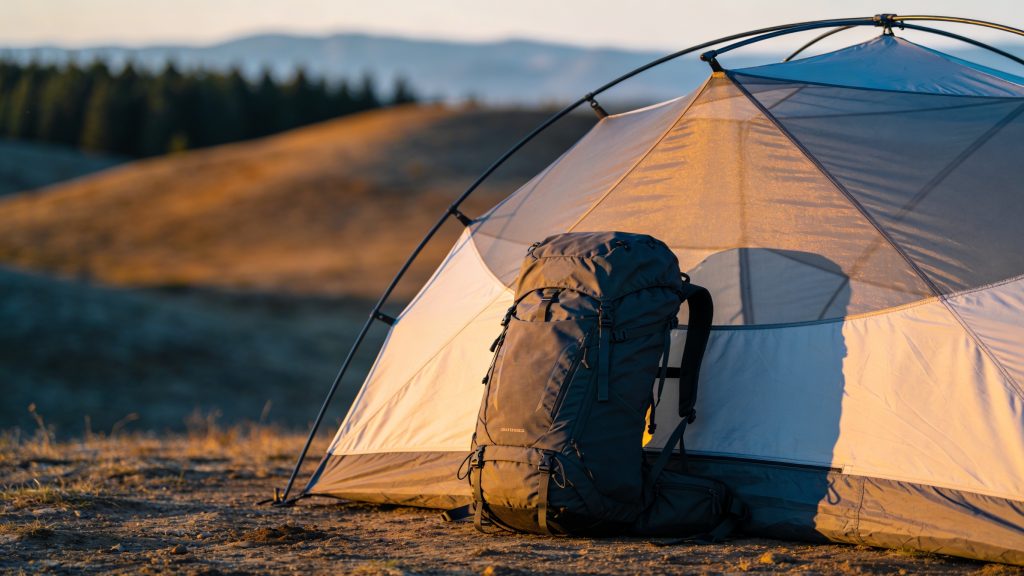
Minimalist camping is all about taking only the things you really need: lightweight, multifunctional and limited to the bare essentials. This approach gives you more freedom, less strain from heavy luggage and a deeper connection with nature. A well thought-out packing list makes the difference between lugging around unnecessary items and enjoying simplicity. With an ultralight packing list (an English term for a list with only the lightest essentials) you keep everything clear and manageable. In this article you’ll discover how to pack efficiently for camping with minimal gear, which techniques work and which items are indispensable.
Why choose minimalist camping?
Taking less literally means carrying less weight. A light rucksack gives you more flexibility on treks. It’s easier to change trains. You pitch your camp more quickly. A compactly organised tent gives overview and prevents chaos in your belongings. In addition, this approach saves costs and reduces waste during your trip.
Minimalist camping is also environmentally friendly. Make conscious choices for sustainable materials such as bamboo crockery or second-hand kit. That way you reduce your impact on nature. Many campers experience more peace with fewer things. The sun as your alarm clock, a stream as a fridge and the stars as evening entertainment: it’s all possible without unnecessary luggage.
‘ You only choose items with multiple functions. ’
What do you take for ultralight camping?
The basis of minimalist camping lies in a carefully considered packing list. You only choose items with multiple functions. You choose items that are really necessary for your comfort and safety. Below you’ll find the most important categories with concrete examples.
Shelter and protection
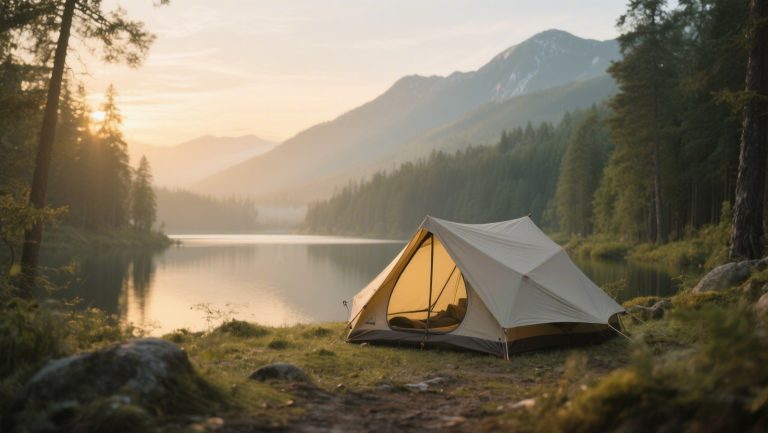
A lightweight tent is the starting point for most campers. Choose a compact model, such as a tunnel tent with good wind stability. Consider a tarp or hammock. Do you want to travel even lighter? Then a tarp or hammock is ideal. Always check the zips and tent pegs before you leave. A second-hand tent can be a sustainable option and saves money.
For colder nights you can add a compact stove pipe if needed. In warm weather a hammock with mosquito net is sufficient. Your destination and the weather conditions determine your choice.
Sleep comfort
A good sleeping mat and sleeping bag determine how well you sleep. Choose a self-inflating mat or compact air bed with a small packed size and that dries quickly. Experienced campers recommend investing in a quality mat. It weighs a little more. The difference in sleep comfort is huge.
For the sleeping bag choose a mummy model that fits closely to your body and retains warmth. Take warm socks to wear in your sleeping bag against the cold. A down jacket does double duty as extra insulation or as a pillow.
Cooking and eating
A small gas stove, a titanium pan and a spork form the basis of your cooking kit. This combination weighs little. You have enough options for simple one-pot meals. Add a water filter if you want to use natural water sources.
Do your food shopping shortly before you’re going to eat. This way you avoid having to take a cool box. Multifunctional items such as a compact gas barbecue are useful if you want to cook in a more varied way. They are not a must for ultralight camping.
Hygiene and other essentials
Limit yourself to the minimum: a head torch, microfibre cloth, toothbrush, sun cream and a solar power bank. Where possible, choose reusable versions. Take items out of their packaging straight away. This saves space. A cable tie on the tent zip serves as extra security or as a handy hook.
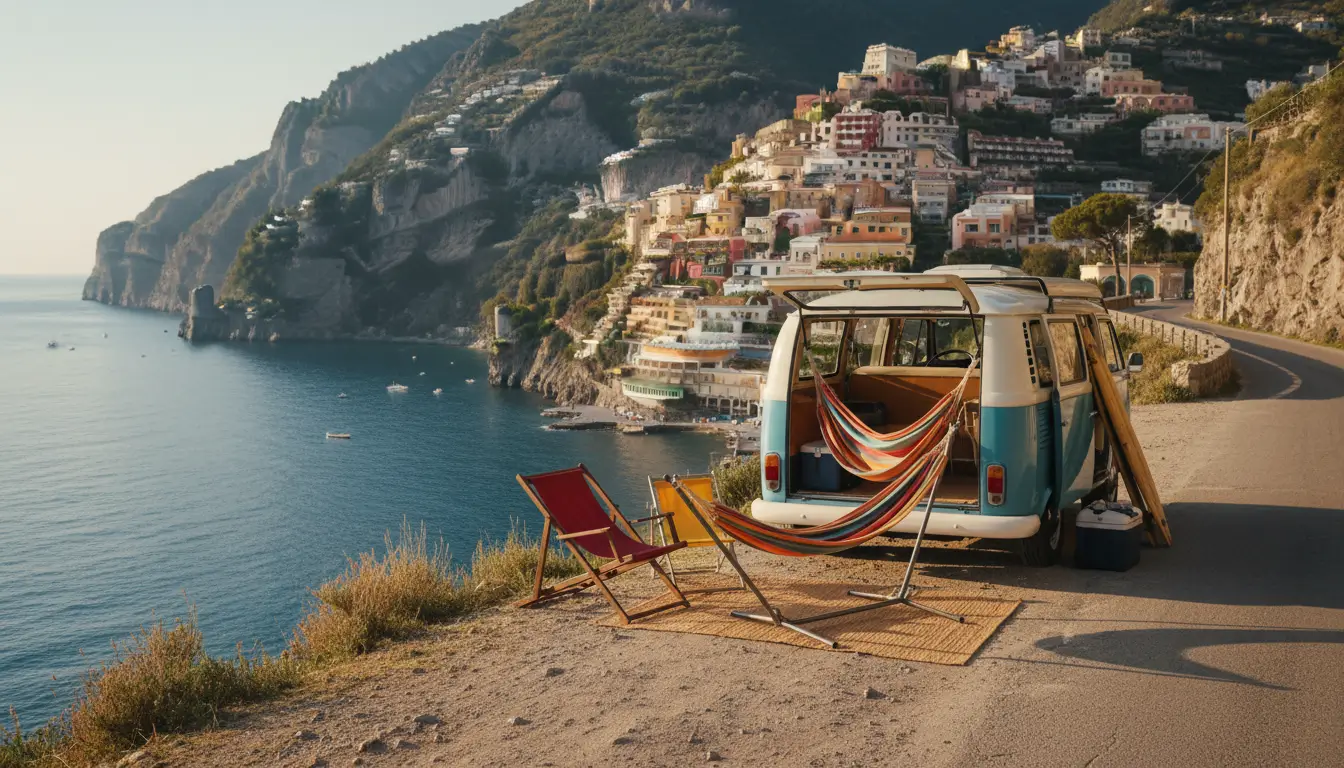
How do you pack efficiently when “chasing grams”?
“Chasing grams” means you weigh every part of your gear. You look at it critically. Every gram counts with ultralight camping. Replace heavy items with lighter alternatives under one kilogram. Think of a folding chair or a compact mat.
Think multifunctionally. A cloth serves as a washbasin, towel or extra insulation. Your sleeping bag works as a pillow when you fold it up. Limit clothing to quick-drying essentials. You wash and dry them on the way. This saves a stack of spare clothes.
For those camping with children: take one favourite toy per child and focus on nature-based activities for fun without extra weight. You keep the luggage light. The children stay entertained.
Techniques for minimalist wild camping
When wild camping with minimal gear you apply techniques that make you less dependent on lots of equipment. Choose a suitable spot with natural shelter such as trees or rocks. You then have less need for a heavy tent. A tarp with good guyline technique gives enough protection from rain and wind.
Primitive camping goes a step further with survival techniques. You build a shelter from natural materials and use a fire for heating and cooking. This approach requires more knowledge and experience. It also gives greater satisfaction and connection with your surroundings.
Experienced minimalists camp for weeks with a rucksack of under six kilograms. They combine a tarp, a down jacket and a compact sleep system. This approach requires discipline when selecting items. It gives maximum freedom of movement.
‘ This keeps refining your packing list further and further. ’
Practical tips from experienced campers
Check the weather and local conditions in advance via apps. Double-walled tents work better on cold nights. Hammocks are ideal in warm temperatures. Use weed-control fabric as a groundsheet to protect your tent from sharp stones or damp. It weighs little and is more durable than plastic.
For beginners: start with a pop-up tent for short treks and test your kit first in the garden or at a nearby campsite. You discover which items you actually use. You discover which items are unnecessary. Experienced campers recommend writing down after each trip which items you used. This keeps refining your packing list further and further.
Pay attention to details. They save weight. Remove packaging at home and repack items in lighter bags. Choose products with multiple uses. A scarf also serves as a towel. A pan also serves as a bowl.
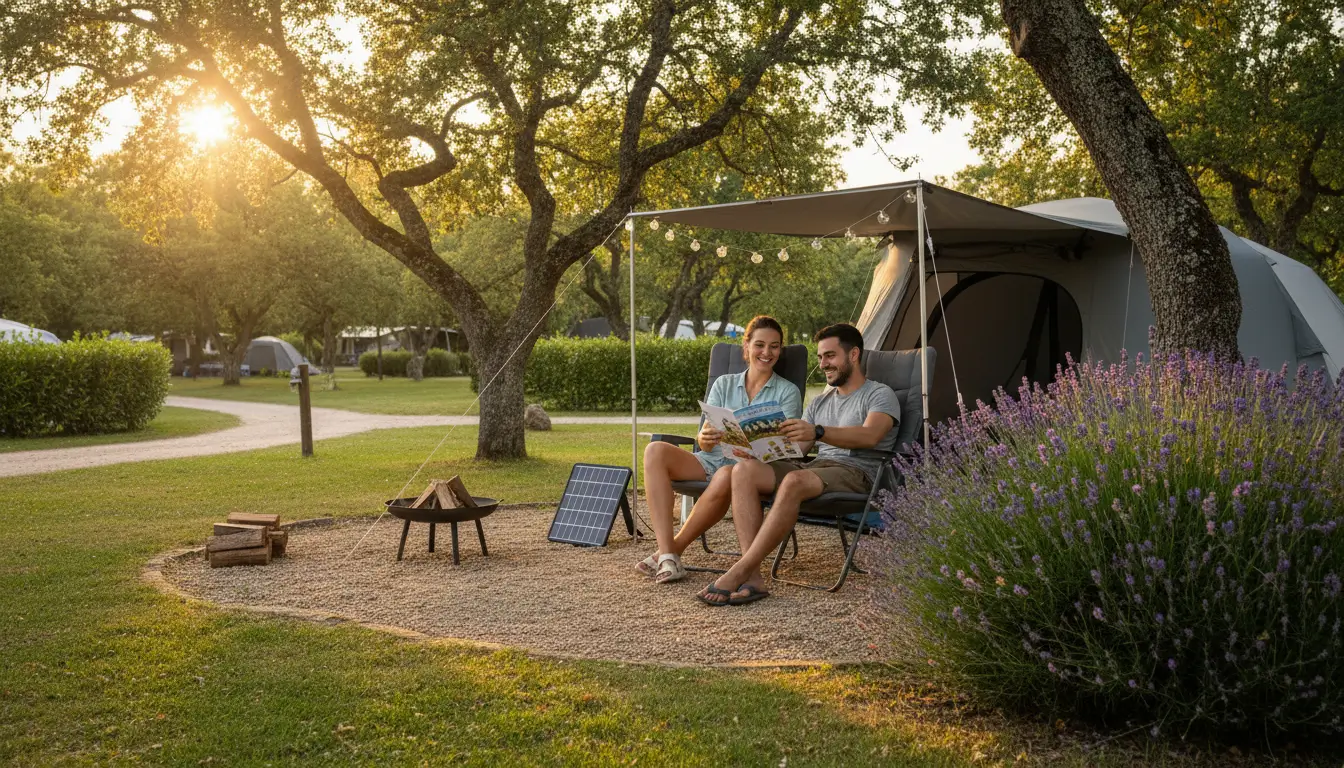
Adapting your gear to your destination
Your camping destination determines which gear you need. For a train journey you limit your luggage to one rucksack. There are no weight limits as on a plane. The space in the luggage rack is limited, though.
When car camping you can pack a bit heavier. Minimalist still remains the preference here too. A light rucksack makes it easier to walk from your car to remote camping spots. That way you reach quiet locations. With heavy gear these locations are out of reach.
When camping in cold regions, take a warmer sleeping bag and, if necessary, an extra insulation layer. In warm areas a light blanket or thin sleeping bag is enough. Always adapt your gear to the expected temperatures and weather conditions.
Discover more about camping and nature holidays
Minimalist camping requires preparation and conscious choices, but offers you freedom, ease and an intense experience in nature. You need the right, well thought-out techniques. You need a smart packing list. Then you travel comfortably without unnecessary ballast. Ultralight packing lists (English term for lists with only the lightest essentials) help you with this. On the Traveler Tips website you’ll find much more information about routes, destinations, practical camping preparations and tips for self-organised nature holidays. Discover the possibilities and plan your next trip with confidence.
Frequently asked questions
Essential items for minimalist camping with comfort are a lightweight, stable tent (or tarp/hammock), a well-insulating sleeping mat and a warm sleeping bag. Add a small cook set with gas stove, one pan, spork and, if needed, a water filter. For personal care and convenience, a microfibre towel, basic hygiene items, sun cream and a compact head torch are enough. On the road, quick-drying, multifunctional clothing and a small power bank or solar charger are practical for both road trip and train journey.
Start with your travel style: are you mainly hiking, cycling or travelling by car, and in what climate, so you can match weight (ultralight vs. compact) and insulation (tent, sleeping bag, mat) to this. Then choose one lightweight, preferably multifunctional item per category (shelter, sleeping, cooking): for example a small tent or tarp, a compact mat and sleeping bag, and a single-burner stove with one pan and spork. Decide your budget in advance and invest mainly in what directly determines your comfort (mat and sleeping bag), and look for the rest second-hand or in outlet sales. Test your gear at home or on a short weekend trip so you can cut unnecessary items and buy more specifically.
You’ll find the most experience and tranquillity at small, nature-focused campsites or designated simple camping spots where you really learn to live again with the rhythm of nature. Think of minimalist places in wooded or mountainous regions, where you can make treks with light gear and sleep under a starry sky at night. Such places are often basic: few facilities, lots of silence, darkness and space to be offline. It is precisely this simplicity that creates a deep experience of nature and a feeling of conscious travel.
Take compact, high-calorie food with as little packaging as possible (e.g. dried meals, nuts, wraps) and plan meals in advance so you have just enough. Filter or purify local water with a lightweight filter or tablets and use one reusable bottle or water bladder instead of multiple bottles. Cook in one pan and eat with a spork to limit crockery and choose reusable containers instead of disposable ones. Minimise waste by repacking at home, taking everything back with you and disposing of food scraps by burying or carrying them out according to local rules.
Combine minimalist camping with culture by choosing light gear so you can easily visit villages, markets and museums on foot or by public transport. Plan your campsite close to local festivals, farmers’ markets or historic towns so you can make cultural trips without extra transport. Use multifunctional items (such as a day pack that also serves as a pillowcase) so you can comfortably walk or cycle for hours. Leave digital distractions at home and make time for local conversations in neighbourhood cafés, village squares or around campfires to really get to know stories and traditions.