NL
NL
Campsite visitors are increasingly choosing materials and products that protect nature. Sustainable camping products combine practical comfort with reusable solutions and circular production processes. The result? A holiday where you enjoy freedom without unnecessary waste or damage to the environment. This shift calls for conscious preparation, but in the long term it leads to savings and better experiences. Discover which choices really work.
Why more and more campers are choosing sustainable gear
The shift towards sustainable camping is clearly visible in both figures and behaviour. Around 45 per cent of campers choose to stay within their own country, mainly because of the lower environmental impact. In addition, travellers pay on average 20 per cent more for camping products made from recycled or responsibly sourced materials. This willingness to invest shows that conscious choices are increasingly becoming the norm.
The type of holiday is also changing. Off-grid camping is on the rise: travellers are increasingly seeking places without electricity or water hookups, where they can be fully self-sufficient. That requires good preparation, but it also offers more freedom and peace. For those who like to plan mindfully, camping and nature holidays provide an ideal combination of experience and a low ecological footprint.
‘ This choice prevents you from having to buy new gear every season. ’
Which sustainable camping products are available in 2026
The range of environmentally friendly camping products is growing rapidly. Manufacturers are switching to recycled materials and circular production processes. Below is an overview of concrete products you can consider for your next trip.
Tents and shelters
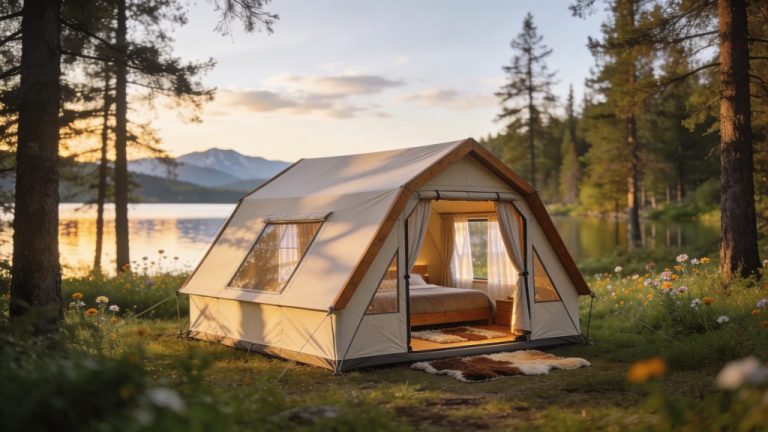
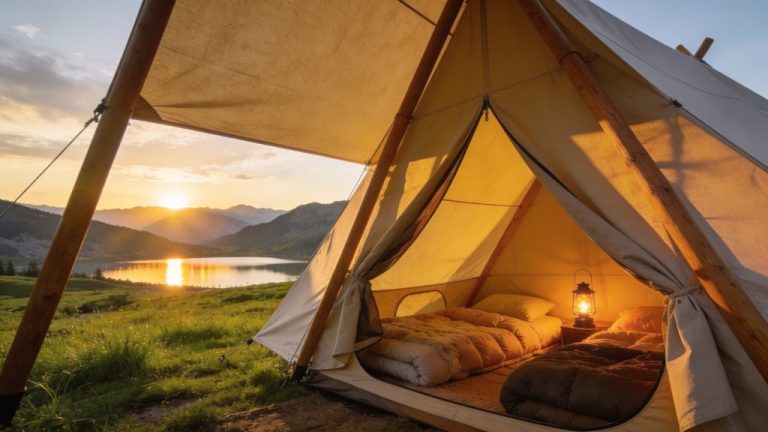
Tents made from recycled canvas or old textiles such as denim are becoming increasingly available. These materials are durable and often resistant to intensive use. Roof tents made from sustainable fabrics and LiteShade awnings for trailer tents offer comfort and shade with minimal production impact. On forums, campers share that these tents last longer than standard versions and are therefore also cost-saving.
Energy and lighting
Solar panels on motorhomes and caravans make off-grid camping feasible. They provide reliable power, even in remote locations. Solar-powered coffee makers, rechargeable lamps and other energy-efficient accessories reduce dependence on external sources. These products are not only sustainable, but also increase your comfort during long road trips.
Cookware and tableware
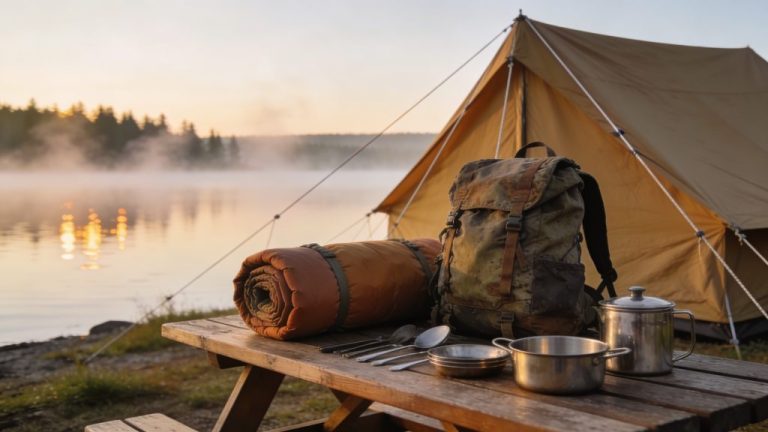
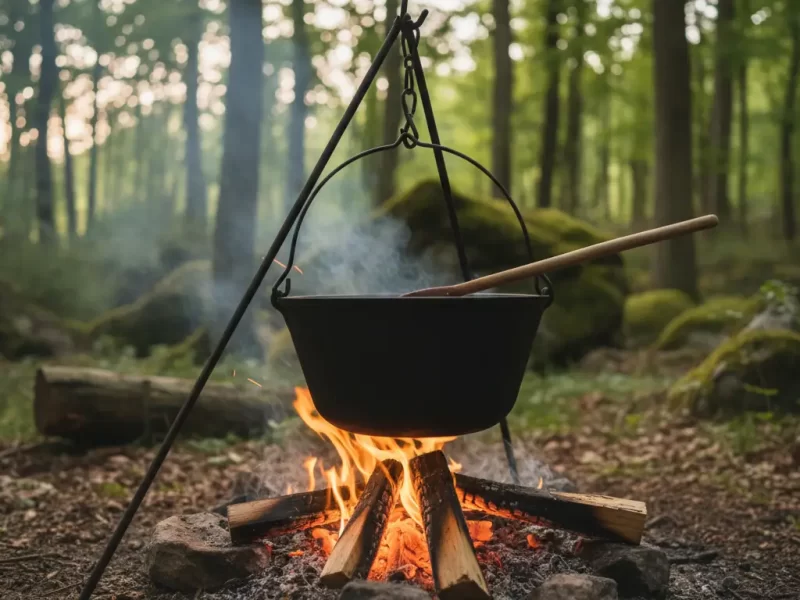
Reusable pans, cutlery, plates and mugs replace disposable items. Metal straws, sustainable barbecues and collapsible kitchen gear made from recycled materials make cooking on the road easier and cleaner. These products are often compact and lightweight, ideal for travellers who pack with care.
Furniture and storage
Camping chairs, tables, cupboards and loungers made from responsibly sourced materials are practical and long-lasting. Inflatable versions save space in the car and are easy to take with you. This choice prevents you from having to buy new gear every season.
Sanitation and hygiene
Composting toilets from conversion kits replace chemical systems with resource-saving alternatives. These toilets separate solid and liquid waste streams, so you use less water and do not need chemicals. They are suitable for both trailer tents and larger motorhomes.
How to recognise environmentally responsible camping products
A product is not automatically sustainable just because it is labelled as such. Pay attention to the following points when buying:
- Material composition: Have recycled raw materials been used, such as canvas, metal or down?
- Production process: Does the manufacturer work in a circular way or carbon-neutrally?
- Service life: Does the product last a long time and can it be repaired?
- Packaging: Is it minimal and recycled?
- Available second-hand: Can you also buy or hire the product used?
Manufacturers that are transparent about their production process often provide more certainty. Terms such as ‘eco-friendly’ or ‘green’ are not always regulated, so read on for concrete facts about origin and composition.
The difference between eco-camping and regular camping
Eco campsites distinguish themselves through their focus on biodiversity, energy management and integration with the local area. Whereas regular campsites focus on convenience and facilities, eco campsites emphasise minimal impact and experiencing nature.
Features of eco campsites include:
- Swimming pool heating with biothermal piles, where compost generates heat
- Native plants for shade and privacy
- Vegetable gardens for local food
- Pitches among wildflowers and natural landscapes
- Solar energy for facilities and lighting
These campsites regularly win international awards for ecological construction and social sustainability. They not only offer a lower environmental impact, but also a richer experience of nature.
‘ “By choosing sustainable alternatives you avoid this problem at the source.” ’
How reusable products contribute to better environmental management
Reusable camping products reduce the amount of waste generated during your trip. Disposable items such as plastic cups, plates and cutlery pile up quickly, especially on longer journeys. By choosing sustainable alternatives, you avoid this problem at the source.
Reusable items also extend the life of your kit. A well-maintained tent or camping chair lasts for years, meaning you need to replace things less often. That saves both money and resources.
You will also notice the difference on campsites themselves. Waste separation, compostable products and recycled materials make management easier. Campsites with biodiversity projects actively promote the use of reusable items, because this fits with their broader approach.

Practical tips for mindful camping with sustainable products
Preparation determines the success of sustainable camping. Start by making an inventory of what you already have. You can often repair or reuse existing items before buying anything new. Borrow or rent products that you do not need often, such as roof tents or large awnings.
Choose campsites that match your values. Look for places with biodiversity projects, local food supplies and solar energy. These campsites often also provide tips for sustainable camping in the region.
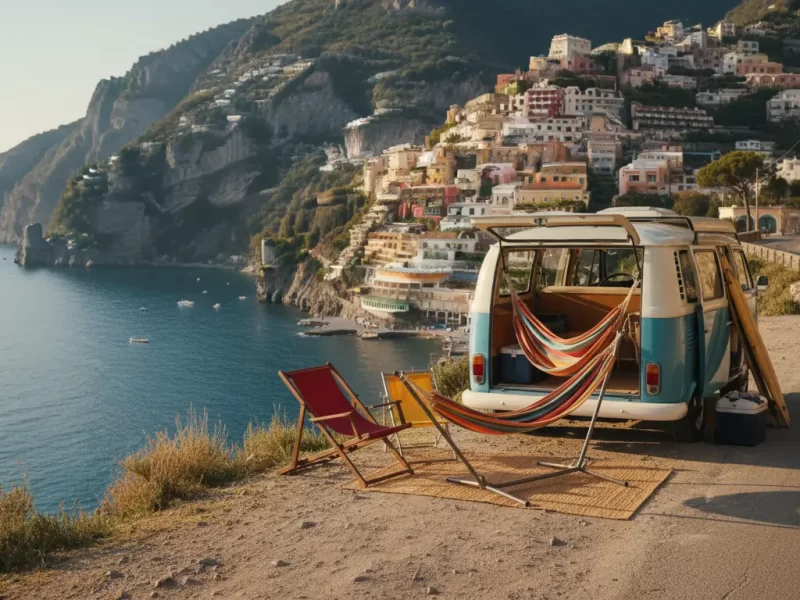
Install solar panels on your motorhome or caravan if you often camp off-grid. The investment pays off in independence and lower energy costs. Consider compact campers such as the Urbanoid Booba or Wally-Van, which emit up to 40 per cent less CO2 thanks to their smaller size and electric versions.
Always take reusable items with you for cooking, eating and drinking. Refill drinking water at campsites and use grey-water tanks for full autonomy. Avoid chemical cleaning agents and choose biodegradable alternatives.
Benefits for travellers who plan consciously
Sustainable camping products offer tangible benefits that go beyond environmental protection. They increase your comfort in remote destinations because you are less dependent on external facilities. Off-grid setups give you more freedom when choosing pitches, especially in natural areas.
In the long run, sustainable products lower your costs. Reusable items and high-quality materials need replacing less often. Solar panels and energy-efficient appliances save on energy costs during your trip.
In addition, sustainable camping is an excellent match for routes through natural landscapes. You deepen your experience of nature because you engage more consciously with your surroundings. This makes your holiday not only more enjoyable, but also more meaningful.
‘ Whether you are planning a road trip, organising a nature holiday or looking for the best campsites, the website helps you travel smarter and more consciously. ’
Discover more about camping and nature holidays
Sustainable camping products are just one part of travelling responsibly. On the Traveler Tips website you will find much more practical information about routes, destinations, preparation and regulations. Whether you are planning a road trip, organising a nature holiday or looking for the best campsites, the website helps you travel smarter and more consciously. Discover more tips and expand your knowledge before your next trip.
Frequently asked questions
Choose camping products made from recycled or sustainably produced materials (tents, furniture, textiles) that are known for their long lifespan and repair options. Look for comfort features such as good support in chairs and beds, sufficient headroom and smart storage space in cupboards and tents. Opt for reusable cooking and eating utensils and practical off-grid solutions such as solar lighting and power banks. Consider second-hand or rental options for large items such as trailer tents or roof tents to reduce costs, weight and environmental impact.
Essential sustainable and space-saving camping items for car or train journeys include a compact tent made from recycled fabric, lightweight folding furniture and reusable cooking and eating utensils (pans, crockery, cutlery). Add a small solar kit (power bank or solar lamp) and reusable water bottles or water bags. Wherever possible, choose recycled or second-hand materials to limit waste and save weight.
For camping products, look for certifications such as the EU Ecolabel, Bluesign, GOTS (for organic cotton) and FSC or PEFC for wood. For textiles and canvas, recycled materials (e.g. recycled polyester/nylon), organic cotton and PFC-free or PFAS-free coatings are important. For furniture and other hard materials, wood from responsibly managed forests (FSC/PEFC) or recycled plastics and metals are a good choice. Also check whether brands are transparent about origin, repair options and lifespan, as these are at least as decisive for genuine sustainability.
Yes, sustainable camping products are generally a smarter long-term investment than traditional alternatives. They often last longer thanks to better materials and finishing, so you need to replace them less quickly. They also lower your costs over time, for example through generating your own energy with solar panels and using reusable products. At the same time, you reduce your ecological footprint, which for many campers is an important extra benefit.
Sustainable camping products reduce your impact on the environment, so nature and tranquillity are better preserved and you can enjoy the place itself more intensely. By camping off-grid and self-sufficiently with, for example, solar panels and reusable water systems, you experience more freedom and adventure in the heart of nature. Recycled tents, sustainable furniture and eco-toilets blend in better with the natural surroundings, creating a more harmonious experience. On sustainable campsites with biodiversity projects and natural materials, the experience of nature is actively enhanced.