NL
NL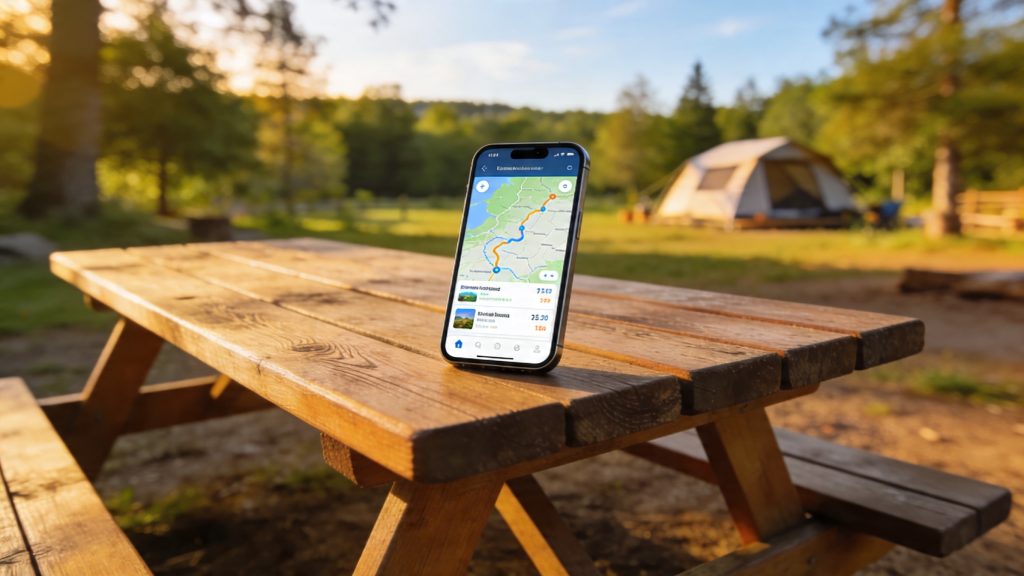
Modern motorhomes combine the freedom of camping with smart technology that makes travelling more comfortable and more efficient. From energy management systems to mobile workspaces: technology and connectivity at the campsite allow you to travel flexibly without sacrificing comfort or productivity. Discover how the right apps, communication solutions and smart systems help you get the most out of your motorhome adventure.
Reliable internet during your camping holiday
A stable internet connection is no longer a luxury for many travellers. Working online, keeping in touch with family or planning your route: good connectivity makes all the difference. For anyone who goes camping regularly, there are various solutions available that are suitable for a wide range of situations.
Mobile hotspots such as the TP-Link M7650 create a wifi network via 4G or 5G. These portable devices work with a SIM card and data plan, and support multiple devices at the same time. The built-in battery makes them independent of a power supply, which is useful in places without a fixed connection.
External antennas boost the mobile signal in areas with poor coverage. You connect these omni antennas to routers and they provide a more stable signal in motorhomes or tents. This is useful if you are camping in sparsely populated areas where the standard network is weak.
Satellite technology offers a solution for very remote locations. Systems such as Teleco Combisat Wifi provide both television and mobile internet via satellite. This technology is more expensive, but it is reliable in places with no mobile coverage.
Apps for smart energy management in your motorhome
Smart apps help you monitor and optimise energy consumption in your motorhome. This prevents your batteries from running flat and ensures you can remain self-sufficient, even on campsites without a power hook-up.
Various motorhome manufacturers offer specific apps:
- Hymer Connect gives you real-time insight into battery level, water supply and heating
- Adria Mach lets you monitor gas consumption and power level via your smartphone
- These systems send alerts when values drop below critical levels
IoT sensors (Internet of Things) are smart devices that communicate with each other and with your smartphone. These sensors optimise energy consumption based on occupancy and weather data. They automatically adjust lighting and heating, which saves energy without you having to think about it all the time. For anyone who spends longer periods off-grid, these systems are practical because they prevent unnecessary consumption.
Smart thermostats control the temperature in your motorhome remotely. You set the desired temperatures via an app, so your motorhome is pleasantly warm when you return from a walk. These devices are energy-efficient because they only heat when necessary.

Creating a productive workspace in your motorhome
More and more travellers are combining work and travel. A well-designed workspace in your motorhome makes this comfortable and achievable. Space in a motorhome is limited, so a well-thought-out layout helps.
Choose a fixed spot with enough natural light and a stable surface. The dinette, the seating area with a table, is often suitable as a workspace. Ensure an ergonomic posture by using a laptop stand if necessary. This helps prevent neck and back problems when working for longer periods.
Reliable power is essential for laptops and other devices. An inverter converts 12V power from the battery into 230V, suitable for standard plugs. Portable high-capacity power banks serve as a backup for shorter working periods. Solar panels on the roof of your motorhome charge the batteries on sunny days, making you less dependent on campsite hook-ups.
For stable internet, combine a mobile hotspot with an external antenna. Test this set-up beforehand in different locations so you know what to expect. Some campsites offer wifi, but the quality varies widely. Having your own internet solution gives you more certainty.
Which innovations make motorhome travel more comfortable
Technological developments are improving the comfort and safety of motorhome travel. These innovations are not just something for the future – many are already available or will be on the market in the near future.
Domotics systems are smart home automation systems for your motorhome. These systems allow you to adjust lighting, temperature and music via your smartphone. You set personal preferences that are applied automatically. This increases comfort without you constantly having to make manual adjustments.
Smart cameras and alarm systems enhance security. These devices send notifications to your phone if anything unusual happens, such as movement around your motorhome when you are away. This gives peace of mind, especially on unfamiliar campsites or car parks.
Water management apps monitor your water supply and show how many litres of fresh water and waste water you have. This helps you plan refill stops and prevents you from suddenly running out of water.
Real-time vehicle data are up-to-date details about the technical condition of your motorhome while driving. This data makes proactive maintenance possible. Sensors detect irregularities in engine performance, tyre pressure or braking function. You receive warnings before small problems become big ones, preventing costly repairs and breakdowns on the road.
‘ Energy management also plays a role in connectivity. ’
Practical tips for staying connected on the road
Good preparation makes the difference between frustration and a smooth trip. These tips help you stay connected without being dependent on changing conditions.
Check mobile coverage along your route in advance using your provider’s apps. These tools show coverage per region, so you know where you are likely to have a weak signal. Choose campsites with a wifi guarantee if you need a stable connection for work or to stay in touch with family.
Take a MiFi router with an unlimited data plan for multiple devices. This avoids arguments about who can use the internet and ensures everyone can be online. Test external antennas along your route before you leave, so you know how to install them and whether they provide enough improvement.
For trips through several countries, EU roaming is convenient. Within the European Union you can use your data bundle under the same conditions as at home. Do bear in mind that some providers apply volume limits abroad. Check this before you depart.
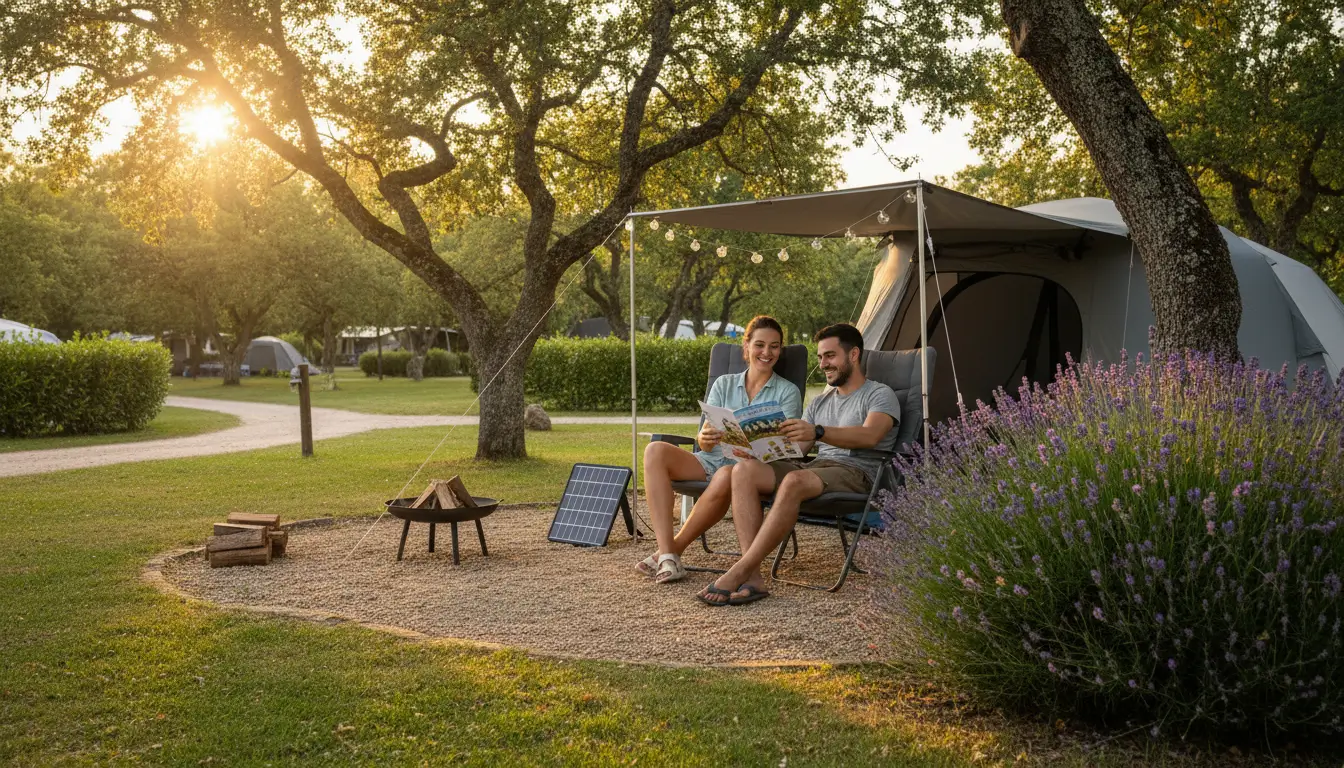
Energy management also plays a role in connectivity. Hotspots and routers use power. Switch them off when you are not using them and charge devices while driving or via solar panels. This keeps your systems operational for longer without an external power supply.
Safety and monitoring for carefree travel
Technology contributes to a feeling of safety while you travel. Modern systems monitor your motorhome and warn you if there are problems, which is especially reassuring if you often stay at different locations.
GPS trackers show where your motorhome is and send a notification if the vehicle moves unexpectedly. This helps prevent theft and allows you to respond quickly. Some insurers offer a discount if you use an approved tracking system.
Smart gas detectors warn you if CO or gas concentrations rise. These sensors are connected to your smartphone and also alert you when you are not in the motorhome. This is a useful extra safety layer alongside standard detectors.
Tyre pressure monitoring is a system that continuously keeps an eye on the pressure in your tyres. This prevents poor handling and excessive wear. Sensors in the tyres report deviations in pressure or temperature. Correctly inflated tyres improve fuel consumption and safety, especially on long journeys with a fully loaded vehicle.
Sustainable camping with smart technology
Technology also helps you travel more sustainably. Smart systems reduce waste of energy, water and other resources without sacrificing comfort.
Solar panels on the roof of your motorhome charge the batteries using sunlight. Modern panels are more efficient and take up less space. Combined with energy monitoring apps, you can see exactly how much power you generate and consume, which encourages more conscious behaviour.
Water-saving apps show your daily consumption. This makes you aware of how much water you use for showering, washing up and cooking. Small changes in behaviour, such as taking shorter showers, make a big difference on longer trips without a refill point.
Energy-efficient LED lighting with motion sensors only lights up the areas you are in. This saves power and extends the life of your batteries. The investment pays for itself through lower costs and less dependence on external power supplies.
‘ From reliable internet connections to smart energy solutions: the possibilities are vast. ’
Discover more about smart camping
Technology makes camping more accessible and comfortable. From reliable internet connections to smart energy solutions: the possibilities are vast. On the Traveler Tips website you will find more in-depth articles about motorhome holidays, route planning and practical tips for on the road. Explore the possibilities and discover how to plan your next trip even better.
Frequently asked questions
Choose your own mobile solution with a 4G/5G MiFi router (with data bundle) so that you are not dependent on campsite wifi. Combine this with an external (omni) antenna to boost weak mobile signals in remote areas. Check in advance, using providers’ coverage maps, which network has the best signal at your destination. For truly very remote locations without any mobile coverage you could consider a (mobile) satellite internet solution.
Use a combination of a portable power station (with sufficient capacity in Wh) and a foldable solar panel so you can generate power independently wherever you are. While driving, top up the power station via the car’s 12V socket and use energy-efficient chargers (e.g. USB-C PD) for your phone, laptop and camera. Plan your charging times: run high-consumption devices (laptop, cool box) mainly during the day on the solar panel, and smaller devices in the evening from the power station. Minimise standby consumption by unplugging adapters and using devices in power-saving mode.
Useful apps include Google Maps or Maps.me for offline navigation and Komoot for walking and cycling routes in the area. With Park4Night, Campercontact and ACSI Eurocampings you can find campsites, motorhome stopovers and reviews along the way. Use apps such as AllTrails or Wikiloc for local hikes and Outdooractive or ANWB/Eropuit for sights and activities nearby. Finally, a weather app (e.g. Buienradar) and a campsite or park app (if available) provide up-to-date information on weather, facilities and reservations.
Use a MiFi router with an affordable EU data bundle (preferably unlimited or a large bundle) so that you can bring all your devices online via a single mobile connection. Check your provider’s 4G/5G coverage around the campsite in advance and, if necessary, choose a pitch with good reception or campsite wifi. Reduce your data usage by setting video quality to ‘normal’ or ‘low’ in streaming apps and only downloading via wifi. If needed, combine campsite wifi with your own MiFi as a backup to avoid peak-time congestion and extra costs.
Essential technological gadgets include a power bank or portable solar charger and a good head torch or rechargeable torch. A mobile hotspot (MiFi) or smartphone with sufficient data provides reliable internet access for navigation, weather reports and emergencies. A compact camping lantern with USB charging and perhaps an e-reader or tablet for relaxation are also very handy. Finally, a multifunctional penknife with a built-in mini light or tool set can offer extra comfort and preparedness.