 NL
NL
Camping gear for comfort and convenience in 2026
Camping is becoming easier and easier thanks to smart gear and multifunctional gadgets. Instead of heavy and complicated, in 2026 you opt for lightweight materials, portable energy solutions and camping accessories that combine multiple functions. The result: more comfort on the road without unnecessary baggage. For anyone planning a camping holiday, having the right basic kit is what makes the difference between a successful trip and avoidable hassle.
What basic kit do you need for a weekend camping trip?
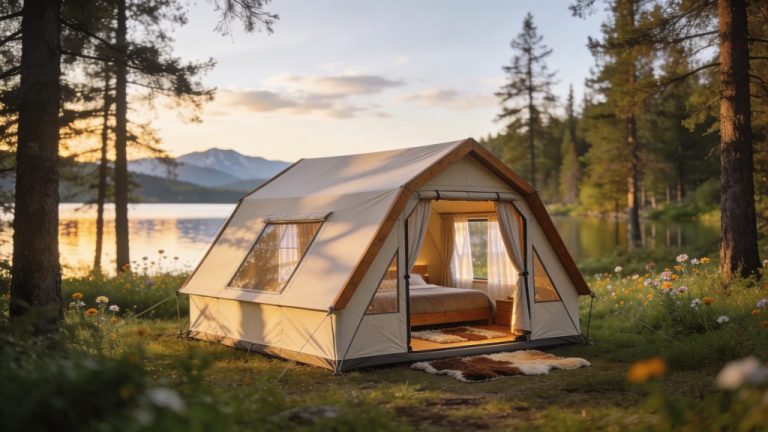
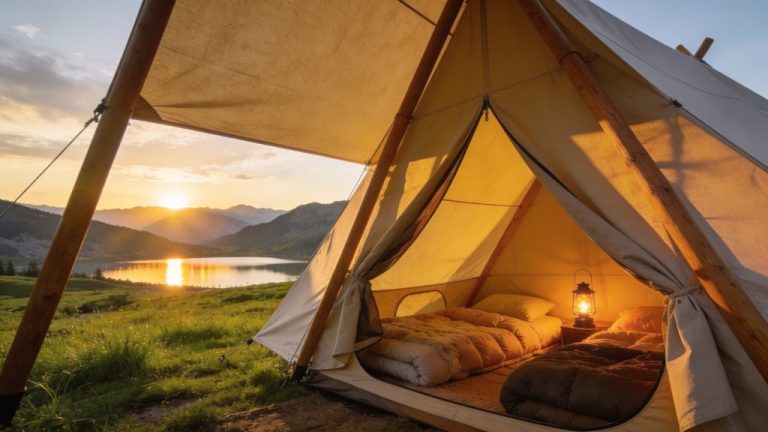
A weekend trip requires different priorities than a longer journey. You do not have room for unnecessary items, but you also do not want to be without essential facilities. Start with the basics: a reliable tent with groundsheet, pegs and rubber mallet. Choose a model that is quick to pitch and can cope with changeable weather. Take extra pegs and guy lines as spares in case of wind.
For a good night’s sleep, you need a sleeping bag with the right comfort temperature. Check in advance whether the sleeping bag is suitable for the season in which you are going camping. Combine the sleeping bag with a self-inflating sleeping mat or foam mat. These insulate you from the cold ground and add comfort. An air bed is an alternative, but in that case take a repair kit for punctures.
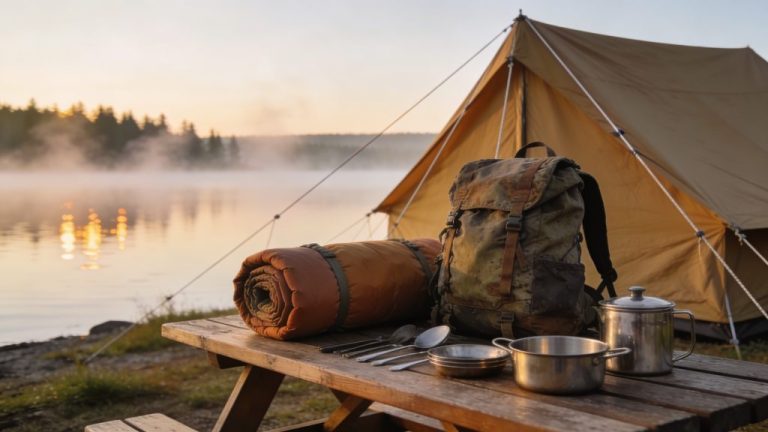
Cooking is done with a gas camping stove. Take a small gas cylinder, pans, cutlery and plates. A jerrycan for drinking water and a cool box with ice packs are handy for fresh produce. Do not forget basics such as salt, pepper, oil and washing-up liquid that is biodegradable. A folding table and chairs make mealtimes more comfortable.
‘ That makes you independent of campsite facilities. ’
Smart gadgets and energy solutions
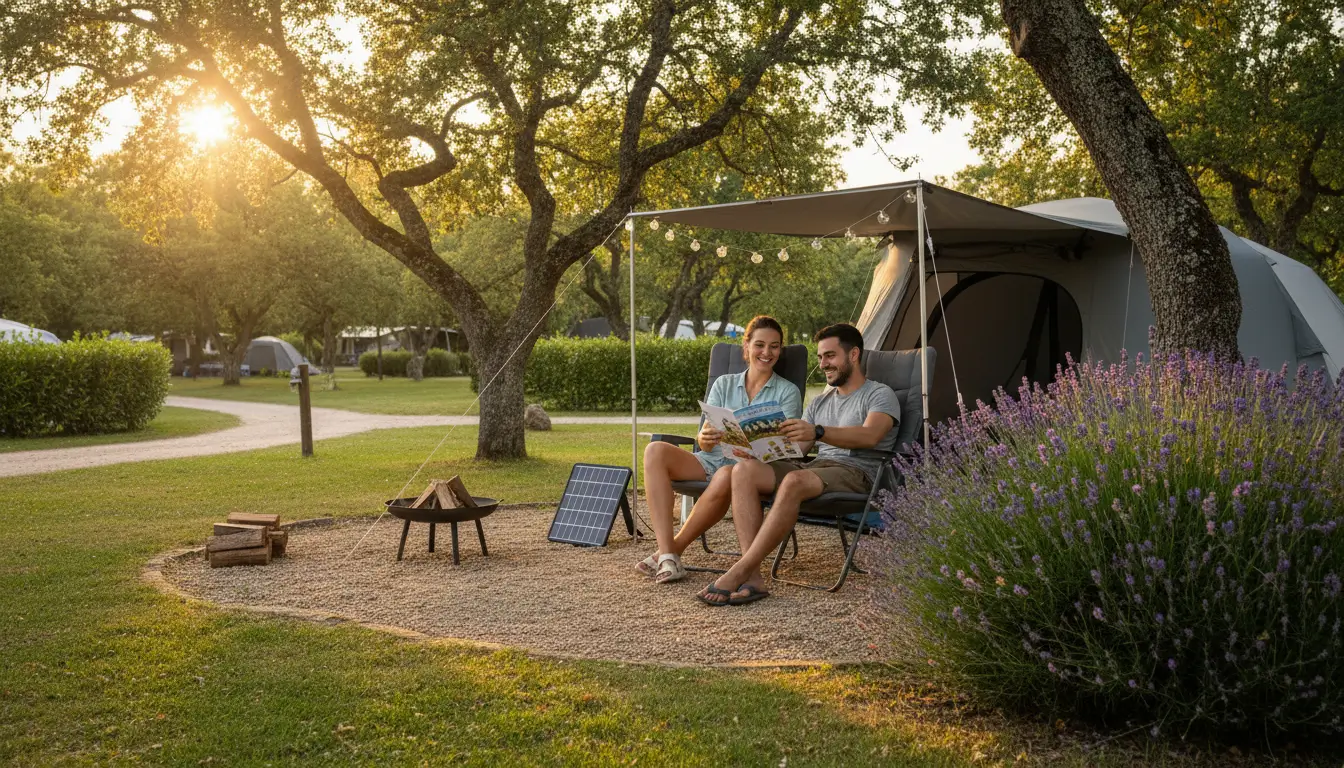
Portable power stations have become popular among campers who want to charge their smartphone, laptop or cool box without a connection to the mains. These compact batteries work silently and are easier to use than petrol generators. Combine a power station with a foldable solar panel to recharge during the day. That makes you independent of campsite facilities.
Modern lighting has become lighter and more efficient. LED lanterns run on batteries or rechargeable packs and provide bright light without using much energy. A headlamp is convenient for activities where you want to keep your hands free. Always take spare batteries or a power bank so you do not end up without light.
Other gadgets that make a difference include compact water filters for remote areas and collapsible water containers. A spirit level and wheel chocks are indispensable if you are travelling with a caravan or motorhome. For caravans, storm straps and an awning also increase camping comfort in bad weather.
Packing efficiently for a camping holiday
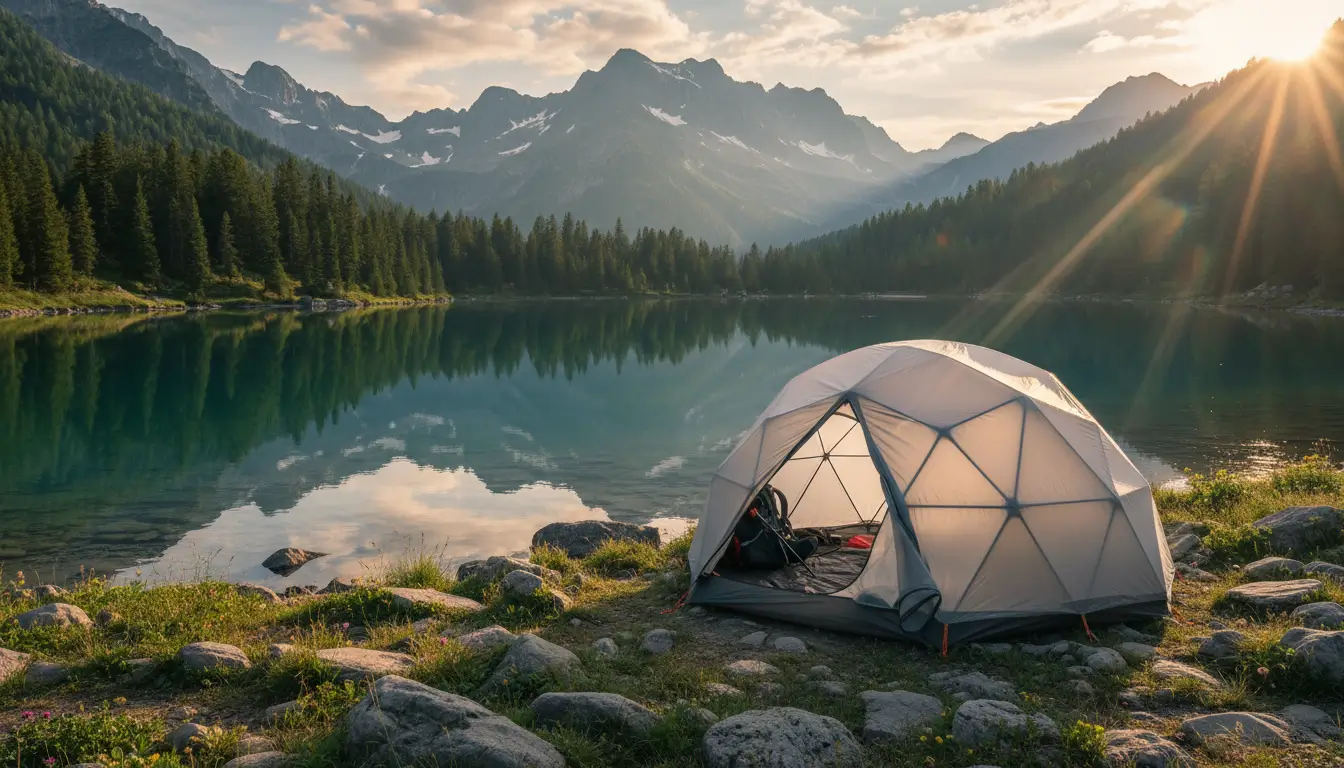
Packing requires planning. Start with a list and work from large to small. Load heavy items such as tent, chairs and tables at the bottom of your car or trailer. Lighter items such as clothing and sleeping bags are packed on top. Use storage boxes to keep things organised and protected from dirt and moisture.
Pack your clothes in layers. Take underwear, socks, shirts and trousers for each day, plus extra sets for emergencies. Add a fleece jacket, waterproofs and a poncho for changeable weather. Walking boots and waterproof sandals are practical for different situations. Do not forget sunglasses, a hat and sunscreen, especially at the seaside or in the mountains.
Multifunctional items save space. A pocket knife or multitool helps with small jobs and repairs. Duct tape and cable ties are useful for quick fixes such as a torn tent or broken chair. A cool box that doubles as a seat combines storage with functionality. Wherever possible, choose foldable or stackable items.
The difference between cheap and quality camping gear
Cheap gear may look tempting, but its lifespan and reliability are usually lower. A low-quality tent may leak in the first shower or tear in the wind. A cheap sleeping bag may not keep you warm enough at lower temperatures. These problems lead to frustration and extra costs if you have to buy replacements on the road.
Quality products are more expensive to buy, but last longer and perform better in different conditions. A tent with sturdy poles and waterproof seams will remain usable for years. A well-insulated sleeping bag protects you from the cold and packs down easily for storage. Reliable stoves burn evenly and use fuel more efficiently.
When buying, pay attention to specifications such as hydrostatic head rating for tents, comfort temperature for sleeping bags and the weight of items you need to carry. Read user reviews to check whether products actually deliver what the manufacturer promises. Test new kit at home before you leave, so you know how everything works and whether anything is missing.
‘ For anyone travelling by car, a warning triangle, safety vests and a fire extinguisher are legally required in many countries. ’
Hygiene and safety on the road
Hygiene remains important when camping. Take a toilet bag with toothbrush, toothpaste, soap and shampoo. Compact microfibre towels dry quickly and take up little space. Toilet paper, towels and deodorant are also among the basics. For longer trips, consider a dry toilet or toilet fluid if the campsite has no facilities.
Take care of safety with a first aid kit containing plasters, gauze, painkillers and disinfectant. Add insect repellent and after-sun lotion, especially in warm regions. For anyone travelling by car, a warning triangle, safety vests and a fire extinguisher are legally required in many countries. Also take jump leads and basic tools for minor repairs.
Keep important documents such as ID card, health insurance card and instruction manuals in a safe, dry place. A waterproof bag or storage box protects them from rain or spillages. Make sure you have the contact details of campsites and emergency services to hand, especially if you are going abroad.
Adjusting your kit to destination and season
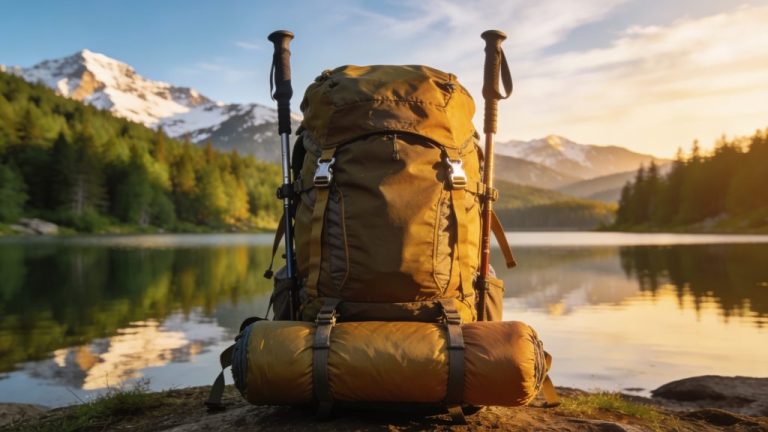
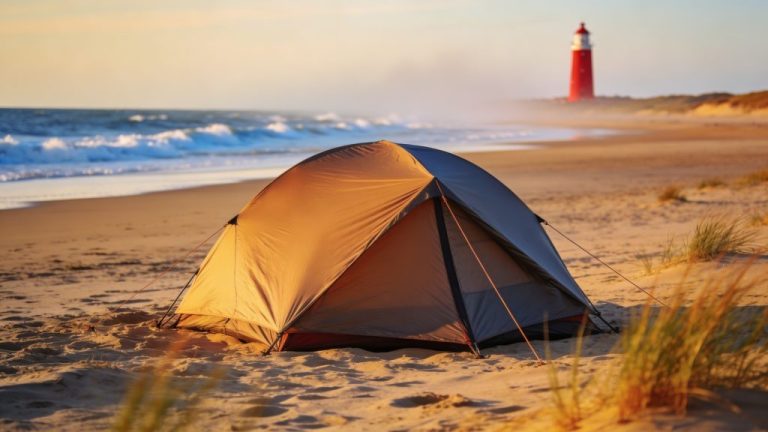
The location determines which extra items you need. At the seaside, take beach towels, swimwear and UV-protective clothing. Sand and salt can damage gear, so rinse everything after use. In mountain areas you need extra warm layers, waterproof boots and possibly walking poles for safety on steeper paths.
If you are camping in summer, ventilation and shade are important. Choose a tent with good air circulation or take a separate sunshade. When camping in spring or autumn, allow for lower temperatures and more rainfall. A thicker sleeping bag, extra blankets and a groundsheet that extends beyond your tent help prevent cold and damp.
If you are travelling with children, add outdoor toys, waterproof clothing in children’s sizes and possibly a small inflatable paddling pool. Earplugs are useful at busy campsites where noise at night can be disturbing. Families also appreciate games or a tablet with downloaded content for when the weather is bad.
Practical tips for a smarter approach
Start with the basics and expand your kit based on your experiences. Test everything before departure to avoid surprises. Check whether gas cylinders are full, batteries are working and all parts of your tent are present. This saves time and stress at the campsite.
Keep weight in mind if you want to stay mobile. Lightweight alternatives such as titanium pans or compact stoves make a big difference on longer trips. Multifunctional furniture such as a table that folds into a carry bag or chairs with built-in storage offer extra convenience.
Use storage systems such as compartments in rucksacks or labelled storage boxes so you can quickly find what you need. A washing line and pegs are handy for wet towels or clothes. Take rubbish bags to dispose of waste neatly and leave the campsite clean.
On the Traveler Tips website you will find more information about routes, destinations and preparing your trip. Whether you are looking for tips on choosing the right campsite or advice on travelling with children, there is plenty there for you. Discover more and plan your next camping holiday with confidence.
Frequently asked questions
The question only contains the text “[object Object]” and is therefore empty in terms of content. Because of this, I cannot tell what is actually being asked or which topic is meant.
The essentials for camping are: a suitable tent or camping accommodation with all fixings, good sleeping gear (sleeping bag, mat or air bed, pillow) and cooking equipment such as a gas burner with pans, crockery and a cool box. In addition, you need basic hygiene items (toilet bag, towels, toilet paper), appropriate layered clothing including rain and sun protection, and sturdy footwear. Also indispensable are a first aid kit, lighting (torch/headlamp/lantern) and basic tools such as a pocket knife and duct tape. Finally, foldable chairs/table, storage boxes and documents (ID, insurance card, money) are very useful.
When camping, a tent or camping accommodation, a sleeping system (sleeping bag, mat or air bed) and basic cooking and eating equipment are essential. You also need lighting, table and chairs, a toilet bag with toiletries and enough layered clothing. Do not forget safety items such as a first aid kit, pocket knife, duct tape and important documents. Additionally, items such as a cool box, storage boxes and insect repellent are very useful for comfort.
Camping gear: a good tent (or caravan/motorhome equipment), solid sleeping gear (sleeping bag, mat/air bed, pillow) and basic cooking equipment (stove, pans, crockery, cool box). You also need camping furniture (table, chairs), lighting and electrical accessories. Do not forget hygiene items, suitable clothing for the weather, a first aid kit and safety equipment (fire extinguisher, pocket knife, tools). Match your kit to your destination (sea, mountains, countryside) and test as much equipment as possible in advance.