 NL
NL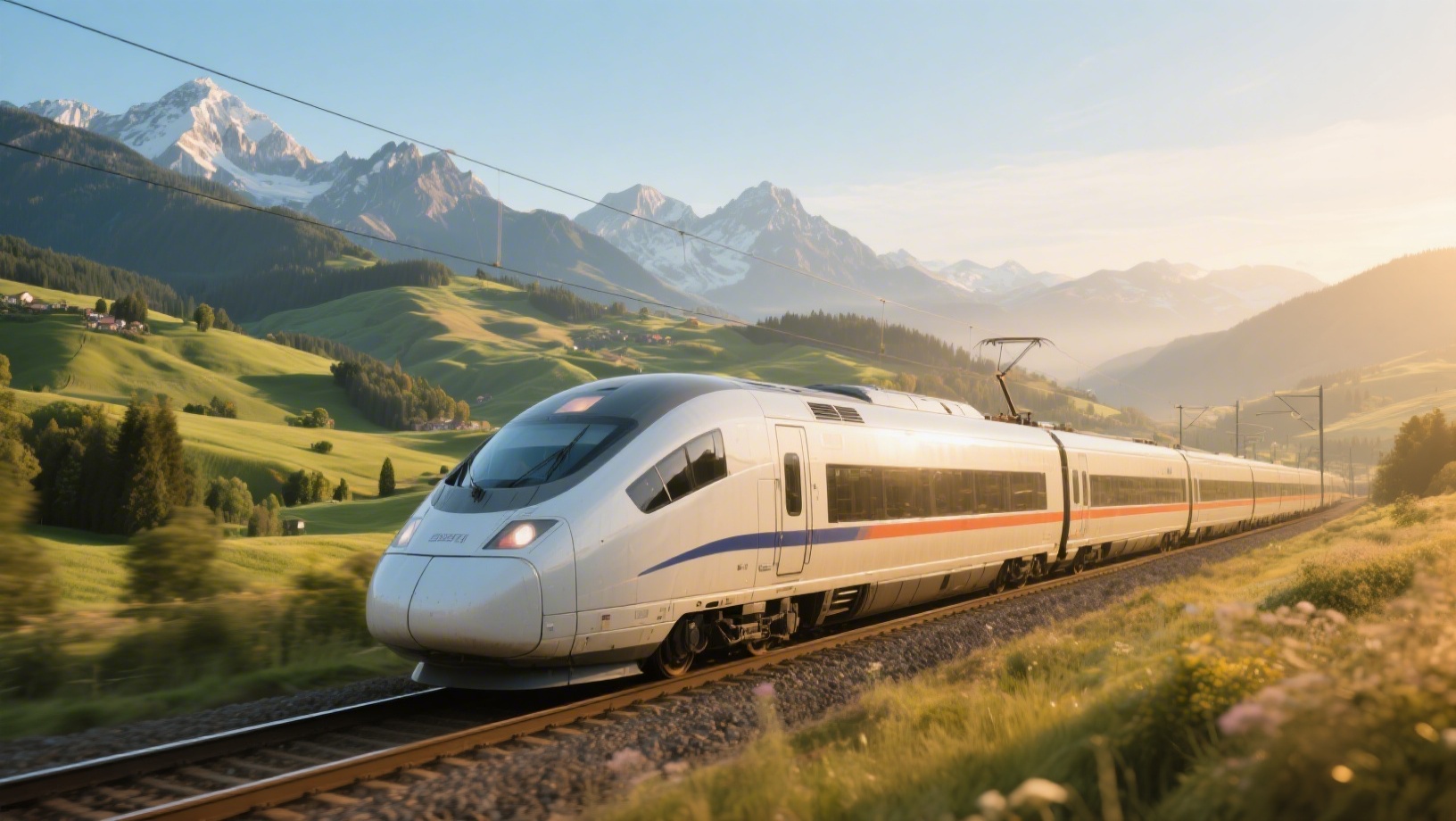
A train journey from Berlin to Venice through the Alps is one of the most beautiful ways to discover Europe. Instead of a two-hour flight, you opt for a mindful trip with spectacular views of mountains, lakes and picturesque villages. The route via Dresden, Prague, Budapest and Slovenia offers a unique combination of culture and nature. Plan 10 to 14 days and you’ll have time for special stopovers such as Lake Bled. Book your tickets in advance and your trip will be hassle-free.
The classic route via Munich and the Brenner Pass
The most popular connection runs via Munich, Innsbruck, the Brenner Pass, Bolzano and Verona. Several trains depart daily from Berlin, with a journey time between 11 and 13 hours. You change once or twice, usually in Munich. The EuroCity and Railjet run five times a day direct from Munich to Verona, with panoramic views of the Alps.
The first train leaves at 04:02, the last at 21:02. On the way you pass the Elbe Valley, the Brenner Pass at an altitude of 1,300 metres and the rolling landscape of South Tyrol. This route is regarded as one of the most beautiful train journeys in Europe. Choose a EuroCity with a restaurant car and enjoy a meal with Alpine views.
‘ Book early, as prices are more attractive than flights in peak season and availability is limited. ’
Night train as a comfortable option
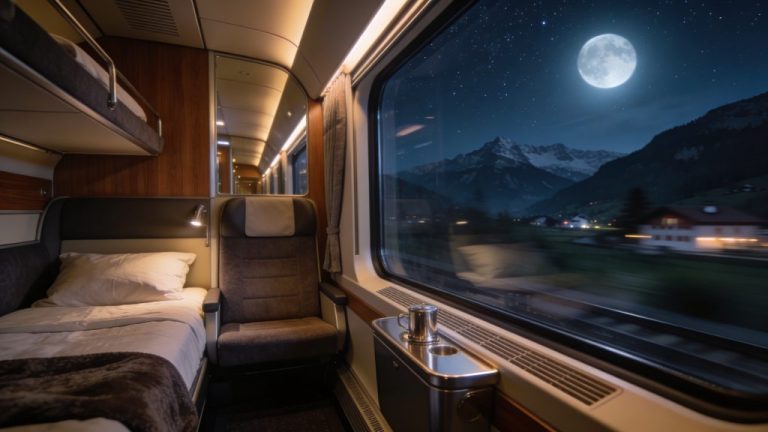
From 2025 the European Sleeper will run from Brussels to Venice. This night train departs at 17:00 from Brussels and stops in Antwerp, Rotterdam, Utrecht, Cologne, Munich, Innsbruck, Bolzano and Verona. You arrive at 14:00 at Venezia Santa Lucia. The return journey departs Venice at 15:00 and gets you back to Brussels at 11:00. Travellers coming from Berlin can connect via Amsterdam, Rotterdam or Utrecht.
The night train service runs twice a week: on Wednesday from Brussels and on Sunday back from Venice. The service is geared to winter sports, carnival and school holidays and runs from February to Easter 2025. You can choose a seat, couchette or sleeping compartment. Book early, as prices are more attractive than flights in peak season and availability is limited.
Alternative route via Prague and Slovenia
Would you like to see more of Central Europe? Then the route via Dresden, Prague, Budapest and Slovenia is a wonderful alternative. This tour combines historic cities with natural areas such as Lake Bled and the Julian Alps. From Ljubljana you travel onwards towards Venice via Trieste or the Italian coast.
This route requires more time and planning. Allow 10 to 14 days to really experience all the stopovers. Book your tickets in advance so you know which connections you have and how much time you need for transfers. This prevents stress and gives you space to enjoy the journey.
What you see along the way
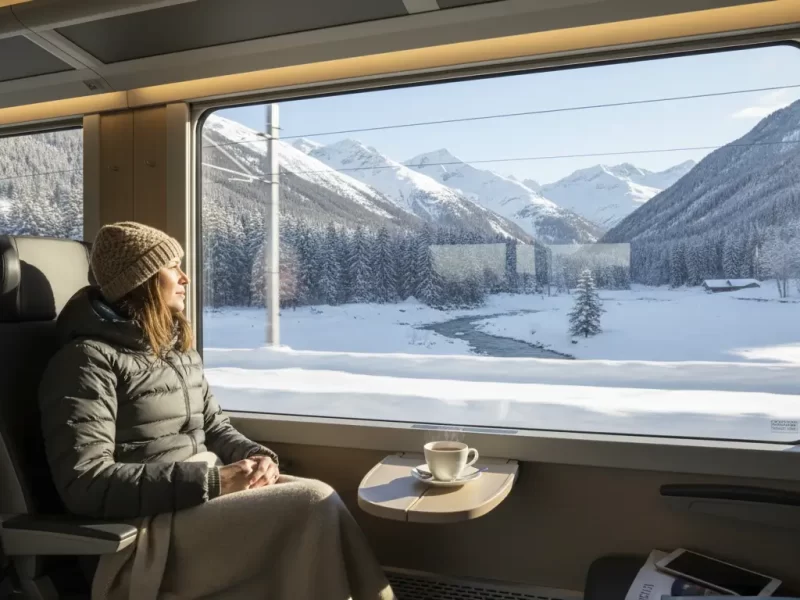
The train journey through the Alps offers views you will never see from a plane. Some highlights:
- The Elbe Valley near Dresden with its green hills and ruined castles
- The Brenner Pass, the highest point of the route at 1,300 metres
- The mountain villages of South Tyrol with their colourful houses
- The Arena of Verona if you change trains there
- Lake Bled in Slovenia with its little island church
The stretch between Innsbruck and Bolzano is often mentioned as the most beautiful part. You travel through deep valleys, past steep rock faces and through tunnels carved into the mountains. At sunrise or in the late afternoon the light is particularly beautiful.
‘ Travelling by train is more sustainable than flying. ’
Practical information for your booking
A train journey from Berlin to Venice costs on average between 164 and 218 euros for a single ticket. The earlier you book, the cheaper the tickets. On night trains you pay extra for a couchette or sleeping compartment, but you save a night in a hotel.
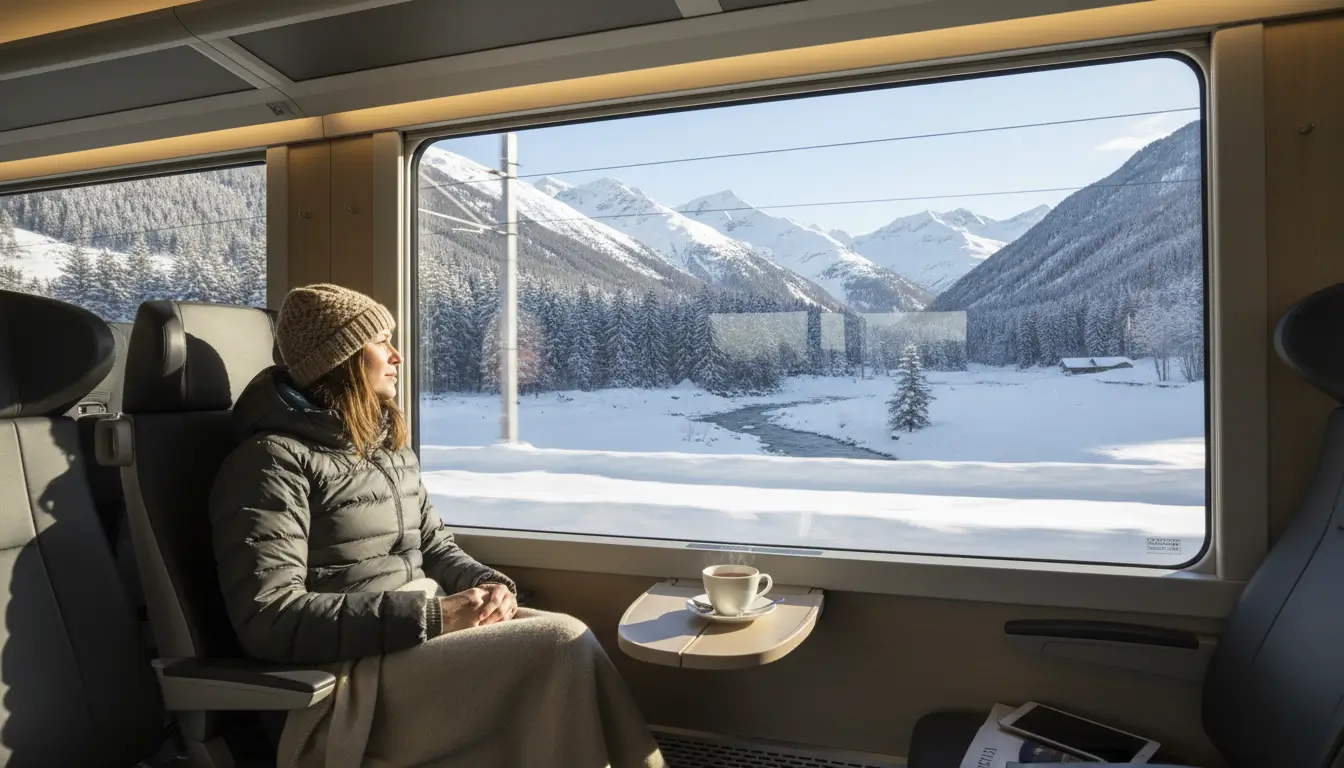
All trains offer comfortable seats with luggage space. ICE, DB and EuroCity trains have spacious seats and power sockets. Check the latest timetables before departure, especially at weekends and during school holidays. Delays do happen, particularly when it is busy or when there is snow in the mountains.
Travelling by train is more sustainable than flying. A night train saves you time and CO2 emissions. You step off in a new city in the morning feeling rested, without an early flight or long waits at the airport.
Tips for a carefree trip
Book all tickets in advance and download them to your phone. Make sure you have enough transfer time, especially in Munich and Verona. Some connections are tight, such as the transfer in Basel with only eight minutes. It’s better to plan a longer stopover and take time for a coffee or a stroll through the city.
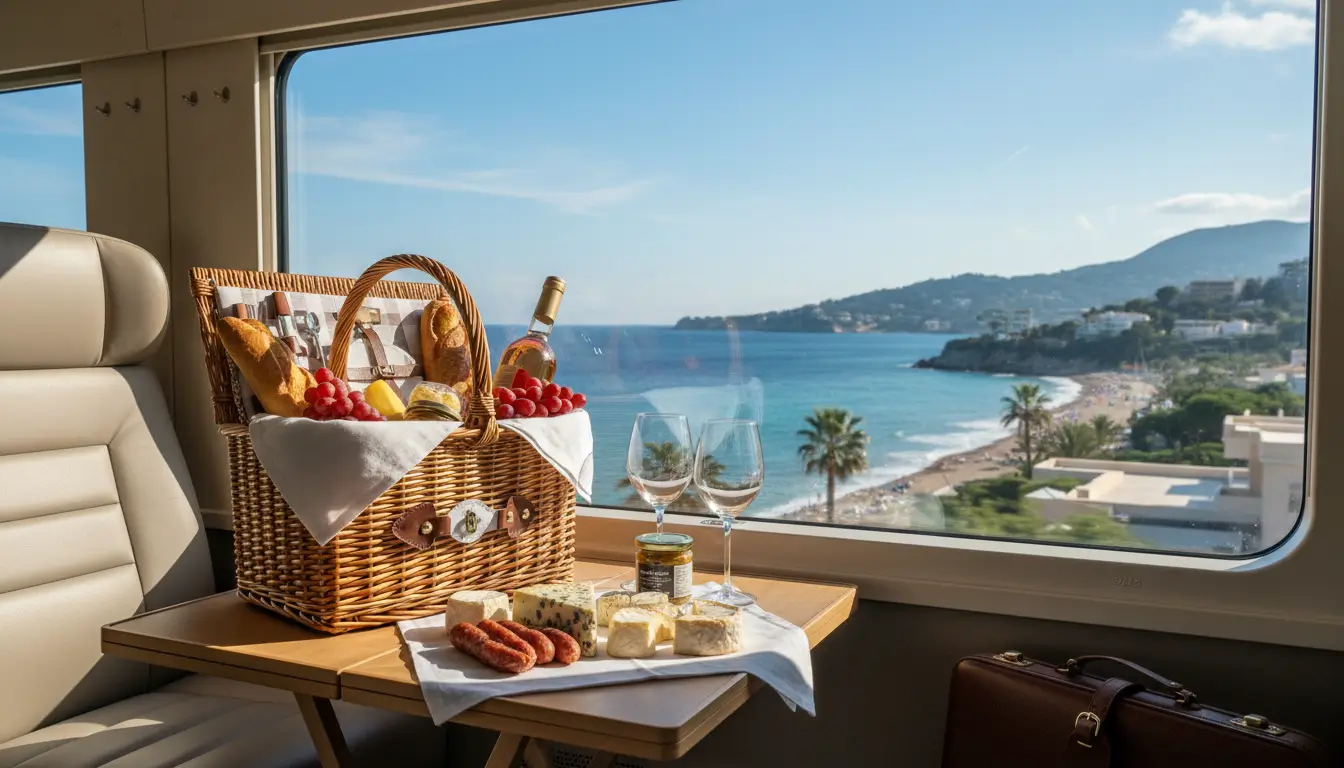
Take a bottle of water and some snacks with you. The restaurant cars are good, but not always open. Don’t forget your charging cable and download offline maps or entertainment for the journey. Especially in the mountains, internet coverage can be patchy.
Combine your train journey with a city break or winter sports holiday. Innsbruck is 15 hours by train from Brussels and is a perfect stopover for a ski trip. Verona is ideal for culture lovers. Lake Bled is a must if you travel via Slovenia.
Why this trip is worth it
This train journey links the North Sea with the Mediterranean and shows you Europe as it really is. You see landscapes change, hear languages shift and feel the climate become warmer. Along the way you have time to read, work or simply stare out of the window.
Travellers who have done this route often mention the Alpine vistas at sunrise as unforgettable. The combination of comfort, nature and adventure makes this trip special. It is conscious, unhurried travel, with space for spontaneous discoveries.
On the Traveler Tips website you’ll find much more information about train journeys through Europe, useful booking tips and routes through the Alps. Discover which stopovers best suit your trip and get inspired for your next adventure by train.
Frequently asked questions
The most spectacular views on the way to Venice are on the EuroCity and Railjet services between Munich and Verona via Innsbruck and the Brenner Pass. In particular, the Innsbruck–Bolzano section through the Brenner Pass, with its steep mountain slopes and valleys, is considered one of the most beautiful Alpine routes. The night train Brussels/Amsterdam–Munich–Innsbruck–Bolzano–Verona–Venice also offers impressive Alpine panoramas at sunrise. An alternative but equally scenic route runs via Basel and the Swiss Alps (Gotthard Pass) to Milan and on to Venice.
For the night train, book a couchette (4- or 6-berth) or a private sleeping compartment; this is considerably more comfortable than just a seat, especially on the long stretch via Munich–Innsbruck–Verona. During the day, opt preferably for EuroCity or Railjet trains with first class or reserved seats and ideally a restaurant car for extra comfort. Reserve your ticket a few months in advance if possible, especially around the winter sports season, carnival and school holidays, as night trains fill up quickly then. The earlier you book, the greater the chance of your preferred level of comfort and better prices.
Plan smart stopovers in Munich for a city walk around Marienplatz and the Englischer Garten, and in Innsbruck for the historic Altstadt and views of the Nordkette. Choose a longer break in Bolzano to experience the mix of Italian and Austrian culture and, if you like, visit the Ötzi museum. In Verona, allow time for the Arena and a walk through the old centre with its bridges over the Adige. If you are travelling by night train, you can also stretch your legs for a few hours in Innsbruck or Verona to have breakfast and do some quick sightseeing before continuing to Venice.
Travel light with one suitcase or backpack that you can lift yourself onto the rack above your seat or into the luggage racks, and keep valuables with you at all times. Take snacks and a refillable water bottle, but check in advance whether your train has a restaurant or bistro car for hot meals. Keep your passport/ID, tickets and any reservations together in an easily accessible folder or pouch. Before departure, check the customs and import regulations (alcohol, tobacco, foodstuffs) of the countries you are travelling through, especially if you are crossing borders outside the EU.
The train journey from Berlin to Venice through the Alps takes on average 11 to 13 hours with 1 or 2 changes, usually via Munich, Innsbruck and Verona. For fast connections, choose an early ICE to Munich with a connecting EuroCity/Railjet, which gets you to Venice in a single day. If you prefer to travel more slowly and take in more scenery, you can plan longer stopovers in places such as Innsbruck or Verona and do the Innsbruck–Bolzano–Verona stretch in daylight. From 2025 there will also be a night train (European Sleeper) on an Alpine route, which is less fast but extra comfortable and atmospheric.