 NL
NL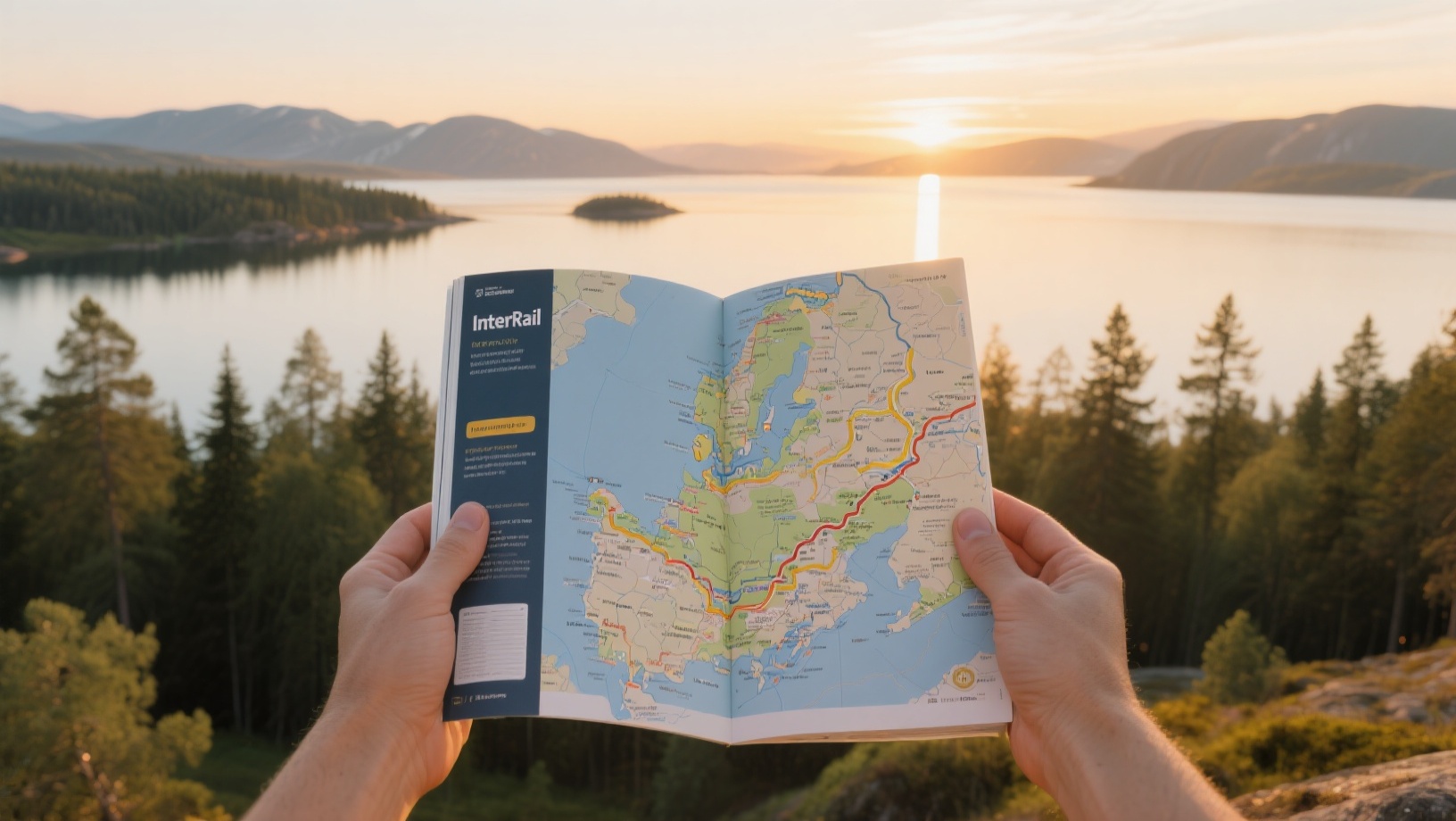
With the Interrail Global Pass you can travel through Scandinavia using fast long-distance connections between Copenhagen, Stockholm and Oslo. Do make sure you reserve your seats well in advance and schedule rest days for the best experience. Want to know how to organise this smartly?
The Interrail Global Pass for Scandinavia
The Interrail Pass gives you access to trains in 33 European countries, including Denmark, Sweden and Norway. You show the pass to the conductor via the app. For Scandinavia you choose the Global Pass, as this allows you to travel flexibly between countries. The pass covers operators such as SJ in Sweden, VY in Norway and Öresundståg in Denmark.
Note: the pass is not a completely free travel ticket. On most long-distance and high-speed trains you pay extra for compulsory seat reservations. These costs range from 3 to 11 euros per journey in second class. In Norway the costs are higher, up to 44 euros for first class on popular routes.
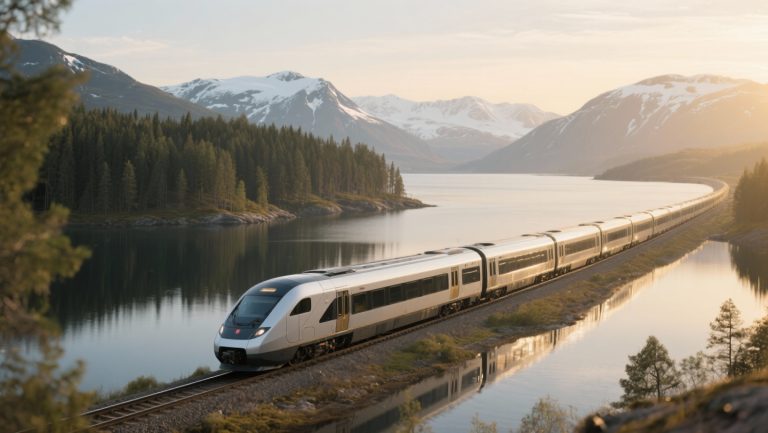
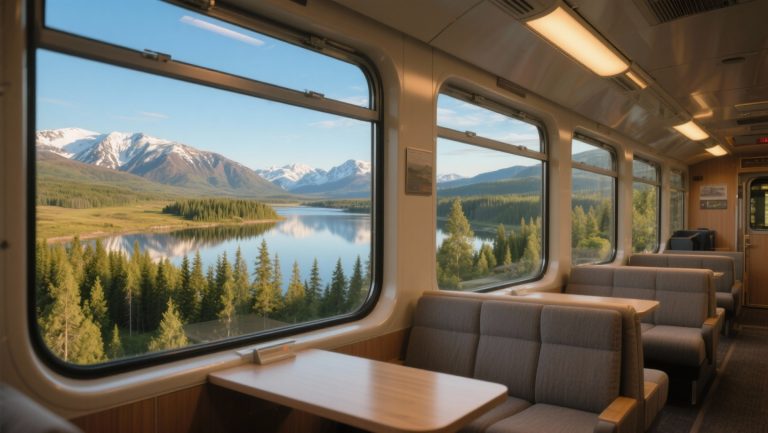
‘ The Bergen Line between Oslo and Bergen offers spectacular views along the fjords. ’
Which routes are covered by the high-speed lines
The Interrail Pass covers several high-speed lines in Scandinavia. The connection between Copenhagen and Stockholm with the X2000 takes around 5 hours and 15 minutes. For the Stockholm to Oslo route with the SJ high-speed train you should allow 5.5 hours. Both connections require a compulsory reservation of about 7 to 10 euros.
Snälltåget also offers a fast connection between Stockholm and Copenhagen in 5 hours and 50 minutes. Here too, a reservation is compulsory, at around 7 euros. These trains run at fixed times, so check the timetable in advance.
Special train routes through the north
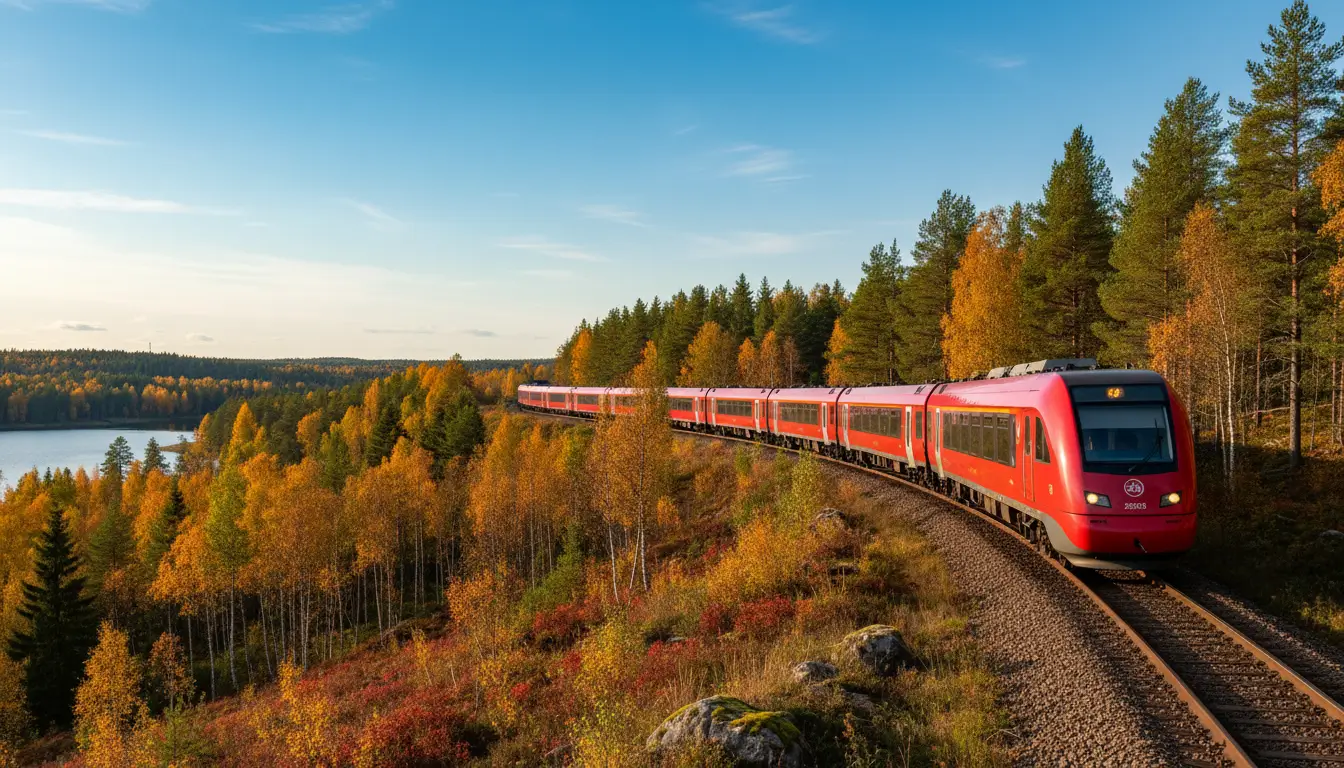
The Iron Ore Line (the iron ore line between Luleå and Narvik) is fully included in the pass. This route takes you all the way to the Arctic Circle and takes about 15 hours. You do not need an extra reservation. The Bergen Line between Oslo and Bergen offers spectacular views along the fjords. The journey takes around 7 hours, with reservation costs between 5 and 10 euros.
How to reserve train seats in Scandinavia
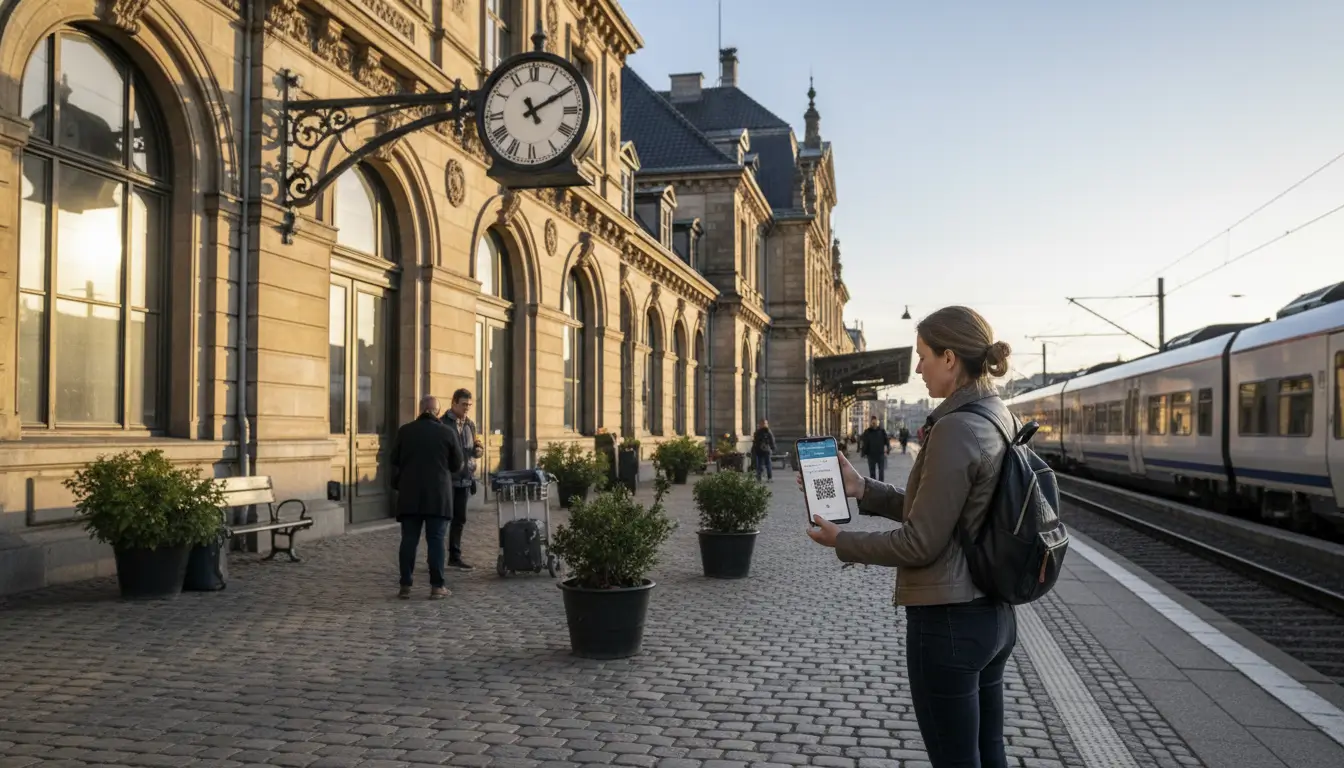
Reserve seats via different channels. The Interrail app offers direct reservation options for many trains. For Sweden you can also use the SJ app or website. For Norwegian trains you book via VY or Go-Ahead. Treinreiswinkel (Dutch specialist rail agency) can help with reservations when the app does not work.
Plan your reservations 2 to 3 months in advance. This is especially important in the summer months. Popular routes such as Oslo to Bergen sell out quickly. Booking later often means less choice in departure times or higher costs on some trains.
Reservation rules per country
- Sweden: Compulsory reservation on high-speed trains and night trains. Regional services usually do not require a reservation. Book via the SJ app.
- Norway: All long-distance trains between major cities require a reservation. Think of routes such as Oslo to Stavanger, Trondheim or Bergen. For night trains you pay 8 euros for a seat, or around 113 euros for a couchette.
- Denmark: Compulsory reservation on international connections to Hamburg and Stockholm during the high season (1 June to 1 September). The Öresundståg between Copenhagen and Malmö does not require reservations.
Why rest days improve your travel experience
Scandinavian train journeys are impressive, but also long. The route between Oslo and Bergen takes 7 hours, the one to Trondheim 6 to 8 hours. Plan rest days between long journeys to avoid fatigue. This also gives you time to explore the cities you travel through.
Rest days help with unexpected delays. In summer trains can be busier and routes sometimes run late. With extra days in your schedule you remain flexible and avoid stress. In addition, you save on night trains if you choose a hostel or hotel to recover.
‘ This train journey is not fully included as a ticket. ’
Best destinations for an Interrail through Scandinavia
Bergen is a top destination because of its access to the fjords. You can reach the city directly by train from Oslo. Flåm combines well with Bergen and offers a separate railway line, the Flåmsbana, which gives 30 per cent discount with your Interrail Pass. This train journey is not fully included as a ticket.
Stockholm works well as a central hub between Copenhagen and Norway. From Stockholm you can easily travel to Kiruna for the Arctic Circle and the Northern Lights. Gothenburg is conveniently located between Oslo and Copenhagen and makes a good stopover for those choosing the western route.
Copenhagen often serves as an entry point from Central Europe. From here you reach Malmö in 40 minutes with the Öresundståg, with no reservation required. Trondheim in Norway offers a nice alternative to the busier route to Bergen.
How much does an Interrail through Scandinavia cost
For a ten-day journey through three Scandinavian countries you pay between 200 and 300 euros for the Global Pass. Add 50 to 150 euros in reservation costs, depending on the routes and types of trains you choose. If you opt for more night trains, you pay more for couchettes but save on accommodation.
Travel outside the peak season. You will pay less overall. Reservation costs stay the same, but your pass can be cheaper in the low season. Solo or duo travellers are often cheaper off with Interrail than with a car. Petrol and toll roads for a family can easily add up to 750 euros.
What to watch out for when booking
- Activate your pass in the app at least one day before departure
- Check for each country which trains require reservations
- Book popular routes such as Oslo to Bergen early in the season
- Do not forget your ID, this is required during checks
- Pack your own snacks, food on board is often expensive
Discover more about train travel on Traveler Tips
On the Traveler Tips website you will find much more information about travelling by train, from routes without flying to luggage and travelling with children. Discover complete guides on preparation, ticket choice and night trains. Explore the site for everything you need to plan your trip properly.
Frequently asked questions
Start by deciding on your travel goals and how much time you have, then map out a logical loop, for example Copenhagen – Stockholm – Gothenburg – Oslo – Bergen – Oslo – back, so that you avoid big detours and travelling the same route twice. Combine long stretches with famous panoramic routes such as the Bergen Line and the Iron Ore Line (Luleå–Narvik), and wherever possible choose day trains for the scenery and 1–2 night trains to save time and overnight stays. Plan 2–3 months ahead for summer reservations (Oslo–Bergen, Stockholm–Oslo, night trains) and take into account compulsory seats on high-speed and long-distance trains. Build in rest days in places such as Stockholm, Bergen and the fjord region, so that you not only travel efficiently but also really experience the nature and the cities.
In addition to the Interrail pass you should budget for compulsory seat reservations on long-distance and night trains, which in Scandinavia can run up to around 3–44 euros per journey, depending on class and route. Also allow for higher prices for berths on night trains (from simple couchettes to more expensive private cabins). On top of this you will need a daily budget for accommodation (hostels/hotels or cabins), local transport (bus, metro, ferries) and food and drink, which are relatively expensive in Scandinavia. Finally, set aside some money for extras such as activities (fjord tours, museums), possible bike tickets and last-minute changes in case of delays.
Always reserve long-distance and night trains in Scandinavia well in advance (2–3 months in summer), because on popular routes such as Oslo–Bergen and Stockholm–Narvik seats and berths sell out quickly. Use the Interrail app or the websites of SJ (Sweden) and Vy/Go-Ahead (Norway) to make compulsory reservations and pay attention to the additional reservation costs per country. On night trains, choose preferably a couchette or sleeper for real rest, or a reserved seat as a budget option; night trains also save you a night’s accommodation. Take your own snacks and water, as catering on board is expensive and not always available throughout the night.
Plan transfers with at least a 15–20 minute margin, especially at small stations where platforms are further apart and assistance is less readily available. Limit your luggage to one large rucksack or suitcase and a small daypack so that your hands are free for stairs or narrow steps when boarding. Keep valuables, tickets and a light jumper in your daypack so you don’t have to get into your big suitcase during short transfers. Check in advance via the app whether stations have lifts/escalators and, if in doubt, move to the aisle shortly before arrival so that you can get off quickly and calmly.
In addition to Interrail, regional trains, buses and urban transport (metro, tram and local buses) are especially useful in Scandinavia for reaching places off the main lines. In Norway, fjord and express boats (for example along the coast and in the fjords around Bergen and Trondheim) are a great complement for seeing landscapes where there are no railway tracks. In Sweden, ferries to and between islands in the Stockholm archipelago are a beautiful addition, as are local boats on lakes in the interior. In Denmark you can combine Interrail well with short ferry services between islands and city bikes in Copenhagen.