NL
NL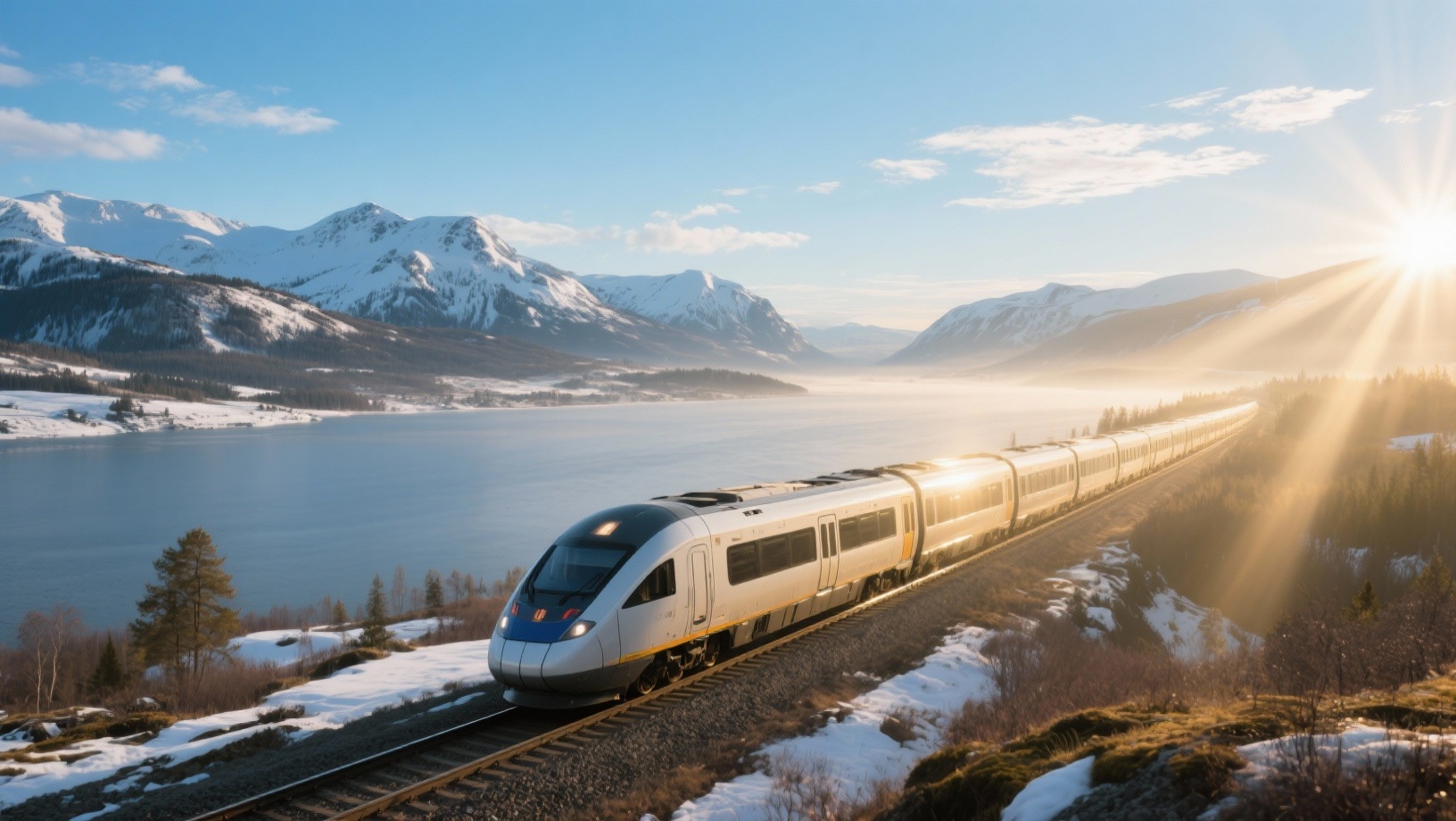
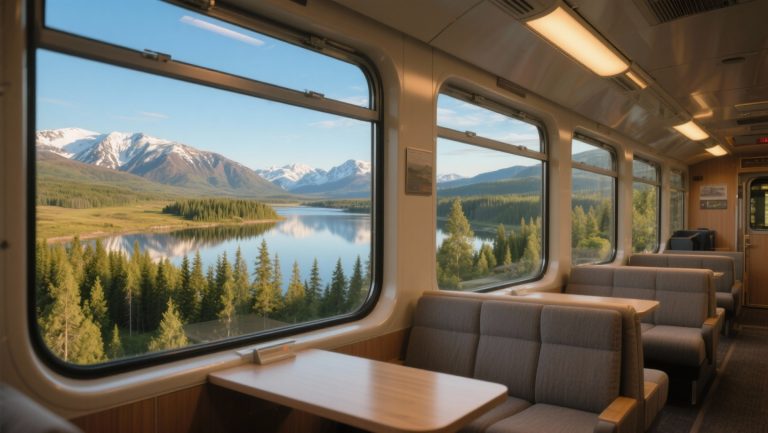
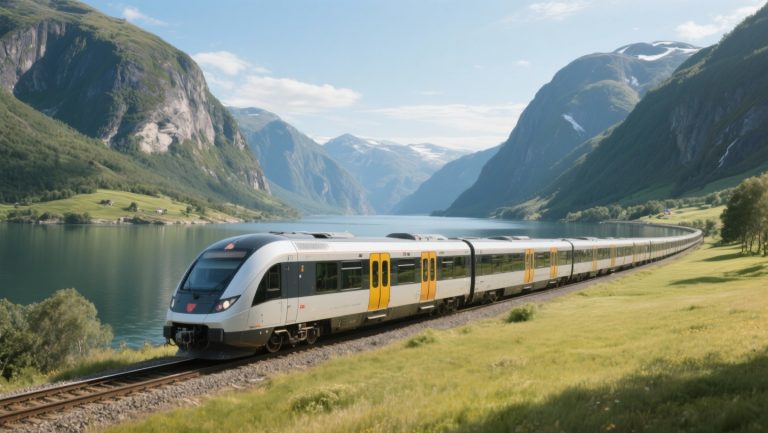
The real top sights along Scandinavian train routes are not the cities where you arrive, but the rugged nature you pass through on the way. From your train seat you’ll see fjords, plateaus and waterfalls glide past in a way that no other form of transport can match. Read on and discover which unforgettable views and stops you simply can’t miss.
Norway: a journey through fjords and mountains
Norway is known for its dramatic landscapes and some of the most spectacular train journeys in the world. The trains are modern and comfortable, and the routes are designed so that you can make the most of the scenery. The rail network connects the main cities, but the real value lies in the stretches that cut through the wilderness.
The Bergen Line: from capital to coastal gem
The train journey from Oslo to Bergen, known as the Bergen Line, is regarded as one of the most beautiful in the world. In around seven hours you travel from the lively capital to the historic port city of Bergen. The route takes you through highly varied landscapes. You start in the low-lying forests around Oslo and steadily climb higher. You pass through the Hallingdal valley and traditional villages such as Gol and Geilo, popular winter sports destinations.
The highlight of the journey is the crossing of the Hardangervidda, the largest mountain plateau in Europe. Here the train reaches its highest point at Finse, at 1,222 metres above sea level. The landscape here is barren, vast and you can even see snow lying around in summer. The views of the Hardangerjøkulen glacier are impressive. After the plateau the descent towards the fjord coast and the city of Bergen begins. A completely different landscape unfolds once again.
The Flåm Railway: a technical masterpiece with waterfalls
At Myrdal, a station on the Bergen Line route, you change onto the Flåm Railway. This short but steep line of just 20 kilometres is one of Norway’s most famous attractions. In about an hour you descend 865 metres to the village of Flåm. Flåm lies at the end of the Aurlandsfjord. The train passes through twenty tunnels, most of which were carved out by hand.
The Flåm Railway is an experience in itself. The train runs slowly, giving you plenty of time to admire the deep ravines, waterfalls and snow-capped peaks. A special stop is made at the Kjosfossen waterfall. Here the train stops for a few minutes. From a special platform you can experience the power of the water up close. Once in Flåm you continue your journey with a boat trip through the fjords. This boat trip is a perfect complement to the train journey.
Other Norwegian routes worth your while
Besides the well-known lines, Norway offers more special train journeys. The Rauma Line connects Dombås with Åndalsnes. This line is known for its views of Trollveggen, the highest vertical rock face in Europe, and the crossing of the Kylling Bridge. The Røros Line links Hamar with Trondheim. This route takes you to the historic mining town of Røros. Røros is on the UNESCO World Heritage List because of its well-preserved wooden buildings.
‘ This route shows how you can use public transport to reach places that would otherwise be harder to get to. ’
Sweden: culture and coastlines by rail
Sweden offers a different kind of train experience, with routes that often link cultural destinations and vast natural areas. The landscape is less mountainous than in Norway. Journeys through the forests, along the many lakes and the coast are, however, every bit as worthwhile.
The West Coast Line: art and the Bohuslän archipelago
From Gothenburg you travel north by train along Sweden’s west coast. An interesting day trip combines train and bus to the island of Tjörn. In about 40 minutes the train takes you to Stenungsund. There you transfer to a bus that takes you further onto the island. Here you will find two cultural highlights:
- Pilane Sculpture Park: An extensive park of eight hectares where you walk among prehistoric burial grounds and discover modern sculptures by international artists.
- Nordic Watercolour Museum: Located in the village of Skärhamn, right by the sea. This museum showcases high-quality watercolour art in a building with wonderful views over the water.
This route shows how you can use public transport to reach places that would otherwise be harder to get to. The route is ideal for independent travellers who want to combine culture and nature.
Travelling back in time on a steam train
For a historical experience, take a ride on the narrow-gauge Museijärnvägen from the Stockholm area. This steam train runs in the summer months between Mariefred and Taxinge. The route is not long, but the experience is unique. From the old carriages you watch the landscape slowly glide by. The highlight is the view of the imposing Gripsholm Castle on Lake Mälaren.
Practical tips for your Scandinavian train journey
Good preparation will make your train journey through Scandinavia more comfortable and enjoyable. The trains are high quality, but it pays to take a few things into account.
- Book your tickets in advance: Especially for popular routes such as the Bergen Line and the Flåm Railway it is wise to reserve your seats well ahead of time. You can do this online via the websites of the national railway companies, such as Vy in Norway and SJ in Sweden.
- Choose the right season: Summer (June to August) offers long days with lots of daylight, allowing you to fully enjoy the views. The winter months have their own charm with snowy landscapes. Do bear in mind, however, that some routes have a more limited timetable.
- Consider a rail pass: If you plan to travel several and longer stretches, an Interrail pass is a flexible and cost-effective option.
- Pack smart: The weather in the mountains can change quickly. Dress in layers so you’re prepared for different temperatures, even during a single train journey.
The train is an ideal way to experience the diversity of Scandinavia, from Norway’s deep fjords to Sweden’s gently rolling coastline. On the Traveler Tips website you’ll find much more information about planning your trip, including detailed route descriptions and tips for stops along the way. Discover more and get ready for an unforgettable journey through the north.
Frequently asked questions
The Bergen Line (Oslo – Bergen) and the Flåm Railway in Norway offer spectacular views of glaciers, fjords and waterfalls, featuring the steepest railway in the world. The Rauma Line in Norway showcases Europe’s highest rock face, Trollveggen. In Sweden, the West Coast Line (Gothenburg – Tjörn) is recommended for its coastal scenery and sculpture parks. These routes provide direct access to unique natural and cultural attractions.
To plan a comfortable and efficient train journey past cultural and historical sites in Scandinavia, focus on iconic routes such as Norway’s Bergen Line and Flåm Railway and Sweden’s West Coast Line. Book seats early via Vy.no (Norway) or SJ.se (Sweden), consider a rail pass, and travel preferably in the summer months for the best weather and daylight. Combine train journeys with boat trips to see the fjords and be prepared for changeable weather conditions.
When organising a train journey along Scandinavian highlights, there are a few important aspects to consider regarding costs and passes. A return trip on the Flåm Railway, for example, costs around €50, and you could consider buying a rail pass such as “Norway in a Nutshell”. It is advisable to book seats early via Vy.no for Norwegian routes and SJ.se for Swedish routes. The document does not mention specific “hidden costs”, but it is always sensible to allow for extra expenses for food, drinks and any activities during stopovers.
Travellers who want to make their Scandinavian train journeys more unique can consider lesser-known stops such as the UNESCO-listed mining town of Røros in Norway, known for its wooden buildings and church. In Sweden, the West Coast Line offers stops such as the Pilane Sculpture Park and the Nordic Watercolour Museum on the island of Tjörn. The Museijärnvägen steam train past Gripsholm Castle is also a unique, historical experience. For more adventurous travellers, combining train journeys with walks or kayaking at stops will add depth to the trip.
Make the most of your train journey through Scandinavia by combining routes such as the Bergen Line and the Flåm Railway with short hikes at sights such as the Kjosfossen waterfall or Romsdalseggen. Get off at places like Myrdal or Åndalsnes for a walk, or cycle along the Rallarvegen. Plan your trip in summer for the best weather and daylight, and consider a rail pass for added flexibility.