 NL
NL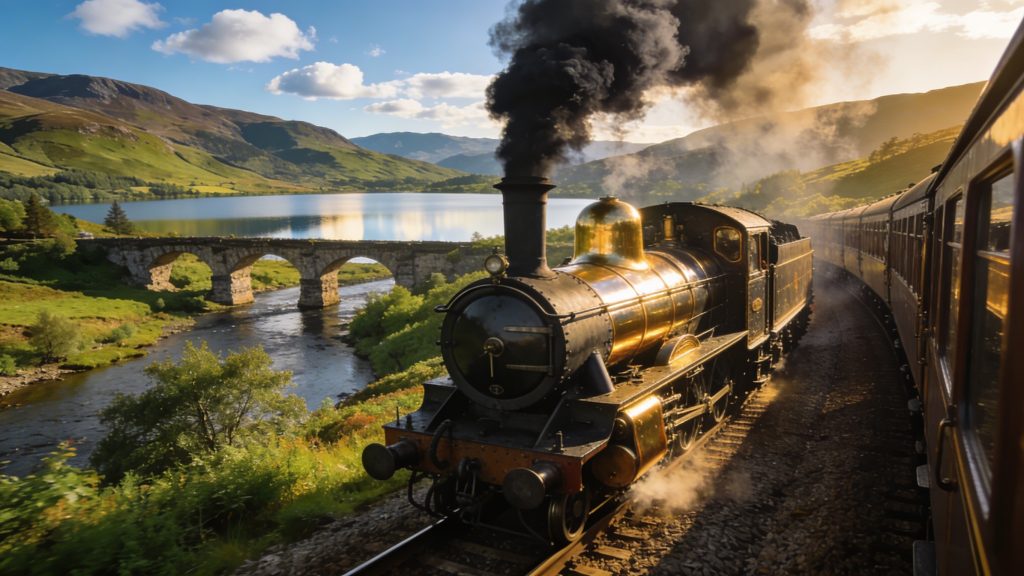
A train journey to Scotland takes you by rail through rolling hills, past mystical lochs and through the rugged Highlands, while you travel comfortably from the Netherlands via London to Edinburgh. Within 10 to 12 hours you step out into the Scottish capital, ready to discover iconic routes such as the West Highland Line and the Caledonian Sleeper. The train offers a sustainable and comfortable alternative to flying.
From the Netherlands to Scotland by train
The journey to Scotland starts in the Netherlands with a connection to London. From there you take the train to Edinburgh or Glasgow, depending on your route. The most comfortable option is to combine the Eurostar to London with a direct train on towards Scotland via Newcastle.
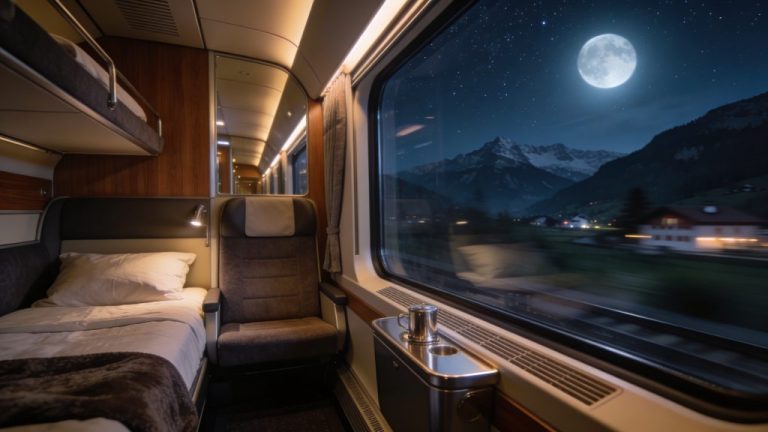
You can also opt for the Caledonian Sleeper, an overnight train that departs from London to Edinburgh, Inverness or Fort William. This sleeper-cabin train saves you a hotel night and takes you straight to the Highlands. The journey takes around 7 to 8 hours and offers berths, shower facilities and breakfast on board.
For those who want to travel flexibly, an Interrail pass is a smart choice. It allows you to travel unlimited throughout Scotland and Europe. Scotland offers rail holiday destinations in Europe that are ideal for travellers who like to plan but don’t want to be tied to fixed times or routes.
‘ The combination of mountains, lochs and unspoilt nature makes every journey an experience in itself. ’
Best train routes through the Scottish Highlands
The train routes through Scotland are among the most beautiful railway lines in the world. The combination of mountains, lochs and unspoilt nature makes every journey an experience in itself.
West Highland Line: from Glasgow to Mallaig
The West Highland Line is the best-known route and takes you from Glasgow via Fort William to Mallaig. Along the way you cross the Glenfinnan Viaduct, the famous 21-arch railway viaduct from the Harry Potter films. Corrour railway station lies at an altitude of 408 metres and is the highest station in the United Kingdom. The journey takes around 5.5 hours and offers views over Rannoch Moor, an extensive upland bog.
Ferries to the Scottish isles, including Skye, depart from Mallaig. This route is ideal for those who want to combine the Highlands with visiting the islands.
Edinburgh to Inverness via the Forth Bridge
The route from Edinburgh to Inverness takes you directly past the red Forth Bridge, a UNESCO World Heritage Site since 2015. This bridge contains ten times more steel than the Eiffel Tower. The train heads north through rolling hills and brings you to Inverness, the capital of the Highlands, in 3 to 4 hours.
From Inverness you can travel on to Kyle of Lochalsh for dramatic coastal and mountain views, or take a boat trip on Loch Ness.
Kyle of Lochalsh Line: from Inverness to the west coast
This route takes you from Inverness to Kyle of Lochalsh, the gateway to the Isle of Skye. The line runs through remote areas with little development and offers views of wild nature, mountain ranges and peninsulas. The journey takes around 2.5 hours.
Practical tips for your train journey to Scotland
A train journey to Scotland requires some preparation. Most routes have limited services, especially in winter. Plan your travel days carefully and book in advance where necessary.
When to travel to Scotland
The best period for a train journey is from April to October. In these months there is more daylight and the weather is more stable. Trains are busier in summer, especially in July and August during the festival season in Edinburgh. Winter brings less daylight and a higher risk of delays due to bad weather on single-track sections.
For those who want to see the Northern Lights, October to March is suitable. The chance of seeing the Northern Lights is greatest in the north of Scotland, such as around Inverness and the Orkney Islands. Bear in mind that trains depart earlier and run less frequently in winter.
Tickets and reservations
For the West Highland Line and other Highland lines it is wise to reserve seats, especially in high season. You can do this via the ScotRail app or when booking your ticket. Interrail pass holders can reserve for free, but this must be done in advance.
The Jacobite Steam Train, a historic steam train that runs over the Glenfinnan Viaduct, requires early booking. Reserve at least 6 months ahead, as this train sells out quickly.
A Spirit of Scotland Pass offers unlimited regional train travel in Scotland for 4 or 8 days. This is cost-effective if you want to combine several routes without being tied to individual tickets.
What to take with you
The weather in Scotland is changeable. A waterproof jacket is essential, even in summer. Rain can appear suddenly, especially in the Highlands. Sturdy shoes are useful if you want to go for a walk during stops.
- Waterproof jacket and waterproof trousers
- Sturdy walking boots
- Binoculars for wildlife such as deer and eagles
- Power bank for long journeys without sockets
- Picnic or snacks, as not all trains have catering
Travellers recommend wiping the train windows for better photos in rainy weather. A small cloth in your bag can help with this.
Sights in Edinburgh and the Highlands
Edinburgh is often the starting point or end destination of your train journey. The city combines history with modern culture and offers several days’ worth of activities.
Edinburgh: start or end point of your journey
Edinburgh Castle sits on Castle Rock and is Scotland’s most visited monument. From the Royal Mile you walk through the Old Town with shops, pubs and whisky tastings. The Scotch Whisky Experience provides an introduction to the production of Scottish whisky.
Plan at least 2 days in Edinburgh to explore the city before or after visiting the Highlands.
Highlands: nature and photo opportunities
The West Highland Line offers the best light for photos in the morning. The sun is still low and casts shadows across the mountains and lochs. Loch Lomond and the Glencoe valley are popular stops for walks.
From Fort William you can hike to Ben Nevis, the highest mountain in the United Kingdom. From Mallaig ferries depart to the Isle of Skye, known for its dramatic coastlines and the Cuillin mountains.
Boat trips on Loch Ness depart from Inverness and combine well with a train journey. Some tours stop at Urquhart Castle, a ruin on the shore of the loch.
‘ Travelling by train significantly reduces your CO2 emissions compared with flying. ’
Costs and sustainability of your train journey
A 9 to 10 day train journey to Scotland costs from 1,500 euros per person, including train tickets and accommodation. The price depends on whether you choose hostels, hotels or sleeper cabins on the Caledonian Sleeper.
Travelling by train significantly reduces your CO2 emissions compared with flying. For those who consciously choose sustainable travel, the train is an obvious option. You also avoid crowded airports and enjoy the scenery along the way.

Discover more about train journeys on Traveler Tips
On the Traveler Tips website you will find extensive information on other train routes, practical tips for planning your trip and inspiration for destinations all over Europe. Whether you are looking for weekend breaks or longer journeys, there is always a route to suit you. Discover what Traveler Tips can do for you and plan your next adventure by train.
Frequently asked questions
Plan your route as a round trip: Edinburgh → Inverness (via the Forth Bridge) → Fort William → Glenfinnan/Mallaig → Glasgow → back to Edinburgh, so that you experience both the Highlands and the city. Take the Edinburgh–Inverness line for comfort and views of hills and Loch Ness, and combine it with the West Highland Line (Fort William–Mallaig) for the most spectacular landscapes. Reserve seats and, if desired, the Jacobite Steam Train well in advance, and plan at least 6 days with extra nights in Edinburgh for a relaxed pace. Ideally use a Spirit of Scotland Pass or Interrail for flexibility and easy transfers.
The Spirit of Scotland Travelpass is usually the most cost-effective and smartest for a round trip, because it allows you to travel unlimited on most trains, buses and some ferries in Scotland for 4 to 8 days. If you are travelling through multiple countries (for example the Netherlands–London–Scotland), an Interrail Global Pass is often better value and more flexible than separate tickets. For pure luxury or a special experience the Belmond Royal Scotsman is an option, but it is considerably more expensive and less suitable if you are on a budget. On busy routes (such as the West Highland Line and Jacobite Steam Train) always book early, regardless of which pass you choose.
The most panoramic and iconic routes are the West Highland Line (Glasgow/Oban–Fort William–Glenfinnan–Mallaig), the journey Edinburgh–Inverness over the Forth Bridge and along Loch Ness, and the Kyle of Lochalsh Line from Inverness. For maximum experience, plan a round trip Edinburgh–Inverness–Fort William–Glenfinnan–Mallaig–Glasgow–Edinburgh, with enough time to get off and walk along the way. Where possible, include the Jacobite Steam Train over the Glenfinnan Viaduct and combine Mallaig with an island excursion (e.g. Skye). Travel ideally between April and October, reserve window seats well in advance and add extra days in Edinburgh or Glasgow for flexibility.
Combine the longer stretches by train (for example Edinburgh–Inverness and the West Highland Line) with local buses, taxis or small tours to head deeper into the Highlands from smaller stations. Get off in less touristy places such as small villages along the West Highland Line and take local buses from there to walking routes, lochs and valleys. Use a regional pass (such as the Spirit of Scotland Pass) for flexible train and bus journeys, and plan extra time in places like Fort William or Inverness to take day trips. Ask for tips in village cafés or at B&Bs; locals will often point you to lesser-known viewpoints and walking paths.
Take a waterproof jacket, layered clothing, sturdy shoes, a power bank and, if you like, binoculars so that you are comfortable and flexible in changeable weather and on long travel days. Reserve seats in good time on popular Highland routes and, where possible, use passes such as the Spirit of Scotland Pass for convenience and cost control. Travel preferably between April and October, allow generous transfer times and download the ScotRail app for up-to-date travel information. Bring your own snacks and drinks, as there is no catering on some routes or the choice is limited.