NL
NL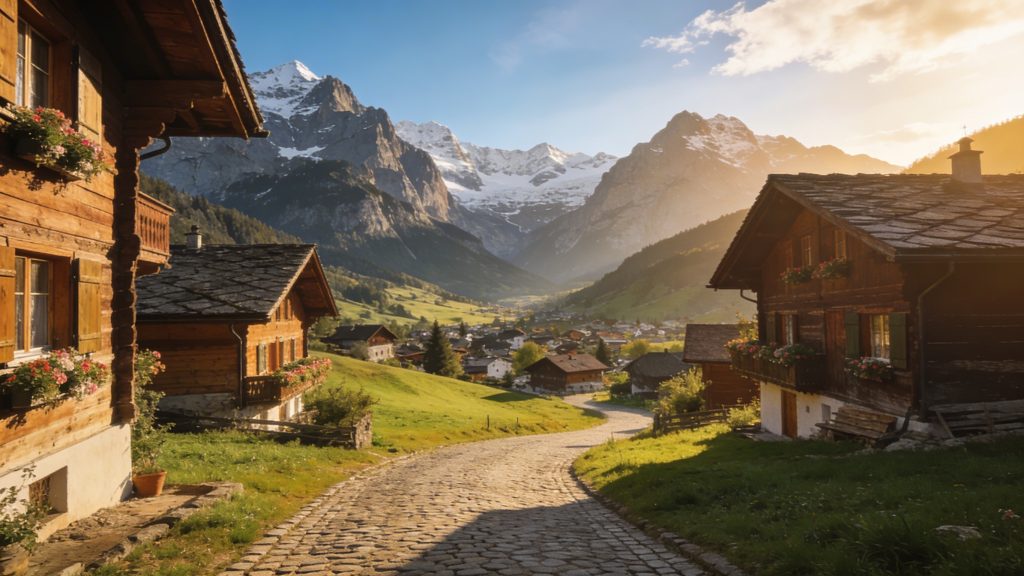
The most unforgettable Alpine experiences are not found in well-known ski resorts, but in forgotten villages where cows take up more space than tourists. Discovering peaceful Alpine villages means walking from your front door straight into alpine meadows. You listen to streams instead of cable car engines. You stay in small guesthouses where local dishes are served. These villages are often located in protected valleys or biosphere reserves, without large resorts or through roads. Perfect for anyone who consciously chooses a nature holiday with real tranquillity. Read on for specific destinations and practical planning tips.
Why choose authentic Alpine destinations
Authentic Alpine villages offer silence, space and direct access to unspoilt nature. Busy ski resorts do not. In the morning, you step outside and are on walking paths within ten minutes. These paths lead to mountain lakes, chapels and viewpoints with vistas of peaks above 3,000 metres. Many of these villages are in national parks or UNESCO areas. Strict nature regulations prevent mass development there. The result: open alpine meadows full of flowers, traditional wooden chalets and evenings when you hear nothing but birds and church bells. These places are ideal for travellers who organise their own Alpine holidays. Careful planning in advance really pays off here.
The benefits go beyond peace and quiet. In these villages you meet local mountain farmers. You taste homemade cheese in mountain huts. You hike routes without queues at the cable car lift. Accommodation is small-scale. Think of guesthouses with wellness facilities, apartments with views of the fields, or holiday homes on working farms. Prices are often lower than in large resorts, and you support local businesses directly. You can make multi-day hikes with luggage transport. That way you travel comfortably from village to village. You do not have to carry a heavy rucksack.
Quiet villages by Alpine country for your road trip
Each Alpine region has its own characteristics. Austria offers classic charm with wooden houses full of flowers. Switzerland combines car-free plateaus with dramatic panoramas. Italy serves outstanding culinary experiences in mountain huts. France shows rugged nature in lesser-known valleys. Below you will find concrete examples of villages. These villages meet the criteria: very little tourist traffic, direct access to nature and an authentic mountain culture.
Austria
- Innervillgraten (East Tyrol): A biosphere area without resorts, with routes to the Oberstalleralm and Toblacher Pfannhorn. Here you experience pure mountain silence.
- Filzmoos (Salzburg region): Quiet valley with wooden chalets and working farms, ideal for easy walks between the fields.
- Alpbach (Tyrol): Small village with flowers on every balcony, surrounded by green mountains and free from mass tourism.
- Gramais, Kaisers and Hinterhornbach (Tyrol): Remote valleys where you only meet other walkers on alpine hikes.
Switzerland
- Mürren: Car-free plateau at 1,650 metres with head-on views of the Jungfrau, Eiger and Mönch. Reachable by gondola or train, which adds to the sense of adventure.
- Guarda and Bivio (Graubünden): Open alpine meadows without through routes, where you can walk for kilometres in silence.
Italy
- Valle Maira (Piedmont): Unspoilt valley with chapels, hut-to-hut hikes and local dishes in mountain huts. Less well-known than other Italian Alpine areas.
- Brenta Dolomites (Trentino): Rugged peaks, turquoise lakes and flower-filled meadows. This region is quieter than the classic Dolomites around Cortina.
Germany
- Balderschwang, Gunzesried and Schleching (Bavaria): Small villages with fresh air, quiet evenings and high-level hikes without car traffic.
France
- Villar-d’Arêne and Arvieux (Hautes-Alpes), Bessans (Savoie): Quiet valleys with challenging hiking routes and an authentic Savoyard atmosphere. Some accommodation offers wellness facilities after a long day of walking.
Accessibility and transport choices
Most peaceful Alpine villages are deliberately remote. You have to plan carefully how to get there. By car you drive via secondary roads over mountain passes. That takes time. Along the way you are rewarded with magnificent views. Make sure your car is suitable for winding mountain roads and check whether you need a vignette or toll vignette. In Switzerland, Austria and Slovenia a vignette is compulsory on motorways. For some villages such as Mürren, cars are not allowed. In that case, park your car in the valley. Continue your journey by cable car or mountain train.
Travelling by train is a sustainable alternative. It is often comfortable. Many Alpine villages have rail connections from larger cities. After that, there is usually a short bus ride. In Switzerland and Austria, public transport works excellently. Day passes there cover buses, trains and sometimes gondolas. Plan your route in advance via regional transport websites or apps. Do you want to take a peaceful Alpine villages road trip? Then combine 3 to 5 villages in different countries. That way, you experience a variety of Alpine landscapes without the hectic pace.
Walking and activities along the way
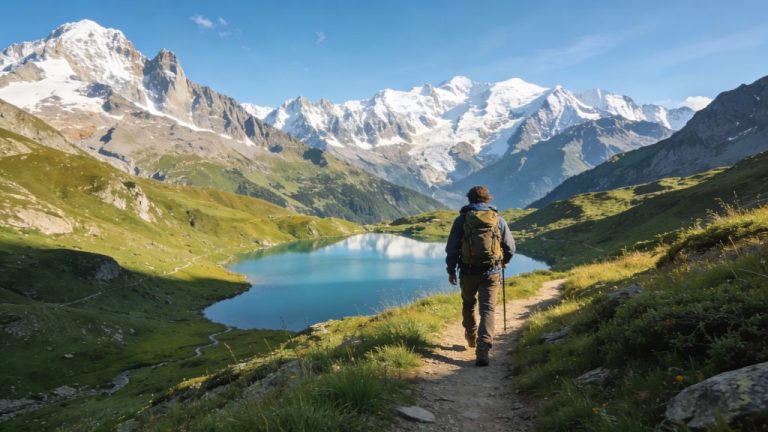
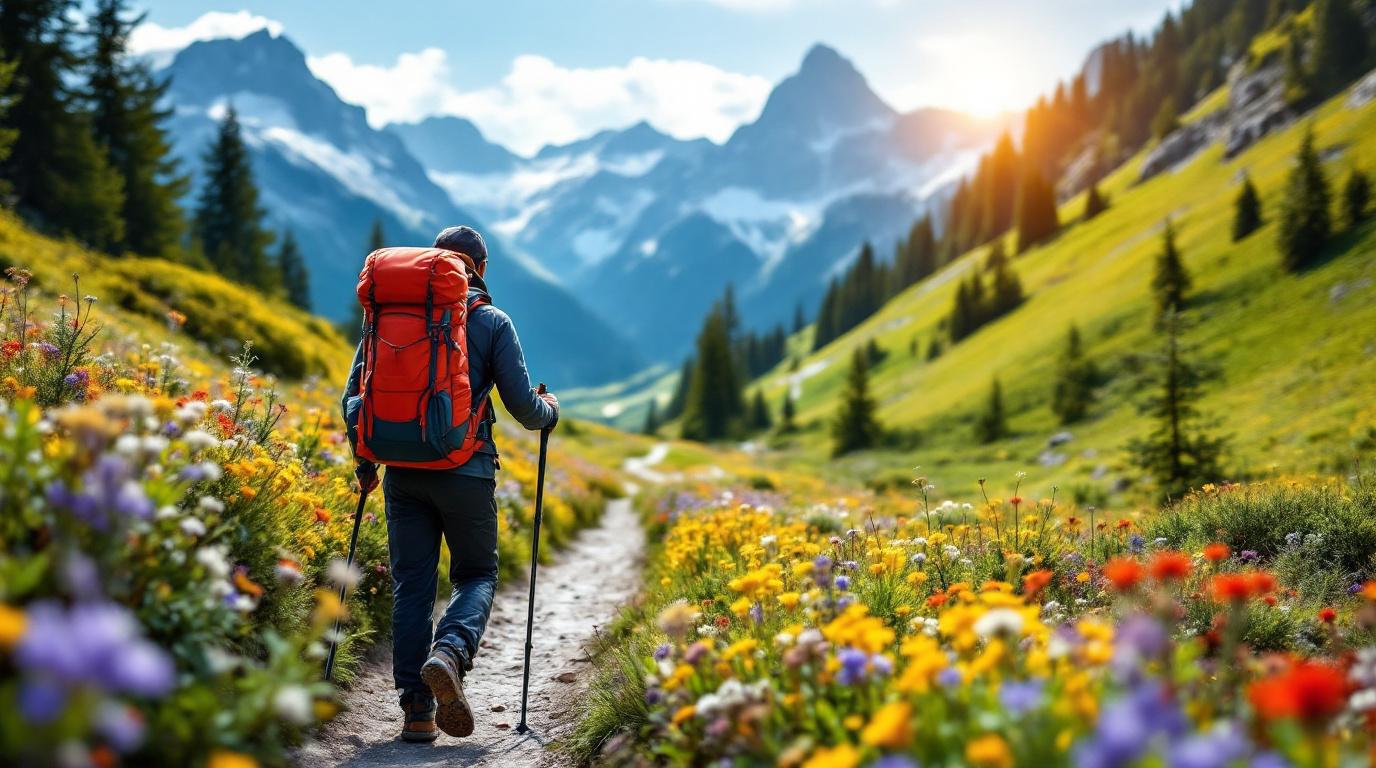
Walking is the main activity in these villages. There are routes for every level. Beginners start with alpine meadow walks of 2 to 4 hours to mountain huts. There you drink coffee and try local dishes such as Käsespätzle (a pasta dish with cheese) or polenta. These routes are well signposted and do not require technical skills. For more experienced walkers there are multi-day hut-to-hut hikes. You then walk from mountain hut to mountain hut. Many providers arrange luggage transport. You only carry a daypack.
The best time for walking is June to September. In June the alpine meadows are in full bloom. July and August usually offer the most stable weather. In September the peaks are often already snow-covered, while the valleys are still warm. Always bring layered clothing. The weather can change quickly in the mountains. Walking boots with sturdy soles are essential, even on easy routes. Avoid peak holiday weeks in July and August if you are looking for maximum peace and quiet; early June and September are quieter.
Besides walking there are other activities. In many villages you can cycle on mountain biking routes. You can swim in mountain lakes or in swimming pools at your accommodation. You can take part in local festivals with alphorns and traditional costume. In protected areas there are nature regulations. Stay on the paths. Take your rubbish with you and do not disturb wildlife. These rules help to preserve the peace and nature.
‘ Prices are reasonable, especially compared with major ski resorts. ’
Accommodation and stay tips
Accommodation in peaceful Alpine villages is small-scale. They are often family-run businesses. Choose from bed and breakfast guesthouses, self-catering apartments with kitchens, or holiday homes on farms. At those farms you can buy fresh milk and cheese. Many guesthouses offer free access to a sauna or swimming pool. That is ideal after a day of walking. Book early, especially for June and September, because the number of rooms is limited.
Pay attention to the location when choosing. Do you want to start directly on a walking path? Or do you prefer a central location in the village? Some accommodation is located on alpine meadows above the village. That gives extra peace and quiet, but you do have to walk or drive a bit further. Check whether there is parking if you are coming by car. Many owners speak German, Italian or French; basic English is usually no problem.
You can eat in the guesthouse, in your apartment, or in small restaurants and mountain huts. The food is traditional. Think of farmhouse soups, mountain cheese, bacon and fresh dishes with vegetables from the region. Prices are reasonable, especially compared with major ski resorts. Support local farmers. Buy products at weekly markets or directly from the farm.
Thoughtful and smart planning
You want to get the most out of your trip to peaceful Alpine villages. Plan your route around 3 to 5 villages in different countries. Combine Austria’s wooden charm, Italy’s turquoise lakes and France’s rugged high mountains in one trip. Allow 2 to 3 nights per village. That gives you time for several walks and for rest between travel days.
Bring maps or walking apps that work offline. Internet connections in remote valleys are often weak. Download routes in advance. Check the weather daily. Some villages do not have a cash machine. Take cash with you. Note down the nearest hospital or GP in case you need medical help. That is especially important on multi-day hikes.
Ideally, travel by train. This reduces your CO2 emissions. Many Alpine countries encourage train travel with good connections and day passes. Still going by car? Then consider car sharing. Otherwise, choose a fuel-efficient vehicle. Respect nature regulations in protected areas. These villages remain peaceful thanks to strict rules. Conscious visitors help to keep it that way.
On the Traveler Tips website you will find more information. Think of Alpine routes, preparation for mountain trips, packing tips for walking holidays and overviews of nature reserves in Europe. Discover more practical guides and plan your next trip with reliable, in-depth tips that help you travel smarter and more responsibly.
Frequently asked questions
Innervillgraten in East Tyrol, Alpbach in Tyrol and Filzmoos in the Salzburg region are quiet, authentic Alpine villages that are easy to reach by car and often also by train/bus connections. In Switzerland, car-free or low-traffic villages such as Mürren and Guarda are ideal for travellers arriving by public transport who are looking for a genuine mountain-village atmosphere. In Italy, the remote Valle Maira (Piedmont) offers a very authentic experience, reachable by car and regional buses. In France, villages such as Villar-d’Arêne and Arvieux in the Hautes-Alpes count as quiet, characterful places far from mass tourism.
For a comfortable, memorable journey, choose quiet panoramic routes instead of the fastest motorways: for example via the German Alpine Road (D) to Alpbach or Innervillgraten (AT), or via the Gotthard or Lötschberg route (CH) to car-free villages such as Mürren or quiet spots in Graubünden. Plan “stops” in small-scale valleys with village squares, short alpine walks and viewpoints (e.g. Filzmoos, Balderschwang, Valle Maira) so that the journey itself already feels like a holiday. Check toll vignettes for Austria/Switzerland and toll booths in Italy/France in advance, and buy vignettes online or just across the border to avoid stress. Be aware of low-emission zones in German and French cities: drive around them or park at a park-and-ride outside the zone so you avoid fines and can continue your journey to the villages in a relaxed way.
In these villages, choose small-scale guesthouses, authentic gasthofs, mountain hotels in chalet style and holiday homes in renovated farmhouses, often with wooden balconies, views of alpine meadows and sometimes a small sauna or wellness area. For a relaxed and authentic Alpine experience, traditional mountain huts, village inns and simple local restaurants are ideal, serving regional dishes such as Käsespätzle, dumplings, polenta and homemade cakes. In Italian and French valleys you will also find agriturismi and gîtes, where you usually eat what the farmer or host family produces themselves. Car-free or very quiet villages often have huts and alpine restaurants that you can only reach on foot or with a simple lift, which further enhances the peaceful atmosphere.
In these peaceful Alpine villages, it is all about small-scale activities such as walks to alpine meadows and mountain huts, hut-to-hut treks, swimming in small mountain lakes and wildlife watching in national parks or biosphere reserves. You will find sights such as old chapels, traditional farms, flower-filled alpine meadows and authentic village centres with wooden chalets and small churches. You can also taste local products at farms, markets and inns and sometimes experience small village festivals or alphorn concerts. Together, this combination of nature, culture and local cuisine offers a much deeper experience than the well-known tourist hotspots.
Choose a peaceful Alpine village without large ski resorts (such as Innervillgraten, Alpbach or Guarda) and travel outside the high season; stay in a simple guesthouse or apartment with a kitchen so you can cook for yourself and keep costs down. Prepare with a shopping list and basic gear from home (easily combined layers, waterproof jacket, reusable bottle, snacks), so that in the village you only need to buy fresh produce and specialities. Shop locally at the bakery, cheesemonger and small supermarket instead of eating in tourist restaurants for every meal; ask your host where the locals themselves do their shopping. Use free or low-cost activities such as walks to alpine meadows and lakes, strolls around the village and local events instead of expensive cable cars and organised excursions.