 NL
NL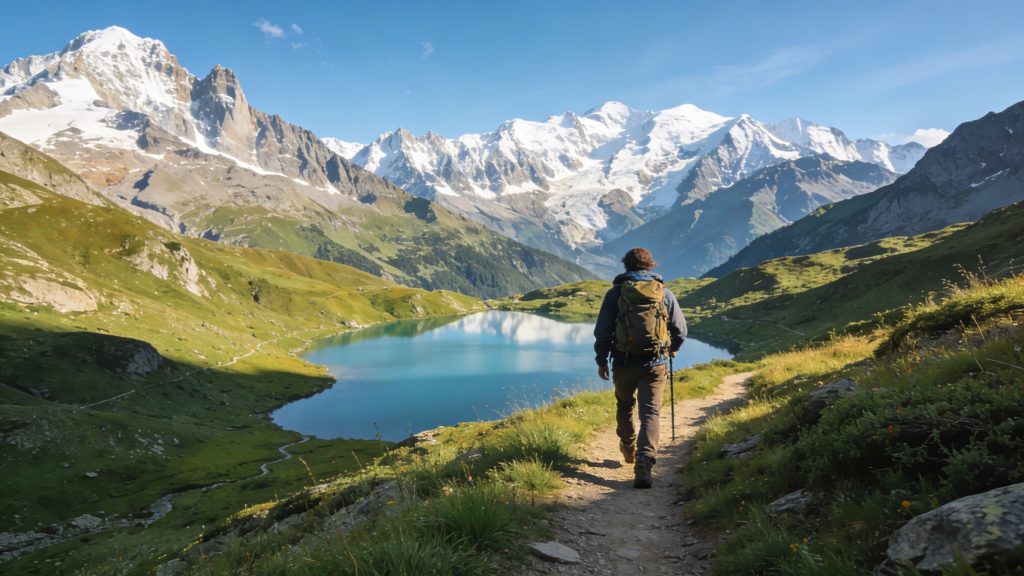
The French Alps offer a wide range of possibilities in summer. From mountain biking over legendary passes to paragliding with views of glaciers, from wine routes through green valleys to culinary discoveries in historic cities such as Chambéry. This region combines active outdoor pursuits with cultural depth and gastronomic traditions. Ideal for travellers who consciously plan their Alps holidays and are looking for a varied summer break. Read on for practical routes, activities and tasty discoveries.
Mountain biking on iconic passes
The French Alps are a paradise for mountain bikers and road cyclists. The region gives access to world-famous Tour de France passes that are car-free for cyclists on a regular basis in summer. Col du Galibier, at 2,642 metres, is one of the most challenging climbs, with an average gradient of 6.9 per cent over 34.8 kilometres from Saint-Michel-de-Maurienne. The route leads past rolling alpine meadows and bare rock formations with panoramic views over the Maurienne valley.
Alongside Col du Galibier, Col d’Izoard and Col de Vars offer similar challenges. These passes lie in the Savoie region and are easily accessible for travellers driving from the Netherlands by car or campervan. The climbs require good fitness and preparation, but reward you with unique views and a strong sense of achievement. E-bikes make the routes more accessible for cyclists with fewer training hours.
For mountain bikers who enjoy technical challenges, ski resorts such as Les Deux Alpes and the Champsaur valley offer downhill routes through forests and over alpine trails. These routes range from green runs for beginners to black trails for advanced riders. Luggage transfer and guides are available via local tour operators, which simplifies planning.
‘ “These flights last on average 15 to 30 minutes and require no experience.” ’
Paragliding above the alpine valleys
Paragliding gives you a bird’s-eye view of the massive peaks, green valleys and glacier areas of the French Alps. Tandem flights are available in popular locations such as Chamonix and the Champsaur valley. These flights last on average 15 to 30 minutes and require no experience. An instructor takes care of the controls while you enjoy the view.
Chamonix offers flights with views of Mont Blanc and the Mer de Glace glacier. The Champsaur valley is quieter and is characterised by green slopes and traditional mountain villages. Both locations have professional flying schools with certified instructors. Weather conditions determine whether flights can take place, so flexibility in your planning is useful.
For those who want more control, courses are available to learn to paraglide independently. These courses last several days and combine theory with practical lessons at lower altitudes. The required equipment is provided by the flying schools.
Wine routes and cycle tours through the valleys
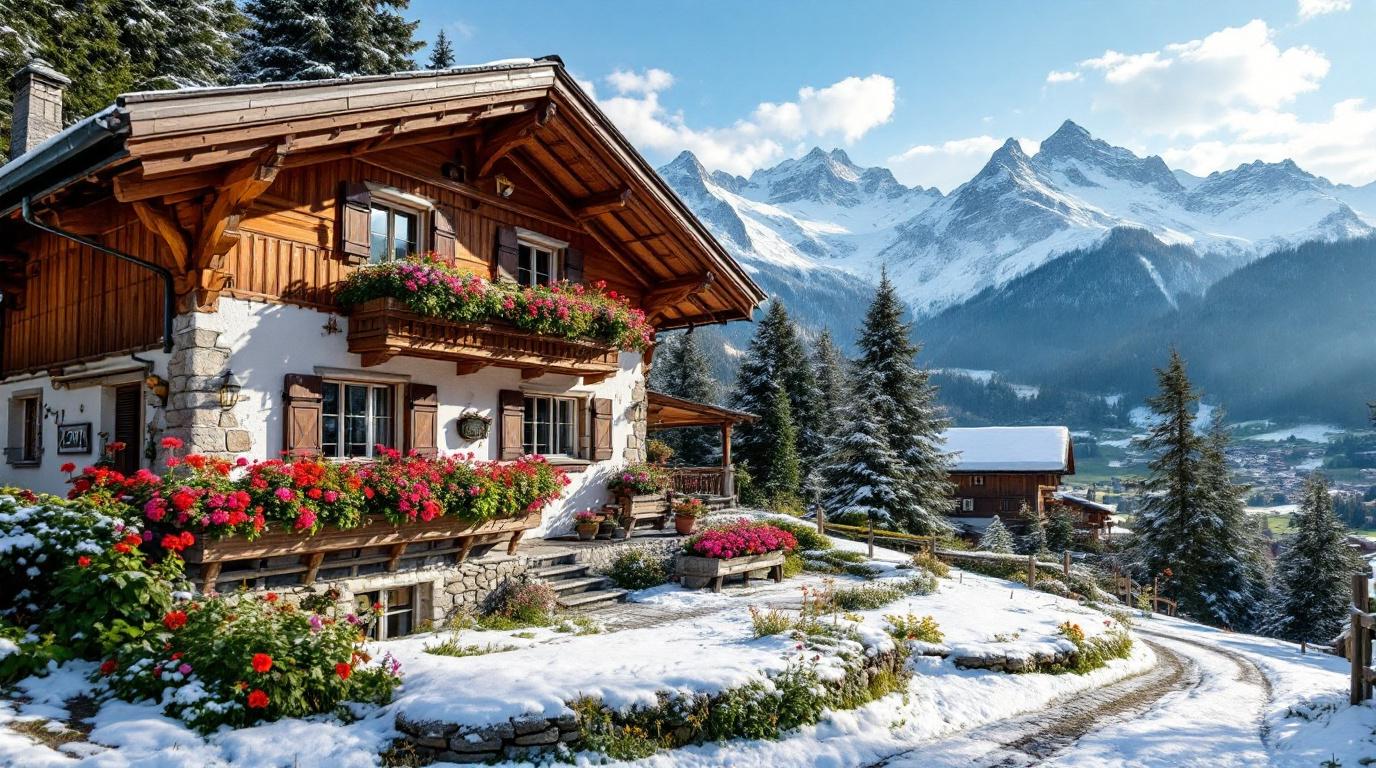
The French Alps are known not only for their mountains, but also for their wine production. The Savoie region produces white wines such as Apremont and Abymes, made from the Jacquère grape, and red wines such as Mondeuse. These wines have a light, fresh taste that pairs well with alpine cuisine.
Wine routes through the valleys combine cycling with tastings at small domaines and cooperatives. A popular route starts in Chambéry and leads along vineyards in the Combe de Savoie towards Albertville. This route is around 40 kilometres long and mostly flat, making it suitable for recreational cyclists. Along the way you can visit wineries where you learn about production and terroir.
Chambéry itself is a historic city with narrow streets, a 14th-century castle and a lively centre with terraces and boutiques. The city serves as a base for wine tours and is an hour’s drive from Geneva. From the Netherlands, Chambéry is easily reached via motorways through Switzerland or along the Rhône valley.
Local dishes and culinary traditions
The cuisine of the French Alps is hearty and filling, with dishes that replenish your energy after a day of outdoor activities. Tartiflette is one of the best-known specialities: an oven dish of potatoes, bacon lardons, onions and reblochon cheese. This dish originates in the Savoie region and is traditionally prepared in chalets and mountain restaurants.
Other regional dishes include raclette, fondue savoyarde and diots, a type of sausage made from pork and herbs. These dishes are often served with a glass of local wine or génépi, a herbal liqueur made from alpine herbs. Restaurants in Chambéry, Annecy and smaller villages such as Sixt-Fer-à-Cheval offer authentic menus based on local products.
For travellers who like to cook for themselves, local markets are a good place to buy cheeses, charcuterie and fresh vegetables. The markets in Chambéry take place on Saturdays and offer a wide range of regional products. Plan your visit in the morning for the best choice.
‘ Areas such as Vars offer via ferratas at altitudes of up to 2,200 metres, suitable for beginners with a guide and for experienced climbers. ’
Hiking and active relaxation
Besides cycling and paragliding, the French Alps offer numerous hiking trails through national parks such as Vanoise. These routes range from short two-hour walks to multi-day hut-to-hut treks with overnight stays in mountain huts. The Tour de Vieux Chaillol is a popular multi-day route with views of mountain lakes and snow-capped peaks.
Via ferrata routes combine hiking with climbing. These routes are equipped with steel cables, rungs and bridges that lead you along rock faces. Areas such as Vars offer via ferratas at altitudes of up to 2,200 metres, suitable for beginners with a guide and for experienced climbers. The routes take on average two to four hours.
For those who love water, the lakes of Annecy and Serre-Ponçon are ideal for swimming, kayaking and stand-up paddleboarding. These lakes lie at lower altitudes and have pleasant water temperatures in summer. The shores offer campsites and accommodation for different budgets.
Practical planning for a summer holiday
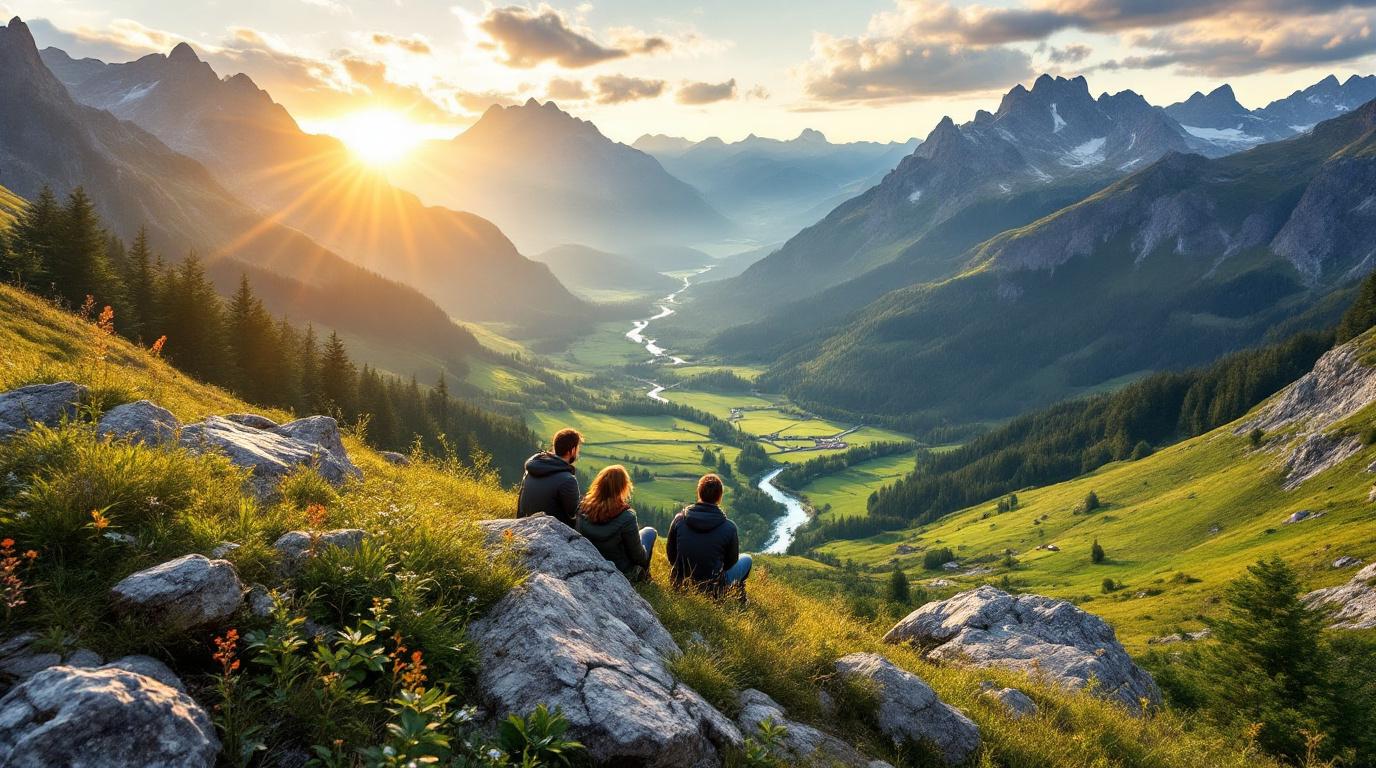
A summer holiday in the French Alps requires preparation, especially if you want to combine several activities. The best period is from June to September, when the roads over the passes are free of snow and the weather is stable. July and August are the busiest months, with full campsites and higher prices. June and September are quieter and generally cheaper.
Travellers arriving by car can use the A40 and A43 motorways from the Netherlands via Switzerland or France. Be aware of toll costs and vignette requirements in Switzerland. For bikes and sports equipment you will need roof racks or bike carriers, and check whether your accommodation provides storage.
Accommodation ranges from campsites and chalets to hotels and apartments. Book early for July and August, especially in popular places such as Chamonix and Annecy. Smaller villages such as Valloire and Sixt-Fer-à-Cheval often offer better availability and more authentic experiences. Check whether your accommodation is close to your planned activities to limit driving time.
Good equipment is important for mountain biking and hiking. Take waterproof clothing with you, even in summer, as the weather in the mountains can change quickly. Sun cream and sufficient water are essential for activities at altitude. Navigation apps and hiking maps help with route planning, but do check whether your phone has reception in remote areas.
Discover more on Traveller Tips
The French Alps offer a combination of sporting challenges, natural beauty and culinary traditions that make a summer holiday wonderfully varied. Whether you conquer the Col du Galibier, paraglide above Chamonix, explore wine routes or enjoy tartiflette in Chambéry, the region has something to offer every type of traveller. On the Traveller Tips website you will find much more information about route planning, accommodation choices, regulations and other destinations that are perfect for a self-organised holiday. Discover more tips and start planning your next trip today.
Frequently asked questions
Essential are a solid travel plan with up-to-date traffic and weather information (apps for route, tolls, charging points or connections), pre-booked and flexibly cancellable accommodation close to hiking, cycling and water sports areas, and suitable equipment for mountain activities (layered clothing, good footwear, sun and rain protection). Make sure you have a basic level of fitness and a medical/travel insurance policy that covers mountain sports, plus reservations for guides or activities such as via ferrata, canyoning or hut tours. Make the journey ‘smart’ with (offline) digital maps, booking and translation apps, and, if helpful, a shared travel calendar for your travel companions. Also plan rest days and alternative activities (swimming pool, village visit) for bad weather or recovery.
Use specialist websites and apps such as Komoot, Outdooractive and RouteYou to search for road trip routes in the French Alps, using filters for difficulty, comfort (short stages, good accommodation) and type of activity (hiking, cycling, lakes). Combine this with Google Maps in satellite and Street View mode to check quiet D-roads, mountain passes and viewpoints along lakes and waterfalls (e.g. around Vanoise, Serre-Ponçon and Chamonix). Search for French terms such as “route panoramique”, “route touristique”, “village de charme” and “randonnée facile / famille” on blogs and local tourism websites for hidden gems. Finally, plan a maximum of 2–3 activities per day and choose villages with facilities (swimming pool, terrace, cable car) so you can be active yet still travel comfortably.
Opt for quiet, sustainable activities such as mountain hikes and multi-day hut-to-hut treks in lesser-known valleys (e.g. Champsaur, Vanoise) or e-mountain biking on local trails instead of busy bike parks and major attractions. Visit peaceful lakes and waterfalls, join excursions with local mountain guides and stay on waymarked paths to minimise your impact on nature. Travel by train via cities such as Grenoble, Gap or Bourg-Saint-Maurice and from there take a regional train or bus to smaller valleys and villages. With your own vehicle you follow motorways to near Grenoble/Briançon/Albertville and then continue along regional roads further into the valleys, where you can often leave your car and continue locally on foot or by (e-)bike.
Yes, regions such as the Chamonix valley, the Champsaur valley and the Vanoise area are very well suited to slow travel in summer thanks to their combination of quiet mountain villages, well-marked hiking trails and varied nature. Around Chamonix and in national parks such as the Vanoise, many activities (hikes, glacier walks, lakes and waterfalls) are accessible directly from the valley. These valleys are also well connected by public transport, meaning you can reach mountain villages, cable cars and trailheads without a car. As a result, it is easy to stay there for several days, travelling slowly and sustainably.