NL
NL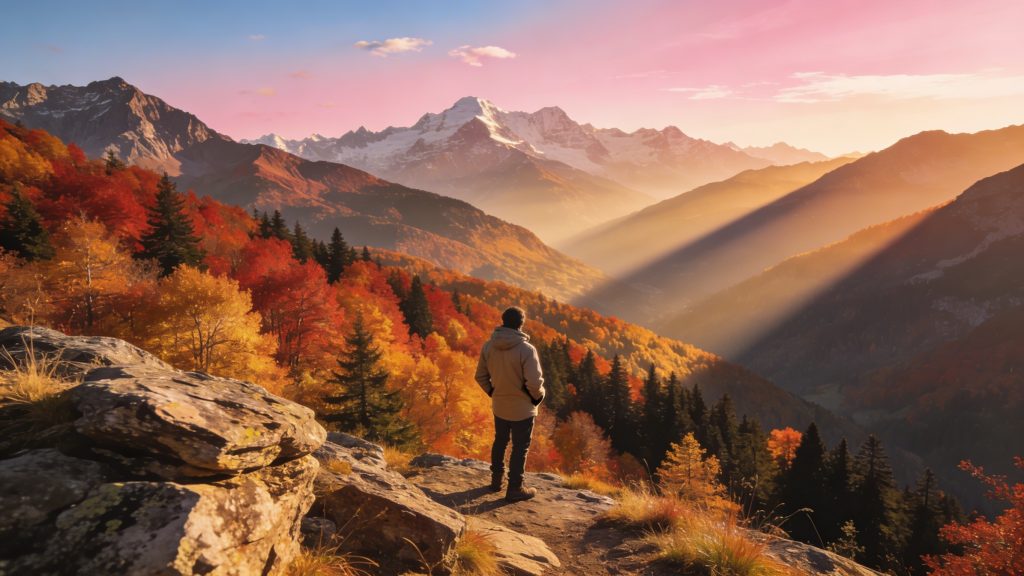
Autumn transforms the Alps into a colourful landscape with clear mountain views, quiet hiking trails and late-summer weather that is ideal for active travellers. Where summer brings crowds and winter brings snow, autumn offers a calmer alternative with golden-orange valleys and razor-sharp panoramas. You can enjoy traditional mountain festivals, lower prices and a more intense experience of nature. Read on and discover why spending the autumn holidays in the Alps is a smart choice for your next trip.
Why choose an autumn holiday in the Alps?
Autumn brings clear days with cooler temperatures, which creates crisp views of the peaks. The lower regions turn red, yellow and orange thanks to the needles and leaves of larch and deciduous trees. This creates a photogenic backdrop for hikes and bike rides. Unlike in summer it is quieter on the trails. Tourists have left and lifts run at low capacity, giving you more space to enjoy yourself.
The late-summer weather offers pleasant daytime temperatures, often between 10 and 20 degrees. This is comfortable for longer hikes without the heat of July and August. Mornings and evenings can be chilly, so layered clothing is recommended. In addition, accommodation prices are lower outside the high season. Hotels, chalets and guesthouses offer autumn discounts, easing the pressure on your budget. For those who plan their Alps holidays consciously, September to mid-October is an interesting period.
Fewer crowds and deeper experiences
Most families are back at school and people in work have already taken their summer leave. As a result, popular hiking routes and villages are quiet. You do not have to reserve at mountain huts and can plan more spontaneously. This calm makes it easier to connect with locals and experience the culture as it really is.
‘ Do note: some trails are closed in autumn for maintenance, so check in advance. ’
Hiking and mountain biking through colourful valleys
Hiking is the most popular activity in autumn. Lower elevations such as the Kitzbühel Alps or South Tyrol are perfectly accessible. Routes are well marked and suitable for different levels. The trails are drier than in spring and free of snow, which increases safety. You can choose short circular walks of a few hours or full-day hikes to mountain lakes and passes.
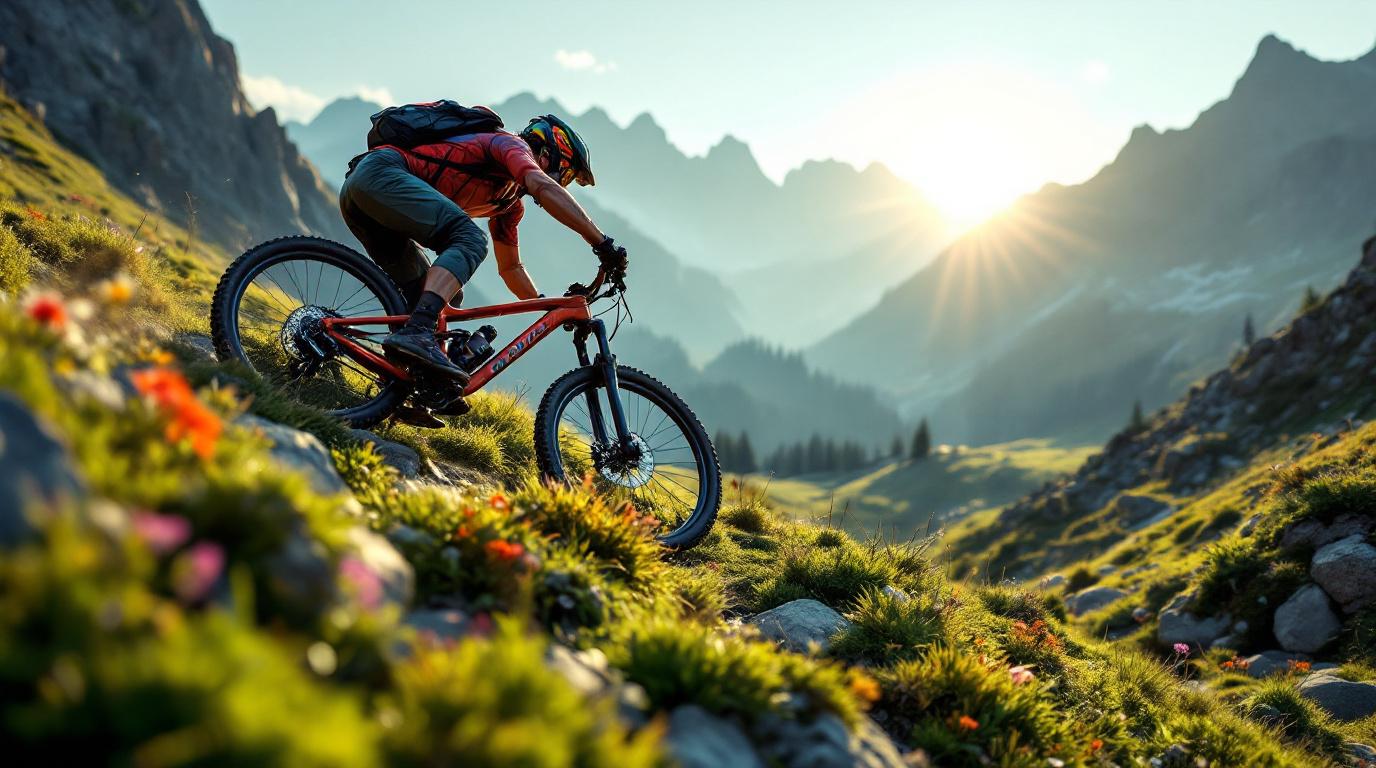
Mountain biking is also an option. Many valleys have wide tracks and gravel roads suitable for mountain bikes. Routes along lakes and through forests combine effort with views. Bike rental is available in larger villages. Do note: some trails are closed in autumn for maintenance, so check in advance.
Out and about with children and families
With children you can opt for flat walks along waterfalls or to alpine meadows. Cable cars and chairlifts take you effortlessly to higher points, where shorter hiking trails begin. Toboggan runs often stay open in autumn and are popular with children. Many accommodations offer family packages with activities such as treasure hunts or farm visits.
Traditional mountain festivals and culinary highlights
The Almabtrieb is a traditional festival that takes place between mid-September and early October. Cattle return from the high alpine pastures to the valleys for the winter. The cows are decorated with flower garlands and bells, and in the villages this is celebrated with music, food and drink. It is an authentic experience that shows how mountain residents mark their seasons.
In South Tyrol, Törggelen is another autumn tradition. This is a culinary custom where you taste chestnuts, new wine and traditional dishes in mountain huts or wine farms. It combines a walk with food and is easily accessible for most people. You will also find similar events in Austria and Switzerland.
Mountain huts and local cuisine
Many mountain huts remain open until the end of October. You can sample fondue-style cheese dishes, stews and regional wines. The huts are less busy than in summer, giving you more contact with the hosts. They are usually happy to share stories about the mountains and their life there.
Activities beyond hiking and cycling
For adventurers there are more options. Rafting and kayaking are possible on Alpine rivers, which flow more gently in autumn than during the snowmelt season. Canyoning is also available: you descend through gorges by abseiling and sliding along waterfalls. This requires some fitness and the guidance of a guide.
Mountaineering remains an option, but requires experience. Higher peaks already have snow and ice in October, which demands additional equipment. For beginners, guided tours are available. Cable cars remain partly in operation and offer discounted tickets in the low season. This way you can reach panoramic viewpoints without having to climb.
‘ Outside the high season, last-minute bookings are usually no problem. ’
Practical preparation for your autumn trip
Temperatures vary greatly between valley and altitude. During the day it can be 18 degrees in a valley, while at 2,000 metres it can be 5 degrees with wind. Pack layered clothing, a waterproof jacket and mountain boots with good grip. Gloves and a hat are also useful for early mornings or higher routes.
Accommodation is widely available. Choose hotels, chalets or guesthouses in areas such as the Kitzbühel Alps, Lungau or Turracher Höhe. These regions are quiet and offer good hiking options. Book in advance if you want specific facilities, such as a sauna or child-friendly amenities. Outside the high season, last-minute bookings are usually no problem.
Checking opening times
Check in advance whether lifts, mountain huts and roads are open. Some passes close early in the season due to snow or maintenance. Many regional tourist websites provide up-to-date information on this. Mountain huts also publish their opening times online. This helps avoid disappointment on the spot.
Peaceful destinations for a more intense experience
Large winter sports areas such as Zell am See or Chamonix are accessible in autumn too, but smaller villages offer more tranquillity. Rauris in Austria is a valley with little through traffic and extensive hiking networks. Lungau is remote and has traditional villages with fewer tourist facilities, which actually adds to the charm.
In Switzerland, the valleys around the San Bernardino Pass are enchanting in autumn. The colours are intense and the area is relatively unknown to large groups of tourists. South Tyrol offers a mix of Italian and Austrian influences, with excellent hiking trails and gastronomy.
Late summer in the Alps with children
Travelling with children calls for shorter routes and variety. Choose areas with open lifts that limit the effort needed. Toboggan runs are popular and provide action. Look for accommodation with relaxation options such as a sauna or playroom, so that children can unwind after a day outdoors.
Safe trails along waterfalls or to mountain lakes are suitable for young walkers. Routes towards the Großglockner or other iconic peaks offer impressive views, even from lower viewpoints. Plan plenty of breaks and take snacks with you. Children enjoy themselves more if there is variety between walking, playing and looking around.
‘ The surroundings invite you to be active, but do not force a set pace the way skiing does. ’
Relaxation and wellbeing after active days
After a day in the mountains, relaxation is welcome. Many accommodations offer saunas or wellness facilities. This helps muscles recover and makes for a more comfortable experience. Book accommodation with these facilities if you consider them important.
Autumn holidays in the Alps naturally combine activity with rest. The surroundings invite you to be active, but do not force a set pace the way skiing does. You decide how much you do and when you take a break. This flexibility makes it suitable for different travel groups and preferences.
What will you find on Traveller Tips?
Autumn offers a unique mix of colours, tranquillity and active opportunities in the Alps. Whether you hike, cycle, visit traditional festivals or simply enjoy nature, the period from September to mid-October delivers special experiences. On the Traveller Tips website you will find more information on route planning, accommodation choices, safety on mountain trails and other European destinations suitable for conscious and independent travel. Discover more and plan your next trip with reliable tips and practical insights.
Frequently asked questions
Some of the most beautiful and at the same time easy-to-plan driving routes are the Grossglockner Hochalpenstraße (Austria) and the Route des Grandes Alpes (France), where in autumn you drive past wide, colourful valleys and spectacular passes with many viewpoints and good facilities. For train journeys, the Glacier Express and Bernina Express (Switzerland) offer very comfortable panoramic carriages through golden larch forests, deep valleys and snow-covered peaks, with fixed timetables that make planning straightforward. The Lötschberg and Gotthard routes in Switzerland also combine fine autumn landscapes with frequent, reliable connections. For the most intense autumn colours and less risk of closed mountain passes, choose lower and mid-altitude valleys in September–October.
Visit a traditional Almabtrieb in small villages in Austria or South Tyrol, where farmers bring their decorated cows down from the alpine pastures and there is often a village festival with local music and food. Go Törggelen in South Tyrol: combining an autumn walk along vineyards with simple farmhouse dishes, roasted chestnuts and young wine in authentic Buschenschänken (rustic wine taverns). Choose quiet valleys such as Lungau, Rauris or the Kitzbühel Alps and take guided walks with local guides who tell stories about mountain life, myths and old trade routes. Finish the day in a small-scale mountain hut with local specialities and, if you like, a small village sauna or swimming pool mainly used by locals.
Choose a quiet Alpine area (such as the Kitzbühel Alps, Lungau or Rauris) and, outside the high season, book a guesthouse, chalet or farm stay with autumn deals for lower prices and extra comfort (such as a sauna). Save on food by having breakfast at your accommodation, buying lunch yourself at the supermarket and in the evening alternating between simple local inns and cooking for yourself. Focus mainly on free or inexpensive activities such as waymarked hiking and cycling routes in the lower mountains, supplemented occasionally with a paid toboggan run or cable-car ride using discount tickets. Plan your days according to the weather: in good weather, go outdoors for panoramas and Almabtrieb/Törggelen; in poorer weather, opt for wellness or a village visit, so that with limited costs you still get maximum comfort and a rich overall experience.
Check the weather forecast and mountain forecast (temperature, precipitation, snow line and fog) daily and plan activities at lower altitude in unstable weather. Draw up a packing list with layered clothing (thermal top, fleece, waterproof and windproof jacket), sturdy mountain boots, hat and gloves, rain protection, first-aid kit, torch and sufficient food and drink. For the car, use winter or all-season tyres with good tread, check coolant and brakes, and make sure you have a warning triangle, reflective vest, blanket and possibly snow chains. Drive defensively on mountain roads: check pass and road closures in advance, avoid driving at dusk in bad weather and keep extra distance in bends and on wet or possibly snow-covered sections.
The most spectacular autumn colours in the Alps are generally found from mid-September to the end of October, with a peak around early October, especially at lower and mid-altitudes. Beautiful regions include the Kitzbühel Alps and quiet valleys such as Lungau, Turracher Höhe and Rauris in Austria. South Tyrol (Italy) is also particularly beautiful in this period, especially combined with Törggelen traditions. For a road trip or train journey, mountain passes such as the San Bernardino Pass are also very photogenic thanks to their mix of forests and mountain scenery in autumnal tones.