 NL
NL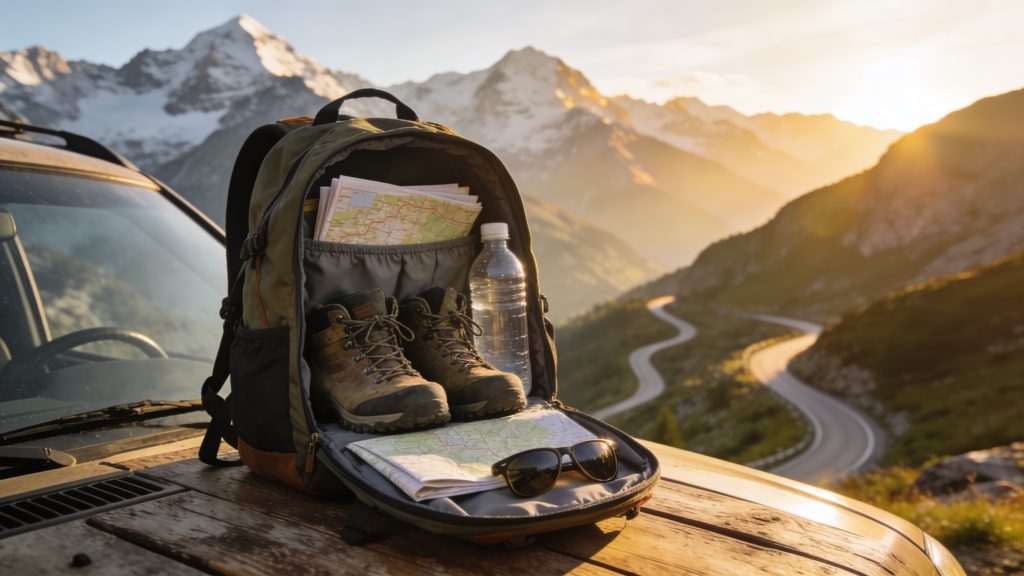
A well-packed rucksack determines the success of your Alpine road trip packing list. From waterproof rainwear to hiking boots with grip: every choice you make affects your comfort in changing weather conditions. With the right gear you can enjoy mountain hikes, picturesque villages and unforgettable views without a care. Read on and discover what you really need for your journey through the mountains.
The Alps place specific demands on your equipment. During a road trip you combine several activities: hiking at altitude, driving mountain passes and staying in accommodation ranging from hotels to mountain huts. The layering principle forms the basis of your wardrobe, because temperatures in the mountains change quickly.
Are you planning to explore the Alps extensively? On Traveler Tips you will find more information about Alpine holidays, from the most beautiful routes to practical preparation.
Choose the right rucksack
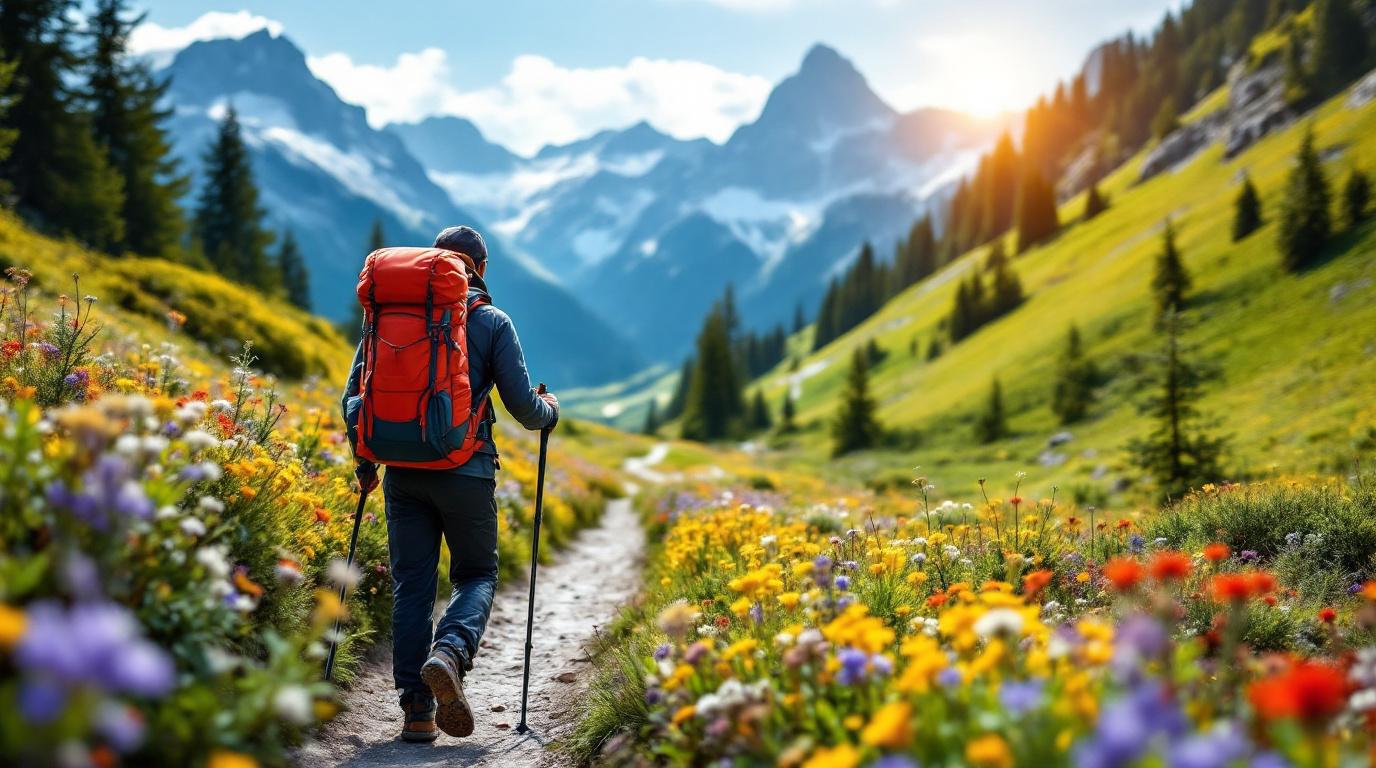
A medium-sized rucksack of 36 to 40 litres offers enough space for multi-day hikes without unnecessary weight. Look for a model with a well-ventilated back panel and adjustable shoulder straps. Separate compartments help you keep your belongings organised. A rain cover protects your luggage during sudden downpours.
Have your rucksack adjusted by a specialist. A well-fitting rucksack prevents shoulder and back pain, especially on longer hikes. The weight should be evenly distributed over your back and hips.
Clothing based on the layering principle
Mountain weather is unpredictable. The layering principle allows you to adapt to changing temperatures and weather conditions. You wear several thin layers instead of one thick layer.
Base layer for moisture management
The bottom layer lies directly on your skin and wicks away moisture. Pack the following:
- Several pairs of moisture-wicking socks, preferably wool
- 2 to 3 sets of moisture-wicking underwear
- 1 to 2 thermal long-sleeved shirts
Mid-layer for insulation
This layer traps your body heat. You can choose from several options:
- Light fleece jacket or softshell
- Light jumper or pullover
- Light down jacket for spring and autumn trips
Outer layer for protection
The outer layer protects you against rain and wind. These are the most important items:
- Waterproof rain jacket and rain trousers
- Windproof softshell jacket
A light trekking umbrella can complement your rain jacket, especially on short walks or urban explorations.
Other clothing
In addition to the layering principle you need extra clothing for different situations:
- 3 to 4 pairs of comfortable trousers in cotton blends
- 4 to 5 short-sleeved shirts in quick-drying material
- 1 to 2 long-sleeved shirts for extra warmth
- Walking shorts or capri trousers for warm days
- Hat and light gloves for mountain excursions
- Sleepwear
- Casual clothing for the evening
Footwear with grip and comfort
Your feet carry you through the mountains, so choose quality and comfort. Take at least two pairs of shoes.
Hiking boots with a sturdy sole and good traction are essential. Waterproof boots keep your feet dry on wet trails. For multi-day treks over rocky terrain choose hiking boots with high ankles and a lug sole. These provide extra stability and protect your ankles.
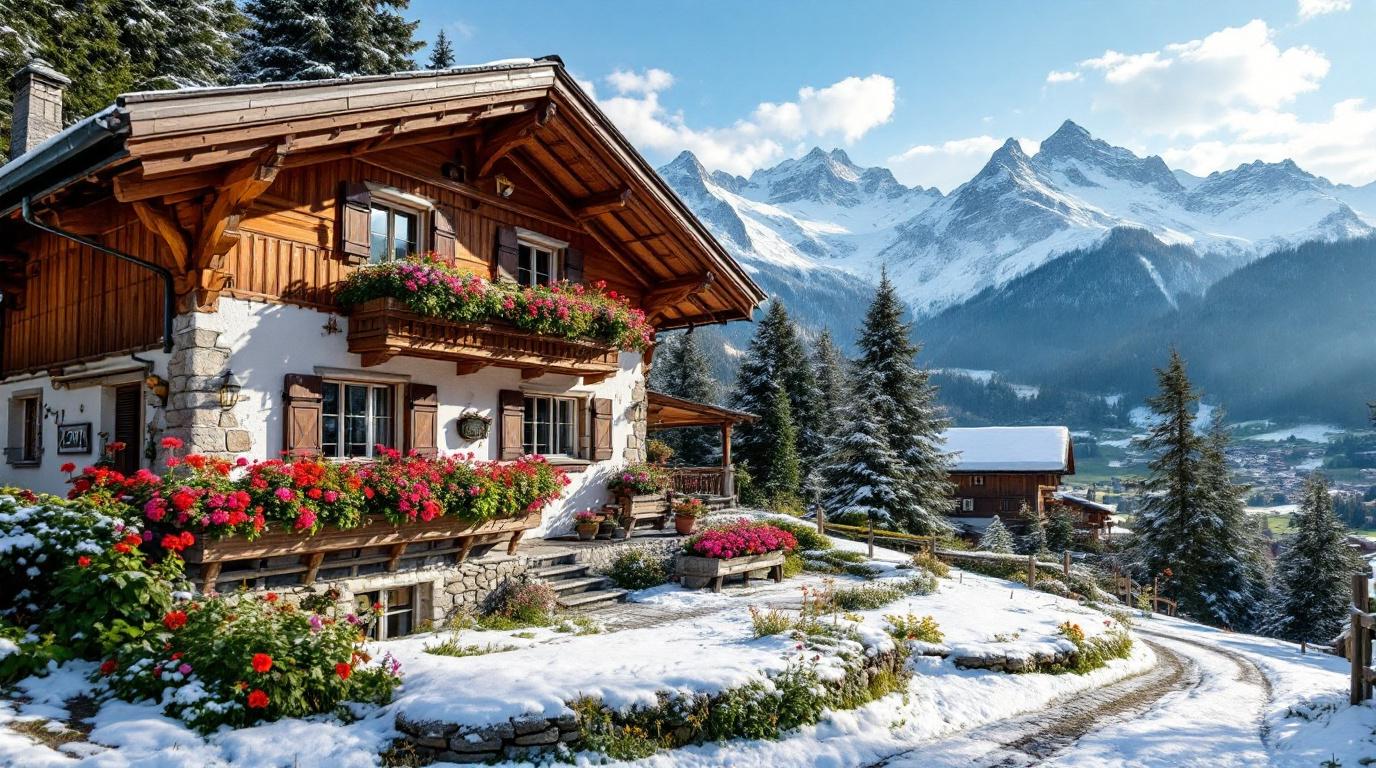
In addition, pack comfortable light shoes or sandals for off-hiking moments. Think of evenings in the hotel or a drink on a terrace in a mountain village. Slippers are useful if you are staying in a mountain hut.
Navigation and safety first
Mountain areas require extra preparation in terms of safety. Pack these items:
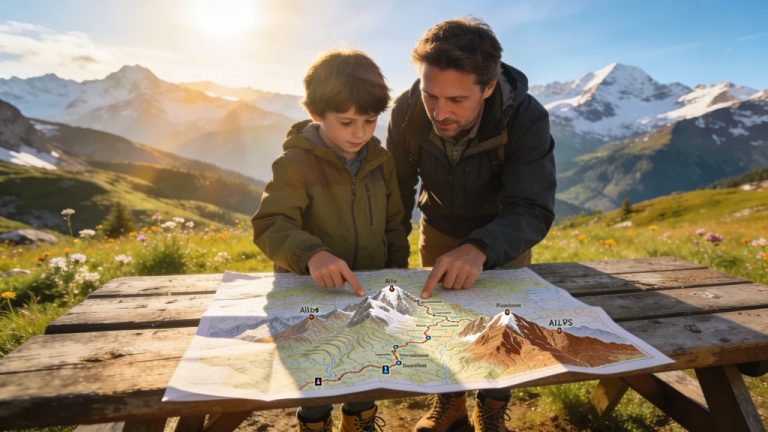
- Topographical map of the area where you are hiking
- Compass for navigation in poor visibility
- Torch or head torch with spare batteries
- First-aid kit with blister plasters, painkillers and bandages
- Mobile phone with emergency numbers saved
Before departure, check whether your phone works in the area you are going to. In some mountain regions mobile network coverage is limited.
‘ A refillable water bottle is indispensable. ’
Everyday essentials
Certain items you use every day. Make sure these are easily accessible in your rucksack.
A refillable water bottle is indispensable. In countries such as Switzerland tap water is safe to drink and is freely available from public fountains and taps. Also take sunscreen and sunglasses. The sun is stronger at altitude than in the lowlands. Lip balm prevents chapped lips caused by wind and sun.
Trekking poles are optional but can relieve your knees during long descents. A small daypack with a compact load is useful for day trips from your accommodation.
Toiletries and hygiene
Keep your toiletry bag limited to the basics:
- Toothbrush and toothpaste
- Soap or travel soap
- Deodorant
- Hand sanitiser
- Quick-drying microfibre towel
- Hut sleeping bag
A hut sleeping bag is compulsory in almost all mountain huts. This is a thin, light sleeping bag that you bring for hygiene. Some huts check this actively.
Practical items for on the road
Don’t forget these handy items:
- Cash and credit cards for small mountain villages without cash machines
- Train tickets or travel passes such as the Swiss Travel Pass
- Snacks such as fruit, energy bars and nuts
- Rubbish bag to carry out your waste
- Multifunctional knife
- Earplugs for mountain huts where several people sleep
‘ The layering principle becomes even more important in these seasons. ’
Adapting to the season
The season in which you travel determines which clothing you prioritise. In summer it is often warm even at altitude. Shorts and T-shirts then form the basis, with a jumper as a spare for cooler moments. Swimwear is useful if you choose hotels with a swimming pool.
During spring and autumn temperatures are more unpredictable. A light down jacket is then indispensable. The differences between day and night can be great, especially at higher altitudes. The layering principle becomes even more important in these seasons.
Packing smart
Every gram counts on a multi-day hike. Pack as little as possible, but do take everything you need. Choose clothing made of wool and quick-drying materials. You can wash these on the way and they dry quickly.
Organise your belongings with light stuff sacks. This keeps your rucksack organised and helps you quickly find what you need. Pack heavy items close to your back so that the weight is well distributed.
On the Traveler Tips website you will find much more information about routes, destinations and practical preparation for your trip through Europe. Discover more tips and plan your next journey with reliable information that really helps you further.
Frequently asked questions
Indispensable essential items for changeable weather conditions in the Alps are above all a waterproof rain jacket and rain trousers, a warm mid-layer such as a fleece or light down jacket and moisture-wicking base layers. In addition, a good hat, light gloves and a well-fitting medium-sized rucksack with rain cover are important. A refillable water bottle, sunscreen and sunglasses are also must-haves.
Choose mainly multifunctional layered clothing (base, mid and outer layer) that you can combine for both warm and cold, wet days. Limit quantities: better a few quick-drying sets which you can wash on the way than something different for every day. Take two pairs of shoes: sturdy hiking boots and light shoes or sandals for driving and evenings. Organise everything in packing cubes or light bags, so that you can quickly put together the right set for each activity (hiking, city, evening).
For a road trip through the Alpine countries you will need a driving licence, car documents (registration certificate), valid insurance (green card if applicable) and an identity card or passport. Strongly recommended as well are a well-stocked first-aid kit, topographical maps or navigation, a warning triangle and high-visibility vests for all occupants. Basic mountain equipment such as a head torch, warm and waterproof clothing and sturdy hiking boots is also advisable.
Make a basic list with essentials (documents, medicines, layered clothing, comfortable shoes, power bank, rain protection) that you always take with you. Then add an “adventure set” with compact, multifunctional items such as a microfibre towel, pocket knife, light rain jacket, emergency snacks and a small first-aid kit. Work with categories (sleeping, cooking, hiking, city, beach) and choose 1–2 items in each category that have multiple uses, so you can switch quickly. Deliberately leave 10–20% space free in your bag so you can add items or local extras on the spot for unexpected plans.