 NL
NL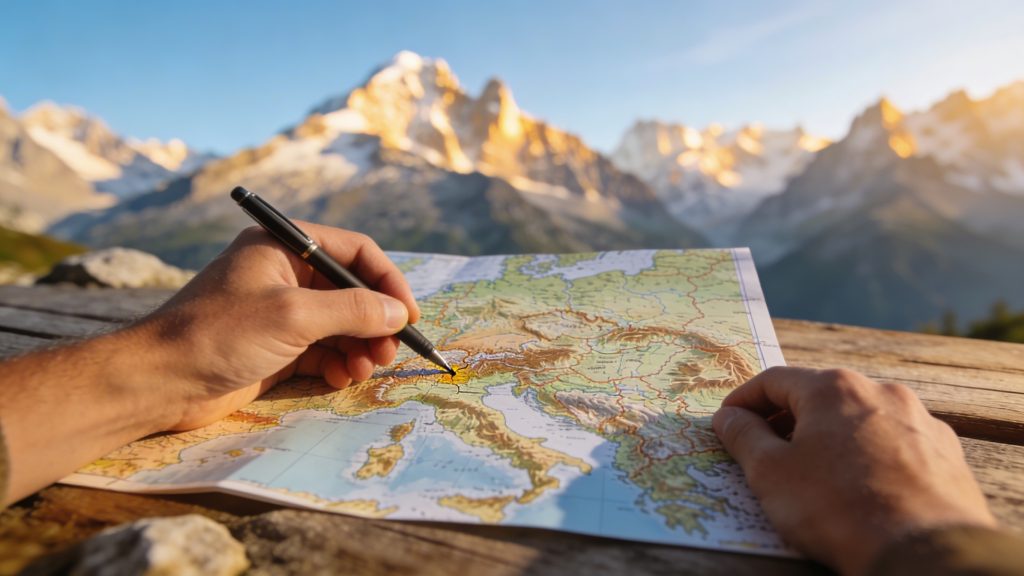
A budget-friendly Alpine holiday is perfectly achievable with smart planning around accommodation, food and activities. By breaking down your expenses in advance and consciously choosing affordable destinations outside the peak season, you can experience the Alps without emptying your wallet. You can read here how to get more out of your Alpine holidays with the same budget.
Create a clear budget with easy-to-track pots
Start with a realistic total budget. Divide this into fixed expense categories: travel, accommodation, food, activities and contingencies. Allocate clear amounts to each category, for example by using a budgeting app or a simple spreadsheet. This gives you an overview and prevents you from running out of money halfway through your trip.
Plan flexibly. If you spend less than planned in one area, you can use that amount for an unexpected expense or an extra activity. Discuss with your travel companions what your priorities are. If the focus is on walking in nature, you will need less budget for expensive attractions. If you mainly want to ski, that will require a bigger share of your budget.
Research the costs of fuel, tolls and vignettes in advance. In many Alpine regions you need a vignette for the motorway. Buy this online before you leave to avoid higher prices at the border. Also check whether your destination offers ski passes or other tickets online at a discount.
‘ This is how you enjoy the same nature at lower cost. ’
Choose a destination that fits your budget
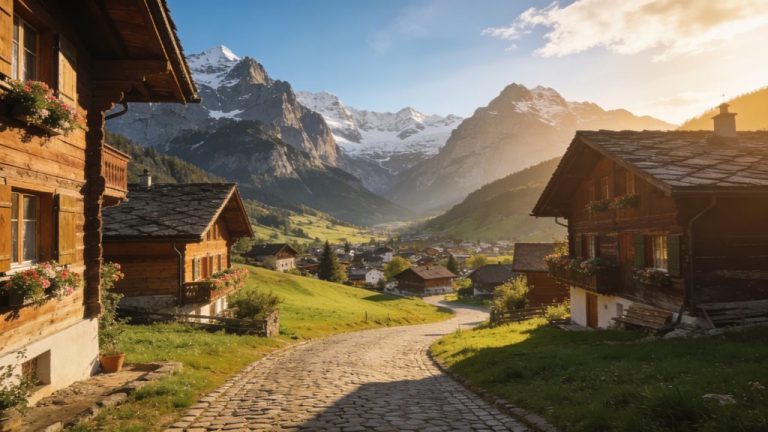
Not all Alpine destinations are equally expensive. Southern Germany, for example the region around the Arber, offers an Alpine feel with lower prices than Austria or Switzerland. It is quicker to reach from the Netherlands and Belgium, saving on travel costs. In France too you will find cosy mountain villages with affordable holiday cottages, often with lots of space and a kitchen so you can cook for yourself.
In Switzerland you generally pay more, but with smart choices you can still save there. Choose valley regions instead of the well-known tourist hotspots. Many of these areas offer guest cards which give you free use of local buses and cable cars. This way you enjoy the same nature for less money.
Pay attention to discount cards if you are travelling with the family. In Switzerland, children under six travel free by train and with a Swiss Travel Pass you get access to museums and discounts on mountain lifts. In southern Germany you will find family-friendly deals that include ski pass, half board and equipment hire for a fixed weekly price.
Travel outside peak season and benefit from transport deals
The time of year you travel makes a big difference. In the peak season you often pay twice as much for the same accommodation and ski pass. Plan your holiday outside school holidays, or choose the early or late season. Accommodation is cheaper then, the mountains are quieter and you often have more freedom to book what you want.
If you are travelling by car, calculate the cost of fuel and tolls beforehand. Compare routes and, if possible, choose a toll-free option. If you have a longer distance to cover, consider a motorail train. You will save fuel, wear and tear, and an overnight stay on the way.
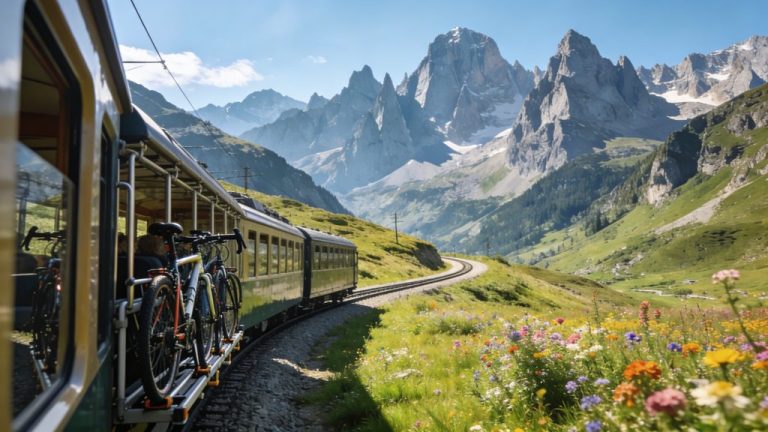
If you are travelling by public transport, look for passes that combine unlimited travel with discounts. The Swiss Travel Pass gives access to trains, buses and boats and offers discounts on cable cars. You pay a fixed amount for three to fifteen days and no longer need to buy individual tickets. This keeps things clear and saves you money on each journey.
Choose accommodation with self-catering options
Your choice of accommodation determines a large part of your overall budget. Opt for self-catering: campsites, holiday homes, mountain huts or hostels with a kitchen. This saves a lot on food costs and lets you keep to your own rhythm. A hostel with a family room, for example, costs around 125 euros per night for a family of four, including use of a shared kitchen.
Wild camping is allowed in some Alpine regions, but always check local regulations in advance. In Switzerland it is sometimes permitted in remote areas above the tree line, but never in nature reserves or near houses. In France and Austria the rules are stricter. If you follow the local rules carefully, you can stay overnight for free in the middle of nature.
Farms and nature friends’ houses often offer simple but clean rooms at low prices. Reka holiday parks in Switzerland are also budget-friendly, especially if you book early. Hotels with half board are more expensive, but can be cost-effective for solo travellers who do not want to spend much time cooking.
‘ Local markets offer fresh products at lower prices than tourist eateries. ’
Save on food without sacrificing the experience
Food can be a major expense in the Alps, especially if you eat out every day. Cook for yourself using local products from supermarkets such as Migros or Coop in Switzerland, or Edeka and Rewe in Germany. Buy bread, cheese, fruit and regional specialities and make a picnic to take with you. That way you can eat between walks without having to go to restaurants.
Local markets offer fresh products at lower prices than tourist eateries. Buy fresh bread and toppings in the morning and take them up the mountain with you. You can cook your evening meal yourself in your accommodation. Dishes such as polenta, pasta or a hearty soup are filling, simple and cheap.
If you do decide to eat out, choose lunch menus instead of dinner. These are often cheaper but just as tasty. Small cafés and village restaurants outside the tourist centres charge lower prices. Youth hostels and hostels also sometimes offer affordable meals that you can book in advance.
Enjoy free and low-cost activities in nature
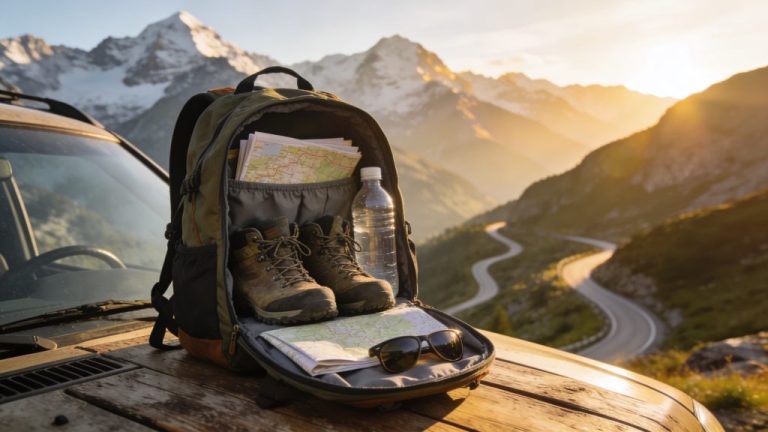
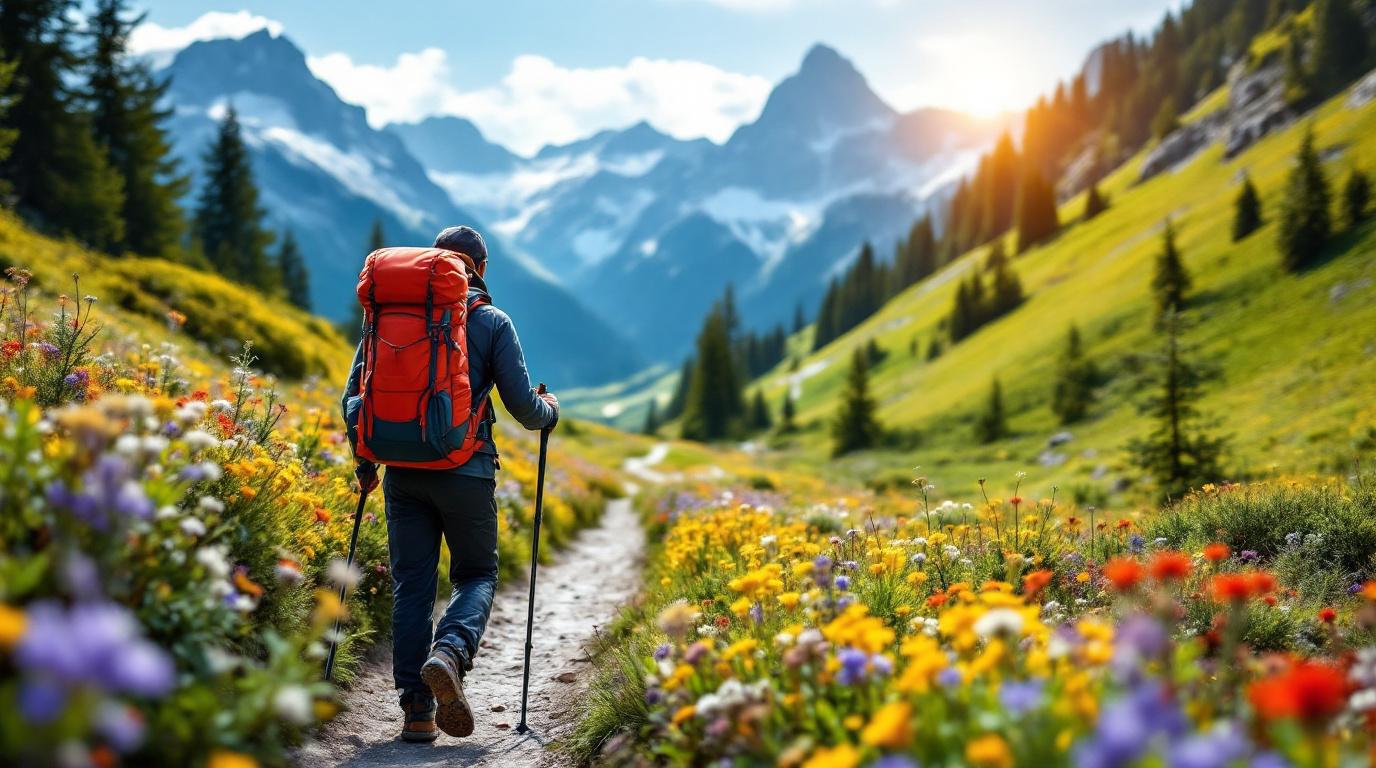
Nature is free, and that is the biggest advantage of an Alpine holiday. Walking, hiking, swimming in lakes or rivers and exploring mountain villages cost you nothing. Plan routes in advance using maps or apps, and set off in your own walking boots. This way you can experience the Alps without extra expenses.
If you are travelling with children, budget in advance for cable cars and child-friendly activities. A guest card often gives you free access to lifts. Ski passes can be cheaper if you buy them for several days at once or make use of early booking discounts. In the Arber region in Germany, for example, you pay around 112 euros for a three-day ski pass.
Museums, information centres and nature parks often offer free entry or charge only a small fee. Check beforehand which activities are included with your guest card or travel pass. That way you can make the most of what you have already paid for.
Extra money-saving tips for smart roadtrippers
Book as early as possible. Accommodation and transport are cheaper if you book months in advance. Be flexible with your travel dates and look for deals in the early and late season. Many providers offer discounts for early bookings or last-minute deals outside peak periods.
Only hire equipment if you really need it. Ski equipment, bikes or hiking gear are often expensive to rent. If you have your own gear or can borrow something, that can easily save you tens of euros a day. For a week of winter sports, equipment hire alone can cost more than a hundred euros.
Offset overspending between your budget pots. If you spend less on food, you can use the extra for an activity you really want to do. Keep track of what you spend and adjust where necessary. This way you stay within your overall budget without having to cut back on everything.
‘ Discover more tips and inspiration and plan your next holiday smartly and independently. ’
More inspiration for your next trip
On the Traveler Tips website you will find many more practical articles about routes, destinations, regulations and smart travel planning. A road trip through the Alps, a campervan tour of Scandinavia or a train journey through Europe: you will find reliable information to help you travel comfortably and consciously. Discover more tips and inspiration and plan your next holiday in a smart and independent way.
Frequently asked questions
Start with the total amount you want to spend and divide this into pots: transport (fuel/train + tolls/vignettes), accommodation, food and activities, and for each pot decide how much extra you are willing to pay for comfort (e.g. private bathroom, balcony, better seats on the train). Compare the total costs and journey time for car and train: fuel, tolls and parking versus train tickets, reservations and possibly a Swiss Travel Pass or regional discount pass. Choose a region where the “experience” is largely free or cheap (beautiful walking routes, swimming lakes, villages) and then reserve budget specifically for one or two more expensive highlight experiences such as a cable car ride or a special night in a mountain hut. Leave 10–15% room in your budget for unexpected expenses so that you can spontaneously do something extra on the spot without exceeding your budget.
When budgeting for unexpected costs, include things like extra tolls/vignettes, parking fees at cable cars and lakes, higher fuel prices in mountain areas and unforeseen car expenses (e.g. snow chains, breakdown cover). You can save on accommodation by choosing self-catering options (campsites, simple mountain huts, hostels or holiday homes) and travelling outside the peak season. Save on activities by mainly doing free nature activities (walking, swimming in lakes, exploring villages) and using guest cards or regional passes for free/cheap lifts and public transport. Cut back on luxury (wellness, expensive hotels and restaurants) and put your budget into a few carefully chosen quality activities rather than lots of pricey excursions.
By car, plan a route to the Alps via Germany (for example via the A3/A8 towards southern Germany or Tyrol) to avoid the Swiss vignette and expensive French toll roads and use secondary roads just outside the main toll sections. Compare the costs of toll-free routes (longer to drive, but lower direct costs) with toll motorways online in advance to determine the best value for money. For train travel, a Swiss Travel Pass or similar regional passes (for example in Austria or France) are often cost-effective if you are planning several journeys and mountain railways, because they allow unlimited travel and give you discounts on cable cars. In both cases, combine travelling outside the peak season with overnight stays in affordable regions such as southern Germany or valley villages in France to further optimise overall value for money.
Do your shopping in the supermarket and cook for yourself in accommodation with a kitchen; local staple foods are much cheaper than eating out. Make a packed lunch every day and refill reusable bottles at fountains or in huts instead of buying drinks on terraces. Look up good picnic spots in advance by lakes, viewpoints or simple mountain huts where you only need to order something small. Take advantage of cheap set lunches or midday offers in simple cafés and combine them with preparing your own breakfast and evening meal.
The most affordable times to travel for an Alpine holiday are the low seasons: late spring and early autumn for walking holidays, and the weeks just before and after the Christmas and spring school holidays for winter sports. Avoid school holidays and public holidays, as both accommodation and train tickets are most expensive then. For the best deals, book popular accommodation and international train tickets ideally 3–6 months in advance, especially in winter. In the very low season you can sometimes save by booking last minute, but then you will have less choice in terms of properties and location.