 NL
NL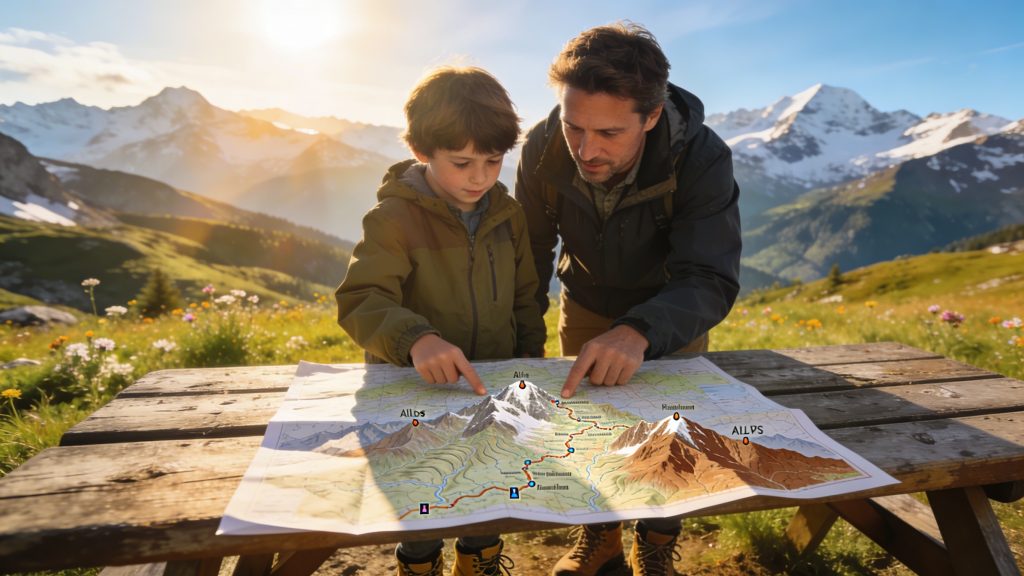
An Alpine holiday with children offers the perfect mix of mountain hikes, refreshing lakes and active experiences. Plan it well. Take the age of your children into account. From child-friendly hiking trails to safe mountain lakes: the right preparation makes all the difference. Discover which regions and activities really suit your family and how to organise the trip yourself.
Why the Alps are suitable for family holidays
The Alps are a versatile destination for families who like to organise their own holiday. Accessible nature, varied activities and tailored facilities: you will find all these in great variety. The area is suitable for children of all ages. Many villages and regions have certifications such as the French Famille Plus label, which guarantees child-friendly facilities and activities.
Those who opt for Alpine holidays will find mountain lakes with swimming areas, natural play spaces and short walks. You can easily combine these with rest periods. The infrastructure is geared towards families: from campsites with tents to apartments with play areas. In addition, you do not have to travel far for variety, which makes planning easier.
The regions range from quiet mountain villages to lively holiday resorts. Here you will find guided outdoor programmes. This means you can tailor the holiday to what your family needs: relaxation, action or a combination of both.
‘ The small scale means children can safely play freely. ’
Best regions for an Alpine holiday with children
Your choice of region determines which activities and facilities are available. Each area has its own characteristics that suit different types of families.
French Alps
Villages such as Les Gets, Val d’Arly and Serre-Ponçon offer many facilities for families. You will find climbing parks, water activities and animal parks within a short distance of each other. More than forty destinations in the French Alps carry the Famille Plus label. This means vetted children’s activities and child-friendly facilities.
The infrastructure is well developed, with campsites by mountain lakes and accommodation with play areas. You will also find Dutch-speaking guides for activities such as rock climbing and rafting. This lowers the threshold for families who do not speak the language.
Tyrol in Austria
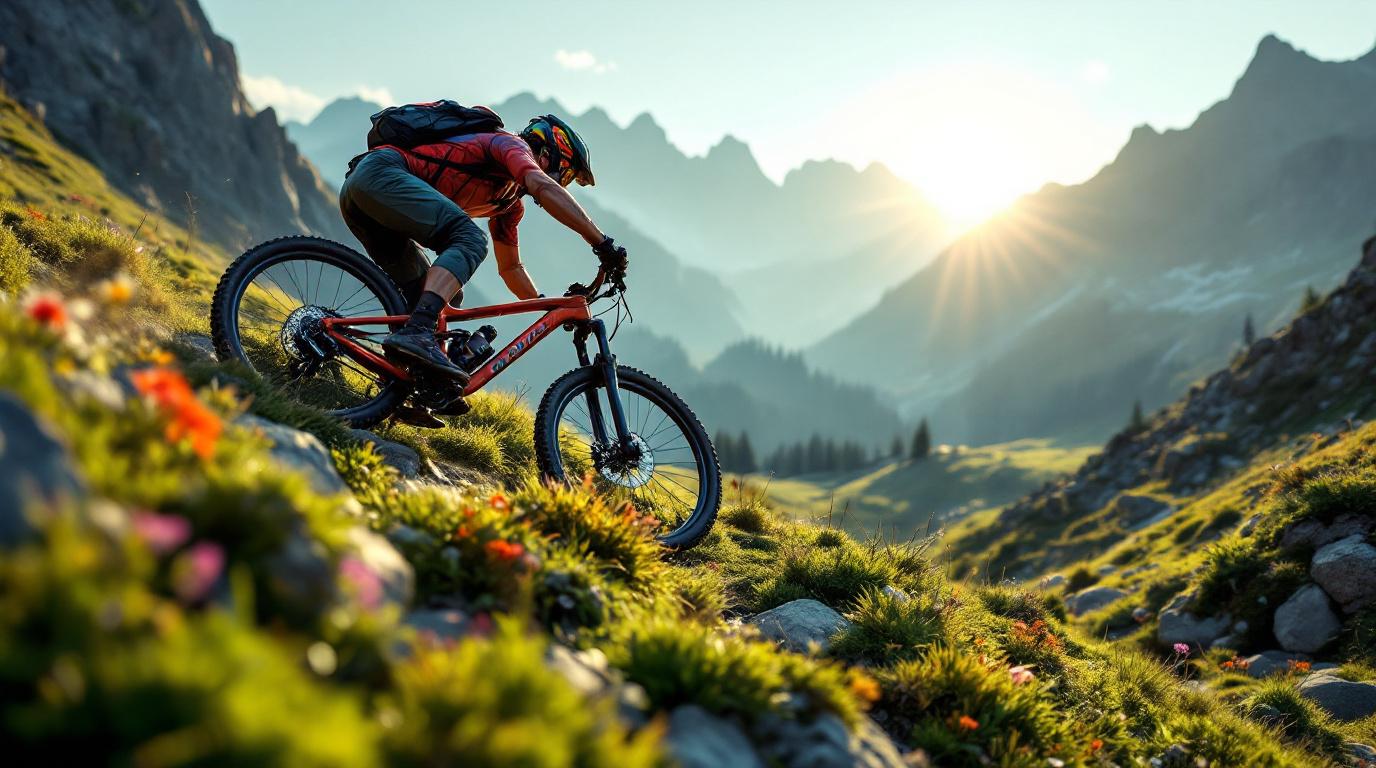
Tyrol focuses on active family holidays. Guided outdoor programmes are central. Mountain biking, swimming in lakes such as Natterer See and hikes using cable cars are popular. The region works with certified guides who have experience with children, which increases safety and engagement.
Accommodation ranges from Alpine hotels to campsites. You often have direct access to hiking trails and play areas. The combination of organised activities and free time makes planning manageable.
Smaller mountain villages
Places such as Vaujany and Val Cenis offer peace and charm. They are located with views of glaciers. These villages are suitable for families who want to escape the crowds but still want access to activities such as hiking and water-based recreation. The small scale means children can safely play freely.
Safe mountain lakes for children
Mountain lakes in the Alps combine clear water with shallow areas. These are suitable for young children. Many lakes have designated swimming zones and play features such as inflatable obstacles.
Well-known child-friendly lakes can be found near accommodation in the French and Austrian Alps. Natterer See in Tyrol has shallow sections. There are also play areas on the shore. In the French Alps, lakes around Serre-Ponçon and near Les Gets offer supervised swimming areas. Nearby campsites make them easy to reach.
When choosing a lake, pay attention to the following:
- Presence of shallow areas and designated swimming zones
- Play facilities such as trampolines and climbing structures in the water
- Proximity of toilets and places to eat
- Availability of shady areas and lawns for sunbathing
In summer, water temperatures in mountain lakes are often between 18 and 22 degrees. That is cooler than sea water. Take this into account in your planning and make sure you have towels and dry clothes.
Child-friendly hiking routes in the Alps
Hiking with children calls for short routes. The routes should include interesting features along the way. The Alps offer countless family routes. They provide variety without being too long or too steep.
For young children up to 8 years
Choose routes with playful elements. Think of streams, natural play areas or animals. Cable cars make it possible to go up. You then walk down again via a short, easy route. This helps prevent tiredness and keeps the walk enjoyable.
Many regions have children’s walks. These have themes or treasure hunts. These routes usually last one to two hours and are well signposted.
For children from 8 years
Older children can cope with longer hikes. They can also manage more elevation gain. Routes to mountain huts or alpine pastures give them a goal. They also offer the chance to get something to eat or drink on the way. Hut-to-hut treks are suitable for experienced hiking families with children from about 10 years old. In that case, you walk from hut to hut.
When planning, pay attention to:
- Distance and elevation gain. Match this to the age and fitness of your children.
- Availability of rest areas and places to eat along the way
- Signposting and the safety of the path
- Weather forecast and the presence of shade or shelter
‘ Climbing parks offer action for those who like a challenge. ’
Activities for different ages
Besides hiking and swimming, the Alps offer a wide range of activities. These cater for different interests and age groups.
Young children
For children up to 8 years, playgrounds by mountain lakes, animal parks and pony clubs are popular. Many campsites and accommodations have natural play areas. Here you will find streams and trampolines. Mini-golf with mountain views and short cable-car trips offer variety without being too overwhelming.
Children from 8 years
From this age, water adventures become accessible. Think rafting, canoeing and canyoning. These activities are supervised by qualified guides. They often have a minimum age of 8 years. Climbing parks offer action for those who like a challenge. You will find zip lines, summer toboggan runs and outdoor laser tag.
Mountain carting, boat trips and mountain biking on family trails are suitable for the whole family. They require fewer technical skills.
For teenagers
Older children from 12 years can take part in via ferrata (klettersteigen), downhill mountain biking and kayaking on faster-flowing rivers. These activities require good guidance and preparation, but they offer a unique experience.
Practical tips for driving to the Alps
Driving to the Alps requires planning, especially with children. The distance from the Netherlands varies from 800 to 1200 kilometres, depending on your final destination. Allow for 8 to 12 hours of driving, including breaks.
Plan stopovers. Think of petting zoos, playgrounds or places with good facilities. Many service areas along the motorways in Germany, Switzerland and Austria have play equipment. They also have clean toilets.
Take the following into account:
- Vignettes for Switzerland and Austria, available at the border or online
- Toll roads in France and some tunnels in the Alps
- Mountain passes with hairpin bends that require extra travel time
- Winter tyres or snow chains if you travel early or late in the season
Take enough drinks, snacks and entertainment for the journey. A well-stocked cool bag with fruit and sandwiches saves time and money. Petrol stations are often expensive.
Choosing accommodation for families
Your choice of accommodation affects the atmosphere of your holiday and what is possible. Campsites by mountain lakes offer space to play as well as direct access to nature and water. Tents or static caravans give a relaxed feel and keep costs down.
Apartments offer more privacy and a kitchen. This is useful for families with young children or specific dietary needs. Alpine hotels offer half board or children’s menus, taking some of the planning off your hands.
When booking, pay attention to the proximity of facilities such as supermarkets, play areas and starting points for hiking routes. Villages with the Famille Plus label guarantee a minimum level of child-friendliness.
Preparation and equipment
The right equipment makes the difference between comfort and discomfort. Waterproof clothing and sturdy walking shoes are necessary, even in summer. The weather in the mountains changes quickly. Temperatures can drop with cloud cover or at higher altitude.
Pack the following for the children:
- Good walking shoes with ankle support
- Waterproof jackets and extra layers of clothing
- High-factor sunscreen and sun hats or caps
- Small rucksacks for older children with their own water bottle and snacks
- Swimwear and towels for visiting lakes
For activities such as rafting or climbing parks, equipment is usually provided, but ask in advance what you need to bring yourself.
Balancing action and rest
Families going to the Alps for the first time often plan too many activities. Alternate active days with quiet moments. Choose time by the lake or at the campsite. Young children need time to play and process impressions, while older children benefit from variety.
Plan on average one major activity per day. Leave room for spontaneous choices. A day on an alpine pasture enjoying local dishes or a boat trip can be just as valuable. A climbing park does not always add more value.
Watch for signs of tiredness and overstimulation. The mountains provide a lot of new impressions. Too much pressure or too much height gain can lead to irritability or headaches in children.
Safety and supervision
Many activities in the Alps are supervised by certified guides. They have experience working with children. Check age limits in advance. Rafting usually starts from 8 years. Via ferrata (klettersteigen) usually starts from 12 years. For water activities, children often need to be able to swim.
For independent hikes, good preparation is important. Think of a map or GPS, the weather forecast and up-to-date information about the trails. Take a map or GPS with you. Check the weather forecast. Ask at your accommodation or tourist office for current trail conditions.
Teach children basic rules, such as staying with the group, not running on steep paths and what to do in case of a thunderstorm or fog. A whistle in their rucksack can be useful. Use it only in emergencies.
On the Traveler Tips website, you will find more information about travelling safely with children, routes through Europe and practical preparation tips for campsites and driving holidays. Explore the options and make your next trip even better planned.
Frequently asked questions
For travelling by car, choose a route with several short stops at large playgrounds and swimming lakes, such as German Raststätten with a Spielplatz or, for example, the Chiemsee region, where children can swim and play en route. Useful “child-friendly” stopovers on the way to the Alps also include lakes such as Lake Constance (Bodensee) or the Freiburg/Black Forest area, where it is easy to stay for a few hours or overnight. By train, direct or near-direct ICE connections via Cologne–Frankfurt–Munich to Austria or southern Germany are the most comfortable, because they usually have spacious family compartments, tables and often a Bordbistro. Plan transfers at larger stations such as Frankfurt or Munich, where you have enough time to buy sandwiches, move around a bit and change platforms calmly.
Look for destinations with the French Famille Plus label or similar family-oriented regions (such as Les Gets or Tyrol), because accommodation and facilities there are specifically tailored to children. Choose a campsite by a mountain lake, or an apartment or hotel with a playground and family rooms, so that young children can play safely and teenagers have their own space. Select activities by age group: for little ones, gentle walks, playgrounds and animal parks; for older children, rafting, climbing parks, canyoning and summer toboggan runs. Make sure your schedule alternates active days with rest days so that it stays enjoyable for all ages.
Essential packing-list items include layered clothing (including fleece and a waterproof jacket), sturdy walking shoes for everyone, sun protection (sunglasses, hat/cap, high SPF) and a daypack with a first-aid kit, snacks and plenty of water. For children, take swimwear, water shoes, possibly their own life jackets and compact games or books for the journey and quiet moments. Prepare by checking routes and cable cars in advance, booking accommodation with child-friendly facilities (for example with the Famille Plus label) and following the weather forecasts closely. Build in rest days between active outings and explain to children in advance what to expect in terms of altitude, weather and activities.
Take a “holiday bag” with you for the journey, filled with new (small) surprises, audiobooks and offline games, so that children can entertain themselves in stages. Plan regular breaks in places with playgrounds or by lakes, so they can burn off energy and the journey itself already feels like a trip. At your destination, alternating days with active outings (adventure forest, climbing park, lake) and quiet moments (picnic, reading a book) works well against overstimulation. Let children help choose a few activities so that they feel involved and are less likely to complain.