 NL
NL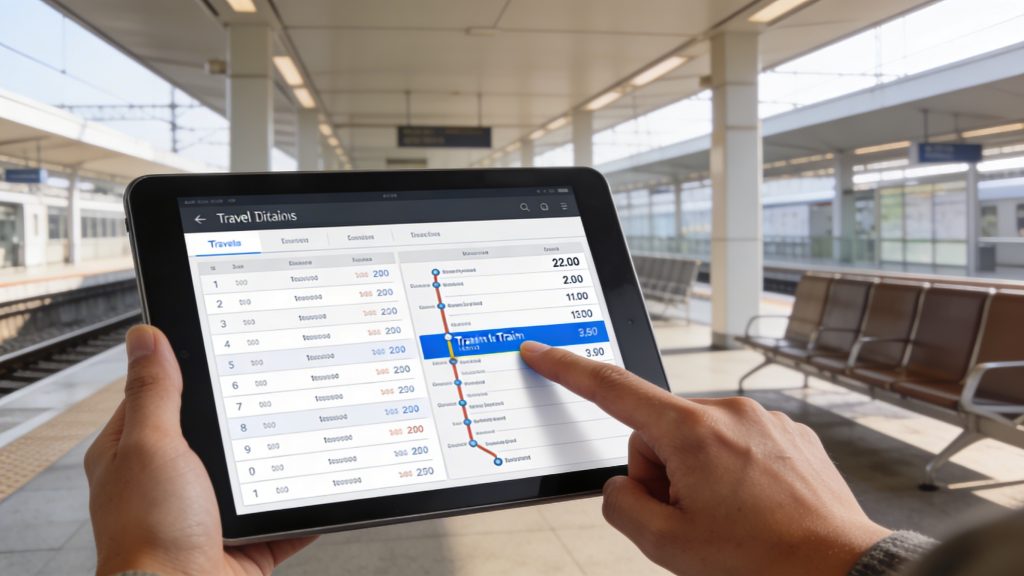
Anyone travelling by train to the Alps in busy holiday periods, such as school holidays and public holidays, will run into full trains, limited availability and higher prices. Smart planning prevents stress during crowds and delays. With the right preparation you travel more comfortably, more cheaply and with more certainty about your arrival time in the ski resort.
Why busy weeks are so busy
Busy travel periods coincide with school holidays, Christmas, spring holidays and weekends. Saturday is traditionally changeover day in ski resorts, which makes it the busiest travel day. At that point ticket availability is limited, prices are higher and trains are full. For train journeys for winter sports this calls for extra attention when planning.
Night trains to Austria and Switzerland, such as the Nightjet and the Eurostar Snow, are quickly fully booked during these busy weeks. The same applies to special ski trains such as the Ski Express. So book well in advance, preferably in autumn as soon as tickets go on sale. That way you still have a choice of seats and can benefit from early-bird fares.
Travelling outside the rush for more comfort
The quietest and most economical periods are in January and March, outside school holidays. Weekdays are also less busy than Saturdays. Choose to depart on a Thursday or Sunday and you will have more space on the train, better ticket availability and lower prices.
A night train on Friday evening offers another advantage. You get on after your working week, sleep during the journey and arrive fresh on Saturday morning. This is especially convenient if you do not want to drive all night and want to start your winter sports holiday straight away. Outside the holiday periods, travellers report that night trains to Austria run smoothly, with more space for luggage and no hassle along the way.
Practical tips for quieter travel periods
- Choose January or early March for lower prices and fewer crowds
- Travel on Thursday or Sunday instead of Saturday
- Book night trains in autumn, as soon as tickets become available
- Check whether your ski resort uses a different changeover day than Saturday
Dealing with delays on train journeys
Delays do occur, especially in snowy conditions or at busy times. Be at the station at least 15 minutes before departure. Check the latest travel information before you leave via your rail operator’s app. That way you immediately know whether there are any changes and can adjust your plans.
Build in enough transfer time, especially for regional connections to the ski resort. A buffer of 30 to 45 minutes helps if your train is delayed. This prevents missed connections and extra waiting time on cold platforms. The same applies to night trains: allow for possible delays on arrival and do not plan your onward transport to your accommodation too tightly.
What to do in case of a delay or missed train
- Call the emergency number of your tour operator or rail company straight away; these are available 24/7
- Ask about alternative routes or later trains
- Check whether you are entitled to compensation in case of long delays
- Keep your travel documents and write down times for any claims
Bear in mind that in case of extreme snowfall trains may be diverted or cancelled. Always follow the real-time updates in the app. Regional lines in Alpine areas often run punctually outside the busy holiday periods, but can still be affected by changes in severe weather.
Taking luggage and equipment on the train
On special ski trains you can take winter sports equipment such as skis, snowboards and pushchairs free of charge. There are separate storage areas at no extra cost. Do reserve a space for your luggage in advance, as there is limited room available in busy periods.
Consider hiring equipment when you arrive in the ski resort. This avoids transport issues and gives you flexibility if you want to try different sports. Reserve rental equipment online so you can collect it straight away on arrival without any hassle. Always take out baggage and cancellation insurance as well; this is compulsory for winter sports and covers you in case of loss or delay of your belongings.
‘ Night trains make the car redundant, saving on fuel costs, toll roads and parking charges at the ski resort. ’
Saving money and travelling sustainably
Outside peak periods you save on tickets and enjoy more peace and quiet. Early booking discounts can sometimes save you up to 40 per cent, especially on night trains. Combine this with quieter travel periods for the greatest cost savings.
Train journeys to the Alps have a lower environmental impact than travelling by car. Night trains make the car redundant, saving on fuel costs, toll roads and parking charges at the ski resort. You are also more flexible on arrival, as you are not tied to a hire car or your own vehicle.
Building in extra buffer time for more certainty
Experienced train travellers recommend leaving a day earlier than you first planned. This gives you leeway if there are delays and helps prevent stress. An extra buffer day is also useful in case of snowfall or unexpected crowds, so you do not immediately miss your first day on the slopes.
The same applies to the return journey. Do not plan your arrival home too tightly, especially if you have to work the next day. A delay of several hours happens more often than you might think, especially in winter. With this extra time you travel more relaxed and get home without rushing.
Discover more about train travel
On the Traveler Tips website you will find much more information about train travel, routes to popular destinations, regulations and practical preparations. Whether you are going on a winter sports trip by train for the first time or already have experience, there is always more to discover. Explore the website and plan your next trip with all the tips you need.
Frequently asked questions
Avoid the busiest periods by not travelling in school holidays, around Christmas and on traditional changeover days (especially Saturdays), but preferably in January or March and on weekdays (for example on Thursday or Sunday). If possible, choose early or late trains on the day, as the middle of the day is usually the busiest. Consider night trains outside the holiday periods; these are generally quieter and offer more seating and luggage space. Book your tickets well in advance so you have more choice of quieter routes and seats.
Essential apps and websites for real-time train delays include the official app or site of your rail operator (such as NS or DB), general journey planners (such as 9292) and possibly international planners (such as Rail Planner or the app of the operator in the Alpine region). Turn on push notifications for your route so that you receive an alert immediately in case of delays or platform changes. Check your route before departure and again just before transfers, as changes are often made at short notice. Store your tickets and booking codes in the same app or wallet so you have everything quickly to hand if you need to rebook or ask for help at a service desk.
Always take a small emergency kit with you containing water, snacks, a power bank, earplugs and perhaps a book or offline series, so that waiting feels less stressful. Install the app(s) of your rail operator and enable notifications so you can react quickly to disruptions and see alternative routes. Read up on your rights in case of delays in advance (such as compensation schemes from NS, Eurostar or DB) and keep tickets and receipts digitally, so you do not have to figure this out on the spot. Where possible, plan travel time with a buffer so that connections or appointments are not immediately at risk if there is a delay of half an hour.
Flexible ticket options and specific travel passes mainly offer advantages because they allow you to travel outside peak periods, which reduces seasonal crowds and the risk of delays. They make it easier to choose quieter travel and changeover days, such as weekdays instead of busy Saturdays. You can also build better buffers into your travel time planning. They do not completely eliminate crowds and delays, but they do give you more flexibility to deal with them smartly.
Always include one or two concrete alternative routes in your travel plan, for example via another major interchange hub, a later or earlier train and possibly a combination with bus, tram or shared transport. Allow extra travel time (buffer) around critical transfers so that in case of delays you can easily switch to these options. Use rail apps and general route planners during your journey to check real-time alternatives and rebook immediately. Note down emergency numbers or service channels of your tour operator or carrier so that you can get help quickly in case of major disruptions.