NL
NL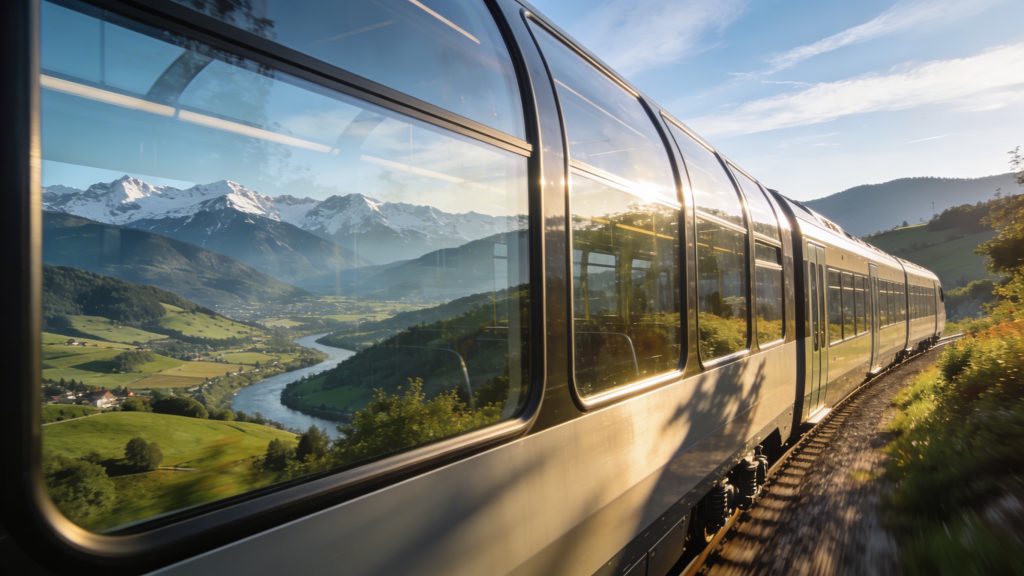
Panoramic train journeys don’t have to cost a fortune. With regional trains and smart passes you can enjoy breathtaking views through the Alps, along river valleys and through mountain landscapes without blowing your budget. Read on. You’ll discover how to save up to 50% on your next train journey.
What are budget-friendly panoramic train journeys?
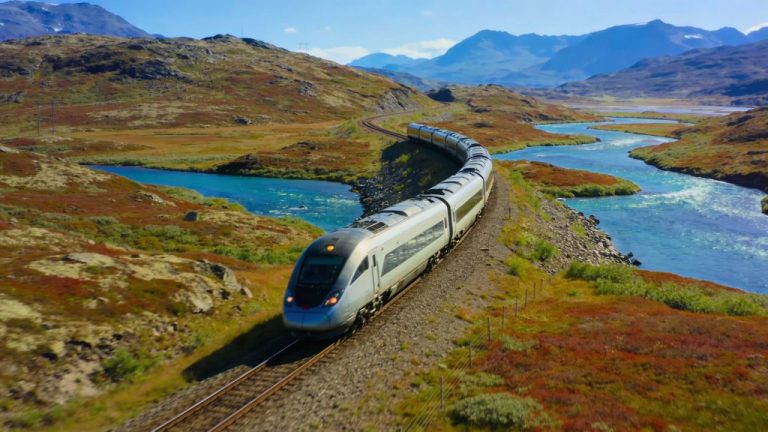
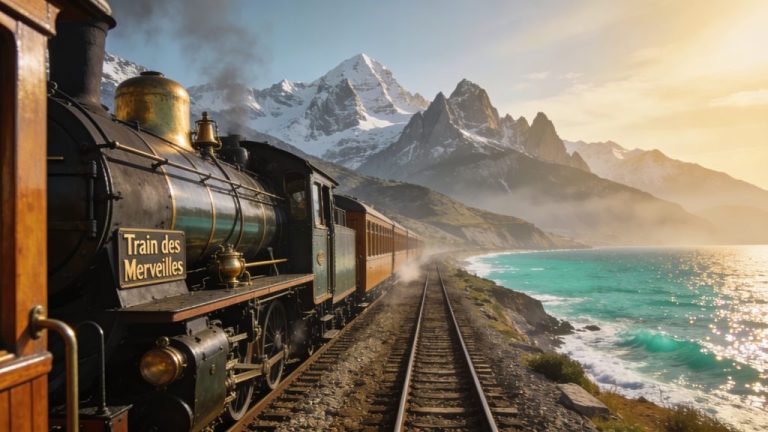
Budget-friendly panoramic train journeys combine scenic rail routes with affordable ticket options. Instead of luxury panoramic trains you use regional trains that run through the same landscapes. These luxury panoramic trains often cost more than €100 per leg. Many of these lines offer similar views of glaciers, mountains and lakes. They cost a fraction of the price.
The RegioPass is one of the most popular options. This pass gives you unlimited access to trains, buses and boats in a specific region. You often also get access to panoramic trains. Prices start at around €30 to €50 for two to three days, depending on the area. For travellers spending several days in one region, this is a cost-effective choice. You have the freedom to hop on and off flexibly at stops that interest you.
There are also other budget-friendly options. Think of Eurail and Interrail passes. These are international rail passes that allow you to travel through several countries. Regional day tickets are also an option, such as the German Länder-Ticket. This is a regional day ticket for a German federal state. Finally, there are specific country passes, such as the Swiss Travel Pass Light. This is a discount pass for travel in Switzerland. Scenic rail: panoramic trains and most beautiful train routes are within reach without having to buy an expensive ticket for every single journey.
‘ Experienced travellers describe it as if you’re travelling through a postcard. ’
Top panoramic train routes with RegioPass
Several European regions offer a RegioPass that gives access to spectacular rail routes. These routes are comparable to well-known panoramic trains, but without the high surcharges.
Switzerland: Graubünden
The RegioPass Graubünden gives access to parts of the famous Bernina Express line. The line runs from Chur to Tirano. This route takes you past impressive viaducts, glaciers and mountain peaks. For around €45 for three days you can travel unlimited through one of the most beautiful mountain areas in Switzerland. Experienced travellers describe it as if you’re travelling through a postcard.
Austria: Tyrol
The Tirol RegioPass gives access to the Arlberg railway between Innsbruck and Bludenz. The pass costs around €40 for three days. This line crosses the Alpine panorama with views of mountain passes and waterfalls. The pass is also valid on regional buses, making it easy to take trips to viewpoints and mountain villages.
Italy: Alto Adige
The RegioPass Alto Adige gives access to rail lines through the Dolomites, from Bolzano to Cortina. The pass costs €35 for three days. You can combine train journeys with visits to local markets and vineyards. The routes offer views of characteristic mountain peaks and green valleys.
Alternatives to the RegioPass
If the RegioPass is not available in your travel area or does not fit your travel plans, there are several other budget-friendly options.
Eurail and Interrail passes
These passes offer flexible travel days in several European countries. You can choose how many days you travel within a certain period. Costs start at around €25 per travel day. Note. For some panoramic trains you pay reservation fees of €10 to €20 on top of your pass. This is still cheaper than a separate ticket.
Länder-Ticket in Germany
The Länder-Ticket costs €24. You travel an entire day unlimited within one German federal state on regional trains. This is ideal for routes through the Moselle or Rhine valleys. The ticket is valid for up to five people, which makes it even more economical if you travel with a group.
Swiss Travel Pass Light
This pass costs around €166 for four days. You get 50% discount on panoramic trains such as the GoldenPass. If you’re travelling through Switzerland for several days and want to combine different panoramic lines, this can be a good-value option compared with separate tickets.
Discount and advantage cards
In Austria, the Vorteilscard offers 50% discount on train tickets. The card costs around €100 per year. It quickly pays for itself. You do need to make several journeys. Similar cards exist in other countries, such as the BahnCard in Germany.
How can you save even more on train travel?
Besides choosing the right pass, there are more ways to keep your train journey budget-friendly.
Book early or travel off-peak
Popular panoramic lines fill up quickly. This is especially true in high season. If you book early or travel outside peak hours, you benefit from quieter trains and sometimes lower fares. Early morning trains also offer beautiful sunrise views.
Travel in a group
Many regional tickets are valid for several people. One example is the Länder-Ticket. Travelling with friends or family lowers the cost per person. Check the conditions of your chosen pass to see whether group travel is possible.
Combine with walks and sights
Get off at stops that interest you. Many panoramic routes stop at castles, waterfalls or picturesque villages. Combine train journeys with walks and local sights. That way you’ll get more out of your trip without extra costs.
Bring your own food
Restaurant cars and station kiosks are often expensive. By bringing your own sandwiches, fruit and water, you save on your daily costs. Many trains have enough space for a small cool bag.
‘ On the right side of the train you get the best view. ’
Practical preparation tips for your train journey
Good preparation ensures your train journey runs smoothly and that you get the most out of the route.
Check which trains are included
Not all passes give access to all trains. Some panoramic trains require a reservation or surcharge. This also applies if you have a pass. Check in advance which trains are covered. Also check whether you need to pay extra.
Plan your luggage smartly
Trains often have limited luggage space. Travel light and choose a rucksack or small suitcase. That way you can easily place your luggage in the racks above your seat. Also pay attention to the weather: in mountain areas it can cool down quickly, so take enough layers of clothing.
Choose your seat carefully
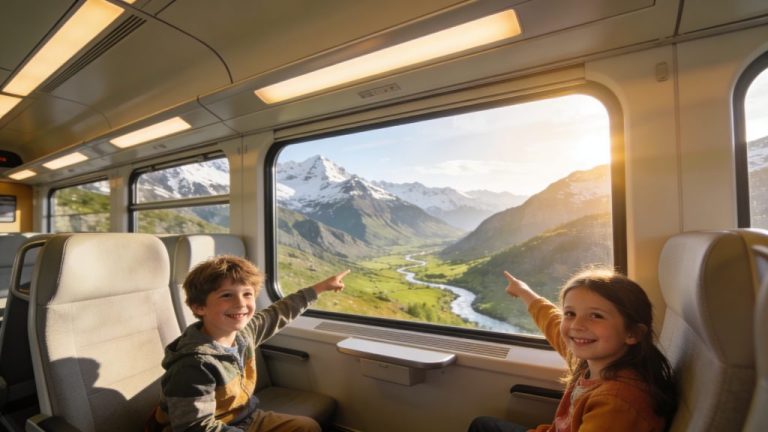
On the right side of the train you get the best view. Research the route beforehand. Check which side offers the most impressive vistas. If you board early, you’ll have more choice of seats.
Download offline information
In mountain regions the internet connection is often limited. Download timetable apps and maps in advance. Also make sure you have offline information about your route. That way you’re not dependent on mobile internet during your journey.
When is a RegioPass or alternative good value?
The choice between a RegioPass and an alternative depends on your travel plans. Are you travelling within one region for several days? Then a RegioPass is usually the cheapest option. You have the freedom to travel spontaneously and to stop wherever you like.
Are you travelling through several countries? Then a Eurail or Interrail pass is more convenient. These passes offer more flexibility for longer journeys. Per day, they are often slightly more expensive than a regional pass.
For groups, day tickets are often the best choice. One example is the Länder-Ticket. The costs are shared, which makes it attractive per person.
Calculate the cost of separate tickets in advance and compare them with the passes. A pass often pays for itself after just two or three journeys.
Extra benefits of travelling by regional trains
Regional trains offer more benefits for conscious travellers. The costs are lower, but there’s more.
- Travel sustainably: trains produce lower exhaust emissions than cars or planes
- Support the local economy: at stops in smaller towns you support local shops and restaurants
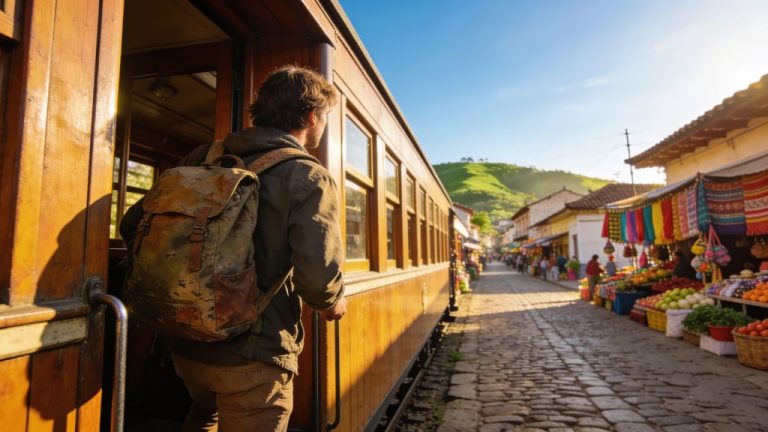
- Authentic experience: regional trains bring you closer to the everyday life of local residents
- More freedom: no fixed departure times like tour buses, you set your own pace
The routes are often less touristy than the well-known panoramic trains. That makes for a quieter and more relaxed journey.
‘ On the Traveler Tips website you’ll find extensive information about train holidays, routes and practical tips for organising your own trip. ’
Start planning today
First compare the costs of separate tickets with the available passes for your route. Check the conditions of each pass and reserve your seat where necessary. Download offline maps and timetable apps before you leave. On the Traveler Tips website you’ll find extensive information about train holidays, routes and practical tips for organising your own trip.
Frequently asked questions
A RegioPass is usually cheaper than individual tickets if you make several journeys per day or on several days within the same region, because you can travel unlimited for a fixed price. With individual tickets you pay per journey, which can be cheaper if you don’t move around much or only travel one route. Compared with other pass alternatives (such as national or international rail passes), a RegioPass is often cheaper but limited to one region, while broader passes offer more geographical freedom at higher daily rates. In terms of flexibility, the RegioPass gives a lot of freedom within the chosen region without reservation stress, while individual tickets are less flexible (fixed route/time) but do give you precise control over route and costs.
For a road trip through Switzerland, sections of the Bernina Express line (for example Chur–Tirano) are ideal: you drive to the start and end points by car and use the train as a panoramic “loop” through the Alps. In Austria, the Arlberg railway (Innsbruck–Bludenz) fits well between Tyrolean mountain passes, so you leave the car for a day and experience the high-Alpine route by train. In northern Italy you can combine the Dolomites region (around Bolzano): drive by car over mountain passes and along lakes, interspersed with shorter panoramic rail sections through valleys and vineyards. Regional or day passes make such combinations flexible, so that you can spontaneously hop on and off along the way for walks and viewpoints.
Less well-known but spectacular options include the regional stopping trains on the Bernina Express line in Graubünden (Switzerland), which are much cheaper with a RegioPass than the official panoramic train. The Austrian Arlberg railway between Innsbruck and Bludenz also offers impressive Alpine panoramas at normal regional fares, with tunnels, bridges and mountain villages. In northern Italy, the local Dolomites lines around Bolzano and towards Cortina d’Ampezzo offer affordable views of rock pinnacles and vineyards with an Alto Adige RegioPass. Travellers in Germany can find a budget alternative along the Rhine and Moselle with regional trains on a Länder-Ticket, where castles and river bends provide an almost continuous view.
Reserve seats as early as possible via the official website of the rail operator or via international platforms, and choose panoramic carriages or first class if available for extra comfort. Travel outside the high season and avoid weekends to sidestep the biggest crowds. It becomes budget-friendly with regional passes (such as RegioPass, Länder-Tickets or Interrail/Eurail) that often cover the route and only require a small surcharge for the reservation. Compare day and regional passes in advance: a 2–3-day pass with separate reservations is often cheaper than separate tickets for each leg.