NL
NL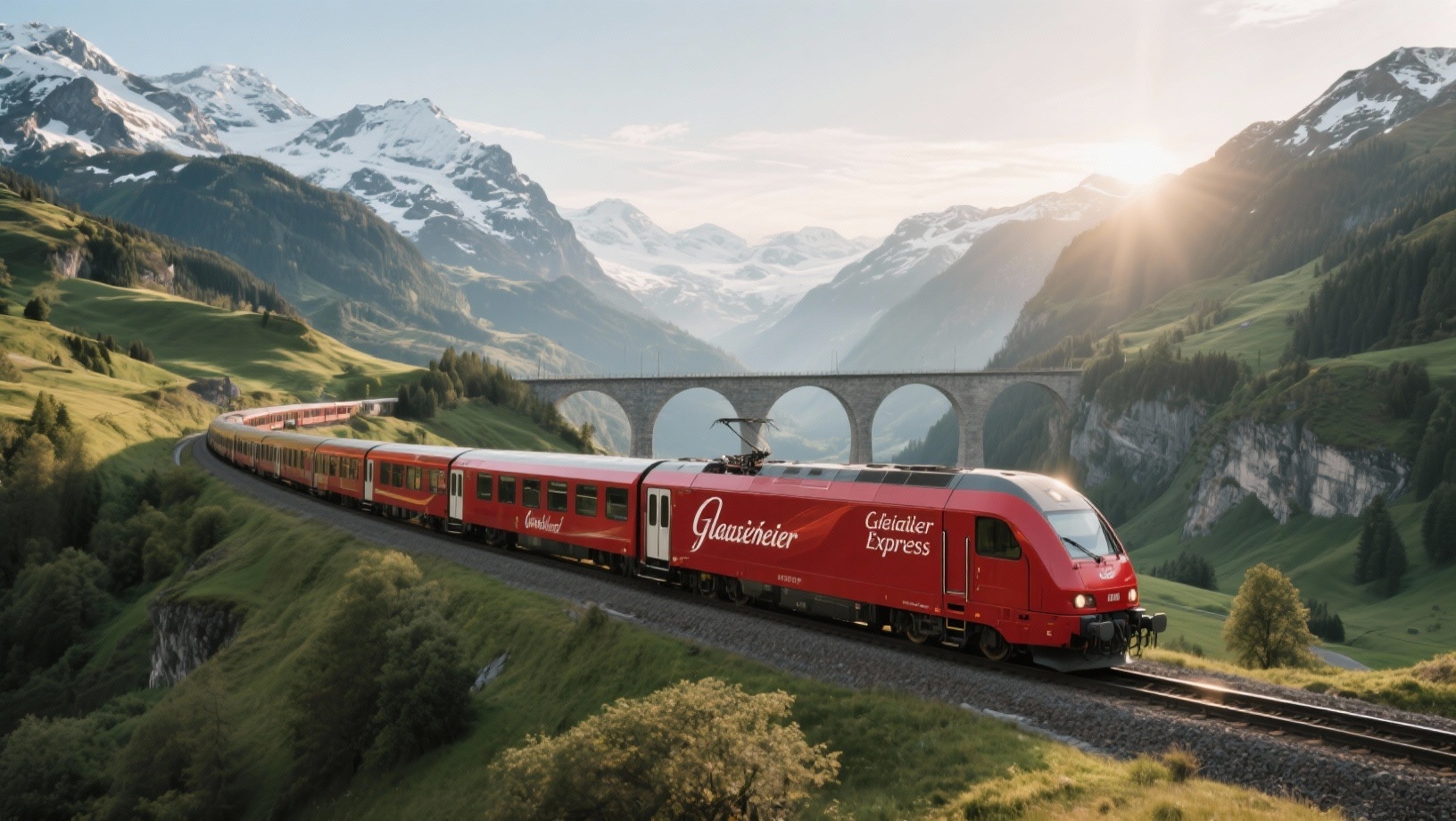
A journey on the Glacier Express is the most relaxing way to cross the Swiss Alps; it is a carefully organised experience that lets you enjoy your surroundings from start to finish. This train journey proves that the destination is not always the most important thing – it is the journey there that counts. Find out how to plan this special trip yourself and get the most out of it.
What is the Glacier Express?
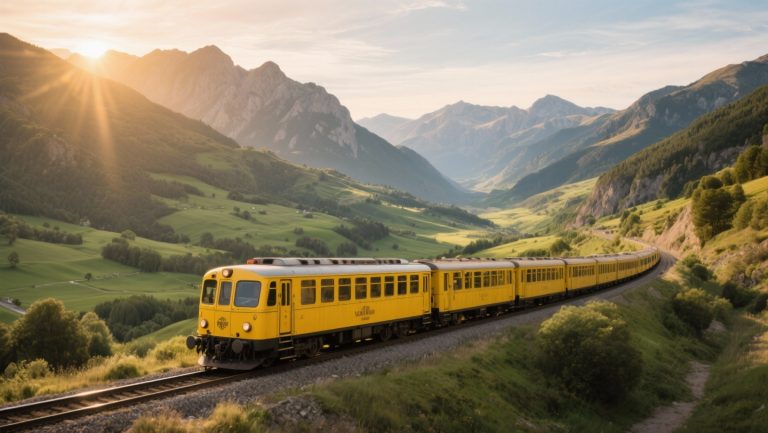
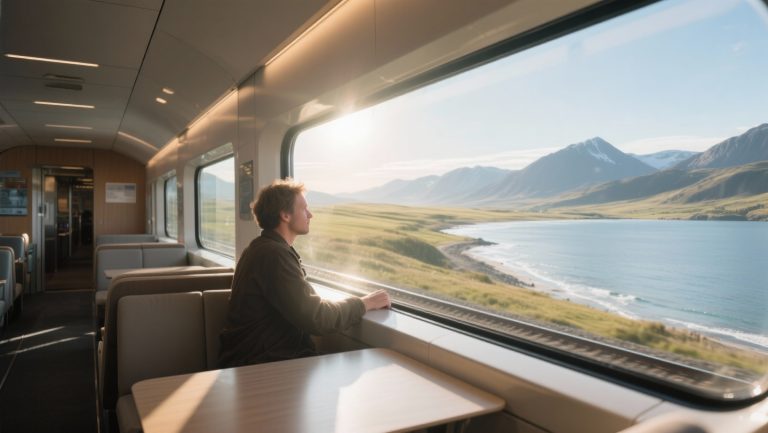
The Glacier Express is known as the slowest express train in the world. In around eight hours, the train covers a distance of 291 kilometres between the famous mountain villages of Zermatt and St. Moritz. The route takes you right through the heart of the Swiss Alps, passing through 91 tunnels and over 291 bridges. With an average speed of about 35 kilometres per hour, there is all the time in the world to take in the scenery. The panoramic carriages, with windows extending into the roof, are specially designed to give you an unobstructed view of the mountain peaks, deep valleys and traditional Alpine villages.
‘ The most important thing is a seat by the window. ‘
The route and the highlights along the way
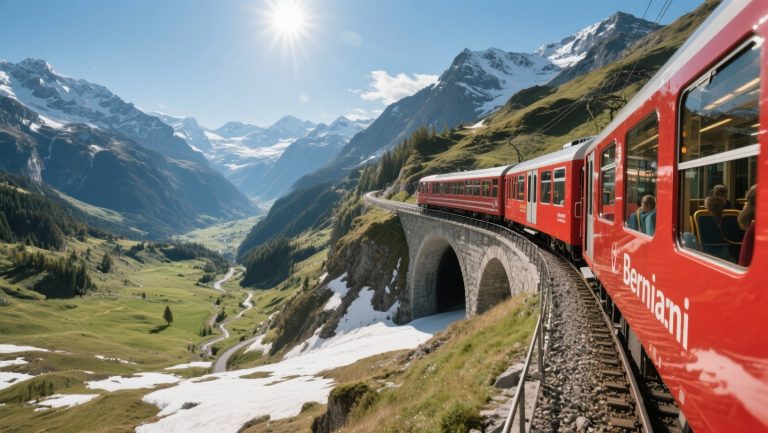
The journey on the Glacier Express is a succession of spectacular mountain landscapes, snow-capped peaks and green valleys. The train connects the cantons of Valais, Uri and Graubünden and showcases the diversity of Swiss nature, regardless of the direction in which you travel.
One of the best-known points on the route is the Oberalp Pass. At 2,033 metres, this is the highest point of the journey. Here you travel through a rugged, open landscape that is often covered with a thick layer of snow in winter. Another highlight is the Rhine Gorge, also known as the ‘Swiss Grand Canyon’. Here the train winds its way past steep, white rock walls carved out by the Rhine. Your journey begins or ends in Zermatt, where in good weather you can catch a glimpse of the 4,478-metre-high Matterhorn, one of the most photographed mountains in the world.
Which seats offer the best views?
A frequently asked question is on which side of the train you should sit. Although the views are worthwhile on both sides, there are a few guidelines for the route from Zermatt to St. Moritz:
- Right-hand side (in the direction of travel): This side generally offers the best views of the Matterhorn when leaving Zermatt and later of the deep valleys and the Rhine Gorge.
- Left-hand side (in the direction of travel): There is also plenty to see on this side, but the most iconic panoramas are more often on the right-hand side.
The panoramic windows are large, so you can still see a lot even if you are not on the ‘best’ side. The most important thing is a seat by the window. Because you reserve a seat in advance, you can try to indicate a preference when booking.
How long does the journey take and what are the prices?
The full journey from Zermatt to St. Moritz takes around eight hours. It is a long time to sit, but thanks to the constantly changing landscape and the comfortable facilities on board, the journey goes by surprisingly quickly. The price of a ticket depends on the class you choose and any discount cards you have, such as a Swiss Travel Pass.
The Glacier Express has several classes:
- 2nd class: Offers comfortable seats and large panoramic windows.
- 1st class: Gives you more space, with wider seats and more distance between you and your fellow passengers.
- Excellence Class: This is the most luxurious option, with a guaranteed window seat, a five-course menu, concierge service and access to an exclusive bar. The surcharge for this class is substantial.
Please note: in addition to your train ticket, a seat reservation is always compulsory. The costs for this are added on top of the ticket price and vary depending on the season. It is advisable to check the current prices and timetable on the official Glacier Express website.
When is the best time to travel and how do you book?
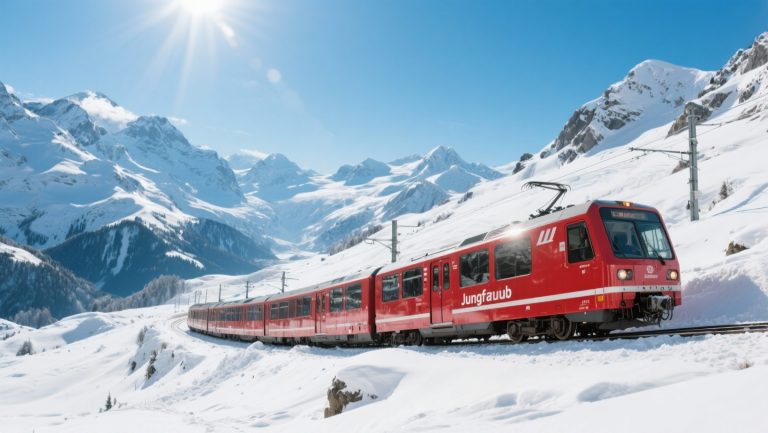
The Glacier Express runs all year round, with a short break for maintenance in late autumn. Both summer and winter offer a completely different experience. In summer, you travel past green meadows and crystal-clear blue lakes. In winter, the landscape is transformed into a white, snowy backdrop with frozen waterfalls and ice crystals on the peaks. Each season has its own charm; the choice depends on your personal preference.
You can book online via the official Glacier Express website or through the SBB (Swiss Railways). It is advisable to book your journey, and especially your seat reservation, well in advance. In high season (summer and winter), popular dates are quickly fully booked. By booking early, you have the best chance of getting a good seat.
On the Traveler Tips website you will find more practical guides and in-depth articles about travelling by train through Europe, planning a road trip through the Alps, or discovering well-known destinations in Switzerland. Discover more and plan your next trip more efficiently and with more background information.
Frequently asked questions
The most efficient route on the Glacier Express is from Zermatt to St. Moritz, or the other way round, a journey of about 8 hours. For the best views, choose panoramic carriages in 1st or 2nd class, or even Excellence Class for extra luxury. Book tickets and reservations in good time via the official website, especially during peak seasons, and consider a Swiss Travel Pass for discounts. Sit on the right-hand side on the Zermatt to St. Moritz route for the best views of the Matterhorn and the passes.
The Glacier Express offers a unique journey from Zermatt to St. Moritz, with highlights such as the Matterhorn, the Oberalp Pass and the Rhine Gorge, the ‘Swiss Grand Canyon’. Passengers can choose from 1st and 2nd class panoramic carriages, and the luxurious Excellence Class with a private concierge and a five-course menu. The train is known as the “slowest express train in the world” and offers a relaxing way to enjoy UNESCO World Heritage Alpine landscapes.
To integrate the Glacier Express smartly, plan it as a scenic day trip between two destinations, such as Zermatt and St. Moritz, with overnight stays at both ends. For luggage, you could consider sending it ahead to your next hotel or travelling light for the train day itself. Meals are excellently arranged on board, with options for lunch or dinner served at your seat or in the restaurant carriage. Combine the train ride with local activities such as hiking or skiing to explore the regions along the route in more depth.
To save on the Glacier Express, you can opt for 2nd class panoramic carriages or even regular regional trains, which follow a similar route but are cheaper. These alternatives offer a more flexible timetable and do not have the expensive reservation fees of the Glacier Express, although they are less luxurious and have fewer direct connections. A Swiss Travel Pass can also give a discount on the Glacier Express. Some travellers find regional trains just as beautiful and better suited to budget-conscious travellers.