NL
NL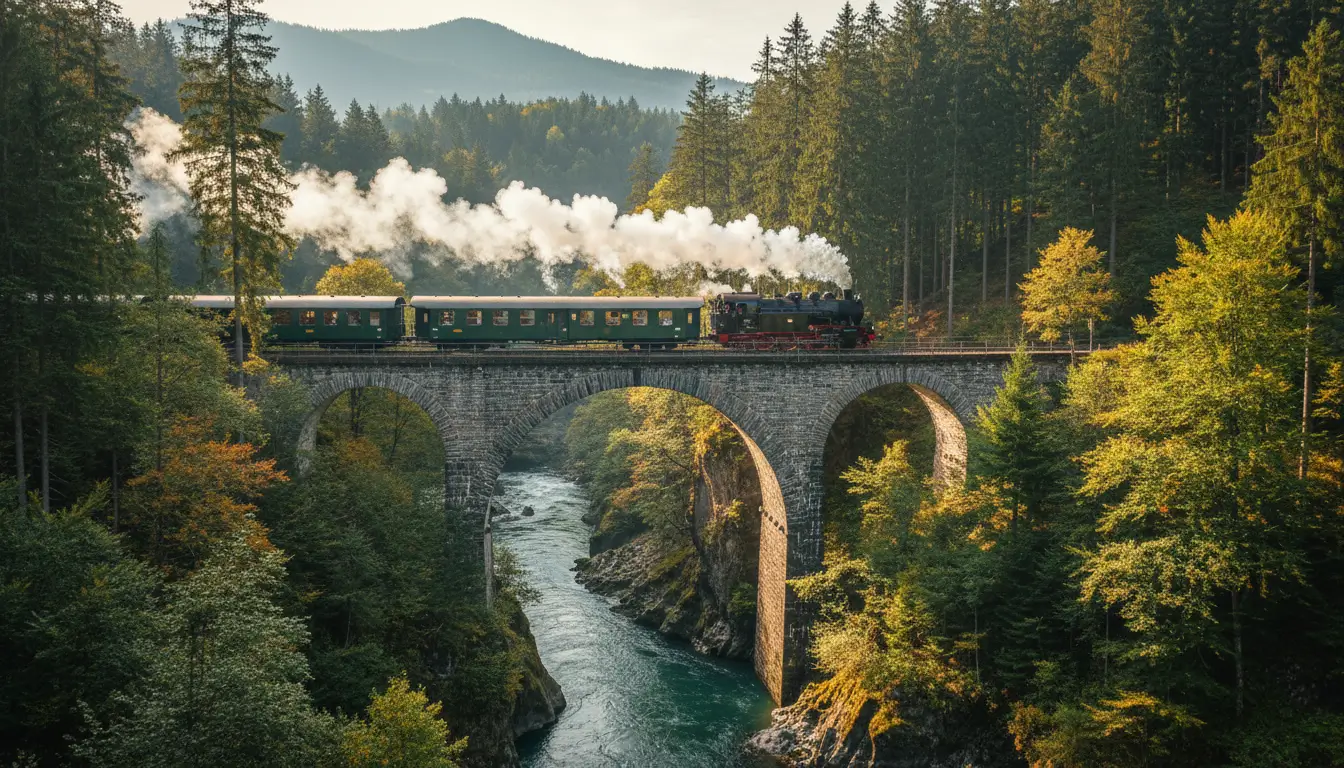
The Gotthard Panorama Express combines a boat trip across Lake Lucerne with a panoramic train journey through dramatic mountain passes and the historic Gotthard railway tunnel. This 5.5-hour route from Lucerne to Lugano introduces you to iconic railway engineering, spectacular views and the transition from the northern Alps to a Mediterranean atmosphere. Discover what makes this route so special.
A combination of boat and mountain train
The journey starts in Lucerne with a relaxing boat trip to Flüelen. You sail past picturesque shores and mountain ranges on Lake Lucerne, also known as the Vierwoudstedenmeer. At Flüelen you transfer to the panoramic train, which follows the original 1882 Gotthard railway line. This is not the new base tunnel used today for fast through trains, but the historic route with spiral tunnels and mountain passes.
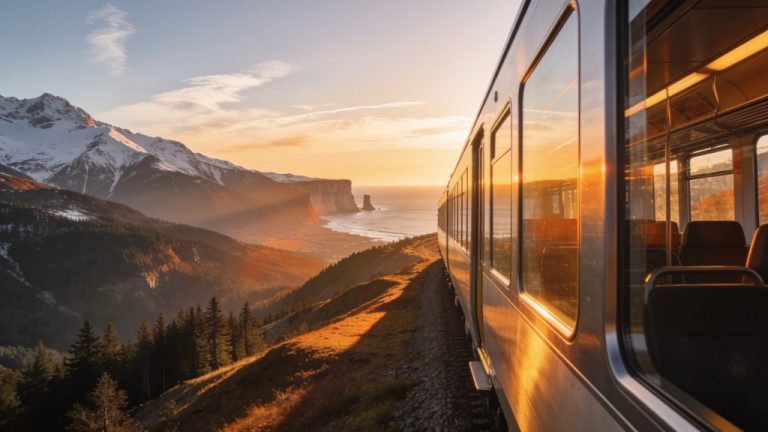
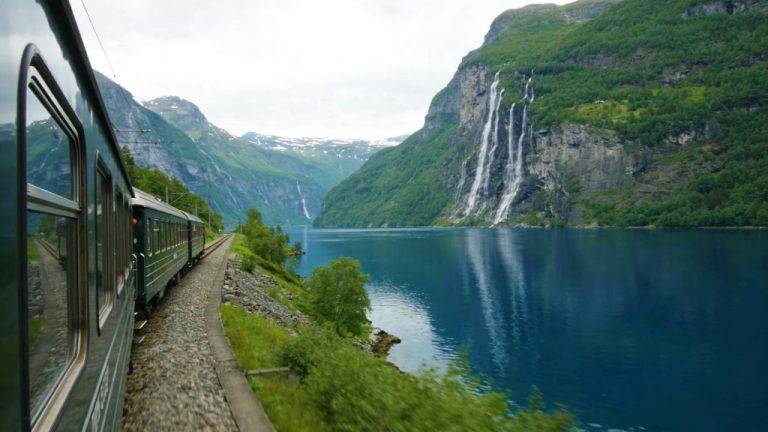
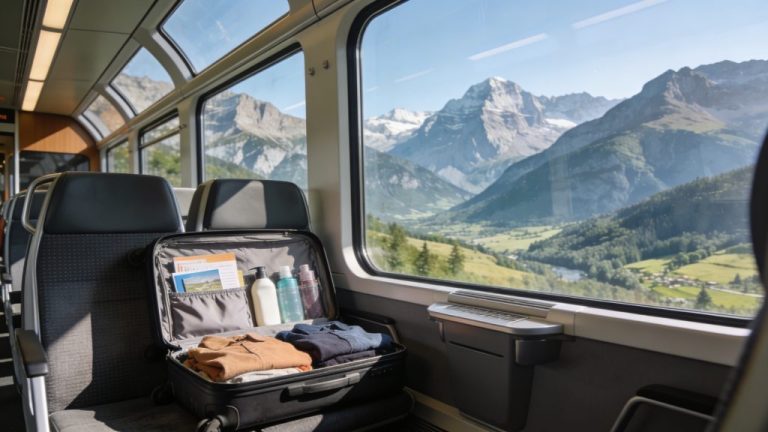
The train is equipped with panoramic windows that offer an optimal view of the surroundings. Along the way you are given an audio guide that tells you about the history of the route and the remarkable structures you pass. This journey belongs to the category of scenic rail: panoramic trains and the most beautiful rail routes that Switzerland has to offer.
‘ The spiral tunnels are a technical masterpiece from the 19th century and show how ingeniously the railway line was constructed to overcome steep gradients. ’
The route through the Reuss valley and spiral tunnels
From Flüelen the train climbs up through the Reuss valley. What makes this section special are the spiral tunnels: several spiral loops, partly inside tunnels. This technique allows the train to gain height quickly. As a result, you repeatedly get a view of the same village from different perspectives.
A highlight is the little village of Wassen with its distinctive white church. You see this village several times during the climb, each time from a different angle and at a different height. This phenomenon is world-famous and attracts many photographers. The spiral tunnels are a technical masterpiece from the 19th century and show how ingeniously the railway line was constructed to overcome steep gradients.
The Gotthard railway tunnel: a historic feat of engineering
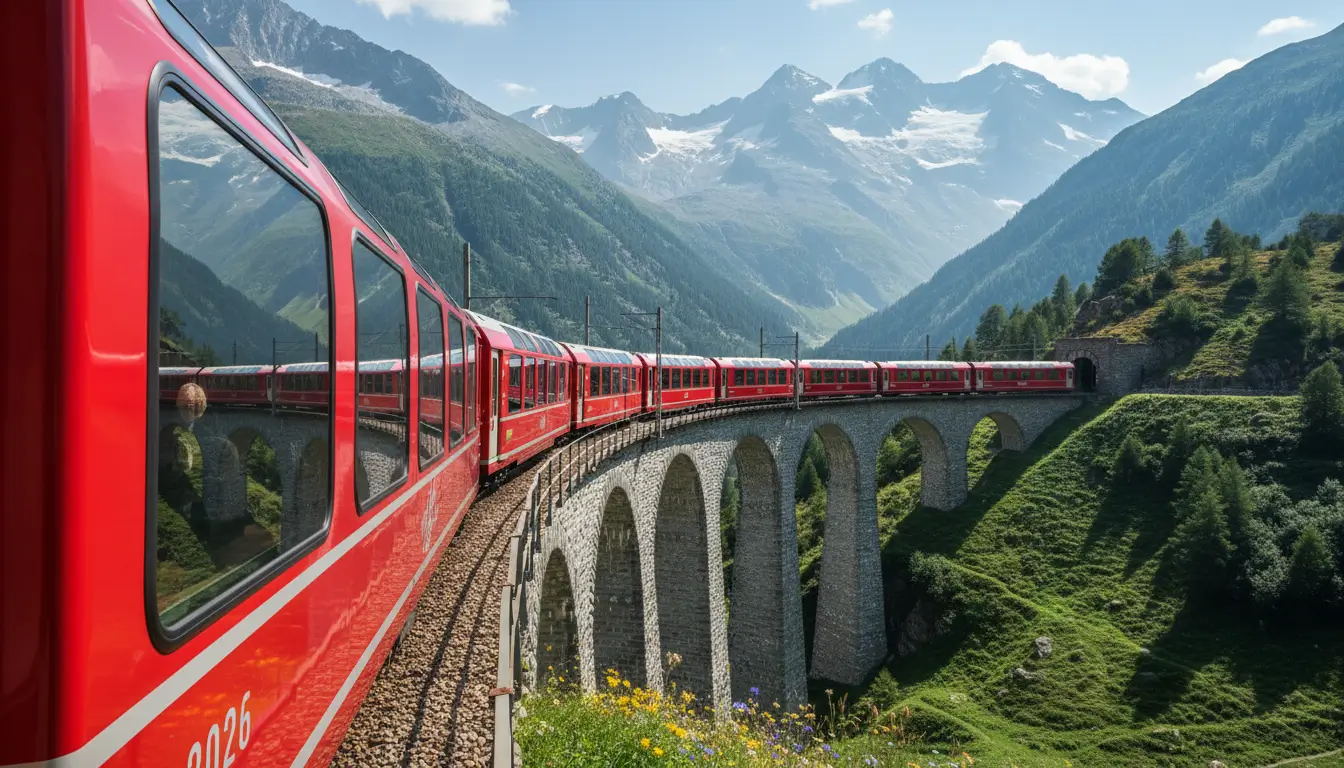
At Göschenen the train enters the original Gotthard tunnel. This tunnel is 15 kilometres long and runs straight through the Saint Gotthard massif. The tunnel was opened in 1882 and was then the longest railway tunnel in the world. It is an important part of the north–south railway connection through the Alps.
The tunnel links the German-speaking part of Switzerland with the Italian-speaking canton of Ticino. On the other side you emerge at Airolo, where you notice the transition from Alpine scenery to a more southern character. This tunnel should not be confused with the new Gotthard Base Tunnel from 2016, which lies much deeper and is used for high-speed trains. The Panorama Express deliberately runs along the old line because it offers far more views of the landscape.
Technical achievement from 1882
Construction of the original Gotthard tunnel took almost ten years and was a huge achievement for its time. The tunnel made it possible to transport goods and passengers much faster between north and south. Today, this route mainly offers a unique travel experience thanks to its combination of engineering and nature.
Descent into Ticino and a Mediterranean feel
After the tunnel the train descends through more spiral tunnels into the Leventina valley. You pass charming mountain villages, sheer rock faces and bridges that soar high above rivers. The climate becomes milder and the vegetation visibly changes. Palm trees appear in the landscape, a sign that you are approaching the southern part of Switzerland.
The train stops in Bellinzona, a town with three medieval castles that are on the UNESCO World Heritage List. From Bellinzona the journey continues to the final destination, Lugano. This city on the lake of the same name has a Mediterranean feel with terraces, promenades and an Italian atmosphere. The transition from the mountainous north to the southern character makes this journey particularly varied.
‘ The combination of the northern Alps and southern sunshine creates ever-changing colours and moods. ’
Mountain passes and landscapes along the way
The Gotthard Panorama Express takes you past various mountain passes and impressive landscapes. The route crosses the Gotthard ridge, an important watershed between rivers flowing towards the North Sea and those heading for the Mediterranean. You will see glacier peaks, snow-covered mountains in early summer and deep valleys with clear mountain streams.
Along the way you also pass small villages that have preserved their traditional character. The alternation between tunnels, viaducts and open sections through valleys makes for a dynamic journey. The combination of the northern Alps and southern sunshine creates ever-changing colours and moods.
Practical information for your journey
The Gotthard Panorama Express runs daily from 18 April to 18 October, with one service in each direction. It is wise to book well in advance, especially for panoramic seats. Reservations are compulsory for this route.
Tickets and discounts
The full journey costs around 164 Swiss francs without a discount card. With a Half Fare Card you pay half. If you have a Swiss Travel Pass, the boat trip is free or heavily discounted, but you do pay a reservation fee and a first-class upgrade. All seats in the panoramic coaches are first class, so travellers with a second-class ticket pay an extra 20 francs for the upgrade.
- Without pass: 164 CHF
- With Half Fare Card: 82 CHF
- With Swiss Travel Pass (2nd class): 31.50 CHF (reservation + upgrade)
- With Swiss Travel Pass (1st class): reservation only (24 CHF)
Travellers with a Eurail pass receive a 50 per cent discount on the boat trip and pay a reservation fee for the train.
Duration and comfort on board
The entire journey takes 5.5 hours. The boat trip lasts about 3 hours and the train ride about 2.5 hours. On board the train you can enjoy comfortable first-class seats, large panoramic windows and an audio guide providing information about the route and the history of the Gotthard line. You can buy food and drinks on board, but many travellers bring their own lunch.
Alternatives and combinations
You can also board at Arth-Goldau. This option is interesting if you do not have time for the boat trip or if you want to start at a different point. You can then combine the train journey with a visit to Mount Rigi, also known as the queen of the mountains. Rack railways to the summit of the Rigi depart from Arth-Goldau.
You can also extend the journey by spending extra time in Lugano or going for a walk in one of the mountain villages along the way. Bellinzona is a good stopover if you are interested in history and architecture.
‘ The name change has not altered the route or the comfort, but it has changed the marketing and presentation. ’
Tips for the best experience
Travellers recommend doing the journey from north to south so that in the morning you have optimal sunlight on the mountain passes. The views of the church of Wassen are at their best in clear weather or in the late afternoon. Take a camera with you, as the route offers countless photo opportunities.
The route has been called the Gotthard Panorama Express since 2017. Previously it was known as the Wilhelm Tell Express. The name change has not altered the route or the comfort, but it has changed the marketing and presentation.
Discover more on Traveler Tips
On the Traveler Tips website you will find much more information about train journeys through Europe, routes across the Alps and practical tips for planning your trip. Looking for other panoramic routes, information about train tickets or tips for destinations in Switzerland? You will find it all on Traveler Tips. Explore more and plan your next journey with reliable information.
Frequently asked questions
What are the best travel times and seats on the “Gotthard Panorama Express” for the most impressive views and comfort?
The most photogenic direction is usually from Lucerne to Lugano in the morning or early afternoon, because the light then falls beautifully on the Reuss valley, the church of Wassen and the mountain slopes. Where possible, choose a seat on the right-hand side in the direction of travel towards the south (north → south) for the best views of the church of Wassen and the valleys. In the panoramic coaches, window seats in the middle of the carriage are the most comfortable because there is less movement and the windows are largest. Reserve well in advance, as all seats are first class and popular window seats fill up quickly.
How can I integrate the “Gotthard Panorama Express” seamlessly into a wider car or road trip through Switzerland, with practical tips for parking and transfers?
Plan your road trip so that you drive by car to Lucerne or Flüelen (north side) or to Lugano/Bellinzona (south side) and include the Gotthard Panorama Express there as a loop, so that you end up back at your car afterwards. Choose Lucerne or Flüelen if you want the boat + train combination; in Lucerne you can park in multi-storey car parks at the station or near the KKL, while in Flüelen there are smaller (often cheaper) car parks by the lake and the station. On the southern side, the large car parks at Lugano station or in Bellinzona town centre are convenient for a day trip. Make sure you secure your train reservation first and plan your driving distances and transfer times generously, especially in high season or if you are driving over mountain passes.
Which specific sights and photo opportunities along the “Gotthard Panorama Express” route and the historic mountain passes should I definitely not miss for an optimal experience?
Do not miss the repeated views of the little church of Wassen in the Reuss valley, where the train runs in spiral loops and you can photograph the village from different heights. Also capture the impressive bridges and viaducts during the climb to Göschenen and around the northern Gotthard ridge. On the southern side, the descent through the Leventina valley, the palm trees and the atmospheric Lago di Lugano are perfect photo opportunities. Also plan time in Bellinzona to photograph the three UNESCO-listed castles and in Lugano to capture the lakeside promenade.
What are the differences in travel experience between the historic mountain route and the modern Gotthard Base Tunnel, and how can I combine both options smartly?
The historic mountain route (Gotthard Panorama Express / old mountain line) offers slow travel with panoramic windows, spiral tunnels, views of villages such as Wassen and a strong sense of altitude and changing landscapes. The Gotthard Base Tunnel is a fast, straight connection deep under the massif, with no views but lots of time saved and maximum travel comfort. A smart combination is to take the mountain route during the day on the outward journey for the scenery and return via the base tunnel for speed, or the other way round if your schedule is tighter. You can also take the full Gotthard Panorama Express (boat + mountain line) in one direction and use a regular InterCity train through the base tunnel in the other.
What “insider tips” are there to make a journey on the “Gotthard Panorama Express” budget-friendly, for example by looking at ticket combinations or specific travel days?
Travel with a Swiss Travel Pass or Half Fare Card and use the Gotthard Panorama Express in combination with regular trains to do parts of the route more cheaply (for example, only Arth-Goldau–Lugano by panoramic train). Choose second-class passes and pay only the compulsory first-class upgrade and reservation instead of a full first-class ticket. Check whether you get 50 per cent discount on the boat and the train with Eurail or Interrail and combine this with the compulsory reservation. Travel outside the high season or on weekdays to avoid expensive last-minute bookings and very popular peak days.