 NL
NL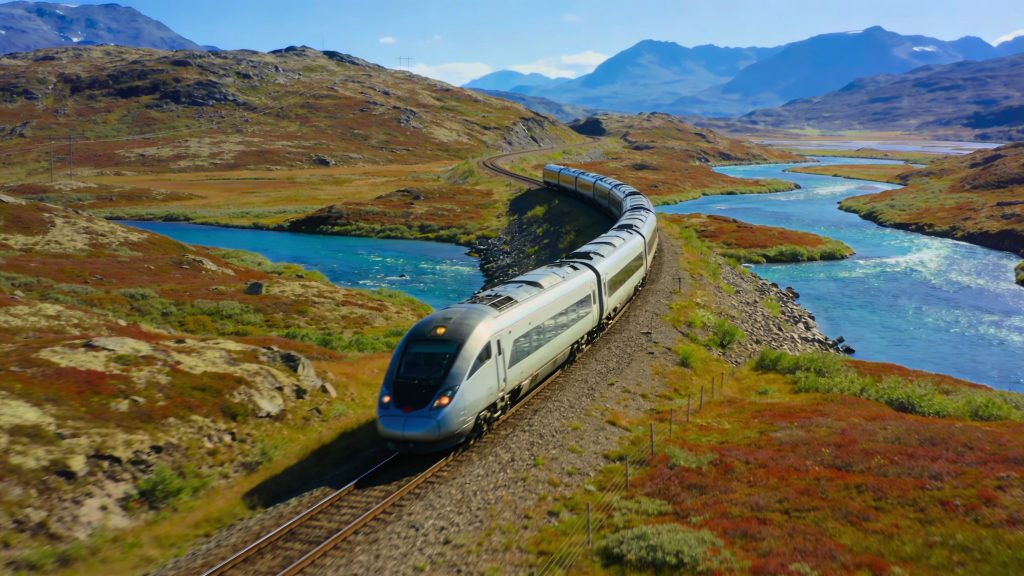
The Grand Train Tour of Switzerland brings together six iconic panoramic trains in one continuous route of 1,280 kilometres, passing eleven lakes, five UNESCO World Heritage Sites and through four language regions. This self-guided train journey takes you from glaciers to vineyards, without the need to plan a route yourself. Find out how to prepare smartly for this spectacular rail experience.
What makes the Grand Train Tour special
This round trip combines all the major panoramic lines of Switzerland in one coherent route. You travel on six different trains, each with its own character and scenery. The tour consists of eight stages that you put together yourself. Following the full route is not compulsory; each section can also be booked separately.
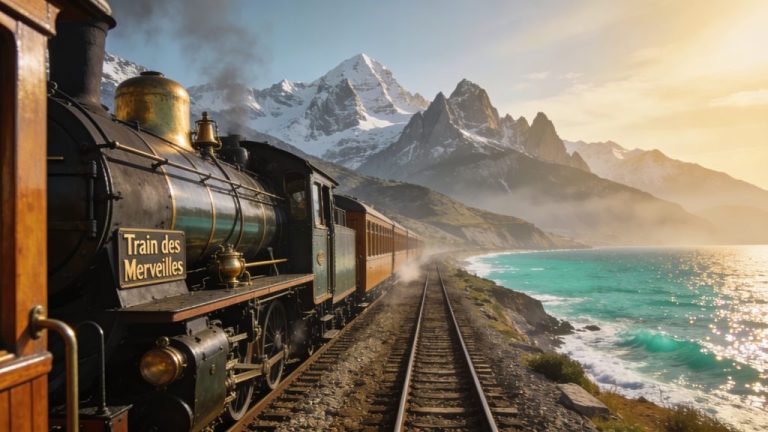
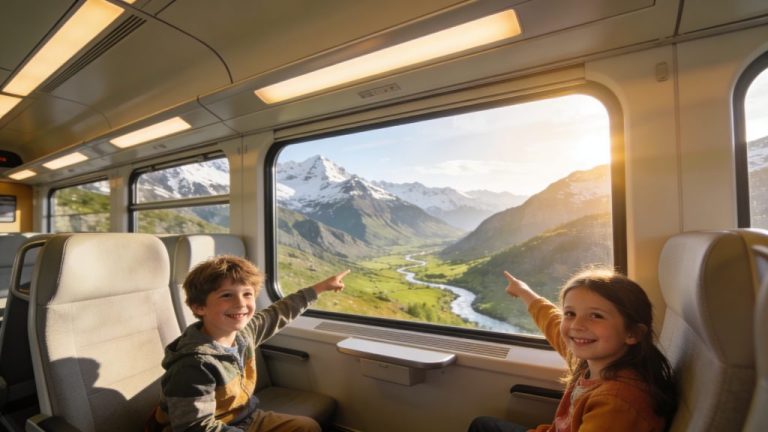
The route takes you through the Alps, along large lakes and through historic cities. You pass iconic destinations such as Zermatt, St. Moritz, Lucerne and Montreux. Along the way, you see mountain peaks, deep gorges, waterfalls and vineyards. For fans of scenic rail: panoramic trains and most beautiful train routes, this is an ideal way to combine several top routes.
The Grand Train Tour is not a fixed service with a single train, but a combined route along existing railway lines. You change trains at various stations and choose yourself where you stay overnight. There is a high degree of flexibility: choose between seven or ten days, add extra excursions or travel only parts of the route.
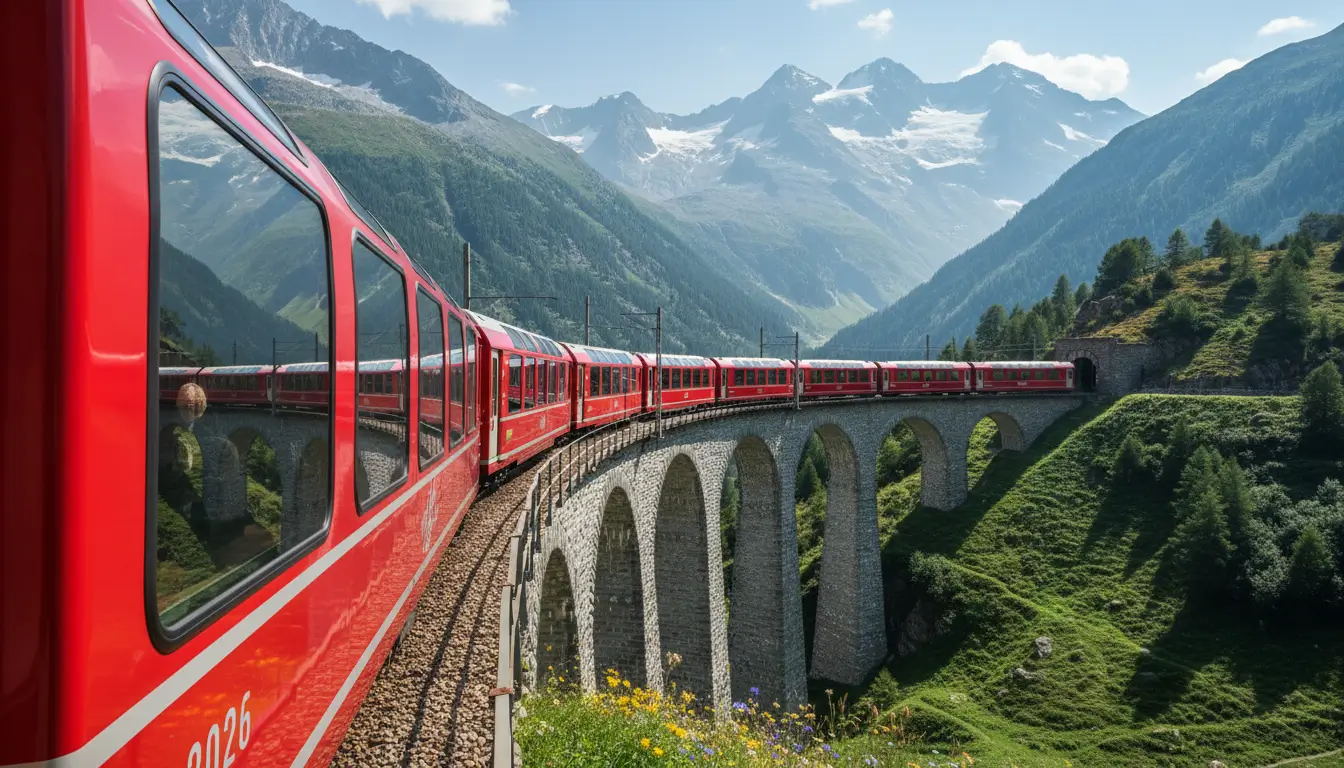
‘ The Bernina Express is the highest railway line in Europe and takes you from glaciers to palm trees. ’
These six panoramic lines are part of the tour
The route integrates six panoramic trains, each with unique features and views. Below is an overview of the trains you take along the way.
Glacier Express
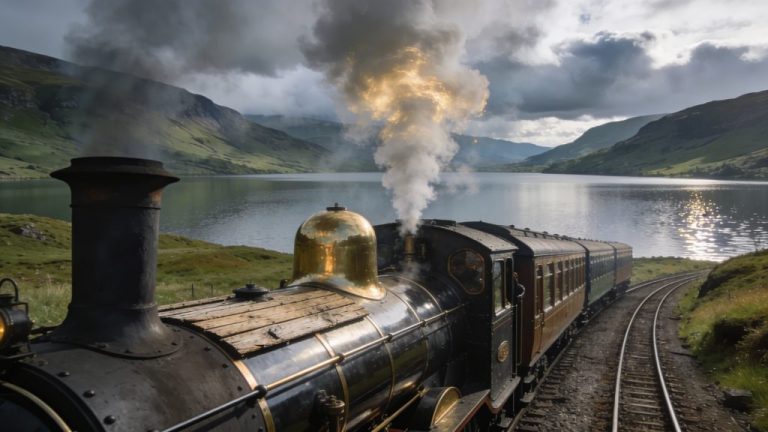
This train links Zermatt with St. Moritz in around eight hours. The route is known as the world’s slowest express and runs through the Rhine Gorge, over mountain passes and through 91 tunnels. You travel from the Matterhorn region to the Engadine Alps. The train has panoramic windows that give you wide views from your seat.
Bernina Express
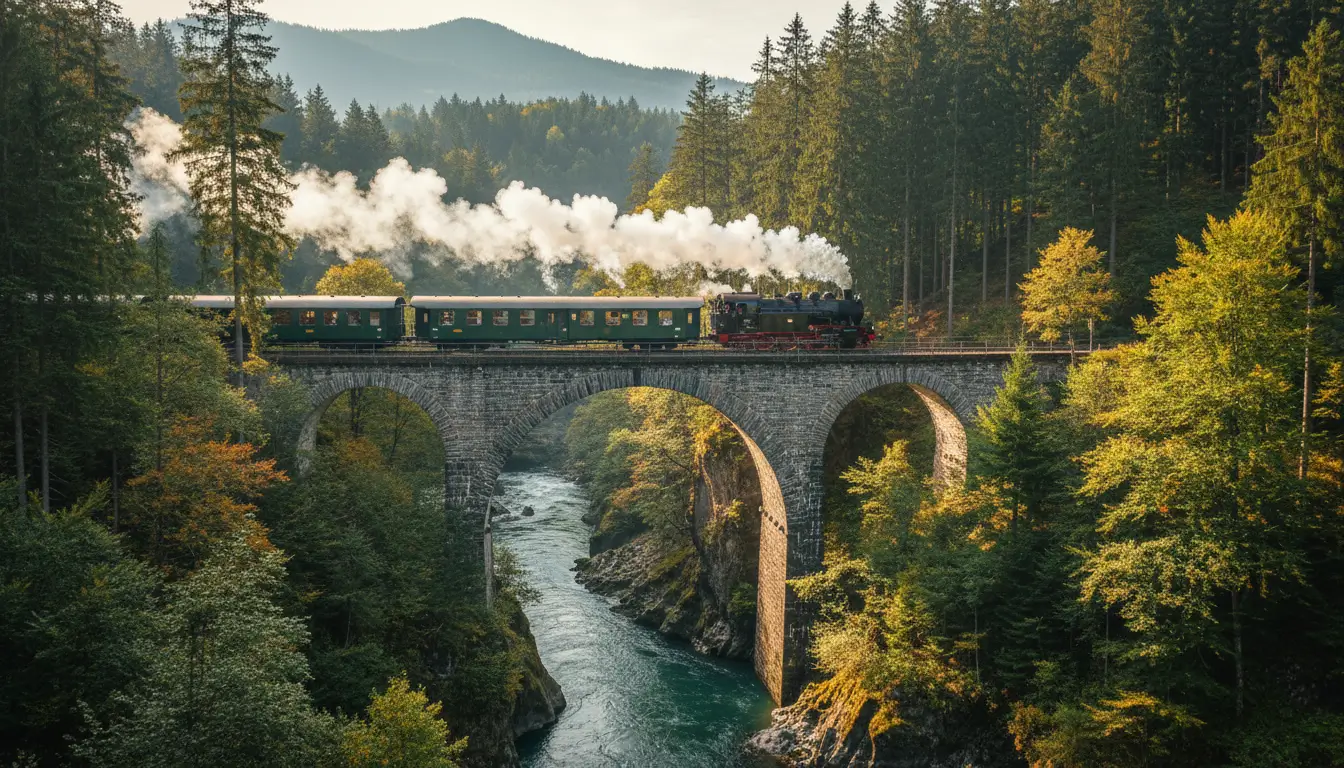
From St. Moritz you travel to Tirano in Italy and then on to Lugano. This section takes about five hours and forty minutes. The Bernina Express is the highest railway line in Europe and takes you from glaciers to palm trees. You cross the famous Landwasser Viaduct and see UNESCO-listed landscapes. The difference in altitude and the variety of scenery make this section special.
GoldenPass Express
This line connects Interlaken or Zurich with Montreux via Lucerne in around three hours. The train runs from the Alps to the Lavaux vineyards, which are on the UNESCO World Heritage List. Along the way you can stop at Chillon Castle. The route shows two very different sides of Switzerland.
Gotthard Panorama Express
This section combines train and boat. You travel from Lugano to Flüelen and then on to Lucerne. The route takes you from the lakes in Ticino to Lake Uri. Part of the journey is by panoramic boat across Lake Lucerne. This combination of modes of transport offers a different perspective on the landscape.
Matterhorn Gotthard Bahn
From Montreux you travel via Visp to Zermatt in about two and a half hours. The train climbs 900 metres through the Rhône Valley and the Mattertal. Zermatt is car-free, which means your luggage is transported by train. From here you have views of the Matterhorn.
Voralpen-Express and Thurbo Seelinie
The Voralpen-Express links Lucerne with St. Gallen in around two hours and twenty minutes. You travel over rolling hills with Alpine panoramas to the Abbey of St. Gallen, a UNESCO World Heritage Site. The Thurbo Seelinie runs from St. Gallen via Schaffhausen to Zurich in around two hours and fifteen minutes. This route takes you along Lake Constance, the Rhine and the Rhine Falls, the largest waterfalls in Europe.
How long does the Grand Train Tour of Switzerland take
The standard duration is seven to ten days. This depends on the package you choose and the number of overnight stays. The route can be extended with extra excursions, such as a visit to the Jungfraujoch or other mountain trips. Some travellers choose to travel more slowly and spend more time at each destination.
The tour consists of modular stages. Most travellers start in Lucerne or Zurich. You can adapt the order to suit your travel plans. Each stage takes a few hours, with overnight stays in hotels along the route. You decide yourself when to continue your journey and where to stay longer.
Can I book parts of the tour separately
Yes, each section can be booked separately. You are not required to follow the complete tour. Many travellers choose one or two panoramic lines, as these are often the most appealing. The trains run all year round according to fixed timetables.
For some sections reservations are compulsory. This applies, for example, to the Glacier Express and Bernina Express. In particular, the panoramic carriages require a reservation. Outside the high season, the chances of travelling without booking in advance are higher, but you only have certainty with a reservation.
‘ Be aware that some panoramic trains charge a supplement on top of the pass. ’
What are the costs and what is included
The price depends on the package you choose. Packages with accommodation and luggage transport start from around CHF 1,278 for seven days or CHF 3,195 for ten days. This varies per version: the classic version, the Jungfrau variant with the Top of Europe or the top attractions package.
A Swiss Travel Pass covers most sections. This flexible pass is valid for six or more days and gives access to the Swiss rail network. Be aware that some panoramic trains charge a supplement on top of the pass. Reservation fees for specific trains are not always included.
Luggage transport is available as an additional service. This is convenient because you are travelling between different accommodations. In car-free places such as Zermatt, luggage is transported by train. The myGrandTrainTour app helps with planning and provides real-time updates on timetables and connections.
Best time to do the Grand Train Tour
The tour is possible all year round, but May to September offers the best weather for full panoramic views. In summer all routes are accessible and the vistas are clear. You can also travel in winter, but snow can restrict some views, although the snow-covered landscapes are impressive.
Book reservations in advance, especially in high season. This applies to popular panoramic trains such as the Glacier Express and Bernina Express. Outside peak times, often in the morning or around midday, the trains are quieter. Weekends are busier than weekdays.
Practical tips for your preparation
Download the myGrandTrainTour app before you leave. This app contains the timetable, a travel guide and practical information for each stage. You can adapt routes and receive real-time updates on your connections.
Travel light or make use of the luggage service. You change accommodation regularly and in some places cars are not allowed. Sending luggage ahead saves hassle and makes the journey more comfortable.
Reserve seats on the correct side of the train for the best views. On the Glacier Express, for example, sit on the right-hand side for views of the Matterhorn area. Some travellers recommend taking a picnic, as not all panoramic carriages have catering.
Combine the train journey with mountain excursions. Many stops give access to cable cars and mountain peaks, such as Mount Titlis near Lucerne or the Gornergrat near Zermatt. These outings add an extra dimension to your trip, but they do require additional time and budget.
‘ The combination of natural beauty and urban culture makes the journey very diverse. ’
What highlights can you expect
The tour passes five UNESCO World Heritage Sites. These are the Abbey of St. Gallen, the Lavaux vineyards, the Rhaetian Railway section of the Bernina Express, the Swiss Alps Jungfrau-Aletsch region and the Swiss part of Monte San Giorgio. Each site represents a different aspect of Swiss culture and nature.
You travel through four language regions: German, French, Italian and Romansh. This makes the route culturally varied. Cities such as Lucerne, Montreux, Lugano and St. Gallen each have their own character. The combination of natural beauty and urban culture makes the journey very diverse.
The Rhine Falls near Schaffhausen can be seen directly from the train. These are the largest waterfalls in Europe. The section over the Landwasser Viaduct on the Bernina Express is a photographic highlight. The transition from glacial landscapes to Mediterranean atmospheres around Lugano is striking.
Accessibility and special options
There is a special accessible version of the tour for travellers with reduced mobility. This route takes account of lifts and accessible facilities at stations and accommodations. When booking, contact the organiser to communicate your specific needs.
Some packages offer themed variants, such as the Jungfrau route, which includes the Top of Europe. This is an additional mountain section to one of the highest points in the Alps. There are also possible combinations with boat trips that enhance the slow travel experience.
Discover more on Traveler Tips
The Grand Train Tour of Switzerland is one of many ways to explore Switzerland by rail. On the Traveler Tips website you will find extensive information about other train journeys, practical travel tips and routes across Europe. Discover more about planning your rail holiday, from required documents to smart booking tips.
Frequently asked questions
Plan at least 7–10 days so you can spread the eight stages with all six panoramic lines at a relaxed pace, with overnight stays in Lucerne, Interlaken, Montreux, Zermatt, St. Moritz, Lugano and optionally St. Gallen. Start conveniently in Zurich or Lucerne and follow the logical loop (e.g. Zurich–Lucerne–Interlaken–Montreux–Zermatt–St. Moritz–Tirano–Lugano–Lucerne–St. Gallen–Zurich), so that connections remain short and efficient. Use a Swiss Travel Pass and book seats on the Glacier Express and Bernina Express well in advance, preferably outside weekends and rush hours for more comfort. Plan a maximum of one long panoramic train per day, combine shorter sections with excursions (e.g. Gornergrat, Pilatus) and travel light or use luggage transport to keep things as relaxed as possible en route.
The Swiss Travel Pass (or Swiss Travel Pass Flex) is generally the most economical and flexible option, as it covers almost all regular trains, buses, boats and many mountain railways on the Grand Train Tour. For travellers who do not want to travel every day, the Swiss Travel Pass Flex (with a limited number of freely selectable travel days within a month) can be more cost-effective. Any compulsory seat reservations for panoramic trains such as the Glacier Express and Bernina Express are paid for separately.
Where possible, choose seats on the side of the panoramic trains with the best views: towards Zermatt preferably on the Matterhorn side, on the Bernina Express on the side facing Lago Bianco and the Landwasser Viaduct for mountain and valley views. Travel outside peak hours and preferably in the morning or early afternoon, when it is quieter and the light is often better for photos. Plan stops at iconic photo moments such as the Landwasser Viaduct, the Rhine Gorge, the Lavaux vineyards and viewpoints around Zermatt (e.g. Gornergrat). Allow time for stopovers and short walks along lakes and viewpoints instead of doing every section in one go, so that you can really experience the surroundings.
You need at least 7 days to do the full Grand Train Tour of Switzerland, although 7–10 days are recommended for a relaxed pace. The route is circular and flexible, but many travellers find the tour most logical and atmospheric in the direction Zurich/Lucerne → Interlaken → Montreux → Zermatt → St. Moritz → Lugano → Lucerne → St. Gallen → Zurich.