 NL
NL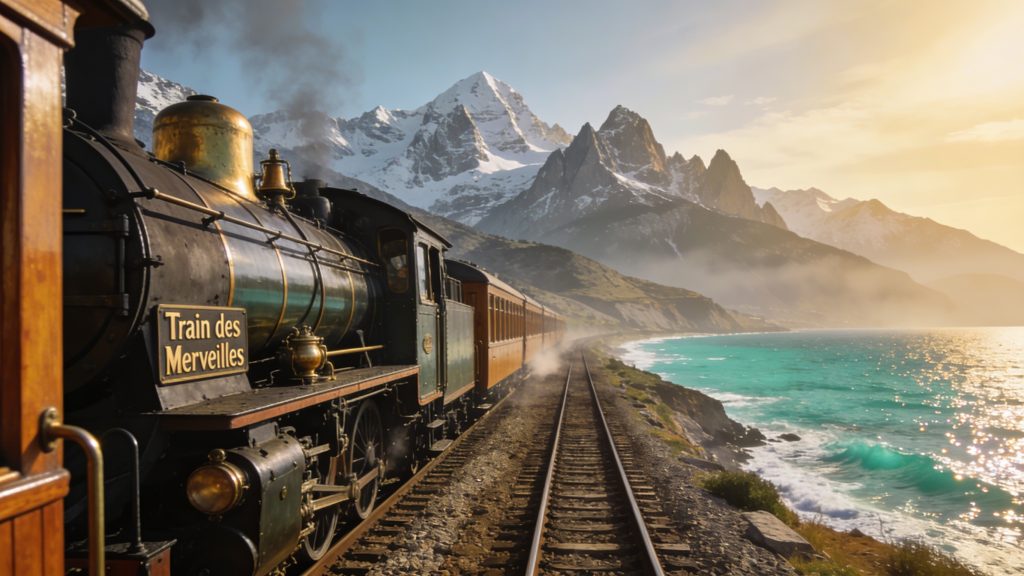
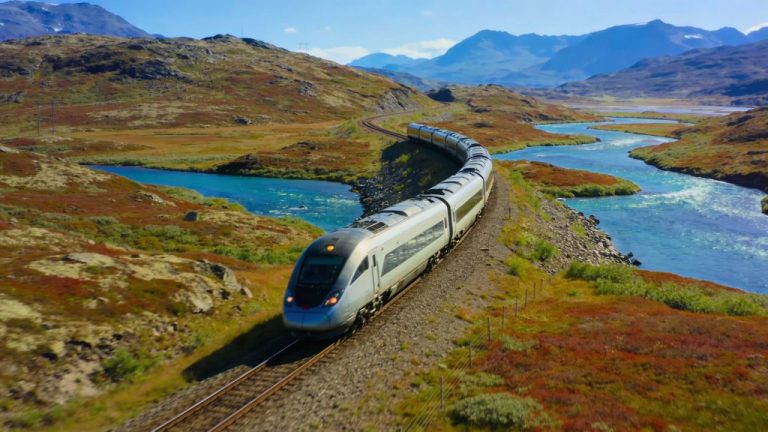
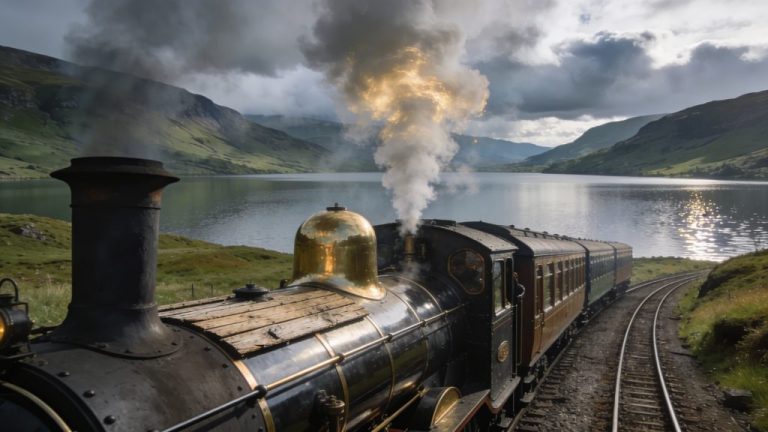
The Train des Merveilles is a panoramic train route that in just two hours takes you from Nice on the Mediterranean Sea to the mountain village of Tende in the French Alps, cutting through valleys, over viaducts and through ingenious spiral tunnels. This 100 to 120 kilometre railway line climbs from sea level to over 1,000 metres altitude. As you rattle along the way, you pass lush forests, wild rivers and medieval villages. This train journey is an undiscovered gem for anyone who loves slow travel and wants to experience different landscape zones without long car journeys.
From Nice to the Alpes-Maritimes
The journey starts at Nice station and follows three mountain valleys: the Paillon, the Bévéra and the Roya. Soon after departure you leave the Côte d’Azur behind and you notice how the surroundings change. Green hills give way to deep gorges and granite rock faces. Along the route you pass villages clinging to the hinterland. They often have a single main street and a baroque church. The view keeps changing: wide panoramas over beech forests, glances down at foaming streams and then suddenly another dark tunnel drilling its way through the mountains.
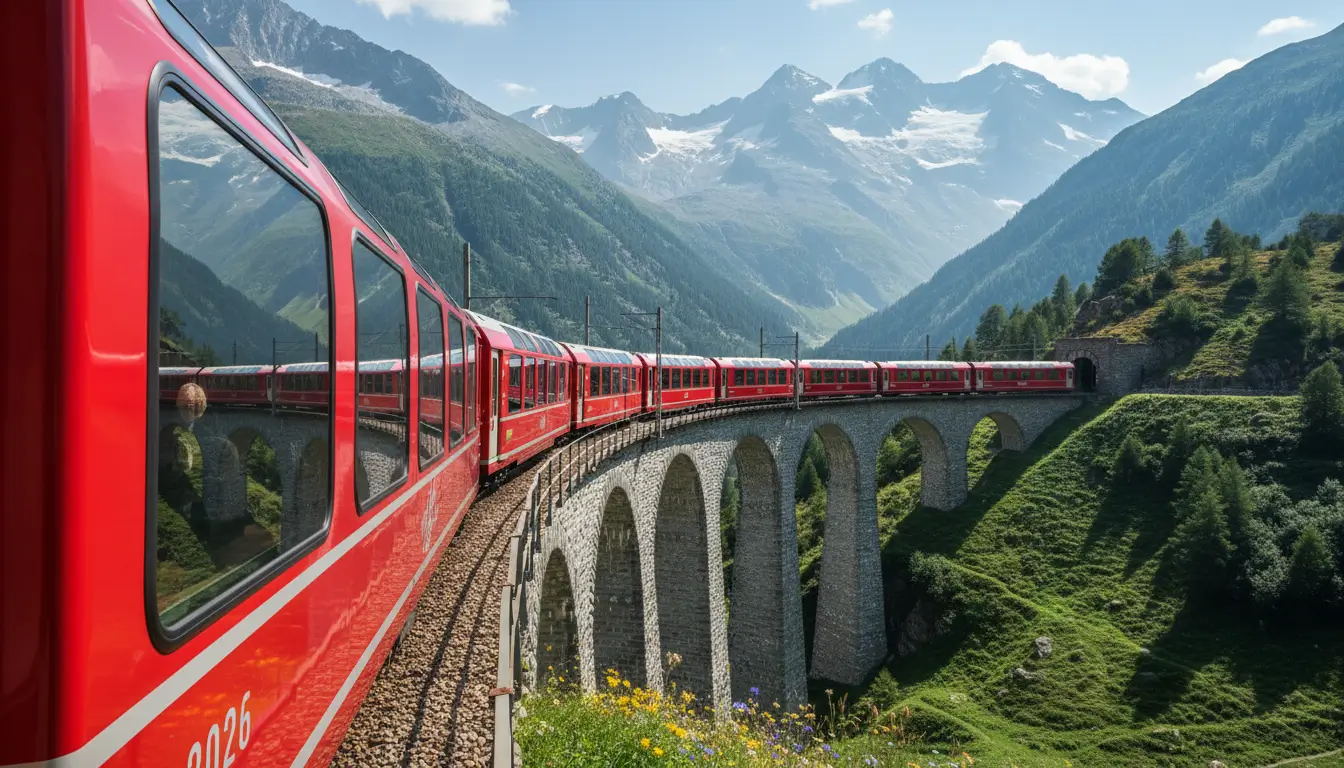
The line was built in 1928 and restored after the Second World War. The engineering work is striking: spiral tunnels allow the train to gain height on curves without overly steep gradients. Viaducts span deep gorges and offer travellers spectacular views. Especially after Breil-sur-Roya the 360-degree panoramas are praised by travellers discovering this route. This train journey is counted among the scenic rail: panoramic trains and most beautiful rail routes of Europe.
‘ You can get off to go walking, visit a museum or simply wander around in an area that has not yet been taken over by mass tourism. ’
Key stops along the route
Along the way the train stops at a number of villages, each with its own character. You can get off to go walking, visit a museum or simply wander around in an area that has not yet been taken over by mass tourism.
Breil-sur-Roya
This historic village lies on the River Roya and is home to the Écomusée du Haut Pays et des Transports. The museum tells the story of the railway line. Construction started in 1928. After the war, restoration followed. If you are interested in the technical side of train travel, this is a good stopover. The village itself is small and easy-going, with narrow streets and local shops.
La Brigue
La Brigue lies on the River Lévansa and forms a gateway to Mercantour National Park. The village has cobbled streets and buildings in Piedmont architecture. You will find baroque art in several churches and chapels, including the Notre-Dame des Fontaines chapel just outside the village. This chapel is known for its frescoes and is well worth a visit if you enjoy religious art and peaceful locations.
Tende
Tende lies at around 800 metres altitude and is the end point for many travellers. The village serves as a base for walks in the Vallée des Merveilles, a valley with prehistoric rock engravings. The railway continues into Italy through a five-kilometre tunnel under the Col de Tende. There the line reaches its highest point of 1,024 metres. From Tende you can travel on to Cuneo if you want to cross the border, or you can stay overnight in Tende to explore the area in more depth.
Practical information for your journey
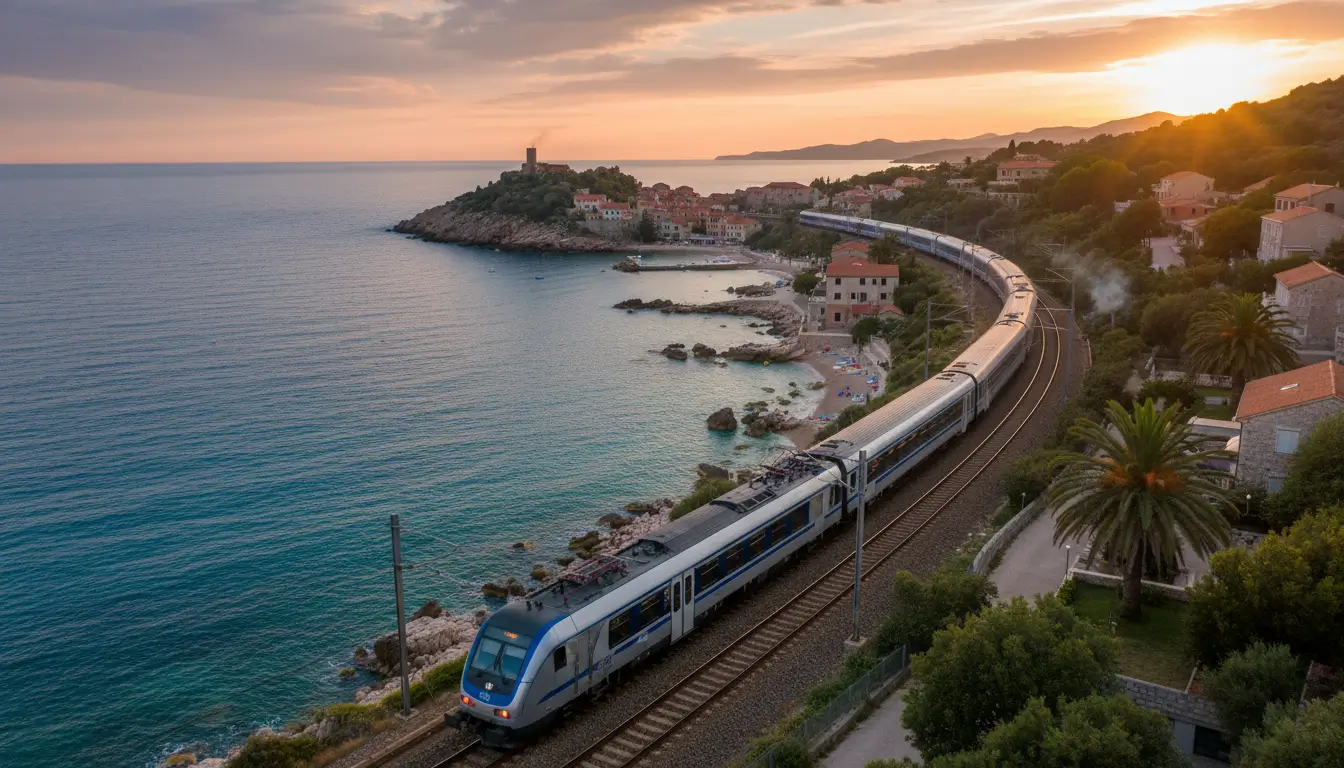
The Train des Merveilles runs all year round, but the experience differs by season. In summer you see green valleys and flower-covered slopes, while in winter you get snowy landscapes and bare mountain peaks. From May to October guided journeys are offered with a guide who provides information along the way about the surroundings and the history of the line.
The daily morning train departs from Nice at 9:32 and arrives in Tende at 11:32. This is a popular train because it gives you a full day in the mountains and you can return to Nice in the evening. In addition to the guided morning journey there are several other services each day. The total journey time is about two hours, depending on stops and any delays.
You book tickets online. Prices vary, so check the current fares before you book. The trains are air-conditioned, which is pleasant in summer. Bear in mind that the line sometimes suffers disruptions due to flooding or avalanches, especially in spring and after heavy rainfall. It is sensible to check the status of the line in advance.
How to get to Nice
Nice is easy to reach from the Netherlands and Belgium. Low-cost flights land at Nice Côte d’Azur, the airport a short distance from the centre. From the airport you take a tram or bus to the train station. If you prefer to travel by train, there is a TGV from Paris. The journey from Gare de Lyon takes about six hours. This way you travel entirely by rail and can visit other cities along the way.
‘ The flexibility of this line makes it suitable both for day trips and as part of a longer round trip. ’
Tips for along the way and for your return
Because the villages along the way are small and quiet, it is handy to bring a picnic. Local shops have limited opening hours and are sometimes closed outside the tourist season. There is no restaurant car on board, so make sure you bring enough food and drink.
For your return you have several options. You can return to Nice the same day on a later train, or stay overnight in Tende to have more time for walks and museums. If you are planning a longer trip, travel on from Tende towards Italy and combine the route with other railway lines in the region. The flexibility of this line makes it suitable both for day trips and as part of a longer round trip.
Vallée des Merveilles and walking options
The Vallée des Merveilles, or Valley of Wonders, lies in Mercantour National Park and can be reached from Tende. The valley is known for thousands of prehistoric rock engravings dating back to the Bronze Age. Walks range from easy routes to demanding full-day hikes. Access to the area is regulated to protect the rock engravings, so check in advance what permits and opening times apply.
For those looking for less strenuous walks, the surrounding mountains offer numerous paths with views of the Alps and the valleys. Ask the tourist offices in Tende and La Brigue for information on routes and levels of difficulty.
Seasons and when to travel
Each season has its advantages. In summer everything is green and the paths are easily accessible. The guided journeys with a guide also run then, which gives extra context to what you see. In autumn the forests change colour and there are fewer tourists. Winter offers snowy landscapes and a serene atmosphere, but walking becomes more difficult and some paths are closed. Spring brings changeable weather and a higher risk of disruptions due to meltwater and unstable ground.
If you prefer peace and fewer crowds, choose the shoulder seasons. If you want to join a guided journey and make the most of the nature, summer is the best option.
‘ Old tunnels, modest stations and villages that have changed little since the train first stopped there give you the feeling of discovering something that not everyone has already visited. ’
Why this train journey is worth it
The Train des Merveilles is not a mass-tourism attraction. It is a working railway line that gives you access to a region that is otherwise hard to reach without a car. The variety of landscapes, the technical achievement of the railway and the authenticity of the villages make it a valuable addition to any trip through southern France. Whether you spend one day on the out-and-back journey or stay several nights to go walking, the line offers a different perspective on the Alps than the well-known ski slopes and tourist hotspots.
The route feels like a journey back in time. Old tunnels, modest stations and villages that have changed little since the train first stopped there give you the feeling of discovering something that not everyone has already visited. That is what makes this journey special for travellers in search of authenticity and rich landscapes.
On the Traveler Tips website you will find much more information about train journeys through Europe, routes you can plan yourself and practical tips for along the way. Discover more about destinations, regulations and how to prepare for your journey, so that you set off well prepared and with confidence.
Frequently asked questions
You can easily do the Train des Merveilles as a day trip from Nice and combine it with a fly-drive or TGV journey to the Côte d’Azur. For example, first plan a road trip through the French Alps or the Mercantour area and use villages such as Breil-sur-Roya, La Brigue or Tende as start or end point, where you park the car and experience the section by train. Alternatively, after arriving in Tende you can switch to walks in Mercantour National Park or continue on towards Italy (Cuneo) for a longer round trip. Combine the train ride with overnight stays in mountain villages so that you integrate the coast (Nice) and Alpine landscapes into one itinerary.
Book your tickets in advance via SNCF/TER (or the regional ZOU site) and preferably opt for the morning train with guide in high season. Board as early as possible to secure a window seat on the mountain side; on the outward journey Nice–Tende these give the best views after Breil. Travel as light as possible, with a small suitcase or rucksack, so that your luggage fits easily in the racks or above your seat. Keep valuables in a daypack with you, especially if you get off regularly in villages along the way.
Along the way, the villages of Breil-sur-Roya, La Brigue and Tende in particular are worth getting off for, because of their historic centres, river views and location on the edge of Mercantour National Park. Between Breil and Tende you have the most spectacular views of the gorges, viaducts and spiral tunnels. In Tende itself there are various viewpoints over the valley and the surrounding mountain peaks.
The ideal time to travel is between May and October, when there is a guide on board and the landscape is at its greenest; in winter you have a good chance of beautiful snowy scenes. The journey itself takes about two hours each way between Nice and Tende. You can travel on a budget by booking early and using regional TER tickets, which are often cheaper than TGV or international tickets. Low-cost flights to Nice or a TGV journey in cheaper fare classes can also keep the overall trip affordable.