NL
NL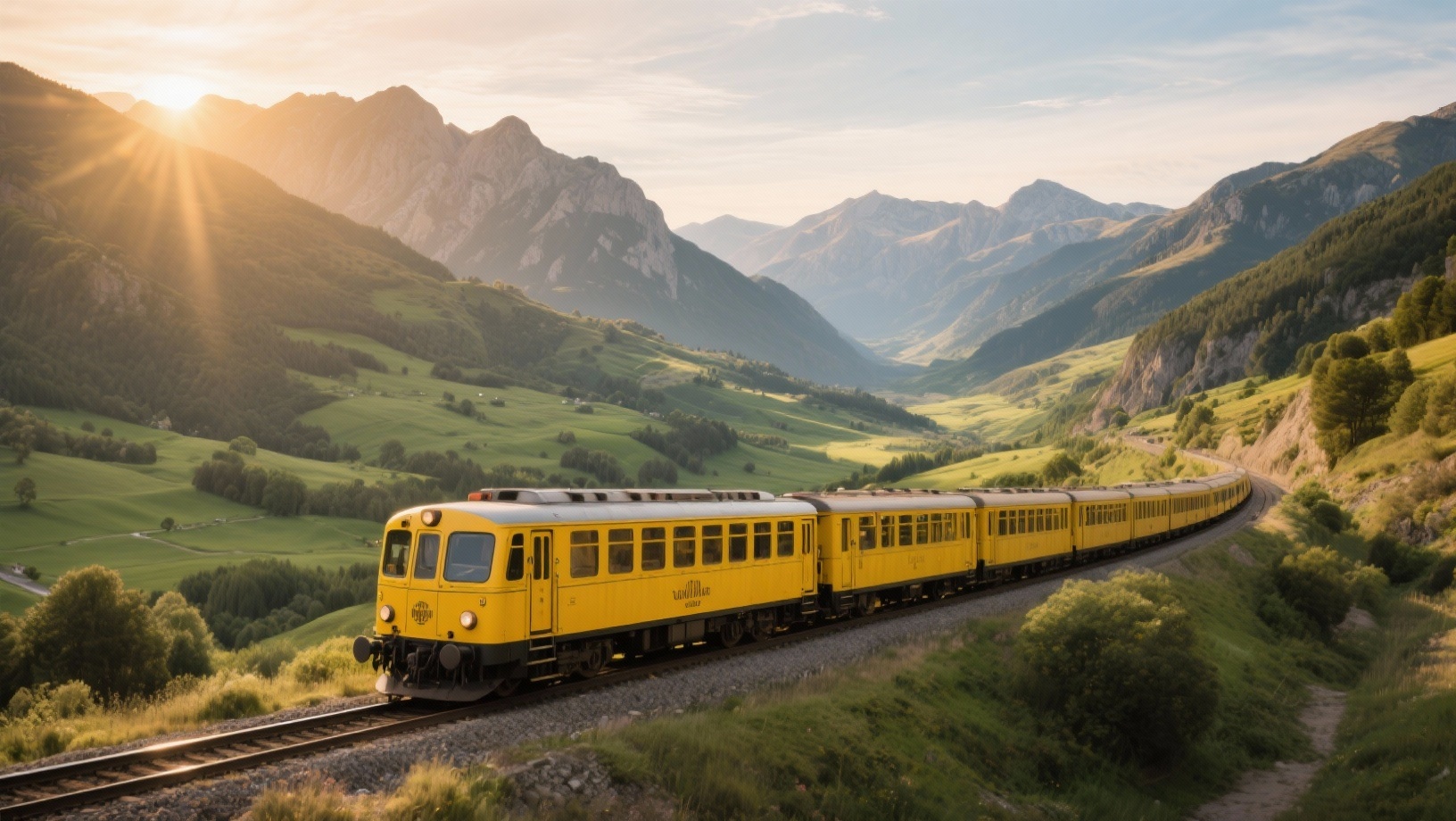
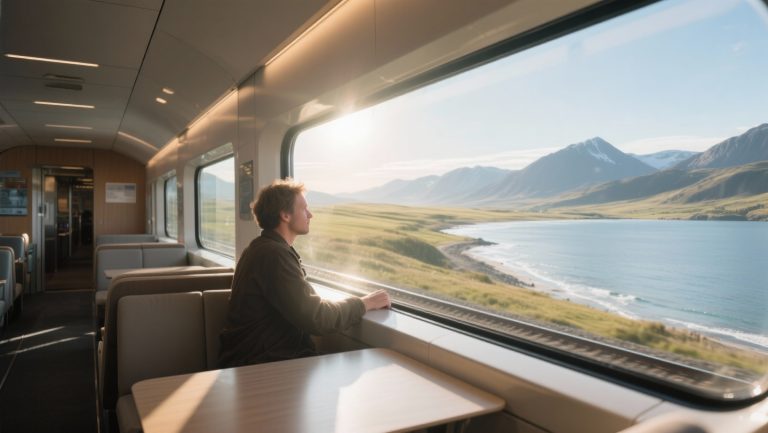
A ride on the Train Jaune, the Little Yellow Train, is more than a simple journey; it is a trip through time and through the landscape of the Catalan Pyrenees. This historic railway offers a special opportunity to see the mountains in a way that is impossible by car. The train carries you at an unhurried pace through the beauty of this mountain region.
The Yellow Canary route
The Train Jaune, affectionately known as the ‘Yellow Canary’, runs along a 63-kilometre narrow-gauge line through the heart of the Regional Nature Park of the Catalan Pyrenees. The journey begins in the fortified town of Villefranche-de-Conflent, a UNESCO World Heritage site, and ends in Latour-de-Carol, close to the Spanish border. The train climbs from the valley at 400 metres altitude up to an impressive 1,600 metres, treating you to constantly changing views.
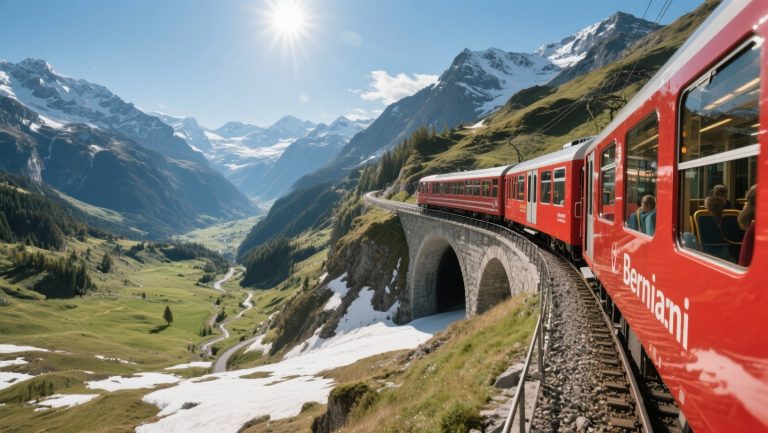
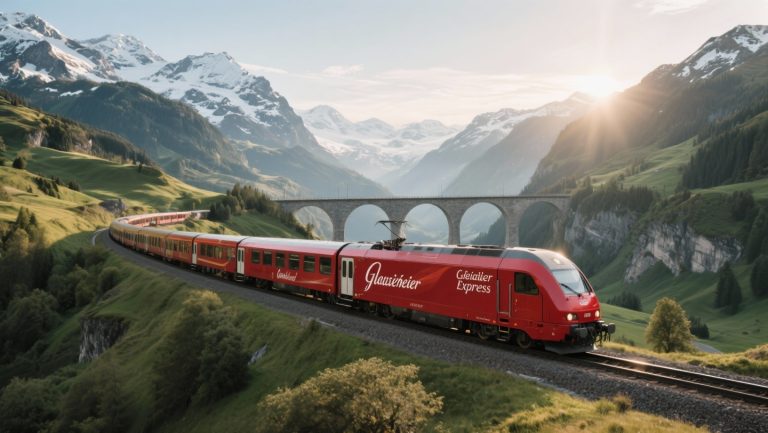
Along the way you pass deep gorges, dense forests and the wide Cerdagne plateau. The train goes through 19 tunnels and crosses hundreds of bridges and viaducts. Two of the most striking structures are the Séjourné Viaduct, which towers 65 metres above the River Têt, and the Pont Gisclard, a metal suspension bridge that hangs 80 metres above a chasm. These feats of engineering, built at the beginning of the twentieth century, are attractions in their own right.
Highlights along the line
The route is dotted with photogenic spots and mountain villages. One of the main stops is Mont-Louis, the highest fortified town in France. Another noteworthy point is Bolquère station, which at 1,593 metres is the highest railway station in France served by the SNCF. From here, you have a sweeping panorama over the surroundings. The train offers a perfect opportunity to leave the car behind and explore the isolated Catalan high plateaus in a sustainable and relaxed way.
‘ It is the perfect form of slow travel, where the journey itself is the destination. ’
The character of the Train Jaune
The line, officially called the Ligne de Cerdagne, was built in 1903 to connect the remote villages in the Pyrenees. It was ahead of its time as France’s first electric railway, powered by hydroelectric energy from the mountains. This power supply is still in use today. The train itself has kept its retro appearance, which adds to the nostalgic atmosphere. The carriages, both the enclosed ones and the open summer wagons, breathe the spirit of a bygone era.
The journey takes around three hours one way. With an average speed of 30 kilometres per hour, you have all the time you need to soak up the landscape, take photos and enjoy the fresh mountain air. It is the perfect form of ‘slow travel’, where the journey itself is the destination.
Practical information for your trip
Good preparation will ensure you can fully enjoy your ride on the Train Jaune. Here are a few tips to help your journey run smoothly.
Booking tickets and timetable
You can buy tickets for the Train Jaune both online and directly at the stations. It is advisable to check the timetable in advance, as it can vary by season. In winter the train runs less frequently than in summer. A return ticket costs around thirty euros, depending on the section of the route you choose. Because the train is popular, especially in high season, it is wise to reserve seats to be sure of a spot on the side with the best views.
What should you take with you?
For a comfortable three-hour journey, it is best to think about the following:
- Clothing: The train covers an altitude difference of more than 1,100 metres. Take warm clothing with you, even in summer. In the mountains the weather can change quickly and it can feel chilly in the open wagons.
- Food and drink: There is no catering on board, so make sure you bring enough water and snacks for the journey.
- Camera: The views are phenomenal, so a camera is essential to capture the landscapes and engineering structures.
The best time to travel
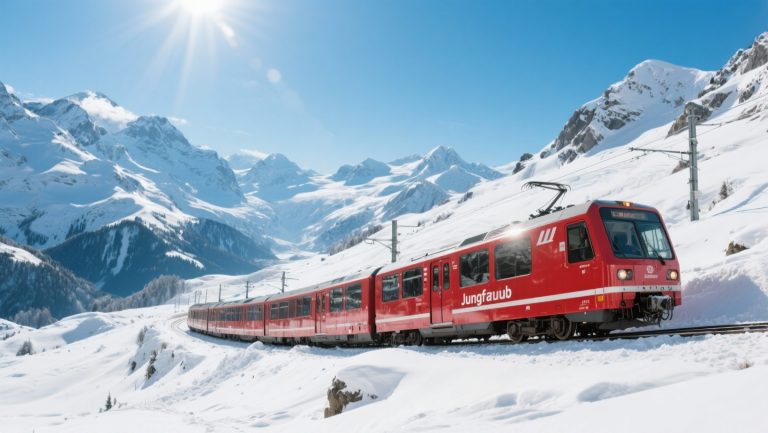
Every season has its own charm. In summer you can enjoy nature in full bloom and sit in one of the open wagons for the most direct experience of the landscape. In winter the scenery turns into a white fairy tale and you can combine the train journey with a visit to the nearby ski resorts. The train is a handy alternative to the car, especially when the mountain roads are less accessible due to snowfall.
On the Traveler Tips website you will find more guides and articles about train journeys, route planning and destinations in Europe. Discover how to travel more efficiently by preparing your holiday in advance.
Frequently asked questions
To integrate the Train Jaune optimally into your road trip, park your car in Villefranche-de-Conflent, the starting point of the train. From there you can take the train for a scenic ride through the Pyrenees. On your return you can continue your road trip or use transfer options in Latour-de-Carol. For the best experience, it is recommended to reserve seats on the panorama side and to take warm clothing with you, given the differences in altitude.
The Train Jaune offers unique experiences and photogenic views at the starting point of Villefranche-de-Conflent, a UNESCO-listed fortified town. In addition, the Séjourné Viaduct and the Pont Gisclard are impressive, and Mont-Louis, the highest station in France, is a real highlight. Stops in mountain villages such as Bolquère are ideal for a lunch with a view, and the tunnels add to the photogenic experience.
The best time of year for the Train Jaune is summer, thanks to the flowers and hiking opportunities, or winter for spectacular snowy landscapes. Both seasons offer comfortable conditions and breathtaking views. Reserve a seat on the panorama side and avoid busy weekends for the most peaceful experience.
The most economical and efficient way to book tickets for the Train Jaune is online or on the spot, with return tickets from €30. For the best seats it is advisable to reserve on the panorama side, and specific combination tickets may be available for ski areas in winter or in combination with the Train Rouge. To avoid crowds, it is best to take the early train and avoid weekends. Bear the altitude differences in mind and take warm clothing, water and snacks with you, as there is no catering on board.