 NL
NL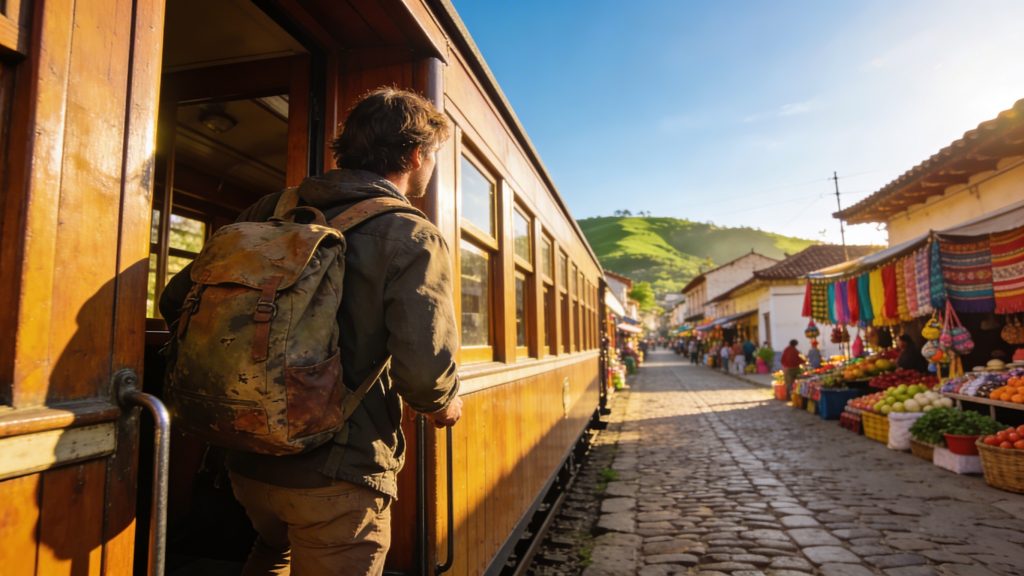
Travelling by train offers a unique way to connect with local people and experience their everyday life up close. Unlike planes or cars, on a train you share the space with commuters, market traders and families who bring along their habits and stories. These natural encounters give you authentic insights that you rarely get on organised tours. Discover why the train is the best means of transport for deeper cultural experiences.
Why train travel makes spontaneous encounters easier
On regional trains you travel the way locals do. You share your carriage with people on their way to work, the market or family. This shared space creates a relaxed atmosphere in which conversations arise naturally. You are not a tourist in a closed-off coach, but a fellow traveller following the same route.
The longer travel time plays an important role here. On routes across Europe you have hours to talk and swap stories. Locals appreciate your interest and respond with tips about places that never make it into guidebooks. If you are, for example, planning train touring holidays through Italy or the Balkans, you will often get spontaneous invitations for a coffee or a local meal.
Train stations in smaller towns and villages form ideal hubs for cultural exchange. Here people get on with their groceries, children and work bags. They literally bring their daily life onto the train, giving you a glimpse into their reality. This is very different from busy airports where everyone is in a rush and there is little room for contact.
‘ These conversations often lead to concrete recommendations that enrich your journey without any pre-planned activities. ’
Choose regional lines for authenticity
Fast intercity trains get you from A to B quickly, but slow trains open doors to real life. These regional lines stop in villages where tourists are few and far between. You travel past farmland, hills and small communities where traditions are still alive.
In countries like Italy, Morocco and Thailand, regional trains are full of people who know their area inside out. They are happy to share their knowledge. They tell you about local markets, festivals and traditions. These conversations often lead to concrete recommendations that enrich your journey without any pre-planned activities.
The atmosphere on slow trains is friendlier and more approachable. People feel safer and less rushed, which lowers social barriers. You notice this in small gestures: someone handing you their newspaper, a family sharing their food, or a local guide who spontaneously starts talking about the surroundings you are passing through together.
Practical ways to make contact
Learn a few basic words in the local language. A simple “hello”, “thank you” or “where can I eat?” can open up conversations. Locals appreciate the effort and respond more warmly, especially when you are travelling away from tourist areas. You do not need to know full sentences; the effort matters more than perfection.
Share small items from your home country. Bring sweets, postcards or little souvenirs that you can give away during your trip. This breaks the ice quickly, especially with children. Through them you get talking to parents or family members, which often leads to more in-depth exchanges.
Travel at weekends or on market days. Trains are then full of locals on their way to family, markets or village festivals. The atmosphere is relaxed and people are more inclined to talk. You can join groups and sometimes you will receive spontaneous invitations for tea or a meal at someone’s home.
Pay attention to body language and respect personal space. Start with eye contact and a smile before you approach someone. Some cultures are more reserved than others. Observe how locals interact with each other and adjust accordingly. This shows respect and increases the chance of positive interactions.
Culturally sensitive travel by train
Respect local customs and dress codes. Before you go, find out about the basic do’s and don’ts in your destination country. In more conservative regions, modest clothing can open doors that might otherwise stay closed. This is especially true on regional trains through rural areas.
Ask permission before taking photos. Not everyone likes being photographed. A small hand gesture or questioning look is often enough. When people nod yes, you also create a moment of connection. Some locals will in turn ask about your photos or social media, which can lead to enjoyable exchanges.
Be genuinely interested without coming across as pushy. Ask open questions about daily life, local dishes or traditions. Listen actively to the answers and show appreciation. Avoid sensitive topics such as politics or religion, unless your conversation partner brings them up themselves.
‘ Food is a universal conversation topic that sparks curiosity and brings out stories about recipes and traditions. ’
Food and drink as a bridge to local culture
Regional trains often offer local dishes on board or pass markets where you can buy traditional food. Ask fellow passengers what they are eating and where it comes from. Food is a universal conversation topic that sparks curiosity and brings out stories about recipes and traditions.
Get off at stations with local markets. In many countries markets are held on set days. Locals on the train know exactly when and where. A walk around the market not only gives you fresh food, but also contact with stallholders and visitors who proudly present their products.
Share your own food on long journeys. If you have bread, fruit or snacks with you, offer them around. This simple gesture is appreciated in many cultures and can lead to long conversations. People will in turn share their food with you, which results in surprising flavours and stories.

Avoid tourist traps using local knowledge
Conversations with fellow passengers provide reliable information about where you should and should not go. Locals will warn you about overpriced restaurants and send you to places where they themselves eat. These tips are worth their weight in gold and often more reliable than online reviews.
Ask about current situations such as festivals, roadworks or crowds. Locals know what is happening and can help you make smart choices. Sometimes they will suggest alternative routes or times for a more pleasant journey.
Write down recommendations straight away. The names of restaurants, streets or events are easy to forget. When you show interest by noting things down, locals feel heard. This strengthens the connection and sometimes they will offer to show you on a map exactly where you need to go.
Destinations where train travel creates extra connection
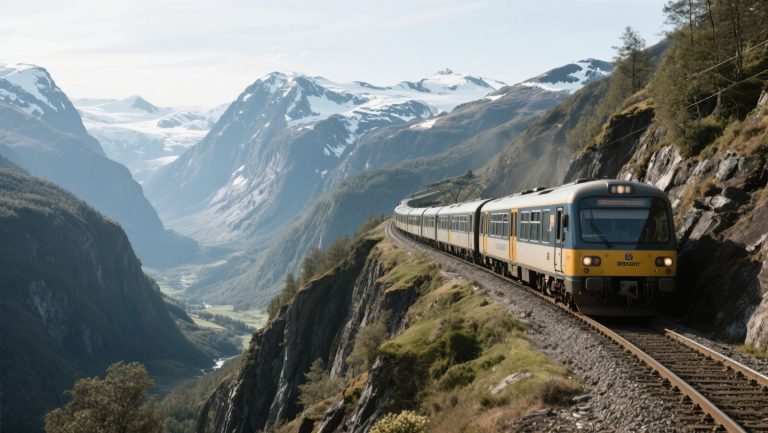
The European Alps offer regional trains that run through small mountain villages. Locals use these lines daily to get to work or school. You share the carriage with people who tell stories about traditions, hiking routes and local festivals. During longer stops you can get off and explore village squares where tourists are rare.
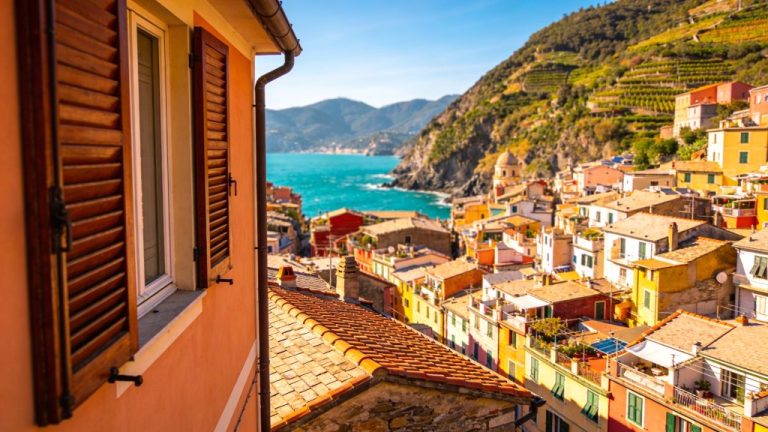
In Italy, slow trains connect cities such as Bologna with hilltop villages full of market traders. Fellow passengers share recipes, cooking tips and recommendations for family-run businesses that sell authentic products. The relaxed atmosphere invites long conversations about food, wine and la dolce vita.
Morocco and Cuba have local train lines used by families, traders and students. The atmosphere is lively and warm. People spontaneously take selfies, invite you for tea or teach you dance steps. These interactions give you a picture of local life that you miss in hotels and tourist zones.
In Thailand, regional trains run through rural areas where the pace of life is slower. Fellow passengers are curious and happy to share information about temples, markets and cookery courses in their area. The openness and hospitality mean you quickly feel welcome.
‘ By learning local languages, respecting cultural customs and staying curious, you discover stories and places that no guidebook can offer you. ’
Start your train journey with the right preparation
Approach your next train journey differently. Deliberately choose regional lines and slower routes. Travel with an open mind and take time for conversations. By learning local languages, respecting cultural customs and staying curious, you discover stories and places that no guidebook can offer you. On the Traveler Tips website you will find routes, destinations and practical tips to help you prepare your train journey even better. Start planning and make your trip richer than you ever expected.
Frequently asked questions
Travelling by train quite literally places you among the locals, on their everyday routes, so conversations and observations arise much more naturally than when you are in your own car. On the train you share time and space with commuters, families and market traders, which invites small interactions that can quickly grow into real conversations. On a road trip you are more likely to stay in your own bubble – you stop briefly at petrol stations or tourist spots – whereas the longer, shared train journey constantly offers chances to make contact. What is more, on the train you are more likely to be seen as a “fellow traveller” than as a tourist speeding past, which lowers the threshold for mutual curiosity.
Deliberately choose regional or slow trains and plan your route so that you travel at busy times for locals, such as market days or weekends. Learn a few basic phrases in the local language beforehand and briefly familiarise yourself with customs and social etiquette so that you can join conversations respectfully. Take small things with you that can serve as icebreakers (for example sweets or a postcard from your country) and prepare a few open questions about food, the region and everyday life. Build enough time into your schedule so you do not have to rush and can respond spontaneously to invitations or conversations.
Choose regional slow trains instead of fast intercity services; these are mainly used by locals with their daily shopping, children and stories. Travel preferably at weekends or on market days, when trains are fuller with families and people on their way to festivals or markets. Learn a few basic words in the local language and start with simple questions about their route or favourite places; this often breaks the ice quickly. Take small gifts with you (for example sweets or a postcard from your country) to make it easier to start a conversation, especially with families.
Be aware of cultural customs and dress codes, and observe first before actively seeking contact. Start small: a smile, a greeting in the local language and open questions, without interrupting anyone or keeping them in conversation for too long. Respect boundaries by not taking photos or asking private questions without explicit permission. Offer friendliness and interest, but never insist if someone reacts distantly or seems reserved.
Destinations with regional slow trains, such as villages in the European Alps and the Italian countryside around Bologna, are particularly suitable because you mainly travel there alongside locals in their everyday lives. In countries like Morocco and Cuba, slow, local train lines full of families and traders also provide plenty of spontaneous contact and invitations. In Thailand, trains with village residents and travel groups offer many chances to talk, get tips and sometimes even arrange cookery lessons or guided tours.