NL
NL
A canoe and kayak holiday in Europe is more affordable than you might think. With good planning you can keep the total cost between €200 and €500 per week. This includes boat hire, camping fees and food. Destinations such as Poland, France and Germany offer excellent options for an active water holiday without sky-high costs. Discover here how to budget smartly and where you get the most value for your money.
Cost overview per week
The total cost of a canoe or kayak holiday varies per country and season. For a one-week trip you can count on the following amounts per person. This estimate applies to a self-organised trip where you cook and camp for yourself.
- Poland: €200 to €350 per week. This country offers lower prices for camping and rental.
- France: €300 to €500 per week. The Ardèche in particular is popular, with reasonable rental prices and affordable campsites.
- Germany: €250 to €400 per week. Good infrastructure with average prices for equipment and overnight stays.
These amounts consist of three main categories: hire of boat and equipment, camping fees and food. Below you will see for each part what the costs consist of and where you can save.
Hiring a canoe or kayak
The rental price of a canoe or kayak depends on the type of boat, the rental period and the location. A kayak is faster and more manoeuvrable, ideal for rivers. A canoe offers more space for luggage and is suitable for calm waters and multi-day trips.
For local rental you can expect to pay on average €20 to €50 per day for a single kayak. For a two-person canoe this is between €30 and €60 per day. You often get a discount for a full week. Many rental companies then charge €120 to €280 for seven days, depending on the model and destination.
Saving on boat rental
There are several ways to cut costs when hiring your boat. You can make the biggest difference by choosing smartly where and when you rent.
- Rent locally on arrival instead of in advance via international platforms. Local rental companies are often cheaper.
- Book outside the high season. In May, June and September prices are lower than in July and August.
- Ask about weekly deals or group discounts if you are travelling with several people.
- Check whether life jacket, helmet and dry bags are included in the price. Otherwise you will pay for these separately.
Camping costs along the way
Spending the night in a tent keeps costs low. Most canoe and kayak routes offer official camping spots or small campsites along the water. In some countries wild camping is allowed, but this varies greatly by region.
For a basic campsite you can expect to pay €8 to €15 per person per night. In Eastern Europe, such as Poland, you will often pay less than €10. In France and Germany this is between €10 and €15. For a one-week trip you will pay €50 to €100 for camping.
Alternatives to camping
In addition to standard campsites there are other options that suit a limited budget. Do pay close attention to the regulations in each country.
- Wild camping is allowed in Sweden, Norway and Scotland under the right of public access to nature. In France, Germany and Poland it is usually prohibited or only allowed in designated places.
- Bivouac sites are special, free overnight spots along some rivers. Check in advance with local canoe clubs whether you are allowed to use them.
- Farm campsites often offer simple facilities for a lower fee than regular campsites.
Food and drink during your trip
Cooking for yourself is the most budget-friendly choice. With a camping stove and a simple set of pans you can prepare full meals. For a week you can count on €40 to €80 per person for groceries, depending on your eating habits and the prices in the country.
Buy your groceries on arrival in a local supermarket. In Poland and Germany, supermarkets such as Lidl and Biedronka are good value. In France you will find good prices at Intermarché or Carrefour. Avoid shops at tourist hotspots, where prices are higher.
Practical tips for eating on a budget
With a few smart choices you can keep your food costs down without sacrificing quality or variety.
- Plan meals in advance and make a shopping list. This prevents unnecessary purchases.
- Opt for products with a long shelf life such as rice, pasta, tinned vegetables and nuts.
- Take a cool bag with you for perishable products such as cheese and cold meats. Top it up daily with ice from campsites or shops.
- Eat one hot meal per day and go for bread, fruit and nuts as lunch while paddling.
‘ Your choice of destination has a direct impact on your total budget. ’
Cheap destinations for canoeing and kayaking
Some European countries offer better value for money than others. Your choice of destination has a direct impact on your total budget.
Poland scores highly as a budget destination. Rivers such as the Krutynia and the Czarna Hańcza are popular with paddlers. Rental and camping are cheaper here than in Western Europe. For a week you will pay €200 to €300 per person.
The Ardèche in France is a classic canoeing destination. The 30-kilometre-long gorge attracts many visitors every year. Although France is more expensive than Poland, costs remain manageable if you go outside the high season and camp yourself. Count on €300 to €450 per week.
Germany offers varied routes on rivers such as the Altmühl and the Lahn. The infrastructure is well organised with rental points and campsites. Prices are between those of Poland and France, at around €250 to €400 per week.
Calculating a budget for your trip
With a simple overview you can get a grip on your spending. Add up the three main categories and add a small buffer for unexpected costs.
- Canoe or kayak hire: €120 to €280 for a week
- Camping: €50 to €100 for seven nights
- Food and drink: €40 to €80 per person
- Other costs such as fuel for the camping stove, parking fees or entrance to certain areas: €20 to €40
This brings the total to €230 to €500 per person for a one-week trip. Travelling outside the high season and choosing cheaper countries such as Poland will keep you at the lower end of this range.
Extra money-saving tips
There are even more ways to save money without compromising the experience. Some choices make a big difference to your final budget.
- Travel with several people and share the costs for a two-person canoe or camping gear.
- Bring your own camping gear if you already have it. Hiring a tent costs extra.
- Choose shorter routes if your budget is tight. A three-day trip costs less than a week, but still gives you a full experience.
- Fly with a budget airline to your starting point and continue by train or bus to the river.
- Ask local canoe clubs about special offers or lesser-known routes with lower prices.
‘ These are small investments that you will use on multiple trips. ’
What to take with you
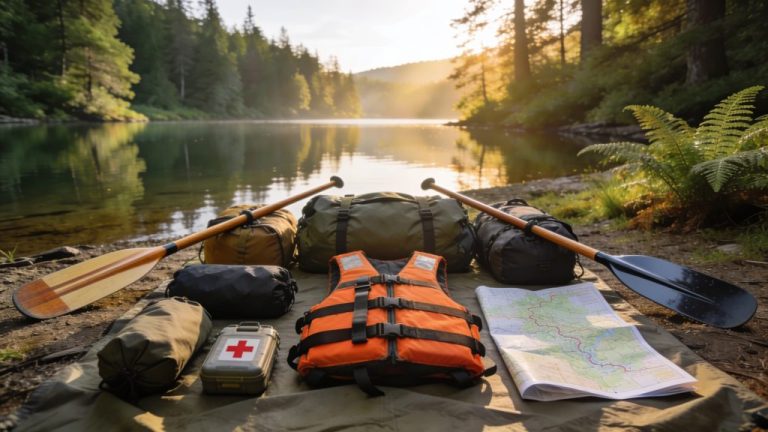
The right gear prevents extra costs along the way. Dry bags or waterproof bags are needed to keep your belongings dry. Many rental companies offer these for €5 to €10 each. If you bring your own, you save this amount.
A life jacket and helmet are part of the standard equipment. Check whether these are included in the rental price. Some rental companies charge separately for this. Bring your own head torch, sun cream and a first-aid kit. These are small investments that you will use on multiple trips.
On the Traveler Tips website you will find extensive information about nature holidays, camping and routes across Europe. Discover more tips for your next self-planned trip and get the most out of your budget.
Frequently asked questions
Budget-friendly canoe and kayak regions in Europe include the Ardèche in France, the lake and forest region of Värmland in Sweden and the Adriatic coast of Croatia. These all combine well with a car or road trip and have many local rental points along the route. Rivers in Spain, the Czech Republic and Romania are also affordable and lend themselves well to a road trip by car or train. Norway and Slovenia offer more adventurous, but often still affordable options, especially if you camp and rent locally.
Start by choosing a low-cost region with good rental options (for example the Ardèche, Värmland or the Croatian coast) and compare online packages where boat, equipment and possibly transport are included. Work out whether renting locally is cheaper than taking your own equipment, including surcharges on trains/flights and transfers to the river or coast. Combine your route with cheap accommodation: camping or huts along the water, wild camping where it is legal, or hostels within walking or bus distance of put-in and take-out points. Travel in the low season and keep stages short enough so you don't need expensive last-minute transport or hotels if there are delays.
Prepare with a realistic route plan (water levels, weather, difficulty grades I–III), a basic level of safety knowledge and pre-booked, local rental of canoe/kayak to avoid expensive last-minute choices. Pack light but smart: dry bags, life jacket, helmet, good paddling gloves, sun protection, a small repair kit, power bank and a paper map as backup alongside your phone/GPS. Take camping and cooking gear to be self-sufficient (lightweight tent, sleeping bag, stove, dried food) and check the rules on (wild) camping in each country. Limit unexpected costs by comparing in advance the prices of rental, shuttles, campsites and any parking fees, and take a small emergency reserve of cash.
Beautiful, lesser-known canoe and kayak routes in Europe include the lakes and forests of Värmland in Sweden, where you can go on multi-day, independent camping trips in the wilderness. French rivers outside the well-known Ardèche gorge – such as smaller tributaries in rural regions – also offer quiet, authentic trips along villages and countryside. In Romania and the Czech Republic you will find natural rivers where you can plan your own trips with local rental companies, often with options for wild camping. In addition, the less touristy islands of the Croatian Adriatic coast are ideal for sea kayaking routes along caves and secluded bays.