 NL
NL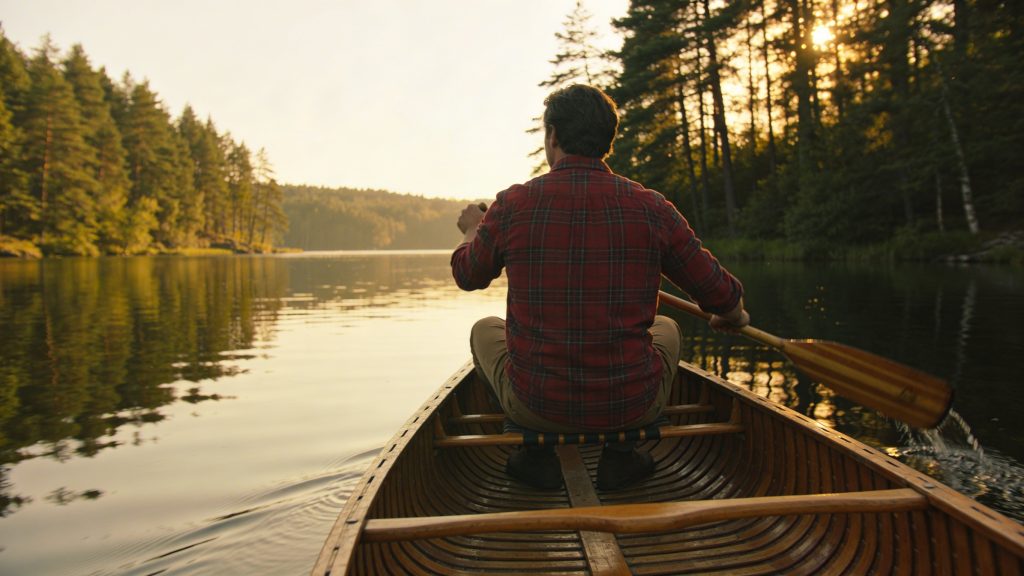
The largest lake district in Central Europe offers canoe enthusiasts a unique experience: thousands of lakes, current-free canals and nature-rich routes where you can paddle for kilometres without the sound of motorboats. If you are looking for a canoe and kayak holiday that you put together yourself, the Mecklenburg Lake District (Mecklenburgische Seenplatte) in eastern Germany is the ideal destination. Discover why this region is perfect for both beginners and experienced paddlers.
Why choose the Mecklenburg lake district
The Mecklenburg Lake District in Mecklenburg-Vorpommern contains almost 100 calm lakes, canals and rivers without current. These conditions make the area ideal for multi-day canoe trips, even for people with little or no experience. The region combines water-rich landscapes with dense forests and nature reserves such as Müritz National Park.
What sets this area apart is the absence of current and dams. You can easily plan routes of around 15 kilometres a day and will hardly encounter any obstacles on the way. Only a few locks and short portage sections require you to step out of your canoe for a moment. Most zones are free of motorboats, which means peace and a sense of undisturbed nature.
The lake district is connected to the Baltic Sea via various waterways. You can combine your canoe holiday with coastal areas if you are planning a longer trip. Many paddlers appreciate the diversity: small marshy areas, wide lakes such as the Müritz and narrow canals through forests alternate with each other.
‘ This route demands more fitness and experience with navigation. ’
Which routes can you paddle
The region offers numerous circular trips that you can complete in five to seven days. Popular starting points are Babke and Wesenberg. From here you paddle via the river Havel and Müritz National Park to the Kleinseenplatte, passing smaller lakes such as the Leppinsee and Gobenowsee on the way.
A well-known multi-day route is the Müritz canoe circuit. This trip of five to seven days leads you through motorboat-free sections and a variety of lakes. You camp along the way at nature campsites on the water’s edge. Plan a rest day at Havelberge if you want to use the climbing park or other group activities.
More sporty paddlers often choose the Expedition Kleinseenplatte. This route follows the upper Havel and connects several lakes in a chain. The trip demands more fitness and experience with navigation. The combination of the Warnow River and the Sternberger lake district also offers an attractive three-day option, suitable for both canoe and kayak.
Many rental companies provide maps, GPX tracks and route descriptions. You can opt for self-guided tours where you carry your own luggage from campsite to campsite, or for guided options with logistical support.
Hiring a canoe and practical preparation
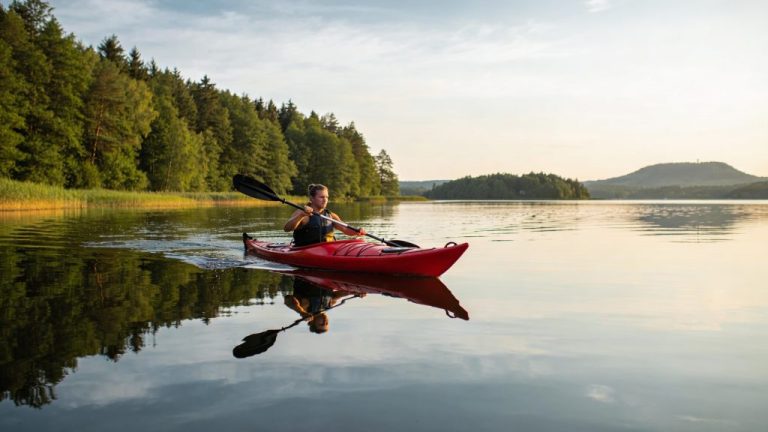
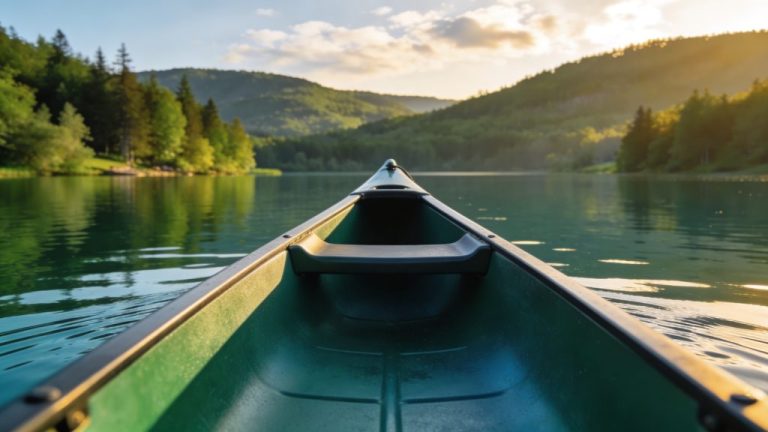
You can hire open canoes (Canadian canoes) and kayaks (closed canoes) from local rental stations in the region. Most providers have Canadian canoes, kayaks and inflatable boats available. Book in advance if you are travelling with a larger group, especially in the high season between June and August.
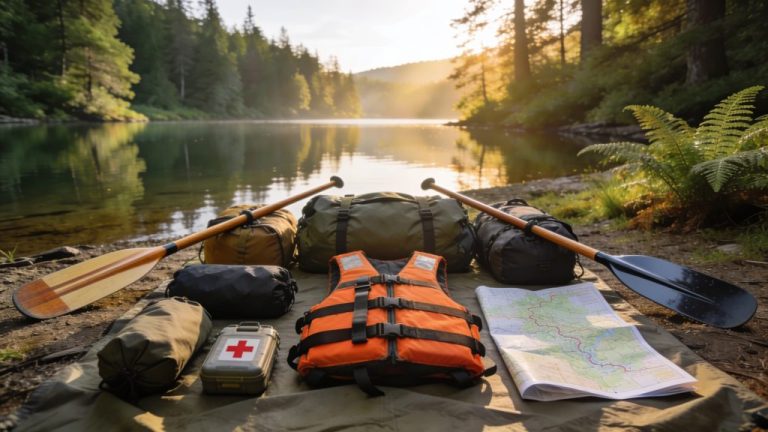
Rental companies usually provide paddles, lifejackets and waterproof barrels for your belongings. Bring your own tent, sleeping bag and a dry bag for personal items. You will find shops and restaurants at the larger lakes and in villages along the route, but make sure you take enough food and water for the days when you are further away from facilities.
Travel by train to Neustrelitz for day trips or as a starting point for a multi-day tour. For longer routes where you finish at a different place from where you started, some rental companies arrange transport of your car or you can organise a taxi for your luggage.
What to check before departure
- Check the weather and water levels at least two days before departure
- Download GPX routes and offline maps to your phone
- Ask your rental company about current regulations in nature reserves
- Book campsites in advance in high season
- Take a dry bag or waterproof case for your phone and documents
Where do you stay during your canoe holiday
Nature campsites are scattered along the popular canoe routes. Well-known locations include campsites on the Mössensee, Gobenowsee, Zwenzower Ufer and Pfahlhauscamp. These campsites offer basic facilities such as toilets, drinking water and sometimes small shops or restaurants.
Some campsites are geared towards families and have extra facilities such as climbing parks, playgrounds or organised activities. Others focus more on peace and simplicity, with field bivouacs between fruit trees or eco-friendly naturist (FKK) options.
Most campsites are open from May to October. Check opening times if you travel early or late in the season. Autumn offers quiet tours with fewer crowds, but fewer campsites are open then. Summer is ideal for beginners thanks to the more stable weather and longer days.
‘ This route is quieter than the busy Müritz tour and is ideal if you prefer nature over crowds. ’
Sights and nature along the way
Müritz National Park forms the heart of the canoe routes. This largest lake in the region is motor-free and attracts birds such as white-tailed eagles, herons and eiders. You paddle through quiet zones where you can spot beavers, otters and waterbirds. Stick to the park rules: stay on the marked routes and avoid nesting areas in spring.
The Havelberge area offers variety with a climbing park and events during the summer months. You can reach this area via a short walk from your campsite. For cultural stops you can moor at Neustrelitz, a historic small town with a Slavic open-air museum and good rail connections.
The Warnow River runs through a fresh, green nature park with dense forests and smaller lakes. This route is quieter than the busy Müritz tour and is ideal if you prefer nature over crowds. Families often combine paddling with walking or cycling for a complete active holiday.
Tips from experienced paddlers
Paddlers who visit the region regularly highlight the tranquillity and the lack of current as the biggest advantages. You can start without many technical skills and adjust your pace to your fitness level. Begin with 10 to 15 kilometres a day and increase that as you gain more experience.
Plan time for wildlife watching. Especially early in the morning and at sunset, animals are active along the banks. Take binoculars if you enjoy birdwatching. Look out for beavers and their dams in narrower canals, as these can sometimes form obstacles.
Some travellers combine their canoe holiday with cycling. You can hire a bike at your final destination and explore the area before returning to your starting point. This makes the trip more varied and suitable for longer stays.
How to plan your canoe trip in Mecklenburg
Book your accommodation early, especially if you are travelling in July or August. Download route descriptions and maps in advance and print a back-up in case your phone runs out of battery. Many campsites have charging points, but not always directly at your tent pitch.
Choose your route based on your experience. Beginners start with shorter day trips around a central point and then move on to multi-day tours as they gain confidence. Experienced paddlers opt for longer circular routes or combine several routes into an extended expedition.
Take locks and portages into account. These require you to get out of your canoe briefly and carry your boat over land. The distances are usually short, but plan time for these stops. Some locks operate at set times, so ask your rental company about this.
On the Traveler Tips website you will find much more information about active nature holidays, route planning and practical preparation for self-organised trips. Discover more tips about camping, equipment and destinations that suit your way of travelling.
Frequently asked questions
Travel by car from the Netherlands via the A1/A24 towards Hamburg–Berlin and turn off at Wittstock/Dosse or Röbel towards the Mecklenburgische Seenplatte; this is usually faster and more comfortable than taking the train, especially if you have your own camping or canoe gear. Choose one main region (for example Müritz National Park or the Kleinseenplatte) as your base to keep daily travel times on site short. Plan stages of around 15 km paddling per day, with 1–2 rest days at campsites with good facilities, such as Havelberge, for extra comfort. Book hire canoes and campsites in advance and use local taxi or luggage services so you can travel light and relaxed.
For a comfortable canoe holiday in Mecklenburg, essential preparations include planning your route (for example multi-day circular routes around the Müritz or along the upper Havel), booking campsites and rental equipment in good time, and checking the weather forecast and park regulations. Bring solid basic gear: dry bags, tent, sleeping bag, light cooking equipment, suitable clothing for wet and changeable weather, and preferably a map or GPX routes. On site you can hire Canadian canoes, kayaks and sometimes inflatable boats from local rental stations, often combined with luggage or return transport. Many nature campsites on the lakes are directly accessible by canoe and offer sanitary facilities, and sometimes restaurants and activities, which makes camping more comfortable.
The Mecklenburg Lake District in Germany is very suitable for beginners and families, because there is virtually no current and you can easily paddle daily distances of around 15 km. Popular routes include the canoe circuit through Müritz National Park and the chain of lakes around the Kleinseenplatte, where you will find many quiet, motorboat-free sections. Great places to spend the night by the water are nature campsites on lakes such as Mössensee, Gobenowsee, Zwenzower Ufer and Pfahlhauscamp. Many campsites have child-friendly facilities and are located directly on the water, so you can step straight into your boat.
Yes, there are definitely ‘hidden gems’ to be found along the canoe routes in the Mecklenburg Lake District. Think of small, motorboat-free side arms and quiet lakes in Müritz National Park, where you can often spot white-tailed eagles and other wildlife. Nature campsites directly on remote lakes, such as on the Mössensee or Gobenowsee, give almost a wilderness feel. Places like Havelberge with its climbing park, or a side trip to historic Neustrelitz, also add to the experience beyond just paddling.
For canoeing on the Mecklenburg lakes, special nature and quiet rules apply in parts of the area (such as Müritz National Park and some motorboat-free zones), for example only paddling on marked routes, avoiding bird nesting areas and reed beds, and spending the night only at designated (nature) campsites or bivouac spots. A separate navigation permit for canoes is generally not required, but you do have to comply with local park regulations and any seasonal restrictions; check locally with rental companies or visitor centres. In terms of safety, it is important to wear lifejackets, check weather forecasts (especially the wind on large lakes such as the Müritz) and take enough drinking water, maps/GPX routes and dry bags with you. Keep away from commercial and motor traffic, plan realistic stages (around 15 km per day for beginners) and respect nature and campfire rules to prevent accidents and wildfires.