NL
NL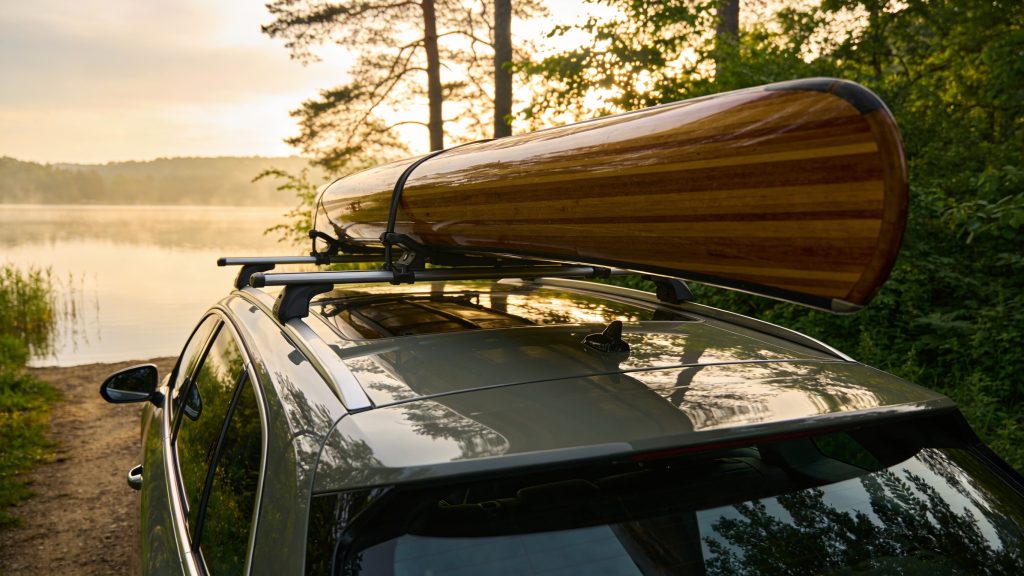
A road trip with canoe or kayak excursions combines the freedom of the open road with peace and nature on the water. This approach gives you flexibility: you drive to idyllic starting points, actively explore watery landscapes and set your own pace. By car or train, you can reach beautiful canoe destinations. This type of canoe and kayak holiday offers a conscious way to discover Europe. Below you can read which destinations are most suitable and how to plan the trip in concrete terms.
Why plan a road trip with canoe stops
This combination of travel styles suits travellers who like to organise things themselves and travel consciously. You reach less accessible natural areas that are perfect for multi-day canoe or kayak trips. You decide your own stops, your pace and your route.
With a car or campervan you have room for your own gear, such as a tent, paddles and waterproof luggage. You can also rent canoes locally to avoid transport issues. Train journeys to canoe destinations work well in well-connected areas. Well-connected areas include, for example, the Ardennes or Slovenia. For this you usually take a regional bus or shuttle to the rental location.
‘ Wild camping is often prohibited in Belgium. ’
Best European destinations for this combination
For a road trip combined with a canoe holiday, the following regions work particularly well. These areas combine accessibility with nature-rich routes on calm rivers or lakes. Below are the three most attractive destinations for self-organising travellers.
The Ardennes in Belgium
The Ardennes offer accessible rivers such as the Ourthe, Lesse and Semois. These rivers have gentle currents. They are suitable for beginners and families. From the Netherlands you can drive to starting points such as Dinant, La Roche-en-Ardenne or Bouillon in around 2 to 3 hours.
Canoe hire is available in many places for day trips or multi-day routes. You can stay at campsites along the river, such as Camping Iris Parc in Nisramont. Wild camping is often prohibited in Belgium. Plan your overnight stays in advance. Combine canoeing with hiking or visits to local castles such as Bouillon Castle.
Mecklenburg-Vorpommern in Germany
This region is known for the Mecklenburg Lake District, with more than a thousand lakes and canals. Ideal starting points are Waren, Mirow or Neustrelitz, which you can reach by car in about 5 to 6 hours from the Netherlands. Waren is also easy to reach by train via Berlin.
The water is calm and suitable for a multi-day kayaking holiday with camping on trekker sites, small camping spots along the route. You can bring your own kayak or hire one locally from providers such as Bootszentrum Müritz. The area also offers birdwatching spots and nature reserves such as Müritz National Park. Expect basic facilities, but plenty of peace and space.
Slovenia with the Soča and Sava
Slovenia combines mountain scenery with clear rivers such as the Soča and Sava Bohinjka. The Soča is suitable for advanced paddlers due to its faster sections, but there are also calmer stretches near Kobarid. The Sava Bohinjka offers gentle water and is more accessible for beginners.
You can reach Slovenia by car in about 11 to 12 hours from the Netherlands, with an overnight stop en route in Austria or southern Germany. By train you travel via Munich or Salzburg to Ljubljana, and then continue with regional trains or shuttles towards Bled or Bovec. Canoe hire is available from companies such as Soča Rafting and Aktivni Planet. Campsites such as Camp Danica in Bohinj offer showers and washing facilities.
How to plan the trip by car or train
A well-planned road trip with canoe stops requires preparation. Take transport into account. Think about equipment too. Arrange your overnight stays in good time. Pay attention to safety.
Vehicle and transporting your gear
Do you want to take your own canoe or kayak? Then you need a roof rack or trailer. Test the set-up at home well before departure. Check whether the roof rack is suitable for your vehicle. Keep the weight within the permitted limit.
Many travellers rent locally. This prevents transport problems and damage to your vehicle. Rental prices range from 20 to 50 euros per day, depending on the type of boat and the rental company. If you travel by train you will almost always rent locally. You cannot take your own canoe on the train.
Planning routes and daily schedules
Select calm rivers or lakes if you have little experience with canoeing. Limit the distance to 10–15 kilometres per day. More advanced paddlers cover longer distances. Take wind and current into account.
Use maps or apps such as Komoot or Google Maps to plan your waterways. Check the water depth. Also watch out for any obstacles. Examples include weirs or dams. Build in stops for sights. Also include rest breaks. Plan time for local markets. That way you combine being active with discovering new places.
Overnight stays and camping
In Germany you can use trekker sites in natural areas. In Belgium and Slovenia you stay at campsites. Check the local regulations in advance.
Book campsites in advance in the high season. Popular areas include the Ardennes or Lake Bled. Campsites on canoe routes often offer rentals, showers and washing facilities. Take waterproof bags for clothing and electronics, and a tarp for rain.
Equipment and safety
The right equipment makes the difference between an enjoyable trip and unexpected problems. Safety also deserves attention, especially on longer trips on unfamiliar water.
What you need
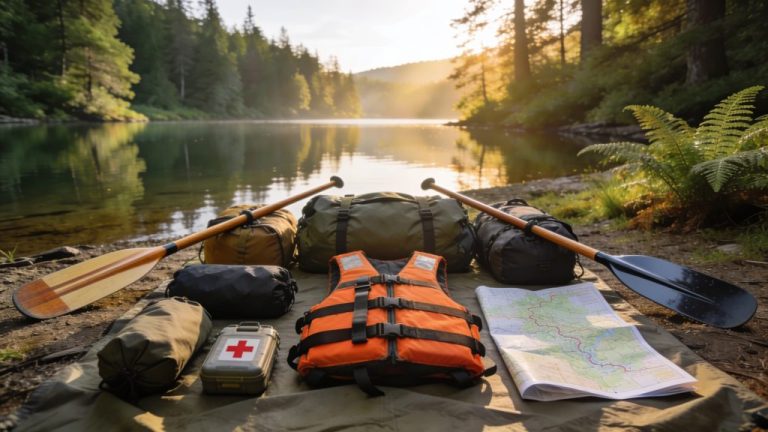
Always take a life jacket with you. This applies even in calm weather. It also applies if you are a strong swimmer. Life jackets are compulsory in many European countries. They significantly increase your safety. In addition, you will need:
- Waterproof bags for luggage, food and electronics
- Paddles and a spare paddle on multi-day trips
- Tarp or rain cover for protection from rain
- First aid kit with bandages and painkillers
- Sun protection, such as sunscreen and a hat
- Drinking water and energy bars for on the way
Test your equipment well in advance. Check that waterproof bags are truly watertight. Also check that your tent is properly pitched. This prevents surprises during the trip.
Safety rules on the water
Never paddle alone. This is especially important in unfamiliar areas. Check the weather forecast before going out on the water. Avoid canoeing in storms or strong winds. Extra caution is needed in tidal areas. Extra caution is also required on rivers with dams.
Keep your distance from locks and dams, and do not paddle too close to steep banks. In a current, it is usually best to stay in the middle of the river. Always take a phone with you in a waterproof case. This is for emergencies. Make sure someone knows where you are going. Also share when you expect to be back.
‘ Avoid overly tight schedules. ’
Practical tips for a successful combination holiday
A road trip with canoe stops requires a good balance between driving and time on the water. Below are tips to keep the trip running smoothly.
Balancing rhythm and pace
Start the day early with driving. Arrive at your starting point before midday. This gives you time to canoe without rushing. You will still find a campsite before dark. Plan stops of at least two nights in the same place. That way you are not packing up all the time.
Alternate active days. Also plan in rest days. This keeps the trip relaxed and gives you time to enjoy your surroundings. Avoid overly tight schedules. That way you stay flexible for the weather and unexpected discoveries.
Travelling on a budget
Canoe hire costs at least 20 euros per day. Allow for a maximum of 50 euros per day. Campsites charge an average of 15 euros per person per night. Some campsites charge up to 25 euros per person per night. Fuel costs vary by distance, but for a trip to the Ardennes you can reckon on about 40 to 60 euros for a return journey from the Netherlands.
Cook for yourself at the campsite. Visit local markets for fresh food. Avoid tourist eateries. Choose supermarkets or local bakeries. This keeps your budget low and gives you a more authentic impression of the region.
Choosing the best time to travel
The period from May to October is the most suitable for a canoe holiday in Europe. In southern Europe, such as Slovenia, it becomes very hot in July and August. Start early in the morning. In Germany and Belgium, June and September are more pleasant. There are fewer crowds. The weather is mild.
Check regional public holidays and school holidays. In high season, campsites are fully booked more quickly. Rental companies also get booked up faster. Booking several weeks in advance prevents disappointment.
Plan your road trip with canoe stops from day one
Canoeing during a road trip requires concrete planning: from your first route choice to the final booking of campsites and rentals. First decide which regions work best for you based on travel distance, water levels and your own experience. Draw up a daily schedule with rest periods and active stops. Then book your overnight stays and reserve your equipment as early as possible, especially in high season. Check the regulations in each country for wild camping, life jackets and access to nature reserves. This way you avoid surprises and keep room for spontaneous discoveries along the way.
Frequently asked questions
Start with your rough route and choose 1–2 water areas per region (for example Biesbosch or Weerribben) where you can easily get onto the water from the road. Plan driving blocks of at most half a day, followed by an afternoon or evening of canoeing, so your travel pace remains relaxed. Choose campsites or natural spots directly on the water where canoes are also available to rent, and reserve these in advance during busy periods. Take weather and skill level into account: plan shorter, calm sections (around 10 km per day) and keep a flex day in your schedule for delays or bad weather.
Essential canoe equipment for your road trip includes at least: life jackets, paddles, waterproof bags (dry bags), a first aid kit and possibly a tarp against rain. Pack heavy items (water, food, cooking set) at the bottom and in the middle of the canoe for stability, lighter items (clothing, sleeping bag) on top. Use several small dry bags instead of one large one, so you can distribute everything better in the canoe and in the car. Roll clothing up tightly (or use compression sacks) and group items into daily “kits” so you spend less time digging through your luggage.
Beautiful canoe destinations for a road trip include, among others, De Biesbosch National Park, where you can paddle for several days through creeks and willow forests, and Weerribben-Wieden with its water-rich reed landscapes. In France, rivers such as the Dordogne and the Loire are ideal: gentle currents, impressive castles along the banks and plenty of options for multi-day trips. These regions combine well with camping or small campsites along the route. This way you can easily drive from one starting point to the next by car and keep discovering new areas of nature.
The most relaxed option is usually to use local canoe rental along the way at campsites or outdoor companies; you then pay around €20–€50 per day and do not have to transport any equipment. Taking your own canoe on the car roof is often cheaper on long trips if you already own a canoe and roof racks, but it involves more hassle with securing it, extra fuel consumption and risks of parking damage or theft. Renting locally is more convenient: you often get route advice, life jackets and sometimes a shuttle service back to your car. Owning your own canoe mainly pays off on longer or repeated trips on calm routes where you spend many days on the water.
Take into account local navigation rules such as designated routes, speed limits, right of way on the water and any permits or restrictions in nature reserves. Always check whether wild camping along the water is allowed and follow rules about distance from the shore and campfires. Always wear a life jacket, do not go out on the water alone, check the weather forecast in advance and avoid strong currents or tidal areas if you have little experience. Use official canoe launch points, respect quiet zones for birds and other wildlife and ask local rental companies or park rangers on the spot for up-to-date safety advice.