NL
NL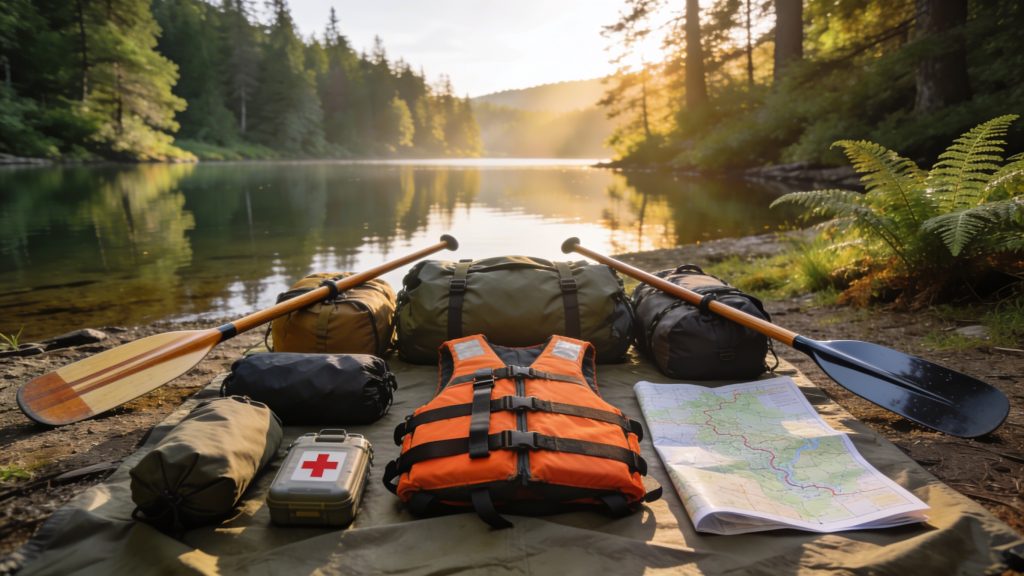
A well-packed rucksack makes the difference between a successful water trip and an uncomfortable adventure where you are missing essential items. For a canoe and kayak holiday you need specific gear that can withstand water, is lightweight and can be packed down compactly. From dry bags and buoyancy aids to spare paddles and repair kits: every day on the water calls for careful preparation. Read on and discover which items you really need.
Basic gear for safe paddling
Safety comes first during a multi-day kayak or canoe trip. Without the right protection and equipment you increase the risk of dangerous situations. Make sure you bring the following items:
- Buoyancy aid (PFD): A personal flotation device is compulsory on most European waters. Choose a model that fits well and is equipped with a whistle.
- Helmet: For white-water paddling or river trips with rocks a helmet is essential to prevent head injuries.
- Paddles: Take one paddle per person, plus a spare paddle for emergencies.
- Spraydeck, pump and bailer: These help you remove excess water from the boat during the trip.
- Tow line of at least 10 metres: Useful for assisting other boats or freeing yourself from tricky situations.
Test in advance whether your buoyancy aid and helmet fit properly. A poorly fitting vest restricts your freedom of movement while paddling and offers less protection if you fall into the water.
Waterproof storage and organisation
Everything you take on the water needs to stay dry. Dry bags are the backbone of your packing list. Distribute your belongings over several bags of different sizes:
- Large dry bag (40-65 litres): For clothing, sleeping bag and tent.
- Medium dry bag (20-30 litres): For cooking equipment, food and kitchen utensils.
- Small dry bag (5-10 litres): For daily essentials such as phone, camera, wallet and documents.
Secure the dry bags with bungee cords or nets on the inside of your canoe or kayak. This keeps them stable so the weight does not shift while you are paddling. Attach paddles, water bottles and buoyancy aids on the outside only when transporting the boat over land.
For extra protection you can put small electronics in a waterproof case or container. That way your phone, GPS or camera stays dry, even if a dry bag develops a small leak.
Clothing that dries quickly and protects
Cotton absorbs moisture and dries slowly. Instead, choose synthetic materials or merino wool that regulate moisture and dry quickly. This prevents hypothermia and increases your comfort on the water.
Underwear and base layers
- Moisture-wicking T-shirt or rash vest to prevent chafing
- Synthetic underwear that dries quickly
- Swimwear as a base layer on warm days
Outer layers and protection
- Long-sleeved UV shirt to prevent sunburn
- Fleece jacket or light jacket for cooler moments
- Windproof or waterproof jacket
- Waterproof trousers or zip-off trousers made from quick-drying material
- Neoprene trousers or wetsuit for cold water (below 15 degrees)
Footwear and accessories
- Neoprene water shoes or sandals with good grip
- Spare shoes such as trail runners for on land
- Cap or hat against sun and cold
- Sunglasses with strap so you do not lose them
- Gloves to prevent blisters during long paddling days
Always store spare clothing in a separate dry bag. That way you have dry clothes after a day on the water or in bad weather.
Camping and sleeping gear for multi-day trips
On multi-day trips it is wise to pack light and compact. Every kilogram counts in a canoe or kayak, because too much weight makes the boat slower and paddling harder work.
- Tent or tarp: Choose a lightweight 2–3 person tent with groundsheet, including poles and pegs.
- Sleeping bag: A compact model suited to the expected temperatures.
- Sleeping mat: A thin inflatable or foam mat for insulation and comfort.
- Survival bag or emergency blankets: For emergencies involving hypothermia.
Avoid large free-standing tents that take up a lot of space. A tarp offers a lightweight alternative and provides enough shelter in dry weather.
Cooking and food during the trip
Cooking at camp calls for minimalist and functional cooking gear. Only take what you really use and choose compact equipment.
- Gas burner with gas canister or compact camping stove
- Pots and pans with lid, preferably nestable
- Cutlery, plates, bowls and mugs (preferably plastic or aluminium)
- Spork (combination of spoon and fork)
- Tin opener and knife
Pack meals that require little preparation, such as pasta, rice, couscous, tinned food and energy bars. Take water purification tablets or a water filter if you plan to use water from rivers or lakes along the way. For warm destinations a small cool box can be useful for perishable products.
Use biodegradable soap and washing-up liquid to protect nature. Pack leftover food and rubbish in bin bags and take them with you to official waste collection points.
Health, first aid and navigation
On remote routes you are far from medical help. A well-equipped first-aid kit prevents minor injuries from becoming major problems.
- Plasters, bandages and disinfectant
- Painkillers and medication for nausea
- Insect repellent and after-bite for mosquitoes and ticks
- Sunscreen with high protection factor
- Biodegradable toilet paper and small trowel for hygiene in nature
- Hand sanitiser for disinfecting your hands
For navigation a compass and waterproof maps are indispensable, even if you use a GPS or smartphone. Batteries run out and technology sometimes fails. A head torch with spare batteries helps with tasks in the dark, such as cooking or putting up the tent.
Leave a copy of your itinerary with family or friends. Then they know where you are staying and can call for help if you are away for too long.
Repair kit and emergency equipment
A leak, broken paddle or torn tent can cut your trip short. Without repair materials you will be stuck because of small problems. Always take a small repair kit with you:
- Duct tape for temporary repairs to tents, bags and clothing
- Repair kit for your canoe or kayak (patches and glue)
- Multitool or sturdy knife for general jobs
- Extra bungee cords and rope for securing items
- Matches or lighter in a waterproof container
A paddle float helps you get back into a kayak after a capsize. This tool greatly increases your safety on solo trips or trips on open water.
Protecting documents and valuables
Keep personal documents and valuables in a small waterproof case or bag that stays with you at all times.
- ID card or passport
- Bank card and cash
- House and car keys
- Insurance documents and emergency contacts
Put your phone in a waterproof case together with a power bank or solar charger. That way you stay reachable and can call for help in an emergency. A camera in a separate waterproof bag captures the best moments of your trip.

Extra tips for a comfortable trip
Adapt your packing list to your destination and the season. For cold regions such as Scandinavia you will need extra neoprene clothing. For warmer destinations in southern Europe lighter clothing is enough, but do not forget sun protection.
Test your packing list on a short day trip before starting a multi-day journey. This way you discover which items you are missing or which are actually unnecessary. Limit your luggage to a maximum of one small and one large bag per person to maintain the balance of the boat.
Do not tie loose items to the outside of your kayak while paddling. They can come loose and get lost. Use only the inside of the boat for storage and make sure everything is well secured.
Discover more about nature holidays
On the Traveler Tips website you will find much more information about canoe and kayak holidays, routes through Europe, camping tips and practical advice for nature lovers. Discover the best destinations, learn about regulations and read how to plan your next watersports holiday even better. Start exploring your next trip today.
Frequently asked questions
Create one basic list with categories (paddling, clothing, sleeping, kitchen, safety/documents) and choose the lightest, most multifunctional version of each item for every trip (for example a fleece that serves as both camp jumper and pillow). Use modules for overnight stays: a “wild camping set” (tent/tarp, cooking set, water purification) and a “hut/hostel set” (sleeping bag liner, small toiletry bag, no cooking set) that you add or leave out as needed. Adjust clothing in layers to suit the weather: always a quick-drying base layer, with additional layers (fleece, waterproof jacket, possibly a light down jacket) that you can remove or add at any moment. Test your packing list on a short outing and remove everything you do not use then, except first aid, emergency items and rain/cold protection.
Essential smart items include a sturdy multitool (pliers, knife, screwdriver in one) and compact dry bags in different colours to keep items waterproof and organised. A power bank or small solar charger in combination with a waterproof phone case increases comfort and safety. A good head torch with red-light mode is space-saving and improves the experience around dusk and at night. Finally, lightweight, foldable kitchen and camping items (such as a nestable pan set and collapsible bowls) offer a lot of comfort while taking up very little space.
Essential safety items in your dry bag are a compact first-aid kit (incl. plasters, disinfectant, painkillers), emergency blanket/survival bag, head torch, whistle and emergency communication (phone in waterproof case + power bank, possibly map and compass). Also add sunscreen, insect repellent and, if desired, a small emergency ration/energy bars. Necessary repair kits include duct tape or Tear-Aid, a multitool/knife, spare lines/bungee cords, waterproof patches (for dry bags, tent or mat) and possibly a mini sewing kit. Keep everything grouped together in a separate small dry bag so you can find it quickly.
Calculate your required calories and litres of water per day (at least 2–3 litres per person per day, more in heat or during strenuous activity) and multiply that by the number of days without reliable resupply points. Choose compact, long-lasting food (such as dried meals and energy-rich snacks) and take a water filter or tablets if there is surface water. Plan your route so that you regularly pass villages or campsites to top up food and drink, and mark these points in advance on a map or GPS. Always keep one extra day’s supply for emergencies.
In warm weather wear light, quick-drying synthetic layers such as a UV-protective long-sleeved T-shirt, swimwear or shorts/zip-off trousers, cap and sunglasses with strap. In cooler weather add a warm base layer, fleece or jumper and a windproof or waterproof jacket and, if necessary, neoprene trousers or a (dry) suit. For sun protection, a long-sleeved UV shirt, cap or hat, sunglasses and sunscreen are essential. Protection against insects includes insect repellent, possibly a head net and wearing thin long sleeves and long trousers.