 NL
NL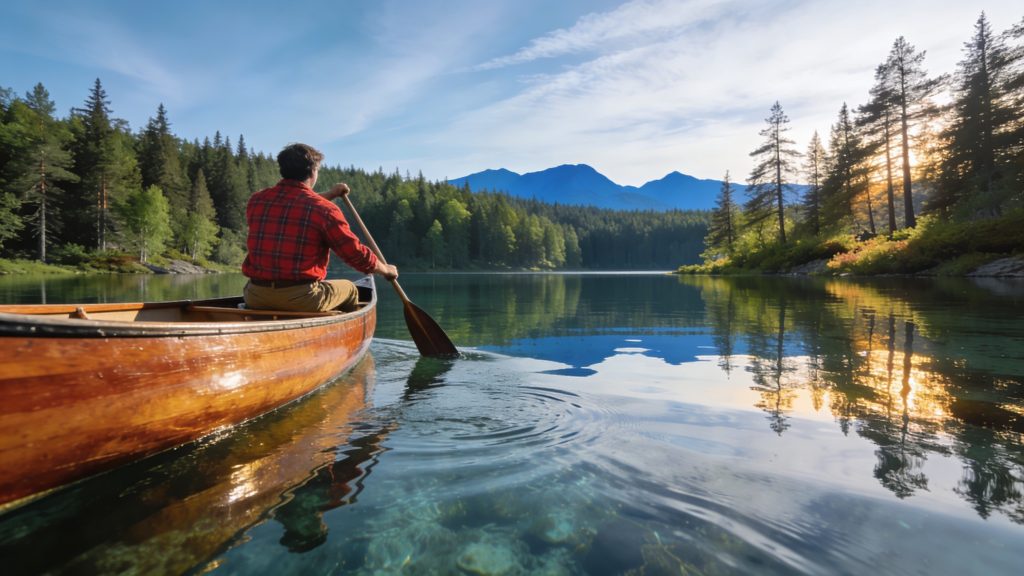
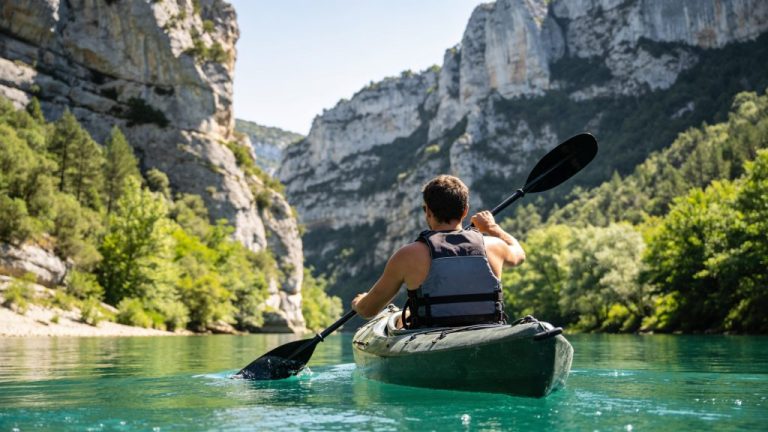
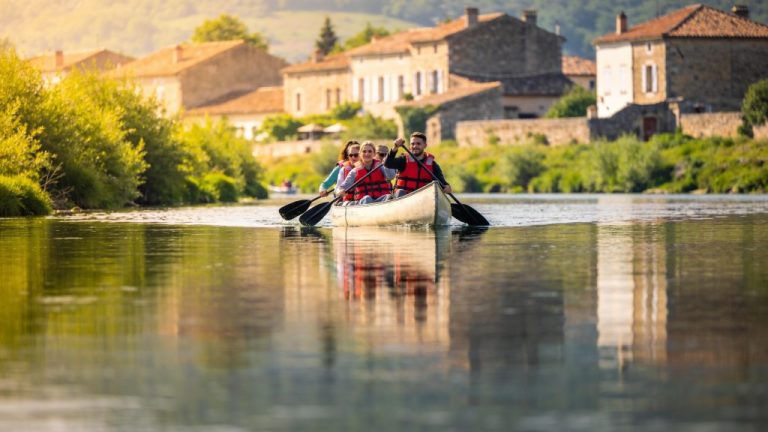
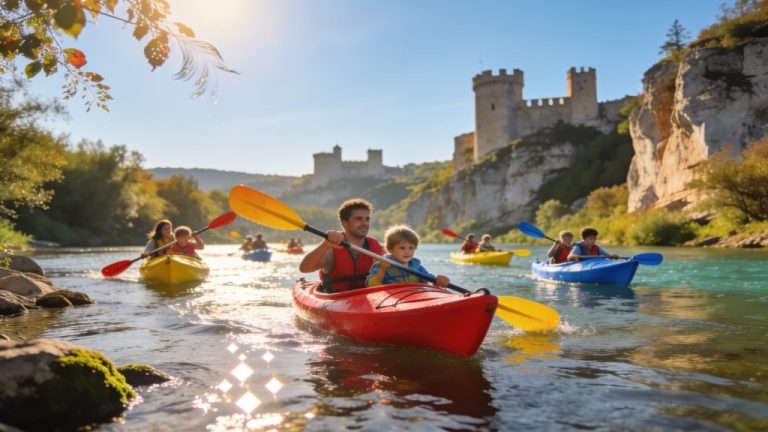
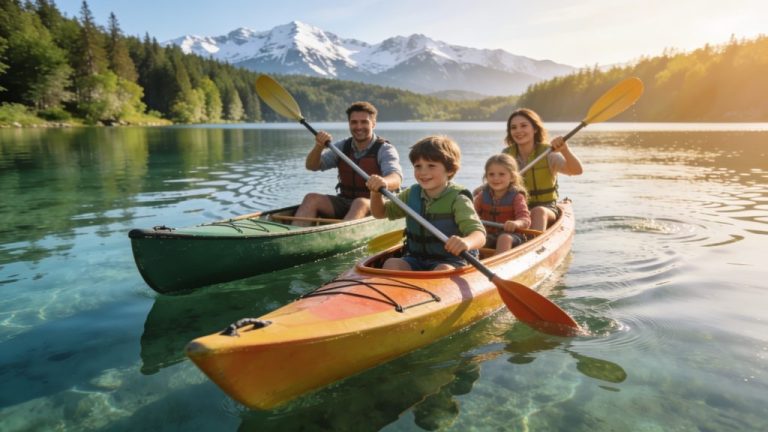
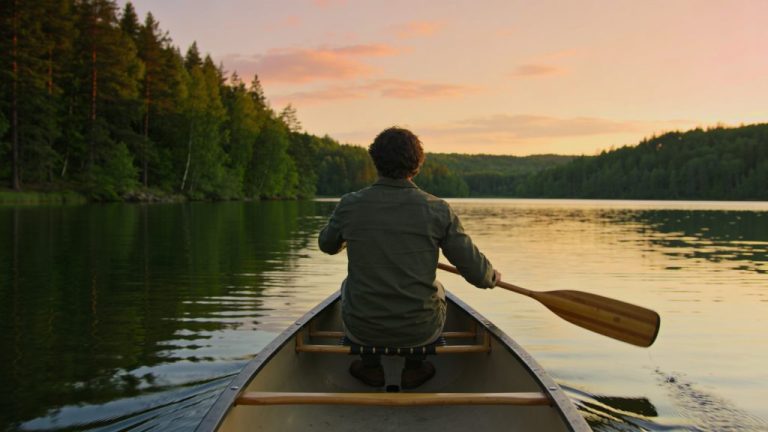
A week of wild camping and canoeing through Swedish nature takes you back to the essentials: silence, crystal-clear water and forests that stretch out endlessly. A Sweden canoe wilderness trip is a special way to leave everyday reality behind and immerse yourself in an environment where the only sound you hear is your paddle. A canoe and kayak holiday like this confronts you with nature at its most beautiful and most raw. Discover why this way of travelling is so special and how you can organise it yourself.
Why a canoe trip through the Swedish wilderness is special
The Swedish wilderness areas are among the most unspoilt places in Europe. In regions such as Värmland and Örebro you travel by Canadian canoe from lake to lake, without haste or fixed routes. The water is so pure you can drink it straight. The little islands where you camp are almost uninhabited. Here you experience what real peace and quiet means.
This trip combines physical exertion with complete relaxation. During the day you paddle along calm rivers and quiet lakes, regularly having to portage: loading the canoe onto a trolley for short stretches over land. In the evenings you set up camp, gather firewood and cook over an open fire. This self-sufficiency makes the experience intense and personal.
The generous wild camping rights in Sweden give you the freedom to spend the night almost anywhere. You are not tied to campsites or fixed spots. This increases the sense of freedom and makes every night different from the last.
Wild camping by canoe in Sweden: where are you allowed to camp?
Sweden follows the Allemansrätt, the right of public access to nature. This means that you are allowed to wild camp in most places, provided you respect nature and do not cause any damage. In Värmland, a popular area for canoe trips, you can pitch your tent almost anywhere.
Most canoe routes lead you past small uninhabited islands in lakes. These islands offer natural camping spots with access to clean water and shelter in the forests. Some routes also have designated camp spots where you can spend the night together with other participants, although you still have your own tent for privacy.
Practical conditions for wild camping in Sweden:
- Do not camp too close to houses
- Do not leave any rubbish and take everything back with you
- Use dead wood for campfires and extinguish fires completely
- Respect nature and do not disturb wildlife
These rules ensure that the Swedish wilderness remains accessible to everyone. For canoe trippers, this means a unique freedom that you will not find in many other European countries.
Swedish canoe route: popular areas and what to expect
Most wilderness canoe trips take place in Värmland, a region on the border with Norway, or in Örebro, on the border of Värmland and Dalarna. These areas are characterised by a network of interconnected lakes and calm rivers, ideal for multi-day trips.
A standard route lasts seven days, during which you paddle between three and six hours a day. The distances vary depending on your pace and the weather conditions. You do not paddle non-stop: there is plenty of time to swim, fish or simply enjoy the surroundings. Some routes depart daily, others weekly in the summer months between June and September.
What makes these routes accessible:
- No previous canoeing experience required
- Instruction and explanation on the first day
- Routes at different levels, from beginner to experienced
- Possibility to shorten the trip to five or six days
You navigate using map and compass, a skill you will further develop along the way. This demands concentration, but also adds an element of independence to the experience. You are truly on your own.
What is included in an organised wilderness canoe trip?
Most providers offer complete packages so that you do not have to gather all the equipment yourself. This lowers the threshold, especially for people trying this way of travelling for the first time.
Standard inclusions in a canoe trip:
- Two-person Canadian canoe with paddles and life jackets
- Canoe trolley for portage between lakes
- Waterproof barrels to keep your belongings dry
- Two-person tent (dome tent)
- Cooking equipment including fuel
- Canoe map of the area
Some providers also offer the option to rent sleeping gear, kitchen packs or extra equipment. This is useful if you want to travel light or do not own certain items yourself. You usually bring your own food, as you will not encounter any shops along the way.
The equipment is designed for self-reliance. You get everything you need to spend a week comfortably in nature, but luxury is in short supply. That is exactly the point.
‘ For the Valegren canoe trip in Örebro you pay around 265 euros per adult based on two people per canoe. ‘
Booking a Sweden wilderness canoe trip: costs and departure points
The costs for a seven-day canoe trip vary by provider and season. For the Valegren canoe trip in Örebro you pay around 265 euros per adult based on two people per canoe. Children up to the age of fifteen pay around 160 euros. This excludes transport to Sweden and food.
Departure points are usually at specialised canoe centres. Examples are the canoe centre in Hällefors in Örebro or Sandvikengarden on Lake Värmeln in Värmland. Some organisations offer coach trips from the Netherlands and Belgium, with departure points in Brussels, Utrecht and Joure. This makes the journey more accessible if you do not want to drive yourself.
If you travel independently, you can fly to Oslo and book a shuttle from there to the basecamp. Most canoe centres also offer accommodation before and after the canoe trip, so you can arrive and leave at a relaxed pace without rushing.
Who is this trip suitable for?
A wilderness canoe trip through Sweden does not require an elite level of fitness, but it does demand a certain degree of independence and perseverance. You are physically active for a week and sleep in a tent. The weather can be changeable and comfort is minimal.
The trip is suitable for:
- Families with children who want to be outdoors
- Couples looking for peace and space
- Individuals who want to experience nature intensively
- People who are ready for a bit of discomfort in exchange for a unique experience
You do not need to be an experienced canoeist. Most routes are calm and not technically demanding. However, you must be willing to adapt to the conditions and accept that you will sometimes be wet, tired or cold. These challenges are precisely what make the experience so rewarding.
Practical tips for your preparation
Good preparation makes the difference between a wonderful and a difficult experience. Although the basic equipment is provided, there are things you need to bring and arrange yourself.
Important points to consider:
- Bring enough food that does not spoil quickly: pasta, rice, nuts, dried fruit and tinned food are ideal
- Pack clothing in layers: temperatures can drop at night, even in summer
- Make sure you have waterproof clothing and shoes that can get wet
- Take a head torch and spare batteries
- Bring insect repellent and sun protection
Make sure you are reasonably prepared physically. You do not need to be a marathon runner, but a basic level of fitness certainly helps. Regular walking or cycling in the weeks before departure is enough to prepare your body for the effort.
Do not forget that you will be without mobile reception and Wi-Fi for a week. For some this is a challenge, for others a relief. Prepare yourself mentally for this and enjoy the digital detox.
‘ These moments stay with you long after you are back in your daily routine. ‘
What makes this experience unforgettable?
The power of a Swedish wilderness canoe trip lies in its simplicity. There are no distractions, no schedules and no crowds. Your day is determined by natural rhythms: waking up with the sun, paddling when the water is calm, stopping when you find a beautiful spot.
The silence is overwhelming. You hear birds, wind in the trees and the sound of your paddle in the water. In the evenings you sit by the campfire and look up at a starry sky without light pollution. These moments stay with you long after you are back in your daily routine.
The feeling of self-sufficiency is deeply satisfying. You have learned to navigate, set up camp, light a fire and cook with minimal means. These skills are practical, but they also give you confidence.
On the Traveler Tips website you will find more information about nature holidays, preparation tips for outdoor trips and other destinations where you can experience nature intensively. Discover more inspiration and practical tools to plan your next trip.
Frequently asked questions
Travel to Sweden in a relaxed way (for example with your own car or an overnight train) and plan one fixed basecamp address for before and after the canoe trip, so you can arrive, organise your gear and rest there. Choose an organised 7-day canoe trip with good equipment (canoe, tent, cooking set, barrels) so that you get maximum immersion in the wilderness without too much logistical stress. Build a mix of short paddling days and long camp moments into your route, so you have time for swimming, making fires and enjoying the silence instead of just “paddling on”. End your journey with a few comfortable nights in a cabin or on a campsite with facilities, so you can let the rugged nature experience sink in calmly.
Based on your wish for tranquillity and a reasonable but not extreme challenge, the quiet lakes and rivers of Värmland suit you very well, because there you can canoe for days without meeting many other people. The multi-day trips where you paddle from island to island and wild camp (such as the 7-day canoe wilderness trip in Värmland or in the border region of Örebro/Dalarna) best match your experience and search for silence. If you already have some experience and are looking for more challenge, you can opt for a longer route with more portage sections (canoe on a trolley between lakes), where you have to navigate more often with map and compass and are completely self-sufficient. If you have less experience, choose a standard, beginner-friendly 7-day route from a canoe centre, where you get clear instructions and equipment but still experience maximum wilderness and peace.
Important preparations include planning your route and emergency exits, practising with map and compass, checking the weather, mosquito season and fire regulations, and going through basic skills such as canoe technique, setting up camp, making a fire and first aid. Essential equipment includes a solid Canadian canoe with life jacket, paddles and waterproof barrels, plus a reliable tent, warm sleeping bag and insulating mat. You will also need a cooking set with fuel, enough food, layered clothing (including rain and thermal clothing), mosquito net/DEET and an extensive first-aid kit. For extra safety, take a map and compass (and know how to use them), possibly GPS or satellite communication, emergency signals and repair materials for canoe and gear.
Treat nature responsibly by camping only on existing campsites or hard, insensitive ground, not damaging plants and taking all your rubbish (including food waste) back with you. Preferably use a camping stove; if you do light a fire, do so only at existing fire pits, keep it small and brief, and use only dead, fallen wood. In Sweden, the “Allemansrätt” applies: you may wild camp for a short time on non-built-up private land, with respect for nature, agriculture and residents, and at a sufficient distance from houses. Local rules differ per municipality and nature reserve, so check the regulations in advance (for example fire bans during dry periods and specific camping zones) with the local tourist information office or land managers.
You can reliably rent canoes and full camping equipment from specialised canoe centres and providers of multi-day wilderness trips in Värmland and the Örebro region, for example basecamps around Hällefors and the Lake Värmeln area. Choose a provider that not only supplies canoe, tent, cooking set and waterproof barrels, but also a route map and safety briefing for beginners. Organise the logistics “smartly” by keeping the start and end point at the same canoe centre or choosing a provider that offers shuttles or bus transport (for example from the Netherlands/Belgium or from the airport). Also plan a night at the basecamp before and after the trip, so you can take your time to pick up and return equipment.