
 NL
NL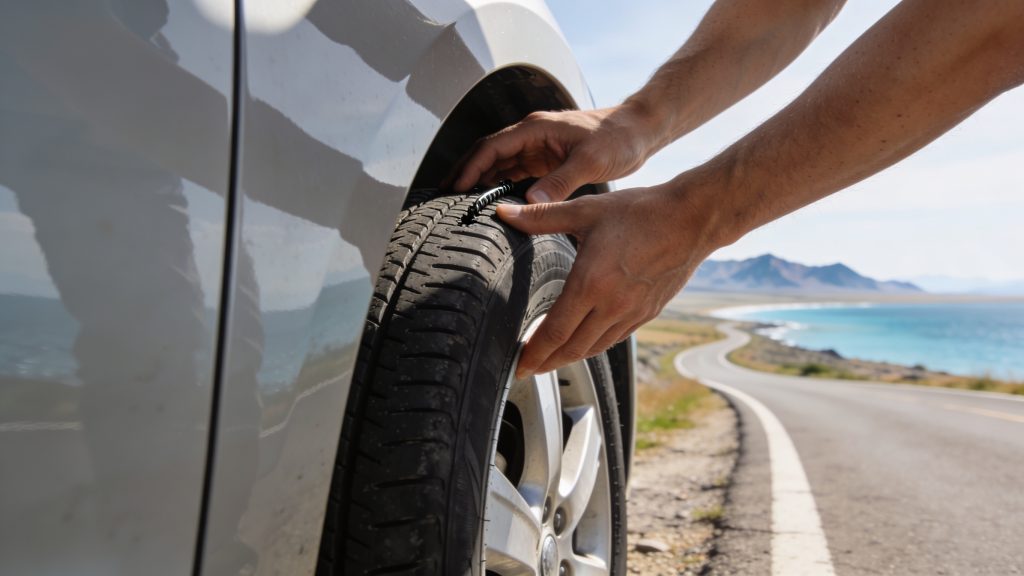
Tyres are the only contact point between your vehicle and the road, and on motorhomes and cars they are under extra strain from luggage, full tanks and long distances. Regularly checking tyre pressure, tread, cracks and age prevents blowouts, reduces wear and improves fuel consumption. If you look after your tyres properly, you drive more safely and feel more relaxed on the road. This article explains how to check your tyres, when to replace them and which steps to take to avoid problems during your trip.
Why tyre maintenance is so important for motorhomes and cars
Motorhomes and heavily loaded cars place greater demands on tyres than everyday passenger cars. The weight of a fully loaded motorhome, including water tanks, luggage and equipment, puts extra strain on the tyres. This leads to faster wear, especially if the load is distributed unevenly.
Poorly maintained tyres reduce your control when braking and in emergency situations. Tyres that are underinflated increase the risk of a blowout, while overinflated tyres reduce driving comfort and limit grip on wet roads. The correct pressure and regular checks extend the life of your tyres, improve fuel consumption and provide more comfort on long journeys.
Even if you don’t drive much, tyre maintenance deserves attention. Tyres dry out if your vehicle is stationary for a long time, which can cause cracks and splits. If you are doing extensive preparations, a full motorhome check and maintenance is recommended, with the tyres forming part of the overall vehicle inspection.
‘ Underinflated tyres cause excessive wear on the shoulders of the tread, increase fuel consumption and raise the risk of a blowout. ’
How to check tyre pressure
Measure the tyre pressure every two weeks or at least once a month. Always do this when the tyres are cold, meaning your vehicle has been stationary for at least three hours. Tyres that are warm from driving show a higher pressure, which gives a distorted reading.
Underinflated tyres cause excessive wear on the shoulders of the tread, increase fuel consumption and raise the risk of a blowout. Overinflated tyres wear mainly in the centre and reduce driving comfort. For motorhomes you must take the payload into account. Check the registration document or the instructions in your vehicle papers for the recommended pressure when fully loaded.
Use a tyre pressure gauge or the compressor at a filling station. Inflate the tyres to the recommended value, which is often higher at maximum load. Don’t forget the spare wheel, so you don’t get an unpleasant surprise on the road.
Inspecting tread and wear
Check the tread depth regularly across the full width and circumference of the tyre. Use a tread depth gauge or look at the built-in wear indicators, the small raised areas in the grooves of the tread. As soon as the tread is worn down to these indicators, you must replace the tyre.
The minimum tread depth differs per type of tyre:
- Summer and all-season tyres: minimum 2 mm
- Winter tyres: minimum 4 mm
Also replace tyres if they wear unevenly, which may indicate a tracking problem or incorrect tyre pressure. Watch for cracks, bulges, cuts and signs of drying out, especially on the sidewalls. Motorhomes that are regularly parked against kerbs or driven over potholes are at greater risk of damage to the sides.
When to replace motorhome tyres
Replace tyres after six years, even if the tread is still sufficient. Rubber ages and dries out, which weakens the structure and increases the risk of cracking. You can find the production date on the sidewall of the tyre, indicated by a four-digit code. The first two digits show the week, the last two the year.
Replace tyres sooner if you see cracks, splits or bulges, or if the tyre wears unevenly despite the correct tyre pressure. Anyone who regularly drives on mountain roads, gravel or poor road surfaces must be extra alert to faster wear. For long journeys through southern Europe or the Alps, it is sensible to have the tyres checked in advance by a specialist.
‘ Incorrect wheel alignment causes vibrations and irregular wear, which is particularly likely to lead to problems on long motorhome trips. ’
Rotating tyres and aligning wheels
Rotate your tyres every 10,000 kilometres to distribute wear evenly. Front wheels wear faster, especially with front-wheel drive. By swapping the front and rear tyres, you extend their life and improve stability.
Have the wheels aligned and balanced after changing tyres, after hitting a kerb, or if you notice that the vehicle is pulling to one side. Incorrect wheel alignment causes vibrations and irregular wear, which is particularly likely to lead to problems on long motorhome trips. Good balance prevents unnecessary strain on the chassis and improves driving comfort.

Cleaning and protecting tyres
Clean your tyres once a year, for example when switching from summer to winter tyres. Use a tyre cleaner to inspect the tread and sidewalls for damage. Then treat the tyres with tyre spray or tyre gel to protect them against UV radiation, drying out and cracking.
This is especially important for motorhomes that stand still for weeks at campsites or in storage. Repeat the treatment every few weeks to keep the rubber supple and extend its lifespan.
Practical tips on the road
Always carry out a full tyre check before departure. Check the pressure and the tread, especially if you are travelling with full water tanks or a lot of luggage. On off-road routes or gravel it can help to increase the pressure by 0.2 to 0.5 bar for better grip and to prevent the tyres from flexing too much.
Take a compressor and a tread depth gauge with you so that you can carry out your own checks on the road. Hot motorways in southern Europe can lead to faster wear, especially if the tyres are already a bit older. Plan stops to check the pressure after long drives.
For winter trips to the Alps or other mountainous areas, it is advisable to switch to winter tyres in good time, or to check whether your all-season tyres still have sufficient tread. Have a professional check carried out once a year by a specialist, especially if you are driving a heavy motorhome. Load capacity and balance are then even more important for safe travel.
‘ You save fuel and avoid expensive repairs on the road. ’
Tyre maintenance as part of your trip preparation
Well-maintained tyres make the difference between a relaxed journey and unexpected stops at the roadside. By checking them regularly, replacing them in good time and taking load and conditions into account, you increase safety and driving comfort. You save fuel and avoid expensive repairs on the road.
Make tyre maintenance part of your preparation routine. Check pressure and tread before every longer trip, rotate tyres according to schedule and replace them after six years. That way you drive with more confidence and enjoy your road trip or motorhome holiday more.
On the Traveler Tips website you will find much more information about motorhome maintenance, trip preparation, routes and practical tips for a smart, self-planned holiday. Discover more useful articles and plan your next trip with confidence.
Frequently asked questions
Before departure and during the journey, regularly check the tyre pressure (measured cold) and adjust it to the load so that you maintain grip and driving comfort. Make sure there is sufficient tread depth and replace tyres with cracks, bulges or uneven wear to reduce the risk of skidding and blowouts. Have your wheels aligned and balanced if you notice vibrations or if your vehicle pulls to one side, so that the car drives stable and smoothly. Take a small compressor and tread depth gauge with you so you can make adjustments on the road for changing conditions.
Before departure, always check the tyre pressure with cold tyres and adjust it according to the manufacturer’s or motorhome specifications, especially when fully loaded. Check the tread with a tread depth gauge or wear indicator and replace tyres with insufficient tread or uneven wear. Inspect the tyres all around for cracks, bulges, cuts and damage to the sidewalls. Remove stones or sharp objects from the tread and make sure the valve caps are screwed on tightly.
The correct tyre pressure reduces rolling resistance, which lowers your fuel consumption. In addition, tyres wear more evenly and more slowly, extending their lifespan. Underinflated tyres cause more wear on the shoulders and higher fuel consumption, while overinflated tyres cause wear in the centre. By checking regularly and keeping them at the recommended pressure, you drive more economically and your tyres last longer.
Important signs that your tyres need replacing include (almost) worn-out tread, uneven wear, visible cracks, bulges or cuts in the tread or sidewall. On the road you often notice this through a longer braking distance, less grip in corners or in wet weather, or vibrations in the steering wheel or bodywork. If your vehicle pulls to one side or the steering feels “floaty”, worn or unevenly worn tyres may be the cause. If in doubt, immediately check the tread, sidewalls and tyre pressure at a filling station.
Check tyre pressure regularly while travelling, especially when temperatures vary between cold mountains and hot motorways, and always measure it with ‘cold’ tyres. With heavy loads, keep the pressure at the upper end of the manufacturer’s recommendation to prevent overheating and blowouts on rough or hot asphalt. On varying road surfaces (gravel, cobbles, poor asphalt), inspect tread and sidewalls more frequently for cracks, bulges and cuts. Take your own compressor and tread depth gauge so that you can make adjustments en route, for example after long stretches in heat or on poor roads.