 NL
NL
Preparing your motorhome properly for winter prevents damage from frost, damp and standing still for long periods. Empty tanks, unloaded tyres, closed-off pipes and good ventilation keep your motorhome in good condition while it is in storage. That way you can set off again straight away in the spring. Read here how to tackle this step by step.
Draining the water system completely to prevent frost damage
Water left behind in tanks or pipes expands when it freezes. This leads to damaged pipes, pumps and boilers. So drain all the water before putting your motorhome into storage. Empty the fresh and waste water tanks, boiler, pipes and taps completely.
Open all the taps and leave them that way. Press the toilet solenoid valve as well to allow any remaining water to drain away. If you are unsure whether there is residual water in the pipes, use antifreeze or a winter-grade fluid. Don’t forget to empty the cassette toilet too. A thorough approach to the water system is an important part of motorhome checks and maintenance and prevents expensive repairs.
‘ Turn the tyres a little every month to spread the load evenly. ’
Taking the load off the tyres and increasing tyre pressure
Tyres that stand still in the same position for months can develop flat spots. This affects the structure of the rubber. Increase tyre pressure by 0.5 bar above the normal value. This gives extra support while the vehicle is standing still.
Also check tyres for wear, cracks and damage. Ideally, park the motorhome on levellers so the tyres are slightly unloaded. Release the handbrake, put it in gear and wind out the corner steadies. That way the full weight is not resting on the tyres. Turn the tyres a little every month to spread the load evenly.
Removing and protecting batteries
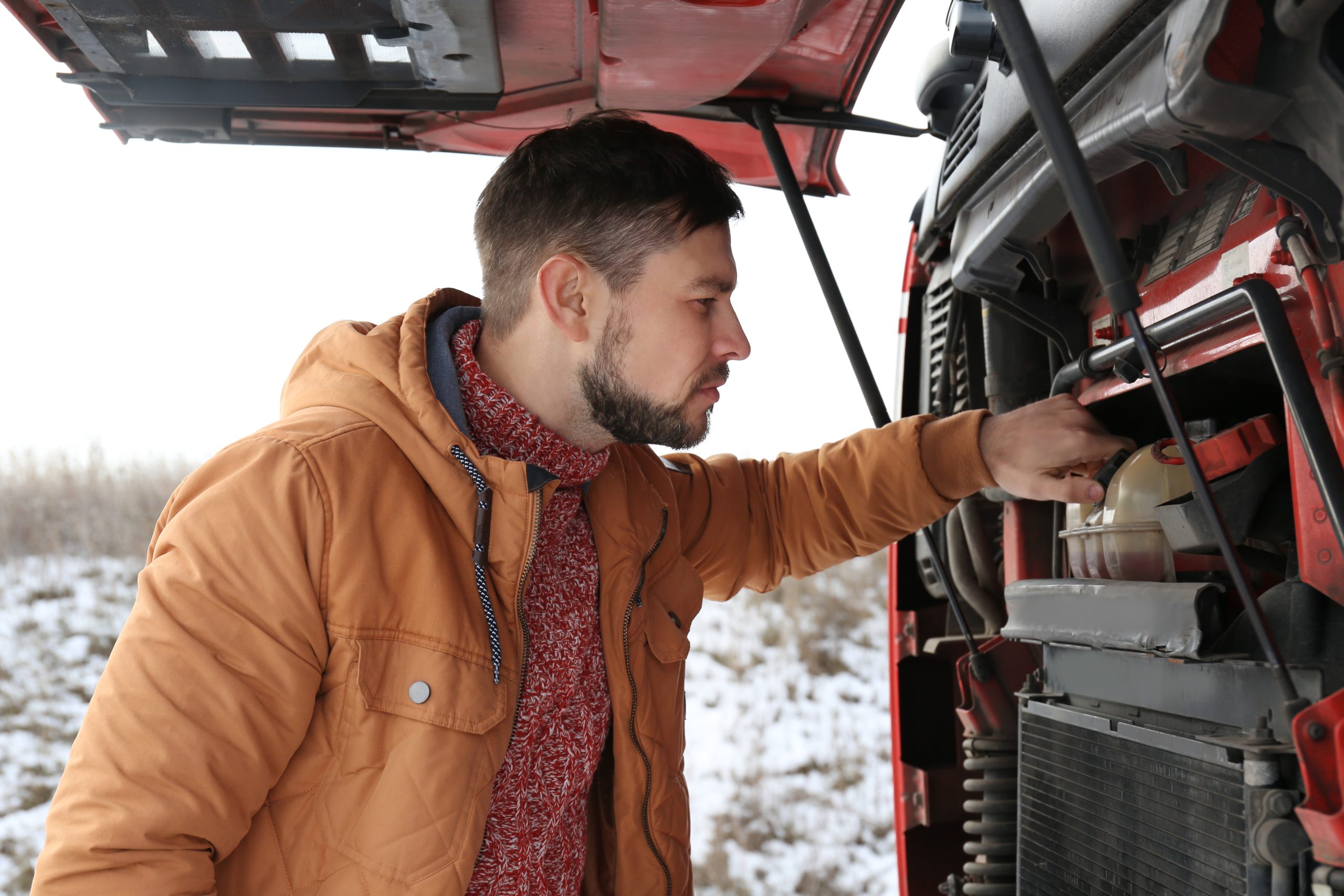
Batteries slowly discharge while not in use. Frost accelerates this process and can cause permanent battery damage. Disconnect both the starter battery and the leisure batteries and remove them from the motorhome. Put them on a trickle charger in a frost-free place such as a garage or shed.
Check the batteries’ voltage monthly. Keep the charge level above 50 per cent to preserve their lifespan. Leaving the batteries in the motorhome? Then at least disconnect the terminals. That reduces the discharge.
Safely shutting down the gas system
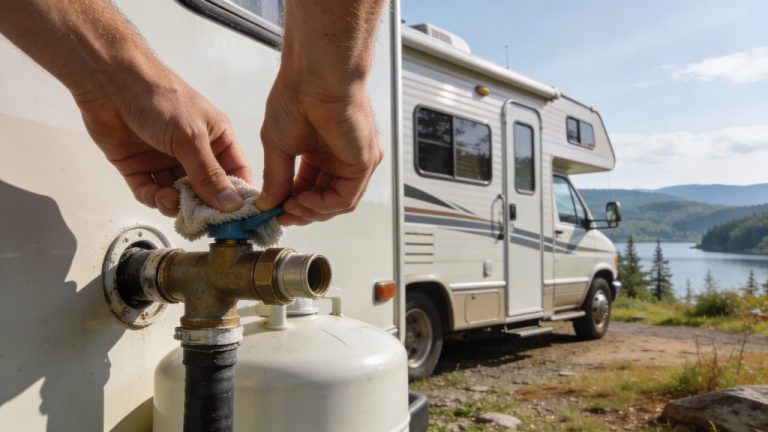
Gas cylinders are better kept outside the motorhome during winter storage. Remove all cylinders and close off the gas pipes. That reduces risks. The gas lines will no longer be under pressure. Store the cylinders in a well-ventilated area, separate from the motorhome.
‘ They can sometimes have the opposite effect there. ’
Preventing damp damage during storage
Damp that builds up in a closed motorhome leads to mould, rust and damaged materials. Ensure good ventilation while it is in storage. Put windows on the vent position, open interior doors and stand cushions upright. That prevents moisture building up in the same spots.
Place moisture absorbers in cupboards and fixed locations. Avoid using them in tanks. They can sometimes have the opposite effect there. Raise the flyscreens and set the combination blinds to the correct position. This allows air to circulate without sunlight damaging materials. Check the motorhome regularly during winter for condensation and wipe it away immediately.

Thorough cleaning before the winter break
Start with a thorough clean. Wash the exterior. Then check for rust spots or paint damage. Clean the interior, kitchen, bathroom and fridge with soapy water. Open all cupboards, drawers and ventilation openings. This ensures everything dries completely.
Remove all food and food remains. Even crumbs in drawers or cupboards attract pests. Clean and dry the fridge completely. Leave the door slightly ajar to prevent mould. Clean surfaces give moisture less chance to get a grip.
Filling the fuel tank with winter diesel
An empty tank attracts moisture. A half-full tank has the same problem. This leads to corrosion and contamination of the fuel system. Fill the diesel tank completely with premium winter diesel, blue diesel or HVO. This prevents moisture build-up and keeps the system clean.
After refuelling, drive a short distance. This fills the fuel lines with the new fuel. The entire system is then protected during the winter break.
‘ That prevents small problems getting worse over the winter. ’
Protecting electrical systems and components
Check all fluids such as engine oil, brake fluid and coolant. Top them up where necessary. Treat door seals with silicone spray to prevent them drying out and cracking. Lift the windscreen wipers off the glass so they do not stick.
Plan a minor service at a dealer before putting the vehicle into storage. That prevents small problems getting worse over the winter. Also take photos of the outside of the motorhome. These are useful for checks after the winter period and for insurance claims.

Choosing the right storage location and protection
Indoor storage or under a carport is ideal. No carport? Then use a breathable motorhome cover. This protects against damp, frost and dirt, but allows condensation to escape. Avoid plastic covers, as these trap moisture.
Secure the motorhome with a wheel clamp and extra lock. Check what your insurance covers while the vehicle is in storage. Outdoor storage requires extra attention. Some insurers set security requirements. The storage location may also have its own conditions.
Regular checks during the winter months
Check the motorhome once a month during the winter break. Wipe away condensation, check tyre pressure and turn the tyres a little. Check the batteries’ voltage and recharge them if necessary. Ventilate briefly by opening the windows on a dry day.
Watch out for signs of damp problems, pests or other damage. Early detection prevents major repairs. Test all pipes and systems thoroughly in the spring before putting the motorhome back into use. Check for frost damage. Even careful preparation does not give an absolute guarantee.
‘ Rushing leads to missed steps. ’
Start preparing in good time
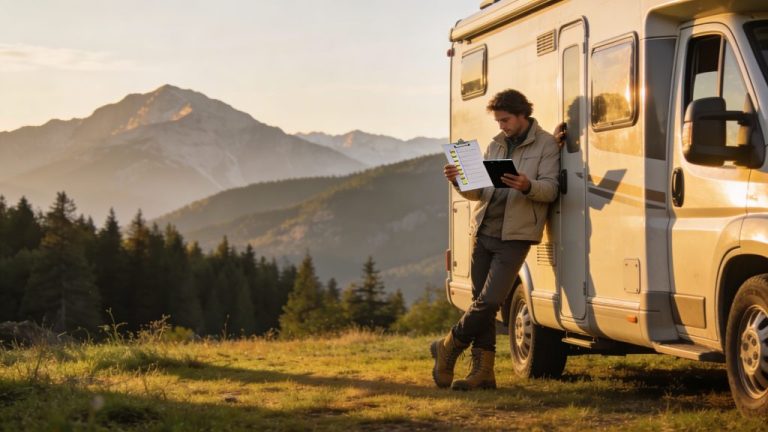
Plan at least a full day to get your motorhome ready for winter. Rushing leads to missed steps, which can be costly. Make a checklist and work through it step by step. Check each component carefully.
Work through all the steps calmly and check your progress as you go. Pay extra attention to details in the water system and the batteries. Before you leave, check that all hatches, covers and shut-off valves are in the correct position. Note down what you have done and on which date. This helps with checks in the spring and prevents you skipping steps.
On the Traveler Tips website you will find much more information about motorhome trips, maintenance, routes and practical tips for a well-prepared holiday. Discover more articles and make your next trip even better.
Frequently asked questions
Key reasons for preparing your motorhome thoroughly for winter are preventing frost damage to pipes, tanks and boiler, and protecting against damp, mould and condensation. You also avoid discharge and damage to the batteries, deterioration of rubber seals and tyres, and problems with the fuel system and gas installation. In addition, you reduce the risk of rust, paint damage and vermin in the interior. This way you save on high repair costs and your motorhome is ready to use straight away in spring.
A complete checklist includes: cleaning the motorhome thoroughly inside and out, removing all food and leaving the fridge dry with the door slightly open. Draining the entire water system (fresh and waste water tanks, boiler, pipes, taps and toilet) completely, optionally using antifreeze for residual water, and shutting down the gas system and removing the gas cylinders. Disconnecting the starter and leisure batteries and keeping them frost-free on a trickle charger, filling the diesel tank completely with suitable winter diesel, and checking and caring for fluids, rubber seals, wipers and tyres (slightly higher pressure, using levellers). Finally, making sure of a good indoor climate and ventilation, windows on the vent position, cushions upright, placing moisture absorbers and, if desired, fitting a breathable motorhome cover and extra security.
Drain the entire water system: fresh and waste water tanks, boiler, pipes, taps, pumps and the cassette toilet, and leave all taps open throughout the winter. Press the toilet solenoid valve so that no water remains there and consider using special antifreeze fluid for any residual water in the pipes. Make sure the system is completely empty before you store the motorhome in freezing conditions, and in spring test it slowly again for leaks.
For the batteries, the best option is to disconnect both the starter and leisure batteries, remove them from the motorhome and store them frost-free on a trickle charger, checking the voltage regularly. Make sure all 12V consumers in the motorhome are switched off or disconnected to prevent parasitic drain. For the gas system, shut the installation down completely, remove the gas cylinders and store them upright, dry and well ventilated. After winter storage, check the gas system for leaks and correct operation before setting off again.
If you want to use the motorhome in winter, you keep the water system filled and protected with suitable antifreeze instead of draining everything completely for storage. You usually leave the batteries connected (possibly with a trickle charger), because you need them, whereas for storage you often disconnect them and keep them indoors. You also ensure good winter tyres and check tyre pressure, fluids and heating more often, because you are driving in cold and wet conditions. In addition, you leave more basic equipment and textiles on board for use, whereas for storage you remove as much as possible and want to keep everything dry and ventilated for a long period.