 NL
NL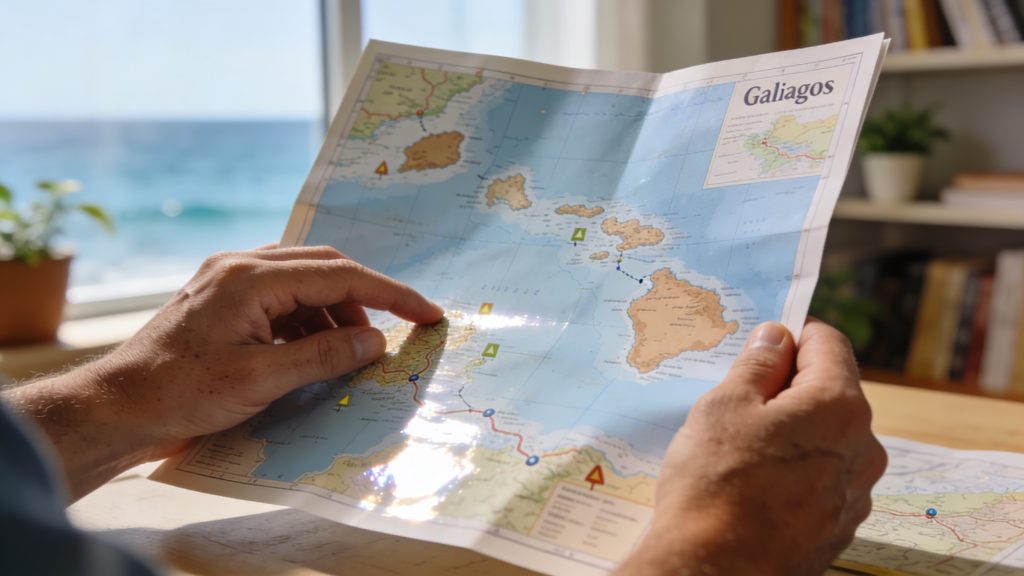
The choice of a specific expedition cruise route determines which unique animal species you will encounter and which islands you will explore. Routes range from four to fifteen days and are divided into northern, southern, eastern and western regions, each with its own highlights such as giant tortoises, sea lions and volcanic landscapes. Do you want to know which route best matches your interests?
The Galápagos archipelago has fixed expedition cruise routes that combine island groups for maximum biodiversity. Expedition cruises in this area use small ships for a maximum of ninety guests and offer daily zodiac excursions, guided walks and snorkelling opportunities. The routes are designed to visit different ecosystems without repeating the same landing sites.
Which routes does a Galápagos expedition cruise offer?
Expedition cruises follow four main directions, each with specific islands and nature areas. Your choice depends on your interest in certain animal species, volcanoes or snorkelling opportunities.
Northern routes for bird lovers
Northern routes visit Santiago, Rábida, Bartolomé, North Seymour and Genovesa. These routes last seven to ten days and are popular because of the photogenic Pinnacle Rock on Bartolomé. You will find blue-footed boobies, frigatebirds and Galápagos penguins here. Longer cruises of ten days or more add the northern parts of Isabela and Fernandina, where you have a chance of whale sightings and unique lava formations.
Southern routes with sea lions and snorkelling spots
The southern areas include San Cristobal, Santa Fe, Floreana and Española. These routes range from four to eight days and are ideal for intensive snorkelling with sea lions, rays and sharks. Española is known for the waved albatross (between April and December) and large colonies of sea lions. Shorter versions of four to five days often skip Santa Fe or Española.
Eastern routes with land iguanas and giant tortoises
Eastern routes combine Santa Cruz, Genovesa, Santa Fe, San Cristobal, Baltra and Española. These routes last seven to ten days and focus on land iguanas, giant tortoises and lava lizards. Santa Cruz provides access to the Charles Darwin Research Station and highland areas where giant tortoises live in their natural habitat. Shorter versions avoid Genovesa or San Cristobal in order to stay within the planned travel time.
Western routes for volcanoes and whales
Western routes focus on Isabela and Fernandina, with visits to Tagus Cove, Puerto Villamil, Urbina Bay, Elizabeth Bay, Sierra Negra, Vicente Roca Point and Moreno Point. These areas are volcanically active and offer chances to see whales, Galápagos cormorants and marine iguanas. Western routes last at least eight days and are often combined with southern islands on longer fifteen-day cruises. Pure western routes of eight days are rare.
Best Galápagos islands for wildlife watching
Each island has specific animal species that you will not find anywhere else in the archipelago. The route you choose determines which wildlife you actually see.
- Española: Waved albatross (April–December), large sea lion colonies and blue-footed boobies
- Genovesa: Red-footed boobies, frigatebirds and large numbers of Nazca boobies
- Bartolomé: Galápagos penguins and the iconic Pinnacle Rock landscape
- Fernandina: Marine iguanas, Galápagos cormorants and sea lions in pristine nature
- Santa Cruz: Giant tortoises in the highlands and harbour areas with pelicans
- Isabela: Volcano hikes at Sierra Negra, whale sightings and mangrove areas with sea turtles
Northern routes are ideal for birders who want to photograph different species. Southern routes offer the most interaction with sea lions, which pay little attention to human presence. Western routes are more physically demanding because of volcano hikes, but offer unique geological formations.
How long does a Galápagos expedition last?
The duration of an expedition cruise ranges from four to fifteen days, depending on the number of islands and the geographical spread of the route.
Short routes of four to five days
These routes are limited to southern islands such as San Cristobal, Floreana and Española. You depart from San Cristobal or Baltra and visit three to four islands. This is an introductory taster of the archipelago, suitable if you have little time or want to combine the expedition with other travel destinations in Ecuador.
Standard routes of seven to eight days
Most expedition cruises last seven to eight days and visit five to six islands in one or two regions. You get a varied picture of the biodiversity without any islands being repeated. This duration is recommended by travel agencies and experienced travellers as the minimum to appreciate the differences between ecosystems. Prices start from six thousand dollars per person, including meals, drinks and excursions.
Extended routes of ten to fifteen days
Longer expeditions combine several regions and visit nine to twelve islands. Fifteen-day routes cover almost the entire archipelago without repeated landing sites. These routes are ideal for nature lovers who want to explore all the key islands and offer more time for snorkelling and walks. They often include both western volcanic areas and eastern highland areas.
Practical considerations when choosing a route
Your choice of route depends on your interests, available time and budget. Each ship follows fixed schedules that are set weeks to months in advance.
Ships and facilities
Small ships such as catamarans with a capacity of sixteen to ninety guests offer intimate journeys with expert guides. Expedition cruises include scientific guides, which are mandatory under park rules, fully catered meals, drinks and all excursions. Some ships have science labs and presentation rooms for educational programmes. You depart from Baltra or San Cristobal, both accessible by flights from Quito or Guayaquil.
Best time to travel and booking advice
Expedition cruises operate all year round. The warm season from December to May offers calmer seas and is ideal for snorkelling. The cooler season from June to November brings nutrient-rich currents that attract larger marine animals, but the sea can be rougher. Book at least six to twelve months in advance for cruises in 2026 and 2027, especially for popular routes including Bartolomé and Genovesa. Prices range from six thousand dollars for eight days to over ten thousand dollars for fifteen days.
Activities and park rules
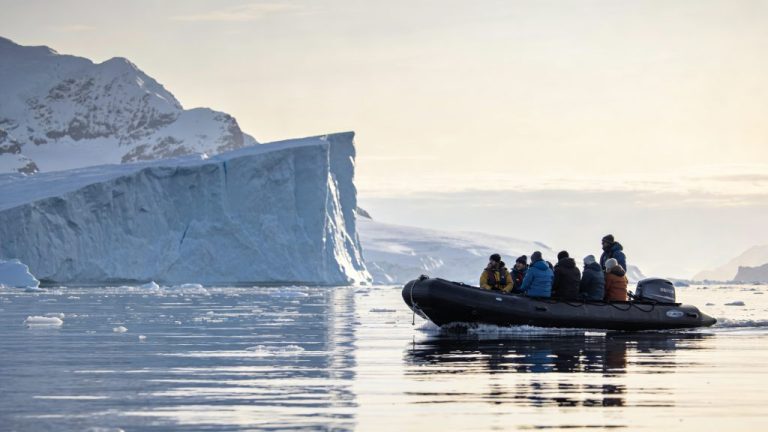
Daily activities include nature walks with guided groups, zodiac tours along coastlines and snorkelling at specific sites. Since 1969, zodiac tours have been the standard for island visits and allow you to get close to cliffs and wildlife. Park rules are strict: stay on marked trails, do not touch animals and respect distance regulations. Violations can lead to fines or exclusion.
Essential equipment
Bring your own snorkelling gear, although most ships provide this. Sun protection is essential because of the intense equatorial sun. If you are prone to seasickness, take medication, especially for western routes where the sea is often rougher. Walking shoes with good grip are needed for volcano hikes on Isabela and Fernandina.
‘ You then see the full range of ecosystems, from dry cactus areas on Española to green highland areas on Santa Cruz and volcanic lava formations on Fernandina. ’
Combining routes for maximum variety
Longer expeditions of ten days or more combine several regions to give a complete picture of the archipelago. A combination of north and south offers both birdwatching and snorkelling with sea lions. West and east combine volcanic landscapes with highland areas where giant tortoises live.
Fifteen-day routes visit all the key islands without repetitions. You then see the full range of ecosystems, from dry cactus areas on Española to green highland areas on Santa Cruz and volcanic lava formations on Fernandina. These routes are available on ships that offer two consecutive segments.
On the Traveler Tips website you will find more information about expedition cruises worldwide, preparation for specific climates and practical tips for snorkelling and wildlife photography. Discover which other destinations are suitable for self-organised expeditions and how to plan your trip in the best possible way.