
 NL
NL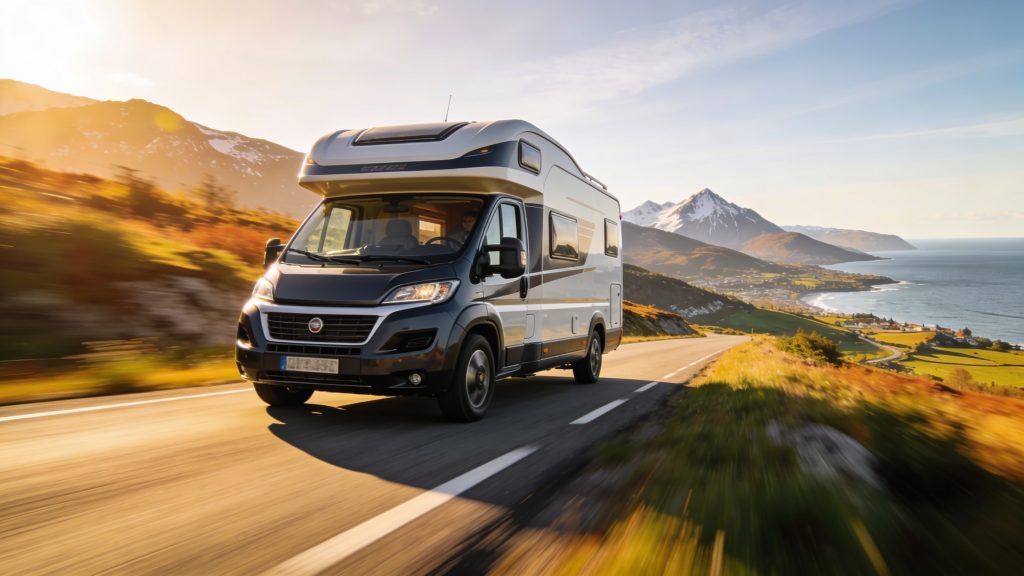
Driving with a caravan or trailer requires more preparation than you might expect. Lower speed limits, stricter rules in each country and the effect of weight on driving stability: these are important factors. It is not something you can simply underestimate. Always check in advance what is allowed and what is sensible. If you do not, you will run into surprises and fines along the way. In this article you will read exactly what you need to think about before you set off.
Which driving licence do you need for a trailer?
You are not allowed to hitch just any trailer to your car. It starts with your driving licence. With category B you may tow a trailer or caravan up to 750 kilograms. You may also tow a heavier combination. In that case, the total weight of car and trailer together must remain under 3,500 kilograms. That sounds generous, but in practice it often turns out differently.
Do you have a heavier combination? Then you need an additional entitlement. With code 96 you may go up to a total weight of 4,250 kilograms. For even heavier combinations, licence category BE is required. This applies to the Netherlands. In most European countries this is also the case. Always check whether your licence is recognised in the country you are travelling to. This is especially important if you are travelling with older driving licences.
In addition to the driving licence, you must also check whether your car is technically allowed to tow the trailer. You will find this information on the registration certificate. Look under the heading ‘maximum towing mass’. This value is decisive and must not be exceeded, even if your licence would technically allow it.
‘ You must never exceed it, not even if the road would allow it. ’
What is the maximum speed with a caravan in different countries?
Speed limits for combinations with a trailer or caravan differ from country to country. The differences are large. In the Netherlands, the maximum speed with a trailer on the motorway is 90 kilometres per hour. That is considerably lower than the standard limit, and the same applies in many other European countries. Familiarise yourself in advance with the traffic rules and driving abroad. That way you ensure a safe and legal holiday journey. You avoid nasty surprises.
In France, you may drive at 130 kilometres per hour with a trailer on most motorways. This is subject to conditions. The combination must weigh less than 3,500 kilograms. The trailer must be shorter than 3 metres. Or the trailer must be approved for 100 kilometres per hour. In practice, a limit of 110 kilometres per hour often applies. In Germany, the limit depends on the road layout. On some stretches the trailer limit is 80 kilometres per hour. On other stretches it is 100 kilometres per hour. There is no universally applicable rule.
In Italy, the maximum speed with a trailer on motorways is 80 kilometres per hour. The same applies in Spain and Portugal, where the limit is usually 80 kilometres per hour, sometimes slightly higher on certain routes. In Croatia the speed limit for caravans is 80 kilometres per hour. This applies on expressways and motorways. These limits are strict. They are enforced. This is especially the case in countries with heavy holiday traffic.
Also pay attention to the design speed of your caravan or trailer. Design speed is the maximum speed for which the trailer has been approved. You must never exceed it, not even if the road would allow it. You will find this speed on a sticker on the trailer or in the documents.
Tips for stable driving with a trailer in the mountains
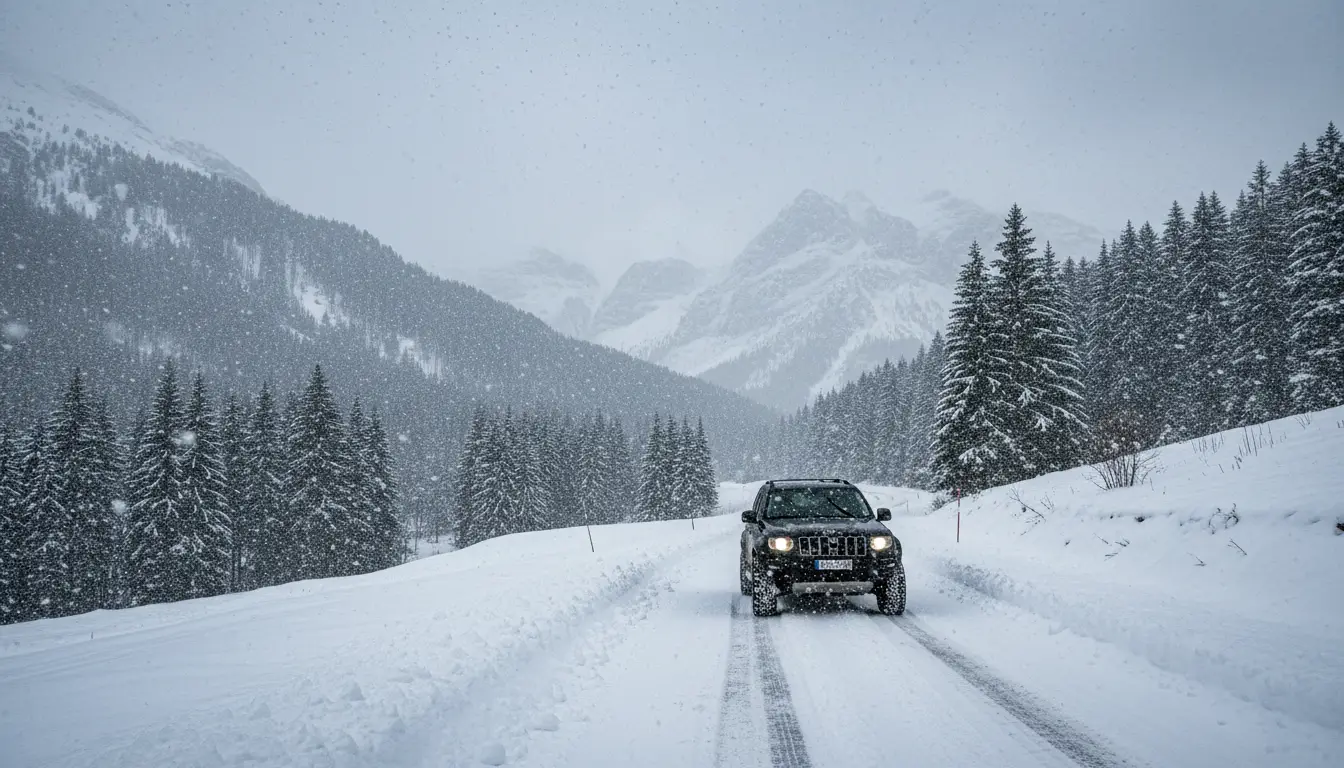
Mountainous areas such as the Alps, Pyrenees or Dolomites require extra attention. You are driving with a trailer. The combination of greater mass, gradients and bends brings risks. The risk of snaking and unstable behaviour is higher. Preparation is crucial here. That is even more true than on flat terrain.
Make sure the load is properly distributed. Do this before departure. Too much weight at the back of the caravan or trailer is dangerous. It increases the risk of snaking. The centre of gravity must be low. It must also be positioned as close to the axle as possible. Also check the tyre pressure. This applies to the car and to the trailer. Tyre pressure is the air pressure in the tyres. During long climbs and descents, the temperature in the tyres rises. Incorrect pressure increases wear. The risk of a blowout also increases.
While driving it is important to steer smoothly. Also brake gently. Sudden movements can throw the trailer off balance. When descending, use engine braking. Preferably use a lower gear. This prevents the brakes from overheating. Overheating is a real danger, especially in mountain areas. Also take into account significantly longer stopping distances. The combination is heavy. This increases the stopping distance.
Crosswinds are often stronger and more unpredictable in the mountains. This is due to tunnels and cliffs. Anticipate this. Drive a little more slowly. Keep a firm grip on the steering wheel. Where possible, choose routes with wider roads. Avoid narrow, steep mountain passes. This is especially important if you have little experience with a trailer.
Which rules apply to trailers in Spain and Portugal?
In Spain, the maximum speed with a trailer on motorways and dual carriageways is 80 kilometres per hour. On secondary roads, the limit is usually around 70 kilometres per hour. As in other countries, the design speed of the trailer is decisive, so check this in advance.
Spain has strict checks on weight and technical condition. Are you travelling with an older trailer or caravan? Then check beforehand whether the lights are working. Also check whether the coupling is in good condition. It is also compulsory to have a yellow high-visibility vest and a warning triangle. You must have these in the car and in the trailer. This is not always checked.
Portugal has similar rules. On motorways you may drive at 80 kilometres per hour. On secondary roads you may drive at 70 kilometres per hour. The country has fewer toll roads than Spain. Where there are toll roads, you should expect longer queues. With a trailer, traffic moves more slowly. Via Viacard or other systems you can pay tolls electronically. This saves time.
In both countries, the towing capacity of the car is decisive. This is stated on the registration certificate and must not be exceeded, regardless of what your licence allows. This is regularly checked during inspections. This happens mainly at border crossings. Checks are also carried out on major routes towards the coast.
‘ Every country has its own rules. ’
How do you plan routes with a caravan to Croatia?
A trip to Croatia with a caravan requires good preparation. You drive through several countries. Each country has its own rules. This makes preparation important. The most popular route runs via Austria and Slovenia. In Austria you need a vignette for the motorway. With a trailer, the limit on motorways is 100 kilometres per hour. On expressways the limit is 80 kilometres per hour.
In Slovenia a vignette is also compulsory. The maximum speed with a trailer on motorways is 80 kilometres per hour. The roads are generally well maintained. Mountain sections such as the route via the Karawanks Tunnel require careful driving. Allow extra time. This is necessary because of traffic jams and checks.
In Croatia the maximum speed on motorways with a trailer is 80 kilometres per hour. The coastal route is popular. In the summer season this route is busy. Take into account narrow coastal roads in towns such as Makarska and Rovinj. Many campsites are difficult to reach. This applies to long caravans and wide caravans. Therefore, check in advance how accessible your final destination is. Do this before departure.
A green insurance card is also useful in Croatia. This is an international certificate of insurance. This card is not always compulsory. It does, however, speed up the handling of accidents or inspections. Also take a set of spare bulbs with you. Make sure the breakaway cable works properly. Also ensure that the lights are working correctly. The Croatian authorities check this strictly. This applies especially in the high season.
What should you check before departure?
Before setting off on a trip with a trailer or caravan, it is best to go through a technical checklist. This helps you avoid breakdowns and potentially dangerous situations. Start with the coupling. It must be securely fastened. The coupling must not have any play. Also check the breakaway cable. It must be properly attached. The breakaway cable must be in good condition.
The lights are a common problem. Test all bulbs. Test the indicators, brake lights and fog light. Many trailers have loose contacts or old wiring. This can lead to failures. Take a set of spare bulbs with you. This is particularly important when travelling through countries with strict checks.
Tyre pressure is another point of attention. Tyre pressure is the air pressure in the tyres. Check the pressure in all the tyres of the trailer and the car, including the spare wheel. You will find the correct pressure in the caravan's manual. It is also shown on a sticker on the inside of the door. When loaded, a higher pressure is often needed. Do not forget this.
Weight distribution is also important. Do not underestimate this. Place heavy items low down. Also place them as close to the axle as possible. Avoid too much weight at the back of the caravan. Too much weight at the back of the caravan causes snaking. This makes the problem worse. If in doubt, weigh the combination on a weighbridge. Then you know for sure that you are staying within the permitted limits.
What are the risks of incorrect loading?
An incorrectly loaded caravan or trailer can be dangerous. The biggest risk is snaking. Snaking mainly occurs when there is too much weight at the back. Excessive speed can also cause snaking. Snaking can escalate into complete instability. You then lose control of the combination.
An overly light rear axle on the car is another common problem. An overly light rear axle means too little weight on the rear wheels. Too much weight is pressing on the tow bar. This reduces the grip of the car's rear wheels. Steering becomes unpredictable. The risk of skidding increases. This is especially true on wet or slippery roads.
Exceeding the maximum towing weight is also a risk. Maximum towing weight is the highest weight the car is allowed to tow. It affects the stability of the car. It increases the stopping distance. It places disproportionate strain on the chassis. It can also have legal consequences. If you are checked, you will receive a fine. In some countries you are not allowed to continue driving. You must first reduce the weight.
Safety is not the only issue. Incorrect loading also affects fuel consumption and wear. An unevenly distributed load increases air resistance. This leads to uneven wear on tyres and brakes. You will notice this particularly on long journeys across Europe.
‘ Thorough preparation is the foundation for a successful trip with a caravan or trailer. ’
Discover more about safe travel on Traveler Tips
On the Traveler Tips website you will find plenty more practical information about travelling by car. We cover toll roads. We also feature camping destinations. In addition, you will find traffic rules for each country. Perhaps this is your first time travelling with a trailer. Or you already have experience. In both cases, there is always more to discover. More information makes your holiday smarter. It also makes your journey safer. Thorough preparation is the foundation for a successful trip with a caravan or trailer.
Frequently asked questions
In most European countries, the rule is that with category B you may tow a trailer up to 750 kg or a heavier trailer as long as the combined total does not exceed 3,500 kg; for heavier combinations you need B+/code 96, BE or higher categories (C1E/CE). In addition, the car must be technically allowed to tow the caravan or trailer, according to the maximum permitted towing mass on the registration certificate. The speed limits with a trailer differ per country and are often lower than without a trailer, especially on motorways and rural roads. Therefore, check the specific rules per country for maximum speed, weights and driving licence combinations.
First check the maximum permitted towing weight of your car and the maximum permitted mass of the caravan/trailer, and make sure that the loaded combination remains within the legal limits. Distribute the weight in the caravan or trailer as low and as close to the axle as possible, with a light but clear noseweight on the tow bar and no heavy load all the way at the back. In the car, place heavy items as low as possible and preferably directly behind the front seats, so that the rear axle is not compressed too much. Before departure, check tyre pressure (often higher is needed when fully loaded), lighting, coupling and breakaway cable, and take a short test drive to feel whether the combination drives stably.
Essential driving techniques include calm, defensive driving with a large following distance, so you can compensate for the longer braking distance and possible snaking. Keep your speed low and steer smoothly in bends, when overtaking, in crosswinds and on descents, without sudden movements or hard braking. Before departure, ensure a stable, correct weight distribution in the caravan or trailer and check tyre pressure, coupling, breakaway cable and lights. Ideally, take a test drive to get used to braking, cornering and manoeuvring with the combination, especially if you are going to drive challenging routes or through mountainous terrain.
Plan your route preferably via motorways and ring roads around large cities, and avoid busy city centres and narrow local roads. Use navigation or apps with a ‘caravan/truck profile’ so that restrictions on height, weight and problematic tunnels are taken into account. In mountainous areas, choose routes with less steep passes and sufficient hard shoulders, and build in extra travel time so you can take climbs and descents calmly. Check in advance the rules in each country for tunnels, mountain passes and maximum speeds with a trailer.
On average, fuel consumption with a caravan or trailer is often 30–50% higher than without, depending on weight, shape and speed, which can amount to many extra tens of pounds in fuel costs per long trip. As a result, the total travel costs increase noticeably, especially on motorways and in hilly or mountainous terrain. You can save by driving more calmly (lower revs and speed), keeping tyre pressure correct and loading the caravan and luggage as aerodynamically and stably as possible. It also helps to leave unnecessary kilos at home and to weigh up your choices for toll roads or motorways against fuel consumption.