NL
NL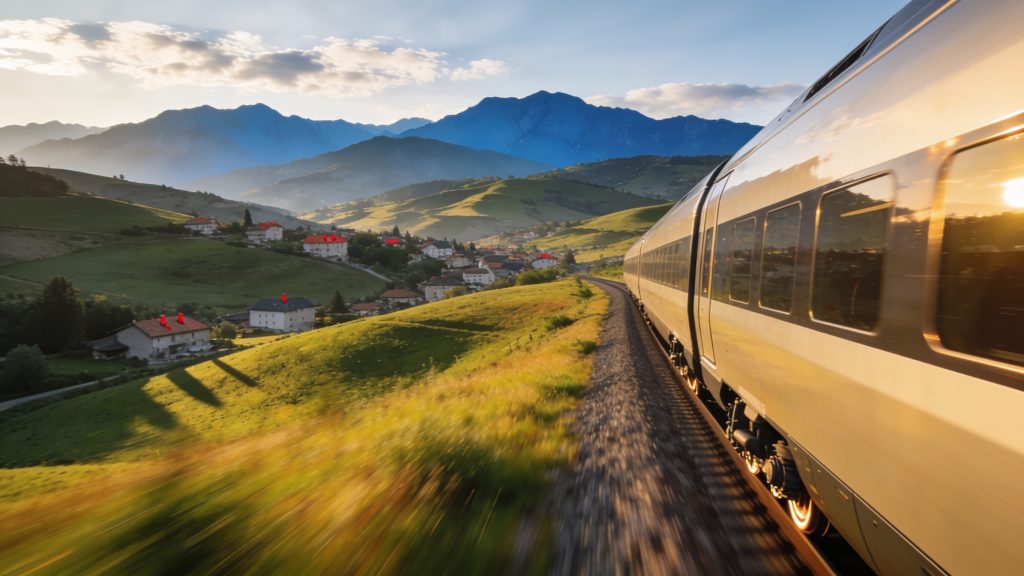
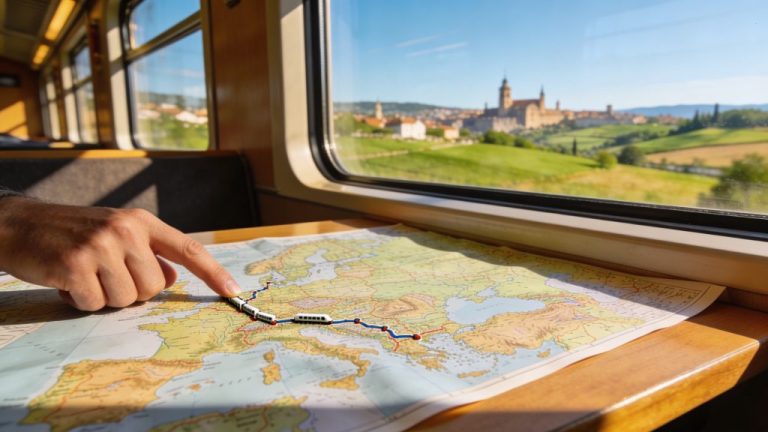
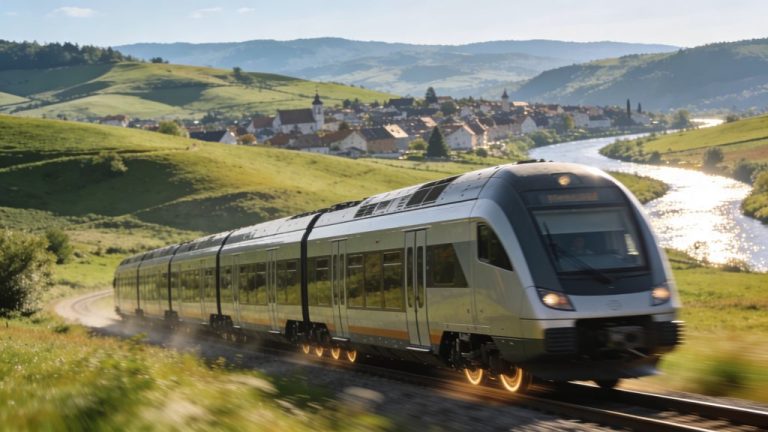
The direct high-speed connection between Paris and Milan takes you in around 7 hours from the French capital to northern Italy, right through the Alps and past wine regions, historic cities and ever‑changing landscapes. This route via Lyon and the Fréjus Tunnel is a comfortable and environmentally friendly alternative to flying, allowing you to enjoy French wine estates and the transition to the Mediterranean climate along the way. Discover why this international train journey is so popular among travellers who like to put together their own trip.
Why choose the train between Paris and Milan
The train connection between Paris and Milan is one of the most attractive options for reaching southern Europe. You depart from the centre of Paris and arrive in the heart of Milan, without the hassle of airports, security or queues. The route is not only practical, but also offers views of the French Alps, the wine regions of the Rhône and the transition from the northern French climate to the mild Italian Po Valley.
For travellers who consciously choose to travel by train, this connection is a perfect link in a longer European route. You can use Lyon as a stopover to explore the wine region, or continue to Milan as a starting point for further journeys to Tuscany, Liguria or Lake Como. You can find more information about similar connections in the overview of international train routes.
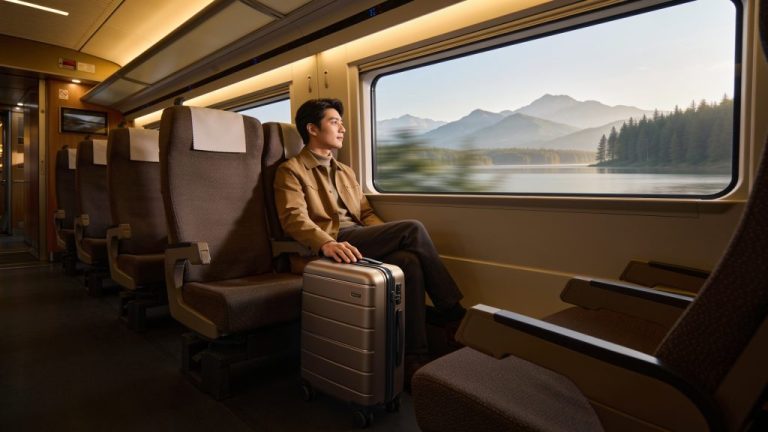
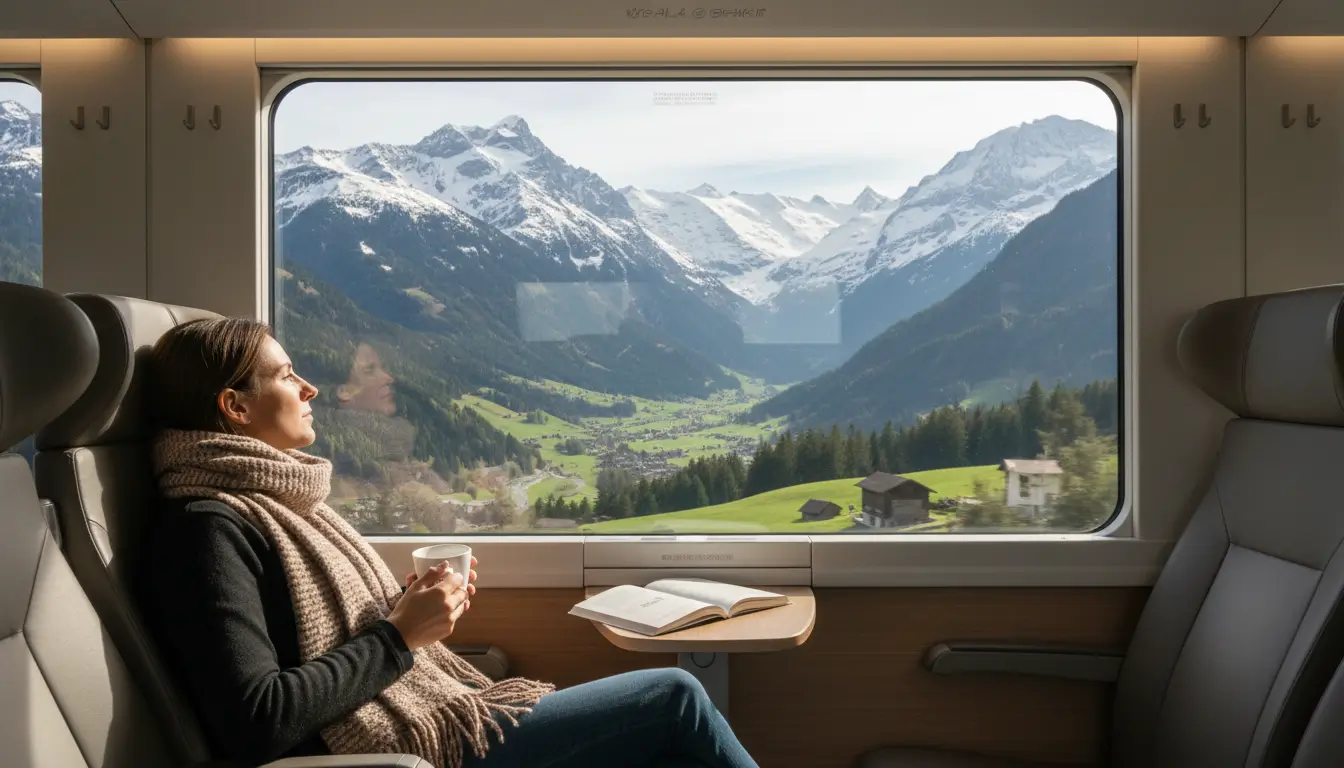
The route is served by modern TGV and Frecciarossa trains, with plenty of legroom, power sockets and usually Wi‑Fi on board. This makes the journey comfortable and suitable for working or relaxing along the way.
‘ Most journeys are direct and don’t require a change. ’
Journey time, stops and timetable
The direct connection between Paris and Milan takes on average 7 hours. Some trains stop in Lyon on the way, but most journeys are direct and don’t require a change. You depart from Paris Gare de Lyon and arrive at either Milano Centrale or Milano Porta Garibaldi, depending on the train you choose.
There are between 3 and 5 direct trains a day on this route. The first departures are usually in the morning, which is convenient if you want to continue travelling the same day or check into your hotel in Milan. The last departures are in the late afternoon, so you can still spend the day in Paris before you leave.
Lyon is the main intermediate point on the route. For travellers heading specifically to Lyon, the journey from Paris takes about 2 hours. From Lyon to Milan you should allow around 6 hours, which makes this city a logical place to stop for a few days before continuing on to Italy.
Prices and booking tips
Fares for the train from Paris to Milan vary considerably depending on when you book. Advance‑purchase fares start at around 44 to 49 euros per person for a one‑way trip. Tickets bought shortly before departure can, however, be much more expensive, sometimes more than double.
It’s therefore worth booking as early as possible, especially if you have a fixed travel date. Trains on this route are popular with both holidaymakers and business travellers, which means the cheapest tickets sell out quickly. So look at least a few weeks ahead if you want to benefit from the lowest prices.
Book directly via the SNCF Connect or Trenitalia website. Both operators offer the same trains, but prices and availability may differ slightly. Also check whether your ticket is flexible if you still want to be able to change your travel plans.
The route through the French Alps and the Fréjus Tunnel
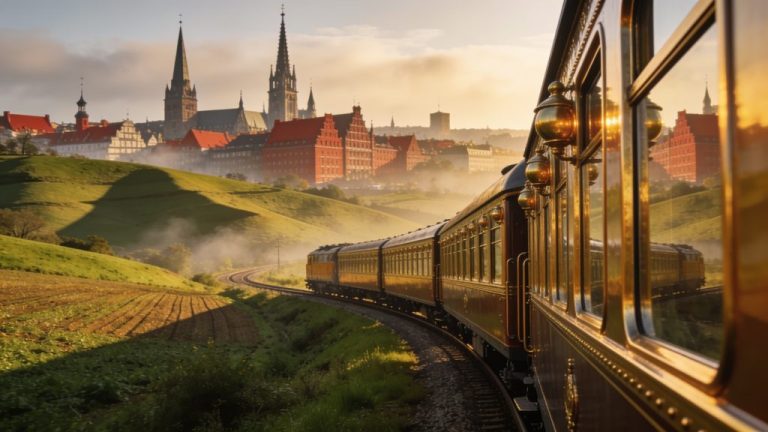
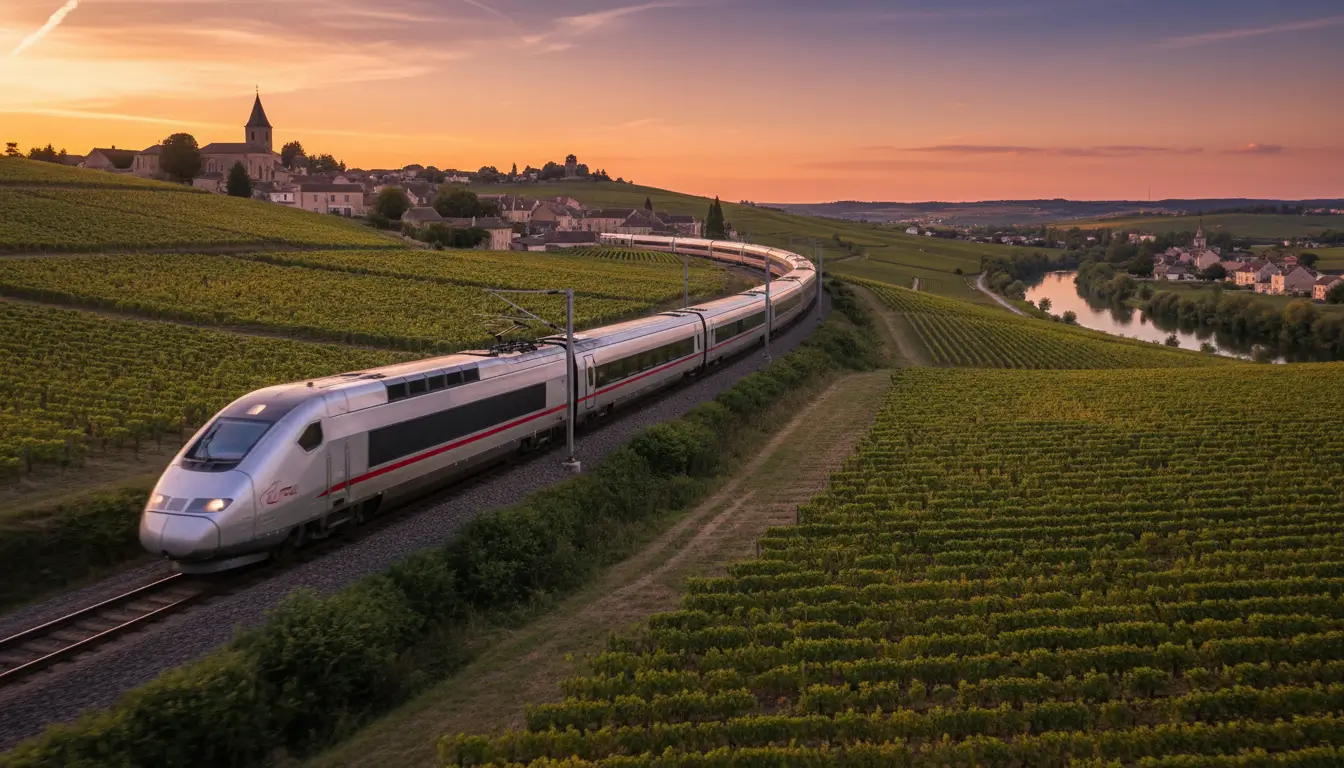
The train from Paris to Milan crosses some of the most beautiful landscapes in Europe. After leaving Paris, you travel through the rolling hills of Burgundy towards Lyon. There, the landscape changes and you see the wine regions of the Rhône, with extensive vineyards and historic villages.
Beyond Lyon the landscape rises towards the Alps. The train passes mountain slopes, valleys and tunnels, including the Fréjus Tunnel, the crucial link between France and Italy. This tunnel of over 13 kilometres cuts through the Alps and takes you from the French side to the Italian region of Piedmont.
After the Fréjus Tunnel, the train descends towards the Po Valley. Here the climate becomes milder and more Mediterranean. The surroundings become greener, the light changes and Italian architecture becomes more and more visible. It’s a beautiful transition that makes travelling by train feel very different from flying.
Reopening after closure
The Fréjus Tunnel was closed between 2023 and 2025 due to a landslide. During that period, travellers often had to change trains or take a longer detour via Switzerland. Since its reopening in 2025, the direct connection has been available again, making the route attractive once more for international train travellers.
‘ It adds depth to your trip and makes the train journey more than just getting from A to B. ’
Lyon as a stopover for wine lovers
Lyon is not only a hub on the route, but also an ideal base for day trips to wine regions in southern France. The city lies in the middle of the Rhône Valley, surrounded by well‑known wine estates such as Côtes du Rhône, Beaujolais and Châteauneuf‑du‑Pape.
From Lyon these areas are easily accessible by train or bus. You can spend a day in Beaune in Burgundy, or head south towards Avignon and Provence. Many wineries offer tours and tastings, and the surroundings are especially beautiful to travel through in summer and autumn.
If you plan to spend a few days in Lyon, combine a visit to the old town with an excursion to the vineyards. It adds depth to your trip and makes the train journey more than just transport from A to B.
What you need to know before departure
Check in advance which station you’ll arrive at in Milan. Most trains stop at Milano Centrale, but some journeys end at Milano Porta Garibaldi. Both stations are easy to reach by public transport, but it helps to know this beforehand when booking your hotel or onward train.
Make sure you arrive at Paris Gare de Lyon at least 20 minutes before departure. This is a large and busy station with many international connections. Boarding usually goes smoothly, but it can take a moment to find the right platform, especially if you don’t know the station.
Take enough food and drink with you for the journey. Although many trains have a buffet car or on‑board service, the range is limited and relatively expensive. A picnic with a bottle of wine or a packed lunch makes the trip more enjoyable and saves you money.
Don’t forget your passport or ID card. Even within Europe, checks can take place, especially on international routes. Keep your booking confirmation handy, either digitally or on paper.
Travelling on from Milan through Italy
Milan is an excellent starting point for further train journeys through northern Italy. From Milano Centrale there are direct trains to Venice, Florence, Turin, Verona and Genoa. There are also good connections towards Switzerland, for example to Zurich or Lugano.
If you’re planning a longer trip, you can combine Milan with the Italian lakes, such as Lake Como or Lake Garda. Both can be reached by train within an hour and are perfect for a few quiet days in nature.
The train from Paris to Milan is therefore more than a standalone journey. It’s a logical link in a longer route through southern Europe, allowing you to travel from one culture to another without stress or changes.
‘ Plan your next trip even better. ’
Discover more on Traveler Tips
On the Traveler Tips website you’ll find much more information about train travel in Europe, handy route ideas and practical preparation advice. Whether you want to read more about other international train routes, are looking for packing tips for a rail holiday or need inspiration for your next destination, there’s plenty to discover. Explore the website and plan your next trip even better.
Frequently asked questions
The most comfortable and efficient option is the direct high‑speed train from Paris Gare de Lyon to Milan (Porta Garibaldi or Centrale), which runs via Lyon and the Fréjus Tunnel. This train takes on average around 7 hours, with the fastest journey times between roughly 6 hours 35 and 7 hours. There are usually 3 to 5 direct trains per day, so changing in Lyon is not necessary. If you do want to break up the journey, you can travel Paris–Lyon by TGV (around 2 hours) and then Lyon–Milan (around 5 hours 45 to 6 hours), with one change in Lyon.
On the Paris–Lyon–Milan route there are mainly (high‑speed) day trains, usually TGV/Trenitalia‑style services with comfortable seats and basic facilities such as reserved seating, air conditioning and on‑board catering. On this connection you can usually also opt for a higher class (for example 1st class) with more spacious seats and extra comfort. Classic overnight trains with sleeping compartments are not the norm on this specific direct day route; if you want a true sleeper train, you generally need to travel via other night‑train routes. Always check the specific train when booking, as operator and type of carriage (and therefore comfort level) can differ per service.
Lyon itself is highly recommended as a stopover, with the historic district of Vieux Lyon, the Fourvière hill with its basilica and views over the city, and the Presqu’île district with squares such as Place Bellecour. Along the way, you could consider stopping in the French Alps area (around Chambéry or Modane) for mountain scenery and walks.
Ideally, book your tickets as early as possible (preferably as soon as sales open for your travel date), because the lowest fare classes sell out quickly and prices rise as the departure date approaches. Avoid busy travel days such as weekends, public holidays and school holidays for better prices and quieter trains. Where possible, choose a direct Paris–Milan connection to avoid changing trains and maximise comfort. When booking, check the exact final destination (Milano Porta Garibaldi or Milano Centrale) and choose seats in a quiet carriage or 1st class if comfort is a priority.
Travel with as few loose bags as possible: use one large suitcase or rucksack that you can lift yourself and place it in the racks by the door or behind large seats, with valuables in a small daypack at your seat. Bring snacks and a reusable water bottle, as the buffet car can be busy or temporarily closed and the range is limited; if necessary, buy a simple sandwich meal at the station in Paris beforehand. Download tickets and route information for offline use, and make sure you arrive at Gare de Lyon in good time so you can calmly find your carriage and seat. Always keep important items (passport, phone, wallet) visible and within easy reach, especially if you go to the buffet car or the toilet for a moment.