NL
NL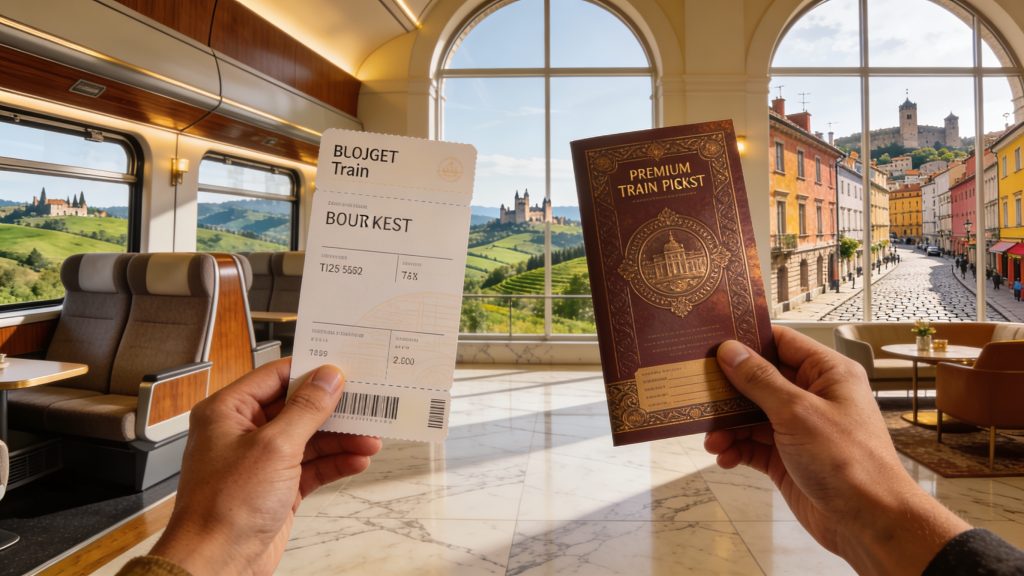
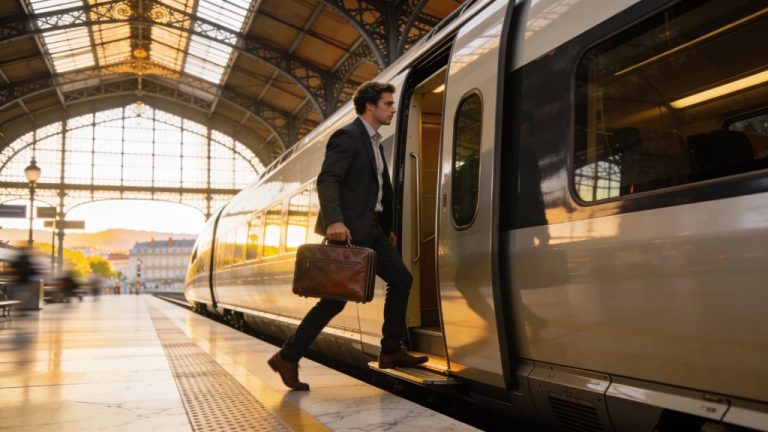
International train journeys across Europe vary greatly in price and comfort. The gap between budget and luxury is big. From the standard Eurostar or ICE to the prestigious Glacier Express: your choice determines what you spend. Your choice also shapes how you travel. Discover what you get for your money and when an upgrade is really worth it.
Price difference between train and plane
On almost 70 percent of routes between major European cities, flying turns out to be cheaper than taking the train. International train travel from the Netherlands costs on average about 1.5 times more. A flight is therefore often cheaper. A concrete comparison: the train from Brussels to Barcelona costs around €369 return in January, while you can fly for €47–61.
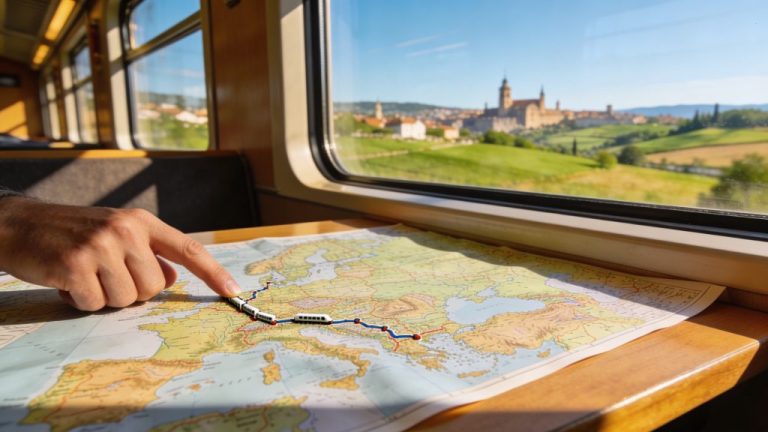
Still, there are destinations where the train is more favourable. For journeys up to 800 kilometres, the train is often the cheapest option. From Amsterdam, it is cheaper by train to travel to Warsaw, Copenhagen, Stockholm, Berlin and Luxembourg. Want to find affordable connections? Compare and plan your route via international train routes.
The good news: the price gap is narrowing. In 2025, the number of cross-border routes where the train is cheaper than the plane has increased by 14 percent compared with 2023. Train journeys are becoming increasingly competitively priced.
Hidden costs of flying versus arriving right in the city centre
Although air fares are often lower, the extra costs quickly add up. When you fly, you also pay for:
- Transfers to and from the airport
- Taxi fares or public transport
- Parking costs at departure
In London, a transfer from Heathrow to Paddington Station already costs €28–41. By train you arrive directly in the city centre. You have no extra expenses for transfers. Visiting several cities? Then this advantage is even greater. Airports are usually outside the city and require a transfer time and again.
Standard second class versus first class
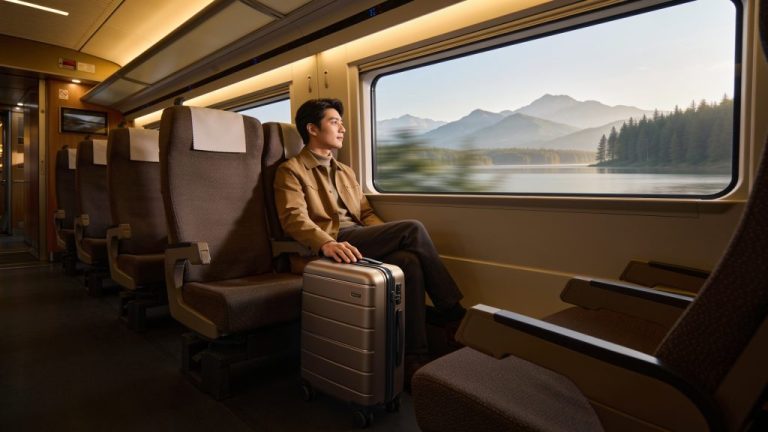
The differences between second class and first class are considerable. They are not equally valuable on every route. In standard second class you get comfortable seats. On most modern trains you also have access to power sockets and Wi-Fi. This is more than sufficient for journeys of up to three hours.
First class offers extra comfort:
- Roomier seats with more legroom
- Less crowded carriages
- Often including meals and drinks
- Quieter and more peaceful travel
- Access to lounges at major stations
The surcharge varies between rail companies and routes. On the Eurostar you pay around 50 to 100 percent more for first class than for standard. On the German ICE, the surcharge is around 30 to 60 percent. Travelling for more than five hours? This upgrade can make the journey time more pleasant.
Premium carriages: Eurostar and ICE
In addition to standard and first class, Eurostar also offers Business Premier. This is the most luxurious option. You get flexible tickets, access to the Business Premier Lounge, champagne and a three-course meal on board. The price is considerably higher, but for business travellers or special occasions this can justify the extra investment.
The German ICE has a similar system with second class, first class and flexible fares. Flexible fares mean you can change or cancel your booking without extra costs. The main differences are in the booking conditions and comfort. Extra services on board are limited. On the ICE, first class is mainly quieter and more spacious, with free coffee and tea.
The French TGV uses a similar model, where first class offers more space and peace. Standard class on busy routes and at peak times is quickly fully booked. As a result, the surcharge for first class is often limited.
Luxury panoramic trains: a different category
Trains such as the Glacier Express, Bernina Express and the Venice Simplon-Orient-Express are special. These trains fall into a completely different category. They are not ordinary means of transport, but travel experiences in their own right. The focus is on the scenery, comfort and the overall experience. Speed and efficiency are not important.
The Glacier Express links Zermatt with St. Moritz in just over eight hours. With regular trains you can cover this route in about half the time. You pay for:
- Panoramic glass carriages with views of the Alps
- A multi-course menu served at your seat
- A slow journey through spectacular mountain landscapes
- Exclusive service and smaller groups of travellers
Prices start at around €150 for a single journey, excluding reservation fees and meals. For Excellence Class you pay more than €400 per person, including luxurious seats, champagne and a premium meal.
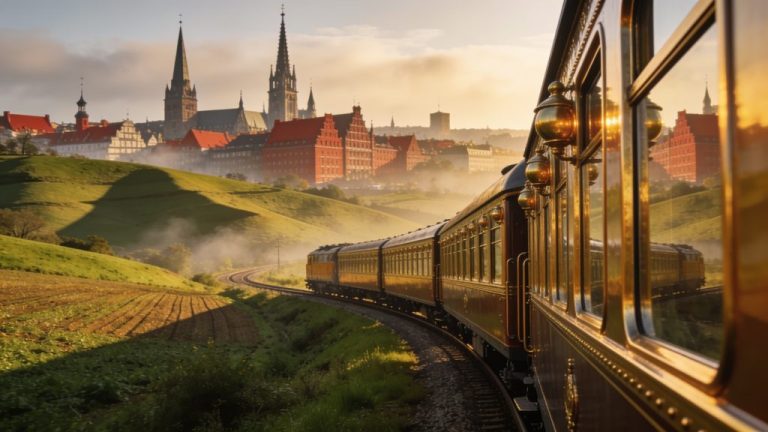
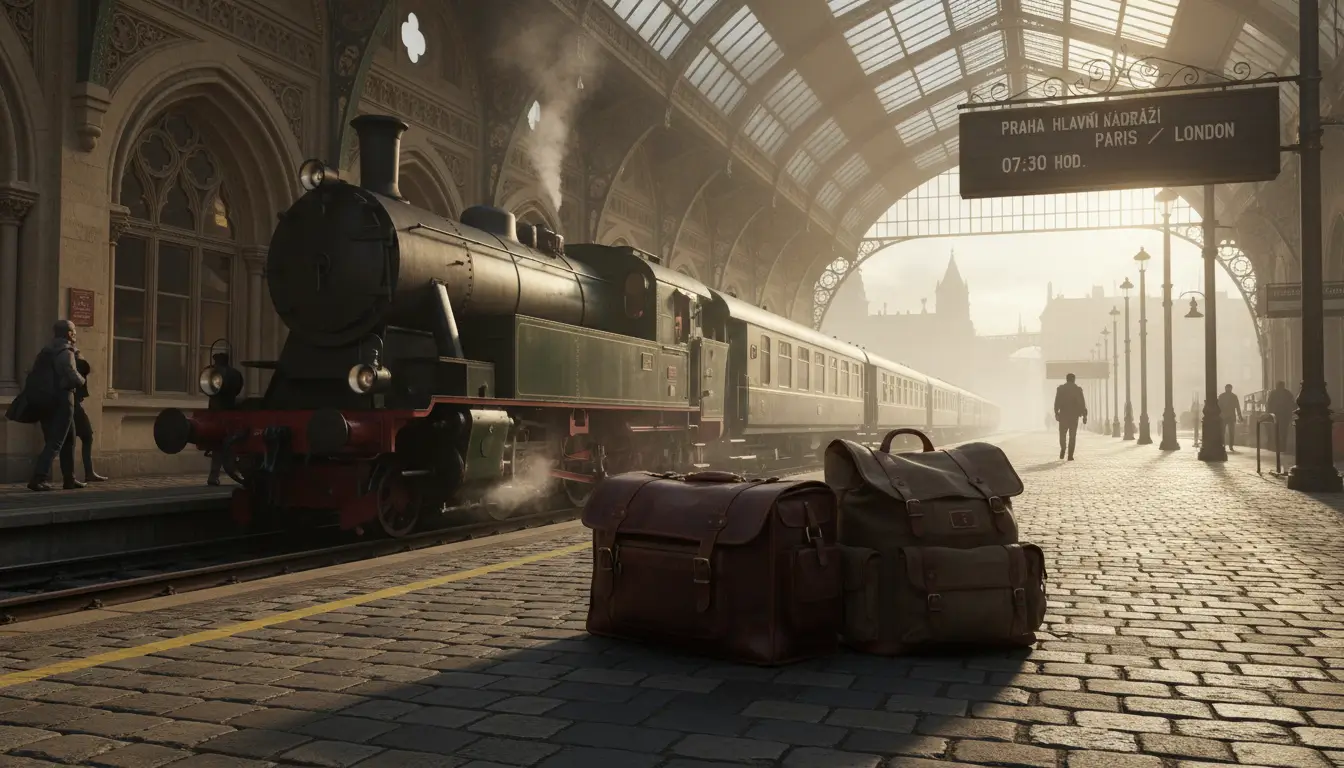
The Venice Simplon-Orient-Express is even more exclusive. Prices start from €2,000 per person for a one-way journey from London to Venice. This is a nostalgic luxury experience in historic carriages from the 1920s and 1930s, with fine dining and an overnight stay on board.
Is a luxury upgrade worth it
Whether an upgrade is worth the investment depends on your budget and the purpose of your trip. It also depends on how you value your time. Travelling for less than two hours? Then the difference in comfort makes little difference. Most travellers find standard second class comfortable enough.
Travelling between three and six hours? First class can be worth considering if:
- You want to work during the journey and need peace and quiet
- You appreciate extra legroom
- The surcharge is less than 40 percent
- Your drinks and meals are included
For panoramic trains, a different balance applies. Here, the choice depends on the experience itself, not on practical comfort. These are destinations in their own right. They are not practical means of transport. If you want to experience the Alps and are willing to invest more time and money in a special experience, these trains are unique.
Budget tips for international train travel
Mostly want to save money? There are some smart strategies:
- Split long journeys into several legs. This can be cheaper than direct connections.
- Avoid high-speed lines where possible. Regional trains are cheaper, but slower.
- Book early. Many rail companies offer discounts for early bookings.
- Consider an Interrail pass (a rail pass for flexible travel across Europe) for multiple trips within a certain period.
- Travel outside peak hours. Off-peak times are often cheaper.
There are high-speed lines in Spain, France and the United Kingdom. These lines are more expensive than regional connections. Not in a hurry? Then opt for slower trains. They follow the same route. This can sometimes cut your costs by more than half.
‘ If the journey itself is your goal and not just reaching your destination, then these trains are worth it. ’
When to choose which option
Travelling practically to nearby cities? Then choose standard second class. This offers sufficient comfort at a reasonable price. For business trips, longer journeys or when peace and space are important to you, first class is a logical upgrade.
Premium options such as Business Premier on the Eurostar are mainly suitable for business travellers. Business Premier offers flexible tickets and extra services such as lounge access. This option is suitable if you need flexibility and value these benefits. The surcharge is considerable. The benefits can outweigh the extra cost if you are under time pressure or if your employer reimburses the costs.
Luxury panoramic trains are for travellers looking for a special experience. You need to be prepared to pay a substantial amount. These are not budget options. They are investments in unique memories and spectacular scenery. If the journey itself is your goal and not just reaching your destination, then these trains are worth it.
Practical considerations when making your choice
Besides price and comfort, other factors also play a role. Think for example of journey time and sustainability. Journey time is important. For destinations more than 700 kilometres away, the train is significantly slower. The plane is then faster. A train journey from Brussels to Barcelona takes roughly three times as long as flying.
Sustainability can also play a role in your decision. This mainly means lower CO2 emissions when travelling by train. Train travel emits less CO2 than flying. This does not directly affect your wallet. If environmental impact matters to you, this influences the value you attach to train travel.
Comfort during the journey itself is also relevant. On the train you can move around. You have more space to move. You can use your laptop or phone throughout the journey. This makes longer journeys more pleasant and more productive. Flying is more restrictive. You are confined to your seat. You must switch off electronic devices during take-off and landing.
On the Traveler Tips website you will find much more information about train travel, routes, practical tips and destinations to help you plan your trip better. Discover more about smart travel options, compare routes and find handy checklists for your next adventure by train.
Frequently asked questions
A luxury international train journey generally offers more spacious seating, more privacy, quieter carriages, better catering and extra services such as at-seat service and lounge access, while budget trains mainly focus on basic comfort and efficient transport. The overall travel experience in luxury – peace, less stress, better sleep and a sense of being pampered – is noticeably higher, especially on long routes. For the seasoned traveller, who knows exactly what bothers them (crowds, noise, poor seats) and who values comfort, the price difference is often easy to justify. Those who travel mainly for practical reasons and are price-conscious will usually get more value from a budget option.
Book as early as possible and be flexible with travel dates and departure times so you can benefit from the lowest fares. Where possible, opt for regular or regional trains instead of high-speed lines and avoid unnecessary transfers between different rail companies. Focus on destinations up to around 700–800 km where the train is often relatively affordable and you arrive in the city centre, saving on transfers. Where necessary, book targeted comfort options (such as a seat reservation) instead of more expensive class upgrades, so that you travel comfortably without exceeding your budget.
Use international comparison sites (such as Omio, Trainline or Rail Europe) and always check the websites of national rail operators as well, as they sometimes have cheaper or exclusive deals. Book as early as possible for high-speed and night trains and be flexible with dates, times (midday or very early/late) and departure stations to find the lowest fares. Look at combination or “split-ticket” options: separate tickets per leg or with an extra transfer can be cheaper than one through ticket, even in 1st class. For many and/or longer international trips, passes such as Interrail or Eurail, combined with a few targeted luxury upgrades (for example only the longest leg in 1st class or sleeper), can offer the best-value “luxury” total price.
For a good balance between price and comfort, international routes up to around 800 km are particularly attractive, such as Amsterdam–Berlin, Amsterdam–Copenhagen and Amsterdam–Luxembourg. Connections towards Warsaw and Stockholm also score well in terms of value for money, especially if you book in good time and avoid peak times. Where possible, avoid expensive high-speed lines in France, Spain and the UK, and choose regular or night trains instead. That often gives you a comfortable, relaxed journey with lower total costs than flying (including airport transfers) and a more ‘unforgettable’ experience thanks to the scenery and the city centres where you arrive directly.