NL
NL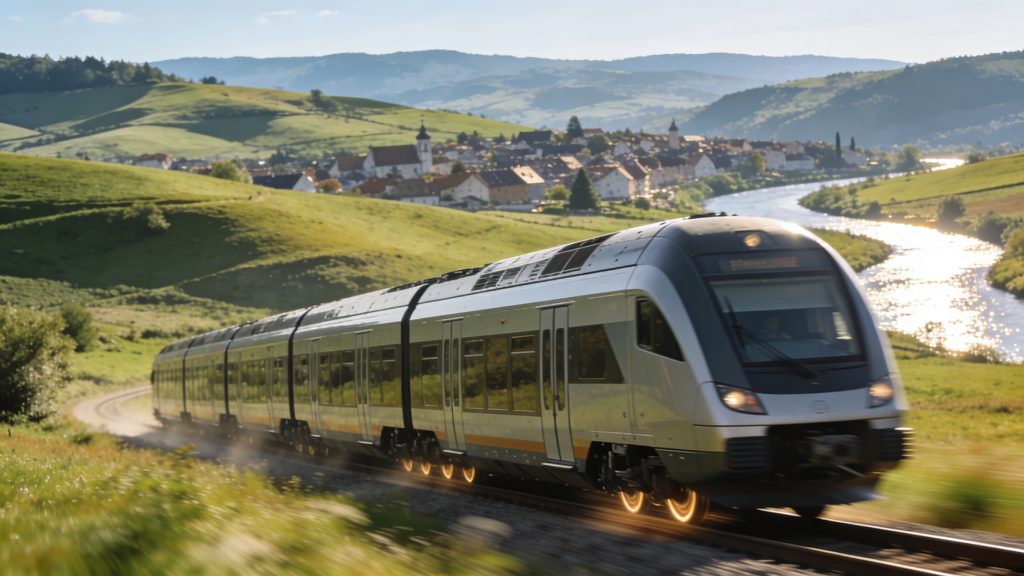
The direct rail connection between Vienna and Budapest is one of the most comfortable and efficient ways to cross Central Europe. In just 2 hours and 20 minutes you cover 214 kilometres through gently rolling countryside along the Danube, with up to 22 direct connections a day. You don’t have to change trains anywhere, you have plenty of legroom and you can enjoy panoramic views on the way. This route combines speed, affordability and travel experience, whether for a day trip or a longer city break. Discover below how to make the most of this classic international train route.
Timetable and travel experience
The trains between Vienna and Budapest run daily with a high frequency. The first train departs around 04:41, the last at 23:56. Between these times there are departures spread across the morning, afternoon and evening, with on average an option every 2 to 4 hours.
The journey time varies from 2 hours and 20 minutes to 2 hours and 45 minutes, depending on the type of train and time of day. Faster connections often depart in the morning or afternoon. At weekends and on public holidays timetables may change slightly, so always check current times in advance via the operator’s app or at the station.
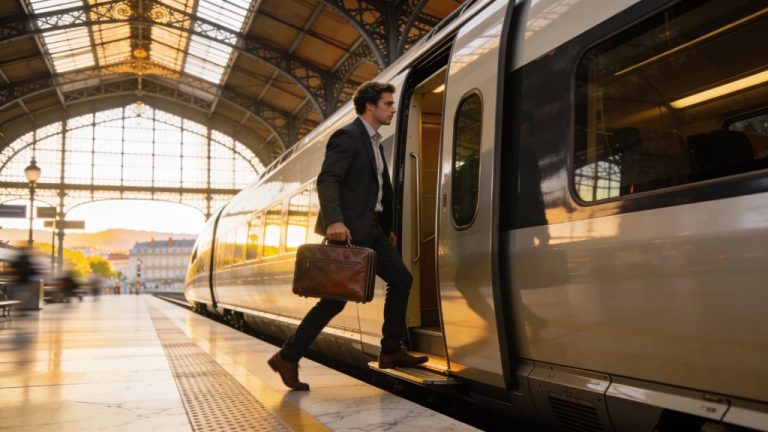
Departure is from Wien Hauptbahnhof, Vienna’s main station. Arrival is usually at Budapest-Keleti, but some trains also stop at Budapest-Kelenföld or Budapest-Déli. Budapest-Keleti is closest to the centre and has direct metro and tram connections to sights such as the Hungarian Parliament and the Danube embankment.
‘ Especially in high season, from May to September, it’s advisable to reserve a seat. ’
Which train companies operate this route
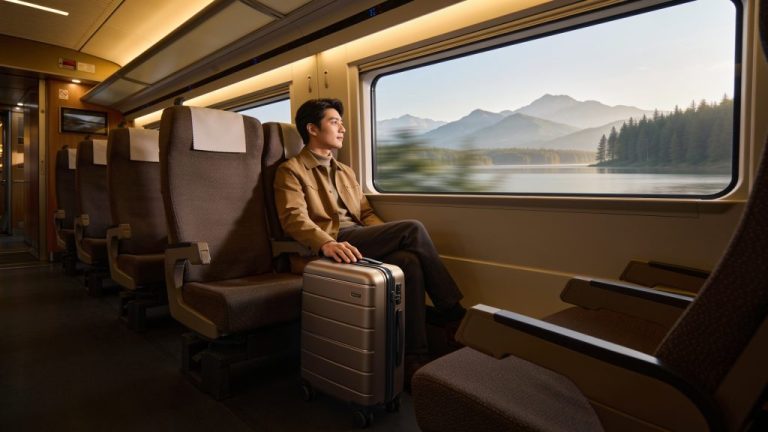
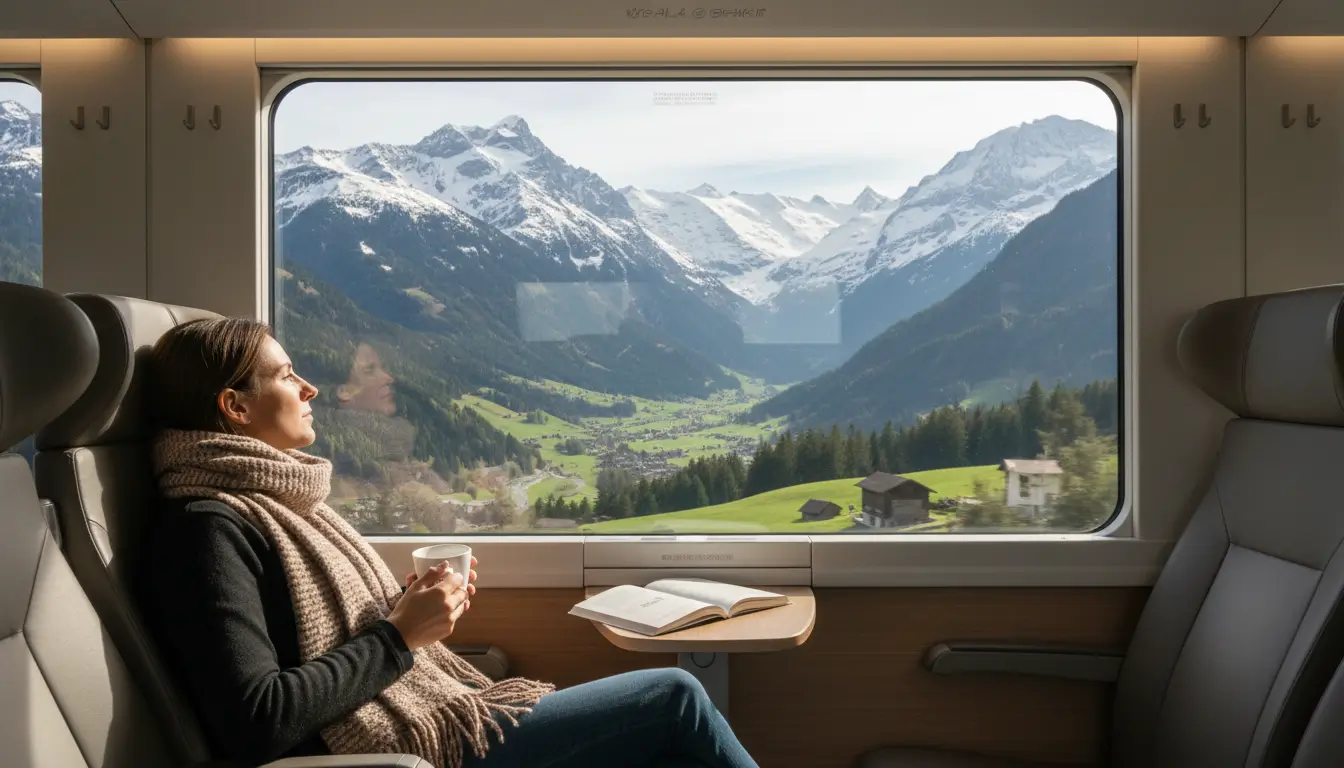
The route is operated by three major providers, each with its own level of comfort and pricing. ÖBB, the Austrian railways, runs EuroCity and Railjet trains. These trains have spacious seats, Wi-Fi, power sockets and a restaurant car. The Railjet is particularly popular because of its panoramic windows and better views of the landscape.
RegioJet is a budget-friendly carrier from the Czech Republic. Their intercity trains offer standard comfort with sufficient legroom and free coffee or tea on board. Fares are often lower than with ÖBB. MÁV is the Hungarian national railway company. It operates express trains and some night services, which is handy if you are continuing from other parts of Europe.
You can travel comfortably in both 2nd and 1st class. 2nd class offers standard seats with enough space for luggage. 1st class offers more luxury, quieter carriages and sometimes free snacks. Especially in the high season, from May to September, it is advisable to reserve a seat. This usually costs an extra 3 to 5 euros.
What does a ticket cost and how to book smart
Prices start from 9 to 13 euros for a single journey if you book early. On average you pay between 30 and 50 euros. Fares rise as the departure date comes closer, especially for flexible tickets without a fixed departure time. Return tickets are often cheaper than two separate one-way tickets.
Book your ticket 1 to 3 months in advance via the ÖBB app (the Austrian railways), RegioJet or the MÁV website. You can also buy tickets at major stations such as Wien Hauptbahnhof, but you will usually find better deals online. In addition, special rail passes such as Eurail and Interrail offer discounts or free travel, depending on the pass you choose. Be careful: some passes do require a seat reservation.
A tip for anyone travelling from the Netherlands: combine this route with a night train service to Vienna. ÖBB’s Nightjet, for example, runs from Munich to Vienna, where you arrive early in the morning. This way you save on hotel costs and start your day well-rested in the Austrian capital.
Rail pass and regulations for cross-border travel
Do you have a rail pass such as Eurail or Interrail? Then you can often travel this route without additional costs. Do note: for Railjet and EuroCity trains a seat reservation is usually compulsory. This costs between 3 and 10 euros, depending on the season and availability.
Both Austria and Hungary are part of the European Union and the Schengen area. Border checks are rare, but not impossible. Always carry a valid passport or identity card. Also check any COVID-19 measures or health declarations, although these often no longer apply nowadays.
You can take luggage free of charge, both hand luggage and suitcases. Make sure you store large suitcases safely in the luggage racks by the doors or above your seat. Want to take a bicycle with you? You can place it in special bicycle compartments. Always reserve these in advance. This usually costs an extra 10 to 15 euros.
‘ The so-called ruin bars in the Jewish Quarter are particularly popular. ’
Tips for a successful day trip to Budapest
Leave Vienna early to make the most of the day. A train departing around 08:00 gets you to Budapest at around 10:30. That gives you a full day for sightseeing and you can return to Vienna around 18:00 or 19:00.
Start your visit at the thermal baths. Well-known bath complexes are Széchenyi and Gellért. These historic bath complexes are iconic for the city and are within walking distance or a short metro ride from the station. Then visit Buda Castle or walk across the Chain Bridge for impressive views of the Danube. The so-called ruin bars in the Jewish Quarter are particularly popular. These are bars housed in old, dilapidated buildings with an alternative vibe. They are ideal for lunch or a drink.
Plan your route in advance. Consider buying a day travel card for public transport in Budapest. This costs about 5 euros and gives you unlimited access to metro, tram and bus. That way you won’t waste time searching for single tickets.
What you see from the train window on the way
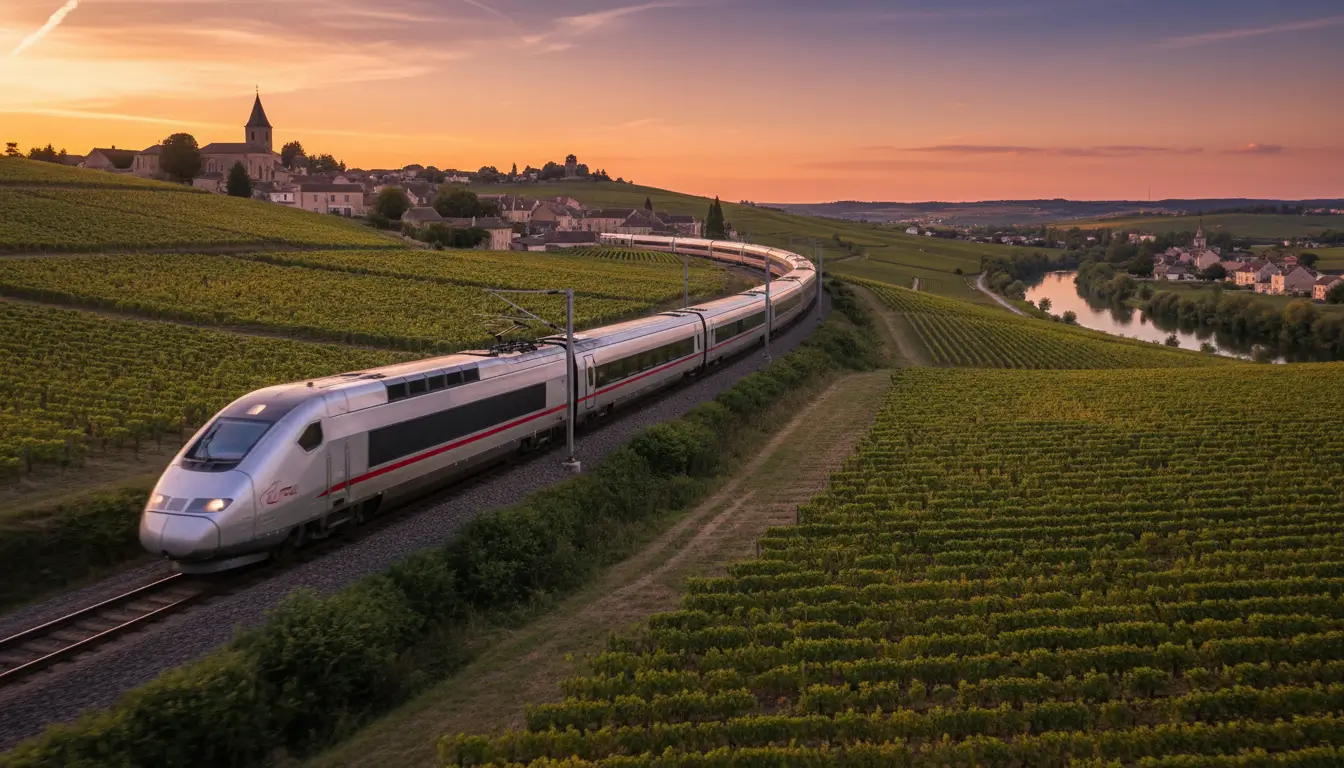
The scenery between Vienna and Budapest is varied and calming. Immediately after leaving Vienna you travel through Austrian suburbs and agricultural areas. After half an hour you start to see vineyards and hills, typical of the region around Bratislava.
The train sometimes runs close to the Danube, especially on the Hungarian part of the route. The view of the river, surrounded by flat fields and small villages, gives a peaceful and authentic impression of Central Europe. In spring and summer the landscape is in full bloom, while in autumn golden-yellow tones dominate.
Some trains stop en route in Bratislava, the capital of Slovakia. If you have time, consider a stopover. The historic centre is within walking distance of the station and compact enough to explore in a few hours.
Alternatives and comparison with other modes of transport
The train is the fastest and most comfortable option for this distance. The coach follows the same route in about 3 hours and 20 minutes and often costs between 12 and 28 euros. Coaches offer less legroom and no views of the Danube, but can be a cheap alternative for last-minute bookings.
By car the journey takes about 2 hours and 19 minutes over 243 kilometres via the A4 and M1. You pay tolls in both Austria and Hungary via a digital vignette. Count on around 20 euros in tolls plus extra fuel costs. Parking in central Budapest is expensive and sometimes hard to find.
The train offers the best of all options: no traffic jams, no parking costs and time to work or enjoy the scenery. On top of that, it is more sustainable than travelling by car or plane.
Practical departure checklist
Check the following before you leave:
- Valid passport or identity card
- Booked train ticket or rail pass with any reservation
- Debit card or cash in euros and Hungarian forint
- Charged phone with offline maps or the operator’s app
- Water and a snack for the journey, although these are also available on board
- Power bank or charging cable, as not all trains have sockets at every seat
Arrive at the station at least 15 minutes before departure. Wien Hauptbahnhof is large and easy to navigate, but it can still take a while to find the right platform. Keep a close eye on the departure boards and the final destination shown for the train.
Travelling on from Budapest
Budapest is an excellent starting point for further journeys through Central and Eastern Europe. There are direct trains to cities such as Prague, Krakow, Zagreb and Belgrade. Night trains to Romania and Bulgaria also depart from Budapest-Keleti.
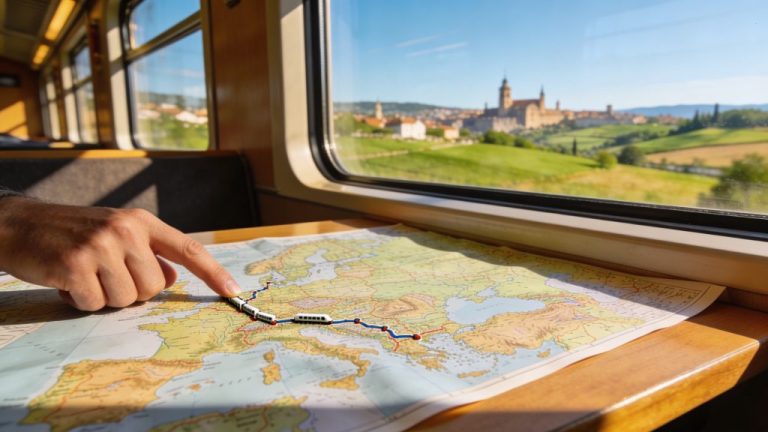
If you want to explore the region further, consider an Interrail pass with multiple travel days. This allows you to combine Vienna, Budapest, Bratislava and other cities in one trip without having to buy separate tickets each time. It offers both cost savings and flexibility.
On the Traveler Tips website you will find extensive information about other routes, destinations and practical tips for train travel across Europe. From vignette regulations to the best night train services: discover more and plan your next trip with confidence.
Frequently asked questions
For Vienna–Budapest there are roughly three ticket options: cheap “Sparschiene”/advance-purchase tickets tied to a specific train (most budget-friendly), flexible standard tickets (more expensive but can be changed) and class choice (2nd class or 1st class with more peace and space). If your budget is tight, choose an advance-purchase ticket in 2nd class with ÖBB or RegioJet and commit to a specific departure time. If you want more comfort, then 1st class or Railjet with reservation is a smart choice, especially in high season. The “smartest” choice is: first determine your maximum budget, then decide how much flexibility you need, and finally match the comfort level (1st vs 2nd class, with/without reservation) to that.
The train journey is special because it is faster and more comfortable than travelling by car or coach, with direct connections and views of the gently rolling Austrian–Hungarian countryside and sometimes the Danube. On the train you can move around freely, read or work in peace and make use of Wi-Fi and the restaurant car (especially on Railjet and EuroCity trains). For extra experience you can choose a Railjet for better panoramic views and reserve a window seat. Depart early in the day so that in Budapest you still have time for the thermal baths, Buda Castle or ruin bars, making it a full day out.
Plan a direct Railjet or EuroCity connection from Wien Hauptbahnhof to Budapest-Keleti in particular, as it has good metro and tram connections. Choose one of the fast services of around 2 hours 20 minutes, which run during the day roughly every 2–4 hours, and avoid rush hours for quieter trains. Preferably book a direct train with no changes and reserve a seat, especially in high season. Compare departure and arrival times in a journey planner (such as ÖBB or an international planner) and choose the combination with the shortest total travel time and minimal waiting time at the station.
Yes, there are specific recommendations: preferably reserve a seat in advance, especially in high season or around weekends, and consider 1st class for extra comfort and quiet. Take your luggage as compact as possible so that you can easily store it above the seats or by the doors; arrive a little earlier to find luggage space. On board, make use of facilities such as Wi-Fi, power sockets and the restaurant car to make the journey more relaxing. Ideally, choose a Railjet or a train with comparable comfort for more legroom and quiet carriages.
Ensure you have valid travel documents (passport or ID card within the EU) and, if applicable, your Interrail/Eurail pass if you are travelling with one. Install the ÖBB and/or MÁV app for buying and displaying tickets, checking up-to-date departure times and any changes. A general journey planner (such as the Railplanner app or an international train app) makes planning connections and timings easier on the way. Download tickets and route information offline in advance so that you can always show your details even with limited internet access.