 NL
NL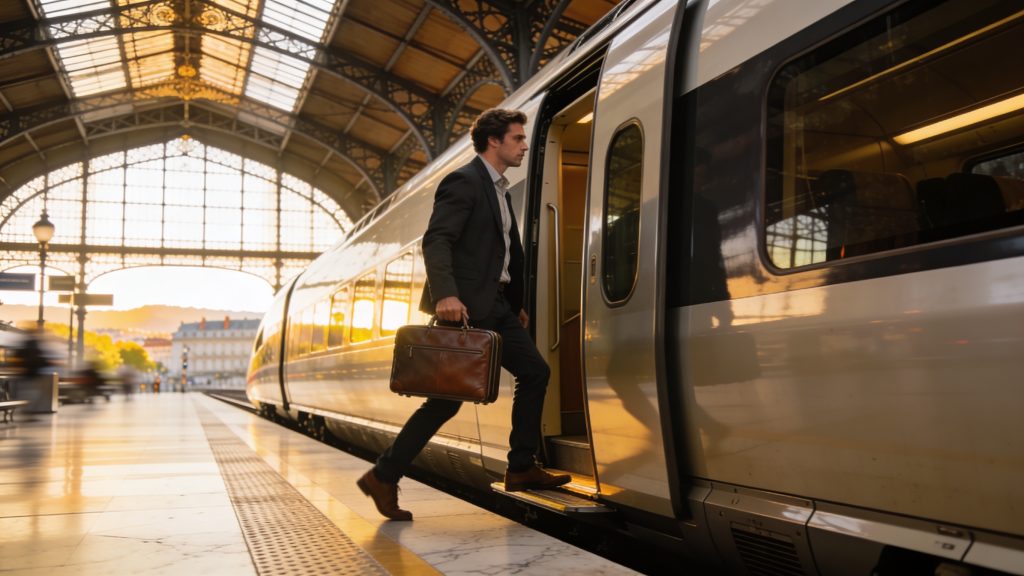
A change of trains in Paris between Eurostar and TGV (high-speed trains) to destinations in the south of France or Spain is unavoidable for many travellers, but it takes good planning to go smoothly. Most travellers arrive at Gare du Nord and continue their journey from Gare de Lyon or Montparnasse, needing a buffer of between 50 minutes and 2 hours depending on luggage and crowds. With the right strategy you can turn this connection into a manageable and even pleasant stopover.
From Gare du Nord to Gare de Lyon
Gare de Lyon is the departure point for TGV trains to popular Southern European destinations such as Lyon, Avignon and Marseille. After arriving at Gare du Nord, follow the signs for “Correspondances” and choose between RER D (Paris regional express metro) or metro line 4 or 5. RER D gets you to Gare de Lyon in around 10 minutes, while the metro takes about 15 minutes.
Don’t just count the travel time. You have to find your way through the station, buy tickets and with luggage look for stairs or lifts. This process easily adds 20 to 30 minutes. For travellers with suitcases or families, a buffer of 1.5 to 2 hours is realistic. For more inspiration on travelling by train through Europe, take a look at international train routes with detailed planning.
You can buy metro or RER tickets from ticket machines in the station for about €2.10 for a single journey. Many machines accept contactless payment. Buy your ticket in advance to avoid queues at the machines, especially during rush hours between 7–9 in the morning and 17–19 in the evening.
‘ With luggage this becomes more challenging, especially because many metro stations don’t have lifts. ’
From Gare du Nord to Montparnasse
Are you departing for Bordeaux, Toulouse or Spain via Hendaye? Then Montparnasse is your departure station. This change takes longer: 20 to 30 minutes by metro. Take metro line 4 towards Odéon, then change there to line 10. An alternative is RER E to Haussmann–St-Lazare and then the metro.
For this route we recommend a buffer of at least 1.5 to 2 hours. The route involves several changes and longer walking distances. With luggage this becomes more challenging, especially because many metro stations don’t have lifts. Travelling with lots of suitcases? Then consider a taxi or Uber, which costs between €15 and €25 depending on traffic.
How to avoid stress when changing trains
A few practical measures make your connection considerably easier:
- Book your Eurostar and TGV separately rather than as a combined ticket. This gives you more flexibility if there are delays
- Download SNCF Connect, the official app of the French railways, for real-time departure information and platform numbers
- Install Citymapper for offline navigation through the Paris metro network
- Travel as light as possible or use luggage lockers at the station for €10 to €12 per item for longer stopovers
- Avoid rush hours when metros and stations are at their busiest
Travellers report that a connection time of 1 hour is doable without luggage, but with children or bikes 2 hours is really the minimum. Extra time prevents stress and gives room for unexpected delays.
Alternatives that avoid Paris
Do you want to avoid the crowds and hassle of changing trains in the centre of Paris? There are convenient alternatives. Change at Marne-la-Vallée–Chessy, the station for Disneyland Paris. Both Eurostar and through TGV trains to Bordeaux, Lyon and Marseille stop here. You skip the metro trip across Paris and this option is particularly suitable for families.
Another option is to change at Lille-Sud, where you can transfer directly to TGV services to the south of France. This station is smaller and easier to navigate than the Paris stations, which speeds up the process.
‘ Paris stations are busy and travellers regularly report pickpocketing. ’
Safety during long stopovers
For changes longer than 4 hours you might consider leaving the station and visiting nearby sights. Gare du Nord is close to well-known districts such as Canal Saint-Martin and Montmartre. Store your luggage in a locker in that case. Most major stations in Paris offer lockers, although availability can vary.
Always keep your luggage with you on the metro and on platforms. Paris stations are busy and travellers regularly report pickpocketing. Carry valuables close to your body and hold rucksacks in front of you in crowded spaces.
Tickets and costs for the cheapest options
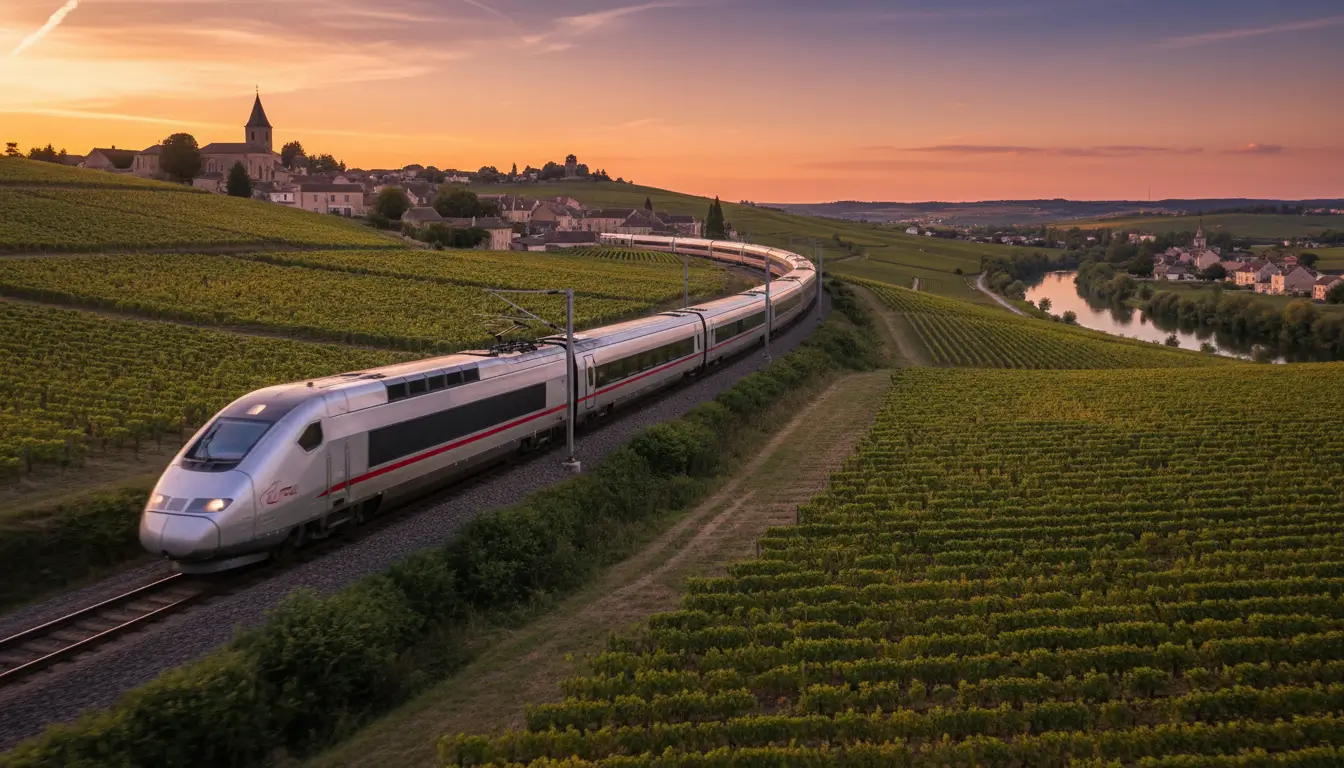
Book your TGV tickets as early as possible via SNCF Connect or Trainline for the lowest prices. Advance booking discounts can reduce prices from €100 to €29 for popular routes such as Paris–Marseille. Flexible tickets are more expensive but give peace of mind if your arrival time is uncertain.
For the metro between stations a single ticket of €2.10 is sufficient. Travelling with a group? Consider a Navigo Easy pass which you can top up with multiple tickets. This saves time at the machines and is faster at the gates.
What to do in case of delays
Eurostar delays do occur, especially during the winter months or in the event of technical problems. Always check your departure time before heading to your onward station. If your incoming train is delayed you are entitled to a free rebooking onto a later TGV if you booked your tickets as a combined journey.
Do you have separate tickets? Then you are responsible if you miss connections. That’s why a generous buffer is not only pleasant but also financially sensible. A missed TGV often means buying a new ticket at much higher prices.
‘ During these periods, plan at least 2 hours’ connection time. ’
Seasonal differences and crowds
Paris experiences peak crowds during summer weekends and French holidays. July and August are the busiest months for TGV connections to the south of France. Stations are fuller, metros busier and the chance of delays greater. During these periods, plan at least 2 hours’ connection time.
Strikes happen more often in France than in the Netherlands. Before departure, check apps such as SNCF Connect or news sources for planned strikes. During strikes, services are often reduced but rarely completely stopped.
Sustainable travel via Paris to Southern Europe
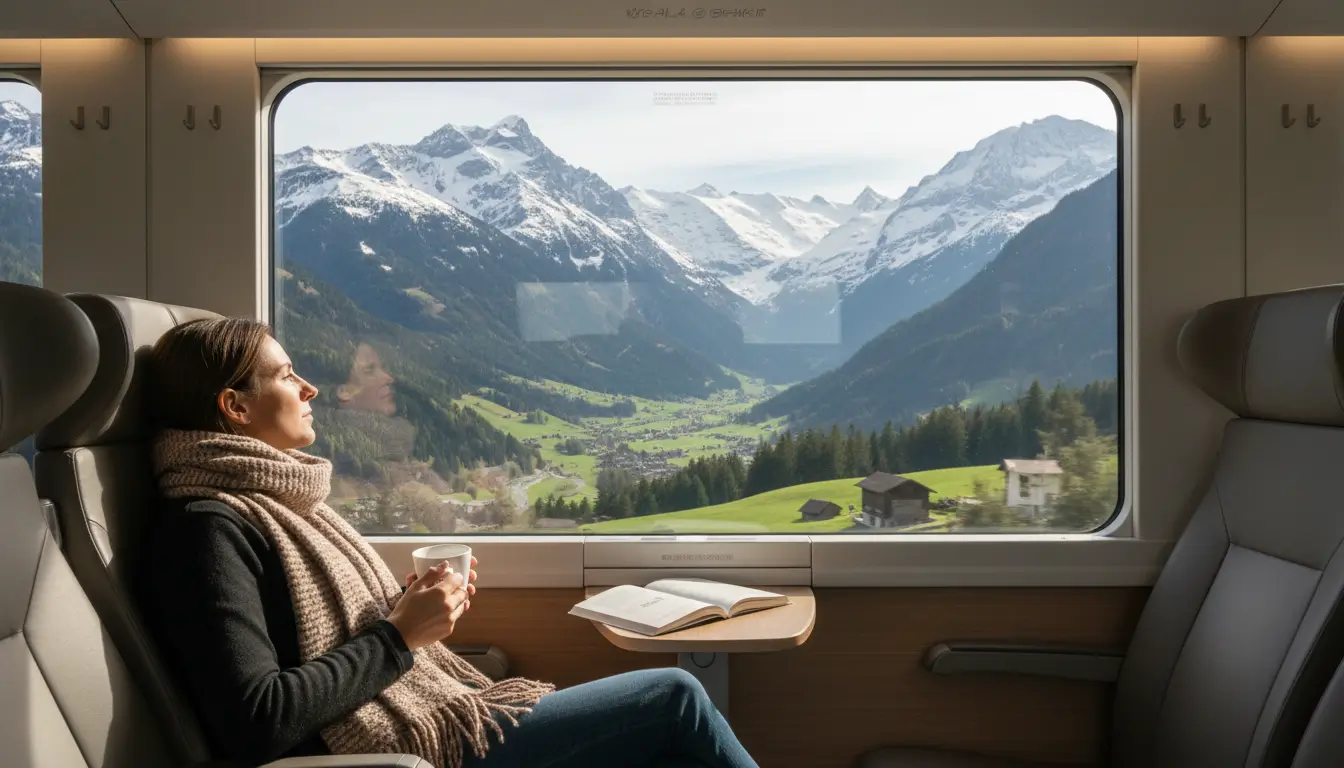
Travelling by train to Southern Europe reduces your CO2 emissions by around 90 per cent compared with flying. A train journey from Amsterdam to Marseille via Paris emits around 10 kilograms of CO2, while the same journey by plane produces more than 150 kilograms. Combine your TGV with regional TER trains (regional trains in France) for flexible side trips to smaller places.
On the Traveller Tips website you’ll find a lot more information about train travel across Europe, from route planning to practical tips for managing luggage and overnight stays along the way. Discover useful guides to other popular interchange stations and the most beautiful train routes to destinations in Southern Europe and beyond.
Frequently asked questions
The most efficient and comfortable option is usually the RER (in particular line D between Gare du Nord and Gare de Lyon) because of the fast, direct connection and relatively spacious trains. The metro is very convenient in terms of network, but with luggage and during rush hours it can be busy and uncomfortable. For maximum comfort and with lots of luggage you could consider taking a taxi or pre-booked transfer, although you’ll be less efficient due to possible traffic jams. In all cases, plan at least 1 to 1.5 hours’ connection time so you can travel calmly and without stress.
In Paris, ideally plan at least 1.5 hours’ connection time to avoid stress. With light luggage and good orientation you can sometimes manage with 1 hour, but that is tight. With children, lots of luggage or during rush hours, 2 hours is more realistic to guarantee your connection to Southern Europe.
Yes, you can save money in Paris with a carnet or 10-journey ticket for metro/RER instead of single tickets, or by paying contactless (bank card) instead of using paper tickets. A Navigo day or week pass is good value if you’re making several journeys during your connection or a short city break. For luggage, a locker at one station is often cheaper than commercial storage in the city; compare prices per hour/day online in advance. Also try to plan your route so that you change at a station such as Marne-la-Vallée–Chessy or Lille to avoid the expensive and time-consuming metro transfer within Paris itself altogether.
First plan generously: make sure you have at least 1.5 to 2 hours’ connection time and use apps such as Citymapper to see realistic travel times between the Paris stations. Put your luggage in a locker at your arrival or departure station so you can move around lightly. Then choose a short, nearby cultural experience, such as a stroll through the neighbourhood around your station, visiting a café or looking at a nearby church/square, rather than major museums further away. Always keep at least 30–45 minutes in hand for getting back to your platform, possible delays on metro/RER and collecting your luggage.
The safest and most practical option is to use official luggage lockers or “consigne automatique” at major stations such as Gare du Nord, Gare de Lyon or Montparnasse. These are supervised, fitted with CCTV and offer lockers in various sizes. As an alternative you can use commercial luggage storage services (such as specialist lockers or shops around the stations), provided you choose reputable providers with good reviews. Make sure valuables (passport, money, electronics) always stay with you in a small daypack.