NL
NL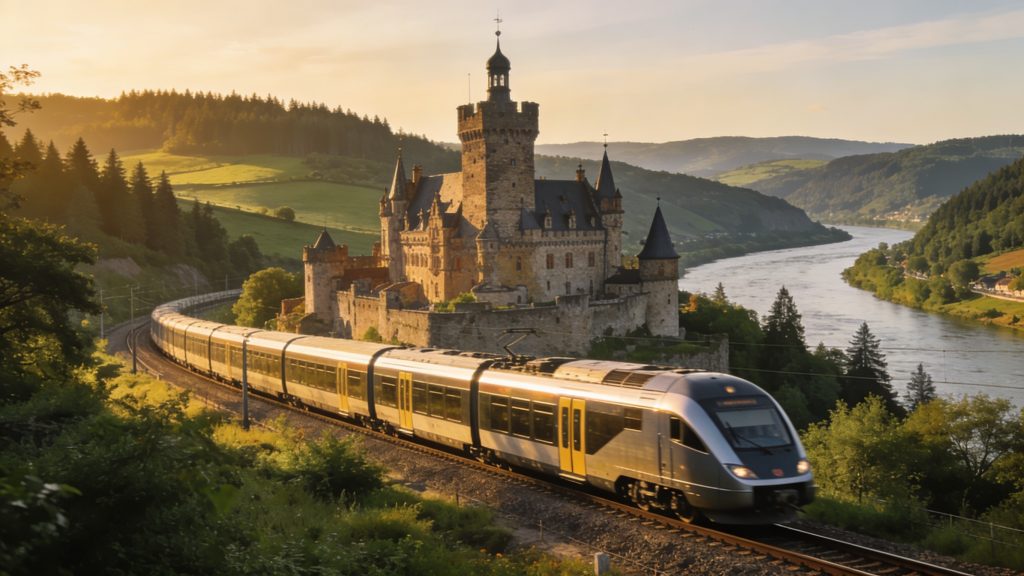
Germany offers more than 25,000 castles and fortresses, and many of the most beautiful ones are easily accessible by train. From the iconic Neuschwanstein in Bavaria to the medieval castle ruins of Drachenfels on the Rhine, you can perfectly combine a castle holiday in Germany with sustainable train travel. Discover how to reach castles without a car and which routes are worth taking.
Neuschwanstein Castle by train
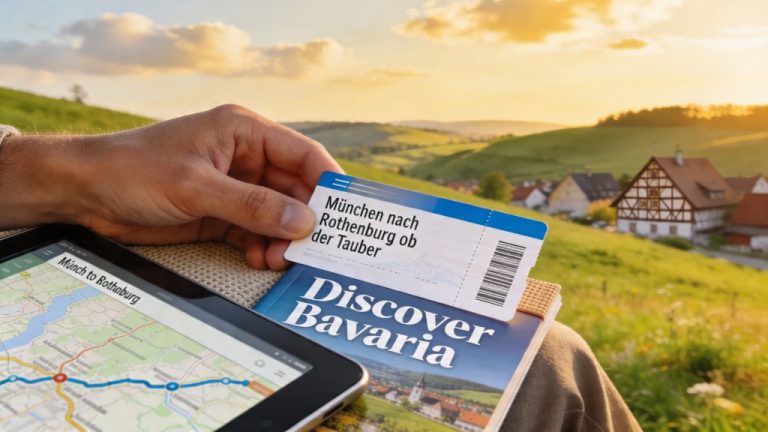
Neuschwanstein Castle is located in the Bavarian Alps and is one of Germany’s most popular sights. The train journey starts in Munich and immediately offers a panoramic experience. Take the RB68 towards Füssen, a ride of about two hours. The route runs along the Ammersee and offers spectacular views of the Alps.
From Füssen station you can use the free bus service to the castle. The buses run regularly and take you to the foot of the hill where Neuschwanstein stands. From there it’s a short walk or you can take a horse-drawn carriage. For anyone planning a train holiday in Germany, this combination of train, bus and castle is a great example of car-free accessibility.
Allow a full day for this trip. Book your castle ticket well in advance online, as admission on the day is often not possible due to the large crowds. The first trains from Munich depart early in the morning, ideal if you want to beat the rush.
‘ That makes the region ideal for a multi-day castle trip by train. ’
Drachenfels castle ruins on the Rhine
The Drachenfels is one of the best-known castle ruins in the Middle Rhine region. You’ll find the ruins above the small town of Königswinter, easily reached by the Mittelrheinbahn (regional train line along the Rhine). This train line follows the Rhine and stops at many picturesque villages and castles. From Königswinter station it’s a fairly steep walk uphill, or you can take the Drachenfelsbahn rack railway.
The area is popular with walkers. Routes often combine several castles and viewpoints along the Rhine. The train stations in this region are close to one another, meaning you can easily get off for a hike and continue your journey later on. That makes the region ideal for a multi-day castle trip by train.
In summer there are extra tourist trains running along the most scenic parts of the Rhine. You can find timetable information at Deutsche Bahn. Many travellers use the Deutschlandticket (monthly ticket for unlimited travel on regional trains) for unlimited travel on regional trains, which makes this region even more accessible.
Which castles are easy to reach by train
Besides Neuschwanstein and Drachenfels there are several other castles you can easily visit by train. A selection:
- Heidelberg Castle: Accessible from Heidelberg Hauptbahnhof station, above the historic old town, reachable by funicular or on foot
- Wartburg near Eisenach: Train to Eisenach, then bus connection or walk up to the fortress
- Schwerin Castle: Right next to Schwerin Hauptbahnhof station in Mecklenburg-Vorpommern
- Eltz Castle: Train to Moselkern, followed by a walk of about 90 minutes through the forest
- Moritzburg Castle: Near Dresden, reachable by S-Bahn and bus
These castles are spread throughout Germany. You can easily fit them into a longer train journey or visit them as day trips from major cities. Always check the current timetable; especially outside peak season some bus services may run less frequently.
Combining train journeys and walks
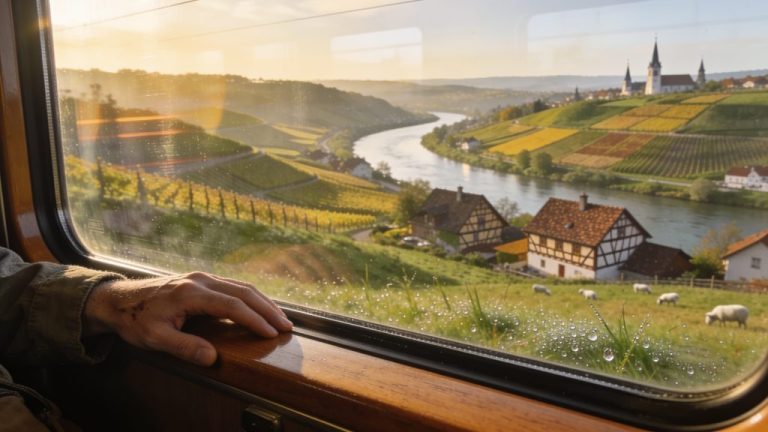
Many castles in Germany are located in scenic areas and are the start or end point of hiking trails. Combining train and walking gives you flexibility and allows you to visit multiple sights without a car. In Rhineland-Palatinate and the Moselle valley you’ll find countless waymarked routes linking castles, vineyards and river landscapes.
One example is the route along the Burgenweg (Castle Route) between Koblenz and Bingen. You get off at a station and walk to a castle, then continue your journey from the next station. This takes a bit of planning but results in a varied trip full of castles, nature and views.
Take comfortable walking shoes and a good map or hiking app. Some castles are located on hills or mountain tops, making the walk quite demanding. Water and a light rain jacket are always recommended, especially in the Rhine and Moselle regions where the weather can change quickly.
‘ You can hop on and off wherever and whenever you like, at no extra cost. ’
Travelling with the Deutschlandticket
The Deutschlandticket (monthly ticket for unlimited travel on regional trains, buses and trams) offers unlimited travel on all regional trains, buses and trams in Germany for a fixed monthly fee. This ticket is useful if you want to visit several castles and travel flexibly. You can hop on and off wherever and whenever you like, at no extra cost.
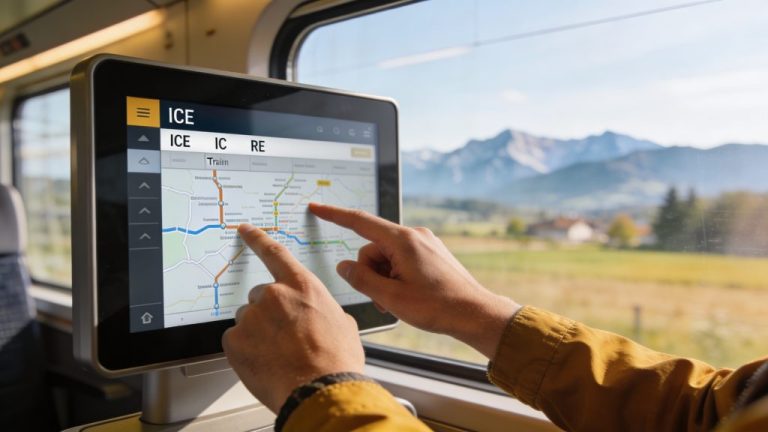
Please note: high-speed trains such as the ICE are not included in the Deutschlandticket. For longer distances between regions you can opt for regional trains, which may take a bit more time but often follow more scenic routes. The RB68 to Füssen, for example, is a regional train covered by the ticket.
Buy the ticket via the Deutsche Bahn app or at a local sales point. It is valid for one month and can be renewed monthly. For a castle holiday of a week or longer this ticket is a budget-friendly option, especially if you’ll be travelling around a lot.
Practical tips for your castle adventure
Begin your trip in a larger city with good train connections, such as Munich, Koblenz, Frankfurt or Dresden. This gives you a central base and allows you to make day trips to castles in the surrounding area. Book accommodation in hotels or hostels close to a station for convenience.
Reserve castle tickets online where possible. Neuschwanstein, Heidelberg and Wartburg receive huge visitor numbers, especially in summer and during school holidays. A timed entry slot helps you avoid disappointment. Many castles offer audio tours in Dutch or English.
Check castle opening times before you set off. Some are closed on Mondays or during the winter months. Take some cash with you, as not all castle shops or catering outlets accept card payments. A small rucksack with water, snacks and an extra layer of clothing will make your trip more comfortable.
From Bavaria to the Rhine: castle routes by train
You can build a castle holiday around several regions. Start in Bavaria for Neuschwanstein, Linderhof and the castles around Munich. Then travel on to the Rhine for Drachenfels, Marksburg and Rheinfels Castle. Finish in central Germany with Wartburg and the castles around Erfurt.
This route follows the main railway lines and offers plenty of variety between mountain castles, riverside fortresses and city palaces. Allow two to three days per region and keep travel days relaxed. Train journeys in Germany are reliable, but delays can occur. Give yourself some leeway between appointments and train connections.
For travellers who want to go deeper, the Harz and Thuringia regions are home to smaller, lesser-known castles and fortresses that are often just as impressive. These areas are a little harder to reach but offer peace and authenticity.
‘ It’s a unique way to experience history while still enjoying comfortable accommodation. ’
Staying overnight in castle hotels
Some castles in Germany have been converted into hotels. You can stay overnight and fully immerse yourself in the historic atmosphere. Examples include Rheinfels Castle on the Rhine and Schlosshotel Kronberg near Frankfurt. Prices usually start at around 150 euros per night and vary depending on facilities and season.
These hotels are easily accessible by train. Kronberg is a short distance from Frankfurt and has its own station. Rheinfels can be reached from St. Goar station on the Mittelrheinbahn. Many castle hotels offer packages including dinner, spa access or wine tastings. Book well in advance, especially in high season.
Staying overnight in a castle gives you the chance to wander the corridors and gardens late in the evening and early in the morning, often without other visitors. It’s a unique way to experience history while still enjoying comfortable accommodation.
Discover more on TravelerTips
Germany has much more to offer travellers exploring by train. On the TravelerTips website you’ll find extensive information about routes, destinations and practical tips for train journeys across Europe. Whether you’re planning a castle holiday or want to explore other regions, find more inspiration and reliable travel advice on our website.
Frequently asked questions
For a castle road trip through Germany, the Middle Rhine and Moselle valley are particularly ideal, where you can plan routes along castles such as Rheinfels Castle and Schloss Lieser between vineyards and river valleys. A route through Hesse and western Germany, including for example Schlosshotel Kronberg and Schloss Bensberg, also combines impressive castle architecture with wooded hills. In Bavaria and central Germany you can follow a route taking in castles such as Schloss Spangenberg and Schlosshotel Steinburg, with a mix of vine-clad hills, rivers and historic towns. In addition, northern and eastern Germany offer a scenic route along lakes and coastal landscapes with castles such as Schlosshotel Ralswiek on Rügen and Schloss Fleesensee in Mecklenburg.
Choose a well-connected region (e.g. Rhine/Moselle or around Frankfurt/Würzburg) and travel there by (international) train to a major station such as Koblenz, Frankfurt or Würzburg. Use the train to travel between larger cities and castle regions, and hire a car locally for one-day trips to castles in the area. Plan no more than 2–3 castles per base in a radius of approx. 50–80 km so that day trips by car remain short. Ideally, stay in or near a castle hotel as your base and combine this with walks or wine routes along the Moselle or Rhine.
Recommendations that offer both a historic experience and comfort include **Schloss Rheinfels** (St. Goar on the Rhine) and **Schloss Lieser** (on the Moselle), both medieval or 19th-century castles with luxurious rooms, a good restaurant and often a spa. In western Germany, **Schlosshotel Kronberg** (near Frankfurt) and **Schloss Bensberg** (near Cologne) combine authentic castle architecture with five-star service and wellness facilities. In Bavaria, **Schloss Spangenberg** and **Schlosshotel Steinburg** near Würzburg are popular for their fairy-tale setting, comfort and location in a nature and wine region. For a special stay in northern and eastern Germany, **Schlosshotel Ralswiek** (Rügen) and **Schloss Fleesensee** offer a historic atmosphere with modern wellness, swimming pools and views of the sea or a lake.
Book your castle hotel and any guided tours or dinner packages well in advance, especially in high season, and preferably opt for flexible/ refundable tickets. Check accessibility in advance (train + hire car or your own car) and ask the hotel about the nearest parking facilities, parking fees and whether there is a private hotel car park. Pack comfortable walking shoes for castle tours, smart clothing for any formal dinners and swimwear for spa or wellness facilities. Don’t try to fit in too many castles on one trip (for example 2–3 per region) to keep travel times short and ensure your stay remains relaxed and efficient.
Instead of the famous icons, look for castle hotels in less touristy regions such as the Moselle valley, the Taunus mountains or Franconia, and filter for smaller properties with a limited number of rooms. Look for terms such as “nachhaltig”, “regional”, “Bio-Frühstück” or eco certificates in the description, so your stay supports local produce and environmentally friendly facilities. Combine your overnight stay with hiking or cycling routes in the area instead of lots of car journeys, and choose castles that are easily reachable by train plus a short taxi ride or hire bike. Read recent reviews specifically looking for words such as “quiet”, “personal” and “non-touristy” to find lesser-known but equally impressive places.