 NL
NL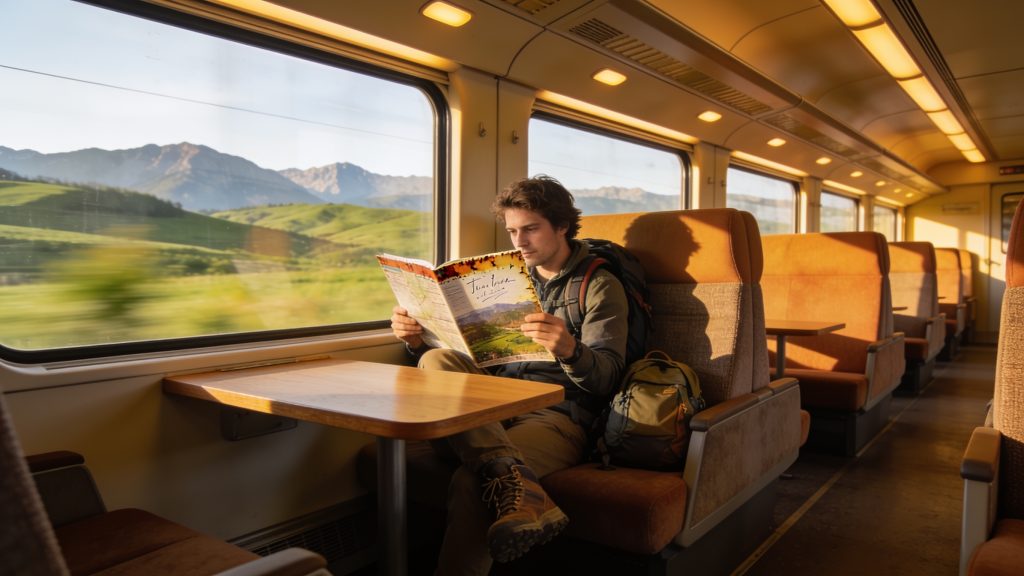
Long train journeys become especially enjoyable for backpackers when you pack in a prepared and intentional way: bring light entertainment, make sure you have snacks and water, and leave room for social interaction with fellow travellers. If you prepare smartly, you turn hours on the move into a relaxing part of the trip instead of a block of exhaustion. Read on for concrete and practical tips to make your train journey more pleasant.
Why train travel works so well for backpackers
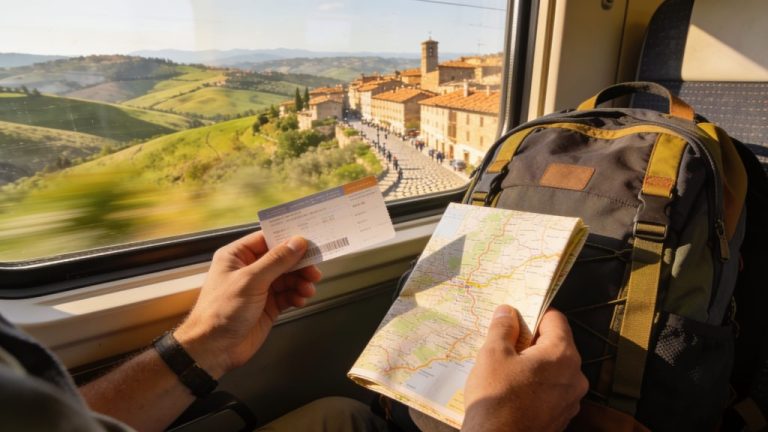
Train travel fits well with slow travel. You travel more calmly, see more of the landscape and often arrive directly in city centres. For backpackers, the train is usually more social and more relaxing than the bus or plane. On the way you have space to read, chat or simply look out of the window.
On top of that, the train offers flexibility. With single tickets or a rail pass you can relatively easily adjust routes or make extended stops. For those who like to combine train holidays with backpacking with spontaneity, the train is a logical choice.
The main difference compared with flying is that you have more time. Long train journeys often take hours, sometimes a whole day or night. That’s why preparing your entertainment is important to avoid boredom and discomfort.
‘ A light blanket or jumper can be the difference between unpleasant cold and sitting comfortably. ’
Pack light and smart for more comfort
The less you lug around, the smoother train travel becomes. A medium-sized backpack of about 35 to 40 litres is more practical than a large backpack or suitcase. It’s easier to carry, you can change trains more quickly and you’re less bothered by luggage along the way.
Keep your important belongings with you in a small daypack. Think passport, money, phone, tickets and any medication. You store your large backpack in the luggage area or above your head, but valuables stay close by.
Also pay attention to comfort during the journey. Bring a thin scarf, sarong or warm layer for when the air conditioning is on full blast or it cools down in the evening. A light blanket or jumper can be the difference between unpleasant cold and sitting comfortably.
Bring travel games and entertainment
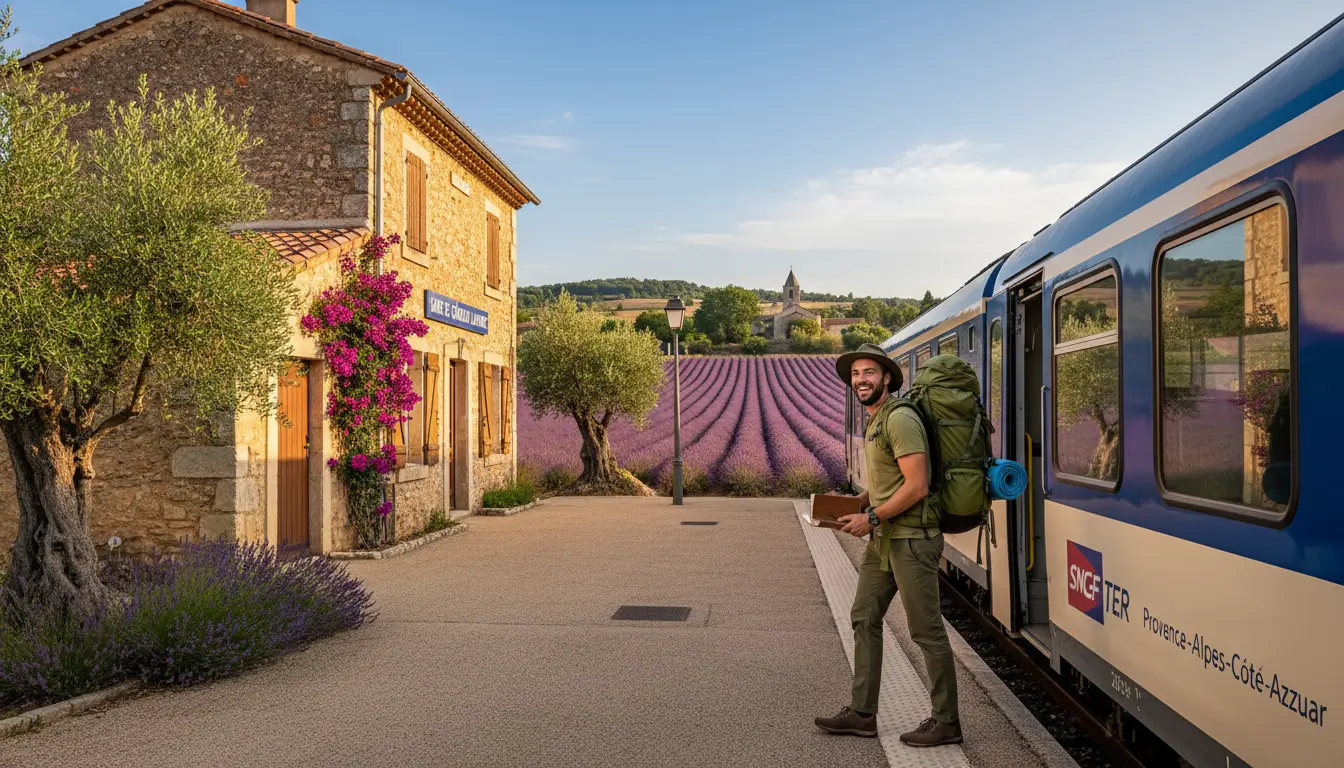
Long journeys become more pleasant with thoughtful entertainment. A book, e-reader or magazine helps the time pass quickly. Music or podcasts on your phone also work well, especially with earplugs or headphones.
Travel games and cards are handy if you’re travelling with others or make contact on the way. Think of small card games like UNO, a travel game or just a classic deck of cards. They’re light, take up little space and can create social moments.
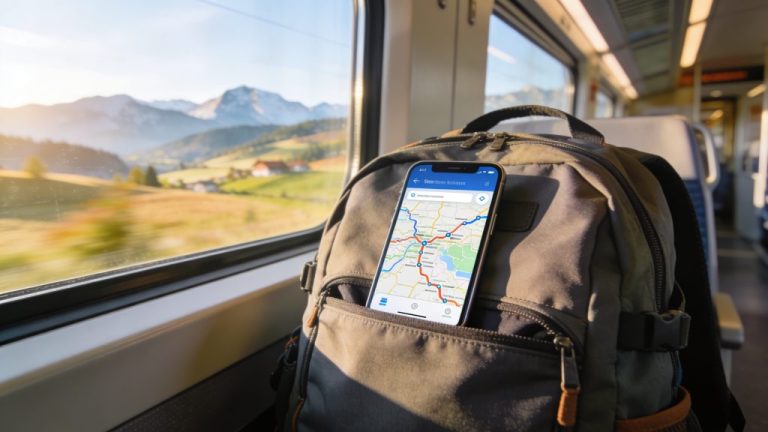
Apps can help too. Offline maps are useful for following your route or checking destinations without an internet connection. In addition, apps such as word games, sudoku or simple games provide entertainment without needing to be online.
Best apps and games for train‑travelling backpackers
For entertainment on long journeys, offline apps work best. Download a few games, podcasts or music albums in advance so you’re not dependent on Wi‑Fi or mobile internet on the way.
Useful apps for during the train journey include:
- Offline maps such as Maps.me or Google Maps (area saved offline)
- E‑reader apps such as Kindle or Kobo
- Podcast apps with episodes downloaded in advance
- Games such as sudoku, crosswords or word games without an internet connection
- Music players with offline playlists
Make sure your phone or tablet is sufficiently charged or bring a power bank. Long journeys drain batteries faster than you think, and not every train has power sockets.
‘ If you bring your own food, you avoid hunger and unnecessary expenses. ’
Bring snacks and water
Food and drink make long journeys more comfortable. Not every train has a buffet car and what’s on offer at stations is sometimes limited or expensive. If you bring your own food, you avoid hunger and unnecessary expenses.
Think of snacks that keep well and don’t spoil quickly. Nuts, dried fruit, crackers, energy bars and biscuits are light and nutritious options. Also take enough water, especially on hot travel days or long journeys without stops.
Avoid packaging that creates a lot of rubbish or makes a lot of noise. Others on the train appreciate quiet and low‑odour snacks, so keep that in mind.
Swap stories with fellow travellers
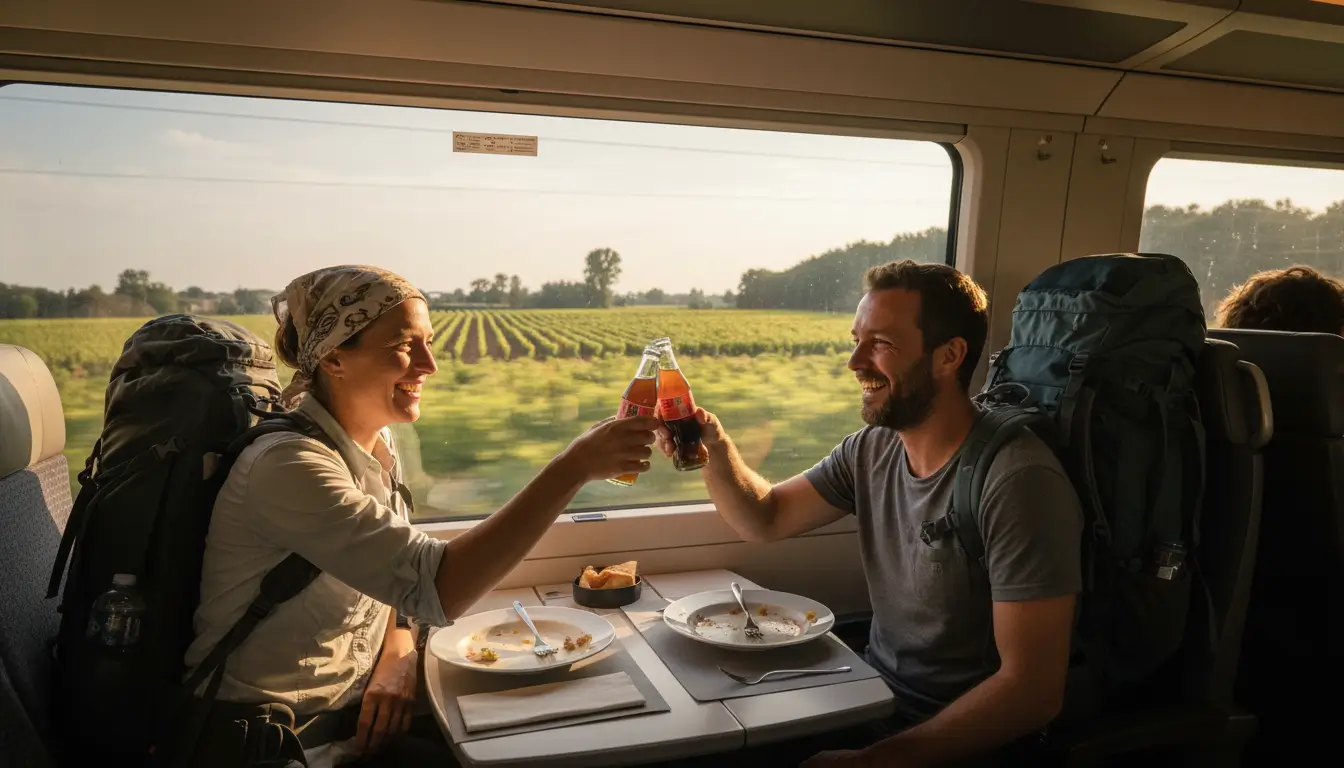
One of the nicest aspects of train travel is the social element. You often sit next to or opposite other travellers, which creates opportunities for conversation and exchanging experiences. This can make time pass much faster and enrich your trip.
Be respectful and read the signals. Not everyone is in the mood to talk. But if someone is open to contact, a conversation can lead to great travel stories, tips on destinations or even new friendships.
Some backpackers share card games or travel games with fellow passengers. This can be an easy way to pass the time together and make the journey more sociable.
Keep your schedule relaxed and avoid stress
Long train journeys can be tiring, even if you’re only sitting. That’s why it helps to keep travel days relaxed without tight schedules wrapped around them. Delays do happen, especially on international routes or in busy regions.
Don’t plan demanding activities straight after arrival. Give yourself time to arrive, drop your luggage and unwind. The more buffers you build in, the less stressful unexpected delays or tiredness will feel.
Treat your travel day as part of the holiday, not as an obstacle. Rest, enjoy the view and see the train journey as a chance to slow down.
‘ Luggage on racks can end up unattended, especially during busy changes. ’
Think about small essentials for comfort
Small items can significantly improve your comfort on long journeys. A neck pillow or inflatable pillow makes it easier to sleep on night trains. A sleep mask and earplugs help with light and noise.
Also bring basic hygiene items such as tissues, hand sanitiser or wet wipes. Toilets on trains are not always well stocked. A bit of extra comfort in this area can make your journey more pleasant.
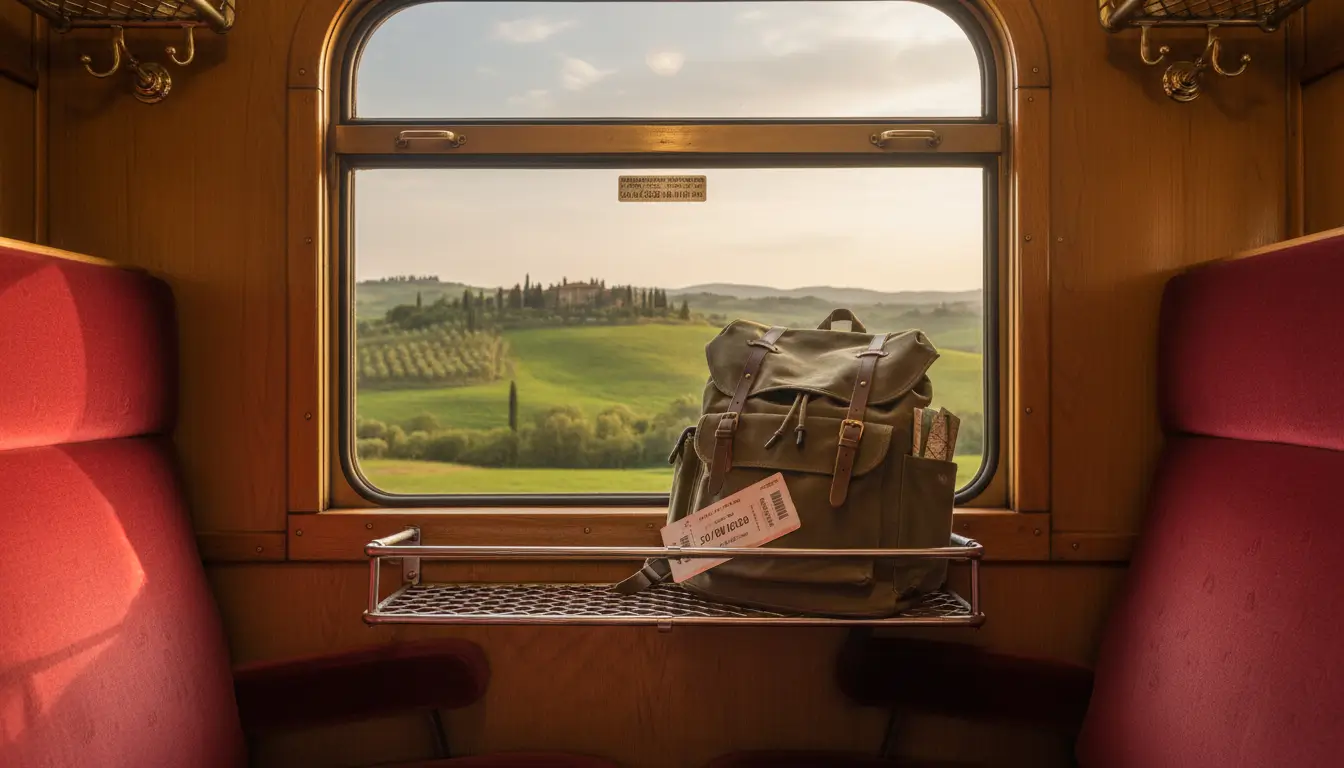
Always keep your valuables with you. If necessary, use a small body pouch or bum bag for documents and money. Luggage on racks can end up unattended, especially during busy changes.
Adapt your approach for long versus short journeys
Not every long journey requires the same preparation. For trips of a few hours, basics are enough: water, a snack, your phone and something to read. For journeys of more than six hours or overnight trips, more thorough preparation is useful.
There are extra points to consider for overnight journeys. Bring clothes you can sleep comfortably in. Consider layers you can easily put on and take off. An eye mask, earplugs and a neck pillow almost become indispensable on long night journeys.
Also take temperature changes into account. Trains can be colder in the evening and warm during the day because of sun through the windows. Layers give you the flexibility to adjust your comfort level.
Prepare for specific regions
Different destinations require adjusted expectations and preparation. In parts of Asia, delays are often seen as normal. Build in extra leeway and bring enough food and entertainment.
In Europe, trains are generally more reliable, but crowds and transfers at major stations can be challenging. Light luggage makes changing trains much easier, especially if you have to take stairs or change platforms quickly.
For international train journeys, a rail pass is sometimes useful, depending on your route and how often you travel. Check in advance which options fit your plan and budget.
‘ With the right preparation they become a relaxed, social and comfortable part of your holiday. ’
Turn long journeys into a positive experience
Long train journeys don’t have to be an unpleasant necessity. With the right preparation they become a relaxed, social and comfortable part of your holiday. Pack light, bring entertainment and snacks, and keep your schedule relaxed.
Be open to contact with fellow travellers, but also respect everyone’s need for rest. Ensure comfort with small essentials and adapt your approach to the length and destination of your journey.
On the Traveler Tips website you’ll find much more information about train travel, backpacking, routes and practical preparation for your holiday. Discover more tips and plan your next trip smartly and consciously.
Frequently asked questions
Ideal activities include reading (a book, e‑reader or offline articles), writing (journal, working out plans, creative texts) or organising and editing photos on your phone or laptop. You can also practise languages via apps or word lists, or work out new ideas and goals in a notebook. In addition, puzzles, drawing, knitting or crochet are nice quiet pastimes. Finally, you can listen to offline courses or podcasts to work on personal or professional development.
Lightweight and space‑saving entertainment options include, for example, an e‑reader or a book on your phone, so you don’t have to take thick paperbacks. Offline playlists with podcasts, music or audiobooks on your smartphone also take up hardly any physical space. A small notebook with a pen is useful for writing, drawing or planning. In addition, compact travel‑size card games or a mini dice set are ideal to play together without adding much weight.
Apps for music and podcasts (such as Spotify or Podimo) and e‑books or audiobooks (for example Kobo or Storytel) make the journey relaxing and help prevent boredom. Navigation and travel information apps (NS app, DB Navigator, Rail Planner, Google Maps) help with connections and delays. Offline and entertainment apps such as Netflix or YouTube (with videos downloaded in advance) and games provide extra fun without constant Wi‑Fi. Note‑taking and diary apps (Evernote, Day One, Google Keep) make it enjoyable to record your travel experiences and ideas on the way.
Board with an open attitude: smile, make eye contact and start small with something everyday (“Is this train usually this busy?”, “Where are you getting off?”); that often breaks the ice quickly. Bring a small deck of cards, disposable camera or travel journal and invite a neighbour for a game or to share memories – it makes contact playful. Ask locals for tips on food, viewpoints or lesser‑known stops; people love talking about their own region and conversations start naturally. You can also join language or backpacker groups on apps like Couchsurfing, Meetup or Facebook and deliberately arrange to travel a leg of the journey together.
Bring a power bank with enough capacity and fully charge all your devices beforehand. Use energy‑saving settings (battery saver mode, dimmed screen, offline maps and playlists) so you need to charge less often. Download entertainment and important information (tickets, reservations, directions) for offline use so you’re not dependent on unstable train or station Wi‑Fi. Make sure you have the right cables and, if necessary, a multi‑socket or splitter so you can make the most of any available plug socket on the train.