 NL
NL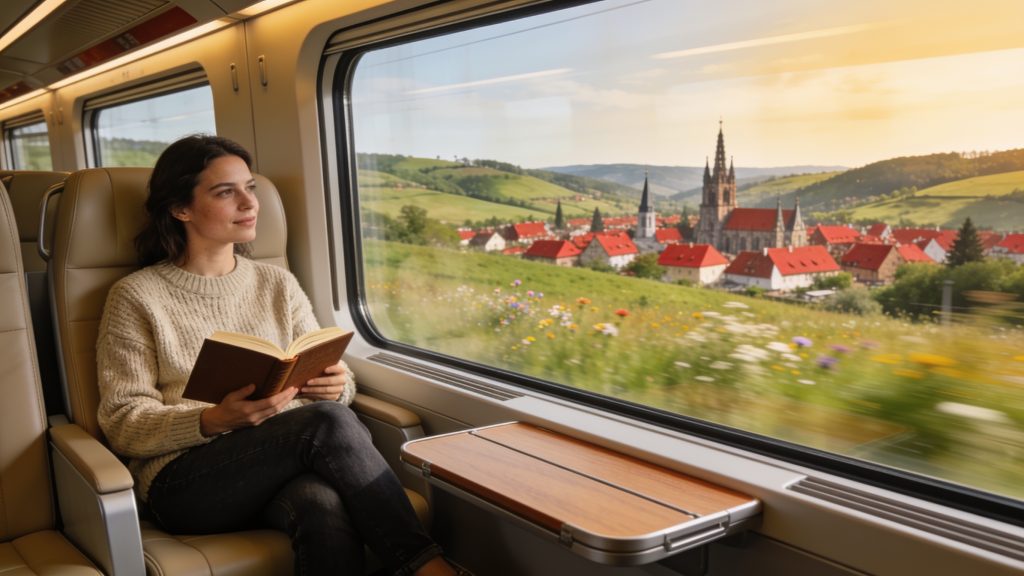
Travelling solo by train in Central Europe is generally safe. It’s also perfectly doable if you’re travelling alone for the first time. The region has low crime rates. Women travelling alone by train report positive experiences. You do, however, need to be alert when it comes to practical preparation. Keep your valuables secure. Want to travel alone with peace of mind? These tips will help you travel safely and with confidence.
Whether you’re considering travelling via the Czech Republic to Hungary or planning a broader Central Europe train holiday, good preparation makes the difference between a carefree trip and unexpected challenges. With the right knowledge you can avoid a lot of stress and enjoy your journey more.
Is travelling solo by train in Central Europe safe?
The safety situation in Central Europe is favourable for solo travellers. Countries such as the Czech Republic, Hungary, Poland and Austria have relatively low crime rates. Solo travellers don’t experience Eastern Europe as safer or less safe than other parts of Europe. You do still need to stay alert.
Pickpockets are mainly active at busy stations and in tourist areas. Avoid eye-catching jewellery and keep your valuables discreetly stored. Ideally, carry your ID card, bank card and cash close to your body, not in your back pocket.
Most railway companies in Central Europe apply good safety measures. Major stations offer 24-hour service and security. This increases safety during long waiting times or when you arrive at unusual hours.
Practical preparation for a safe solo trip
Good preparation starts with choosing the right luggage. Opt for light luggage you can easily carry yourself, such as a backpack or wheeled suitcase. That way you won’t need to leave heavy bags unattended. This is especially useful when changing trains or looking for your platform.
Take a daypack with you with essential items you need during the journey:
- Waterproof rainwear and warm clothing for changeable weather conditions
- Reliable offline translation app for communication
- Power bank, as sockets are limited or absent on some trains
- Travel first aid kit with painkillers, disinfectants, plasters and remedies for fever
- Tick remover and oral rehydration salts (ORS) for potential health issues
Secure your bags at night with a cable lock and attach a name tag to them. Never leave them unattended, not even for a short while during a brief stop.
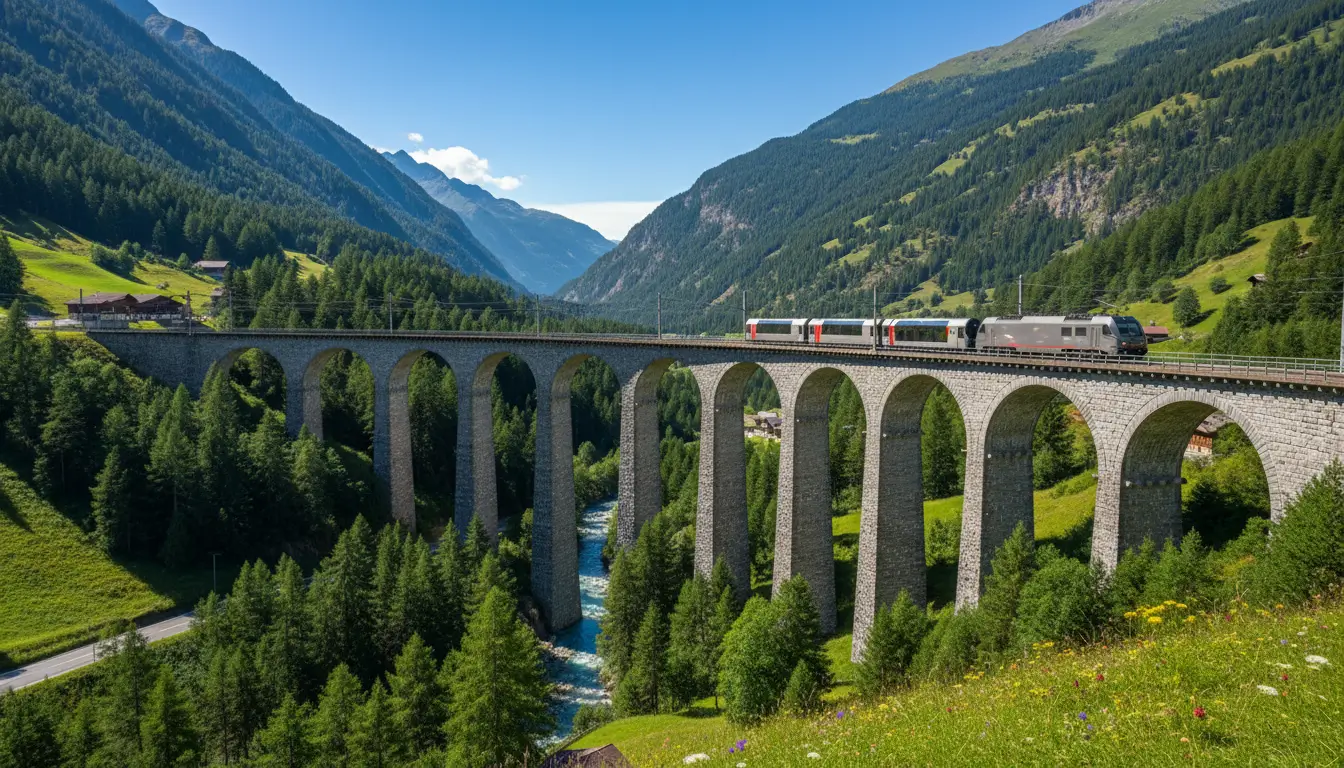
Tips for women travelling alone through the Czech Republic and Hungary
Women mostly share positive experiences of solo travel through Central Europe. Confidence and preparation are important here. Do thorough research before you leave so you know what to expect and can step off the train with confidence.
Ask friends or other travellers on online forums for tips on safe addresses and places you’re better off avoiding. Facebook groups for train travellers offer valuable information from people. These people have already travelled your route before.
Choose busy carriages while travelling. This is especially important in the evening or at night. Trains with many passengers provide more social control and reduce the risk of unwanted situations. On night trains you can choose women-only compartments. Some railway companies offer these.
Keep friends and family at home informed. Stay in touch while you travel. Share your location regularly. This not only gives you a sense of security, but also provides a safety net if unexpected problems arise.
Trust your intuition. Does a situation feel uncomfortable? Then move to another carriage or contact the train staff. Head out with confidence and show that you know what you’re doing, even if you still feel unsure on the inside.
Safety advice for night trains in Eastern Europe
Night trains offer an efficient way to cover long distances, but they do require extra vigilance. Most modern night trains in Central Europe are safe. They are comfortably furnished. They have lockable compartments.
Secure your luggage with a cable lock to the luggage rack or to a fixed point in the compartment. Keep your valuables such as passport, money and phone close to you. For example, you can keep these items in a money belt or under your pillow.
When booking, opt for compartments with other travellers rather than sleeping alone. Sharing with others increases safety and often also lowers the cost. Ideally, book your berth well in advance, as night trains fill up quickly.
Prepare for possible timetable changes. These may be changes to departure or arrival times. Night trains can arrive very late, so build some buffer time into your schedule and have a plan B ready for your onward connection.
What to do when you arrive at an unfamiliar station
Arrive at the station at least half an hour before departure, especially if you don’t speak the language and don’t know the station. You’ll then have enough time to get your bearings. You can find the correct platform. You can ask any questions you may have. Go to an information desk or ask fellow passengers for help.
Download offline maps of the station and its surroundings in advance. That way you can quickly find the exit, taxi rank or connecting public transport. You won’t be dependent on an internet connection.
Are you arriving at an unfamiliar station at night? Then choose well-lit, busy areas. Large stations in Central Europe often have 24-hour waiting rooms or catering outlets. You can safely wait there until morning. This is useful if your onward connection doesn’t depart until later.
‘ Each country in Central Europe applies its own rules and fares. ’
Smart ticket booking and cost planning
Plan your trip in advance. Book tickets at least three weeks to three months before departure. This gives you the cheapest fares. You then won’t have to buy expensive last-minute tickets.
Compare prices for weekdays and weekends, and avoid travelling during rush hour. Sometimes it’s cheaper to split a train journey with connections into stages with different providers. In that case you don’t book one through ticket.
Pay attention to the conditions of cheap tickets. These are the rules on what you can and cannot do with your ticket. Think of rules about changing, exchanging or refunding. Read the small print and consider whether the saving outweighs the loss of flexibility.
Each country in Central Europe applies its own rules and fares. Different rules apply in Germany. In Serbia or Hungary it can be totally different again. So research specifically what works best for your route and travel schedule.
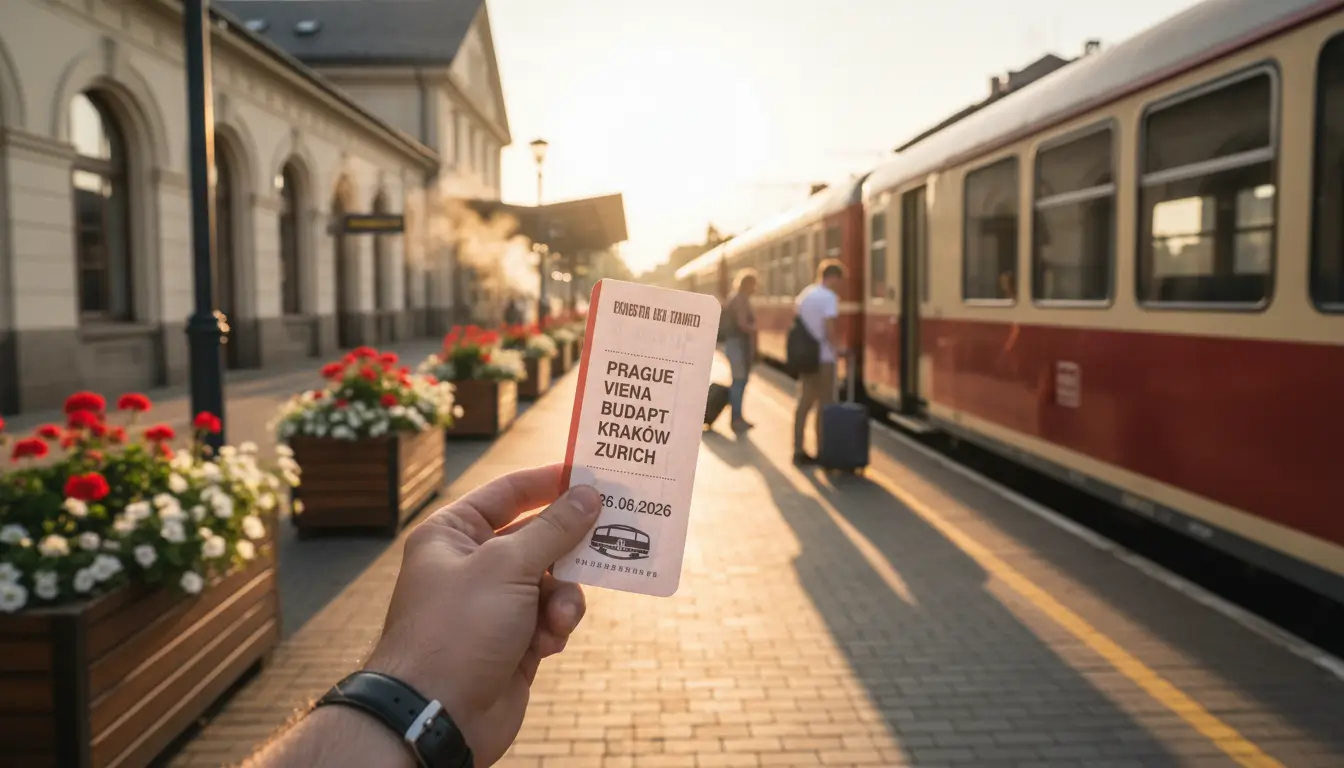
Staying alert en route and when changing trains
Stay alert at busy stations. Also stay alert on crowded trains. These are places where pickpockets operate. Keep your bags in sight and wear your daypack on your front rather than on your back in large crowds.
Be cautious about showing expensive electronics. Think of cameras or laptops. Use them sparingly and put them away again as soon as you’re finished. This reduces the chance of attracting unwanted attention.
A smartphone is essential for staying in touch with friends, navigation and using travel apps. On most modern high-speed trains you can charge your phone at your seat. Always take a power bank as a backup.
Do you have a short connection time? Then stay calm. Follow the signs. In doubt? Ask staff for help. You can also ask fellow passengers for assistance. Most people in Central Europe speak a little English and are happy to help.
Discover more about train travel on TravelerTips
On the TravelerTips website you’ll find much more information about travelling through Europe by train. From the best routes and money-saving tips to rules and agreements per country. You’ll also find practical preparation for specific destinations. These are guidelines that differ by country, such as required documents, fares or ticket types. Discover more articles that help you plan your trip even better and set off with confidence.
Frequently asked questions
Make sure you have light, manageable luggage and use locks to secure your backpack and valuables, especially on night trains. Carry important documents and money in a discreet place on your body and avoid having eye-catching jewellery or expensive electronics on display. Stay in touch with someone at home while travelling, share your itinerary and use reliable (offline) apps for route information and translation. Arrive at the station early so you can find your way calmly and always allow for a plan B in case of delays or changes.
Watch out for signs such as empty platforms with groups of loitering youths, drunk or aggressive people, unusual jostling around doors, or people standing (too) close to you when boarding and alighting or at ticket machines. Always keep your bag close to your body (ideally worn cross-body in front of you), spread valuables across several, hard-to-reach places and never leave luggage unattended; if needed, use a (cable) lock. On trains and platforms, try to stay close to other travellers and in well-lit, busy areas, and move away if someone makes you feel unsafe. Make sure you can be reached by people you trust, share your travel route with someone if possible and always follow your intuition: if a situation doesn’t feel right, get off, find a safer compartment or ask staff or fellow passengers for help.
Yes, there are some specific safety tips for night trains: preferably choose a couchette or sleeping compartment, close the door/hatch properly and keep hold of your bags at night or secure them with a (cable) lock. Never leave your luggage unattended and keep valuables (passport, money, phone) on your person in a money belt or inside pocket, not in your backpack or suitcase. Don’t wear eye-catching jewellery, take as few expensive items as possible and keep your documents and means of payment spread across several discreet places. Stay in contact with someone at home, trust your intuition with fellow passengers and avoid situations where you have to sleep in an empty or, conversely, extremely crowded, chaotic compartment.
In immediate danger, always call the general emergency number 112 (or the local equivalent) first and follow the instructions of the emergency services. Then contact the travel company or the emergency number of your accommodation for further support or rebooking. Report to station or train staff (conductor, security) if you feel unsafe, so they can help you or move you. In addition, keep a trusted contact person at home informed about your location and situation.