NL
NL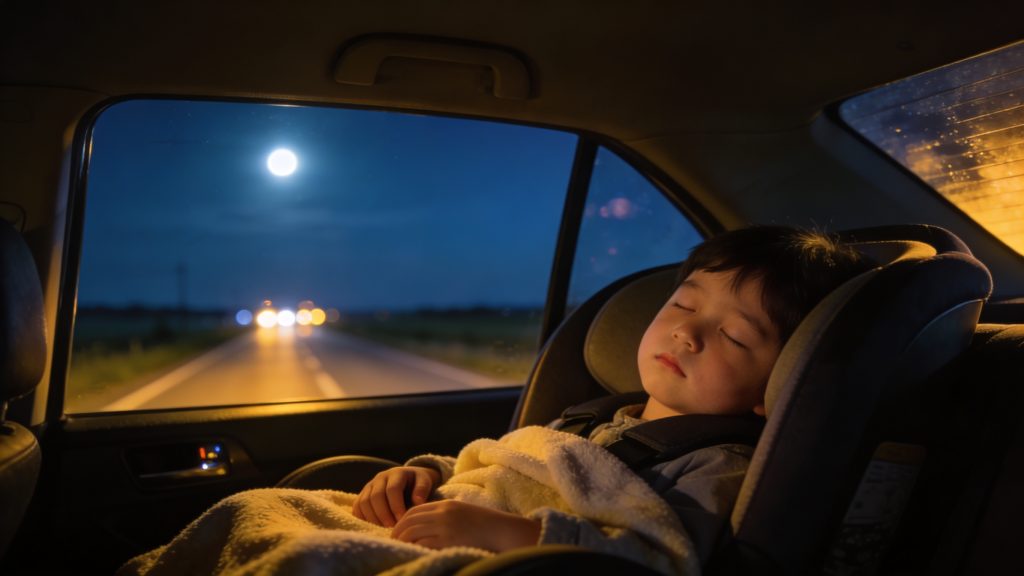
Leave in the evening after dinner, let the children sleep in the car and arrive rested at your holiday destination tomorrow morning. Driving at night with children is a conscious choice that many families make for long car journeys to southern Europe. You benefit from quieter roads, cooler temperatures and a silent back seat. But how do you do this safely and comfortably?
Why travellers choose to leave at night
A night-time car journey offers clear advantages for families who want to cover hundreds of kilometres. Children often sleep better in the dark. This allows you to cover more kilometres per hour without interruptions. The road networks to France, Germany or Italy are significantly quieter between 20:00 and 06:00 than during the day. This is especially true for routes heading south.
Traffic jams are rare during night-time hours. Border crossings are quicker and there are shorter queues at toll booths. This means that if you leave around 20:30, you can often cover 700 to 800 kilometres within eight hours. During the day, the same journey would easily take ten to twelve hours.
Temperature also plays a role. Summer heat makes driving with children difficult, even with air conditioning. At night it is cooler, which increases comfort for everyone. If you are planning a driving holiday with children to the south, this can make the difference between a relaxed journey and a tiring day full of stops.
How to prepare for a night drive
Good preparation determines whether a night-time journey goes smoothly. Without proper preparation you risk discomfort and delays. Start with the right departure time. Many families choose to leave between 19:00 and 21:00, after dinner. Dress children in pyjamas or comfortable clothes. Put blankets, pillows and cuddly toys ready on the back seat.
Make sure the car is fully equipped:
- Potty for young children
- Spare clothes for little accidents
- Sick bags and cleaning wipes
- Snacks such as fruit, biscuits and bars
- Drinking water in bottles within reach
- Small surprises or toys to keep children who wake up entertained
Check the route for roadworks before you leave. Also check the weather conditions. Download offline maps for navigation without an internet connection. Keep your fuel card or payment cards for toll roads within easy reach. A full tank at departure saves stops in the dark.
What makes the journey comfortable for children
The back seat needs to function as a safe sleeping place. Safety comes first when arranging the back seat. Child car seats are compulsory. You can make them more comfortable with extra cushions around the neck and head. Dark window film helps block out light from street lamps. Sunshades do the same.
Audio plays a role in falling asleep. White noise can help. Calming music via Bluetooth also works well. Bedtime stories are a third option. Avoid loud noise in the car. Also avoid bright lighting. Driver and front passenger should whisper when they talk. Speaking softly prevents children from waking up.
Take different ages into account:
| 0 to 2 years | Driving at night fits well with their sleep rhythm. Use a baby car seat with extra blankets for warmth. |
| 3 to 6 years | Provide cuddly toys and blankets. Keep small games or surprises handy for when they wake up. |
| 7 years and older | Leaving after dinner works well. Audiobooks or podcasts can help them fall back to sleep. |
How many stops do you need during the night
Plan a stop every two to three hours. This also applies if the children are asleep. Drivers must remain alert. Refill petrol or diesel during stops as well. Service stations along motorways in France and Germany are also open at night. The options are more limited than during the day, though.
At every stop:
- Let children wake up and stretch their legs
- Offer a toilet break, even if they do not ask
- Give a small snack or a drink
- Check car seats and seat belts
- Change driver if possible
A stop lasts on average 20 to 30 minutes. With older children this can increase to 45 minutes. Older children sometimes need to burn off energy. Take this into account when planning your travel time.
‘ A 15 to 20 minute power nap in a car park can make all the difference. ’
How to stay alert as a driver
Fatigue is the biggest risk when driving at night. As a driver you must be well rested before you leave. Get enough rest before the journey. Switch regularly with a second driver if you have one. Some families choose to go to bed early and leave around 03:00 or 04:00. Both adults will then have slept.
Recognise signs of tiredness. Yawning is an early sign. Heavy or blinking eyes also point to fatigue. Difficulty concentrating is a third sign. Stop immediately if you are in any doubt. A 15 to 20 minute power nap in a car park can make all the difference. This short nap significantly restores your alertness. Avoid energy drinks with a lot of caffeine: they can later lead to a sudden energy crash.
Keep the temperature in the car cool. Heat makes you sleepy. Set the air conditioning to a fresh temperature. Open a window occasionally for fresh air. Music can help you stay focused. An audiobook also works well. Keep the volume low enough not to wake the children.
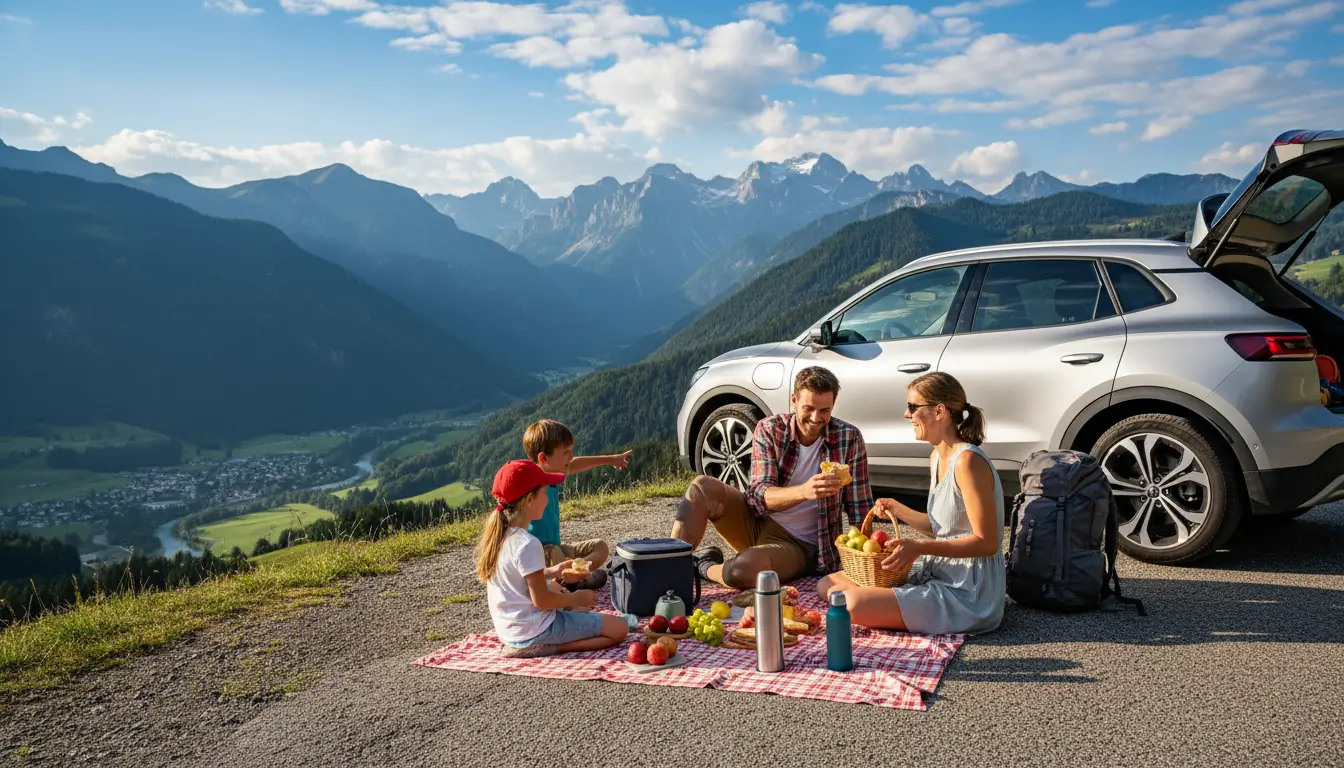
What challenges can you face when driving at night
Not all children sleep easily in the car. Some are actually woken up by the movement. Others feel restless in the dark. So first try a shorter night drive of one to two hours. Only then plan a full journey.
Car sickness can flare up. This does happen less at night than during the day. The lack of visual stimuli often helps. It reduces nausea in children who are prone to it. Still keep sick bags within easy reach. Avoid reading if a child wakes up. Also avoid screens at that moment.
Navigation in the dark demands extra attention. This is due to limited visibility and fewer visual landmarks. Small country roads are harder to follow. Road signs are also less visible. Stay on major roads and motorways. Lighting and road markings are clearer there. In wooded areas, watch out for wildlife that may cross the road. This applies especially in Germany. In Austria this risk is also higher.
What does a practical schedule look like
A frequently used schedule for a night-time journey to the south of France looks like this:
- 19:00: Last meal and getting the children changed
- 20:30: Departure from the Netherlands
- 23:00: First fuel stop and toilet break
- 02:00: Second stop or overnight stay in a budget hotel
- 06:00: Breakfast and final part of the journey
- 09:00 to 10:00: Arrival at your destination
Some families choose to drive straight through. Others take a three to four hour break in a motel around 02:00. This choice depends on the distance and your experience with night driving.
When you arrive at your destination, plan rest straight away. Children who have slept well in the car are often energetic. A siesta helps keep their rhythm. A quiet morning without activities also works well. Avoid jumping straight into outings.
Who is night driving suitable for
Driving at night works well for families with children between zero and ten years old who are used to a fixed sleep schedule. It also suits travellers covering long distances to southern Europe, where the total daytime driving time would be too demanding.
It works less well if:
- Both adults struggle with driving in the dark
- Children have chronic sleep problems
- The route is unfamiliar and includes many local roads
- The weather is bad with rain or fog
Some travellers deliberately choose daytime journeys with extensive stops. Both approaches are valid. It is about what suits your family and your destination.
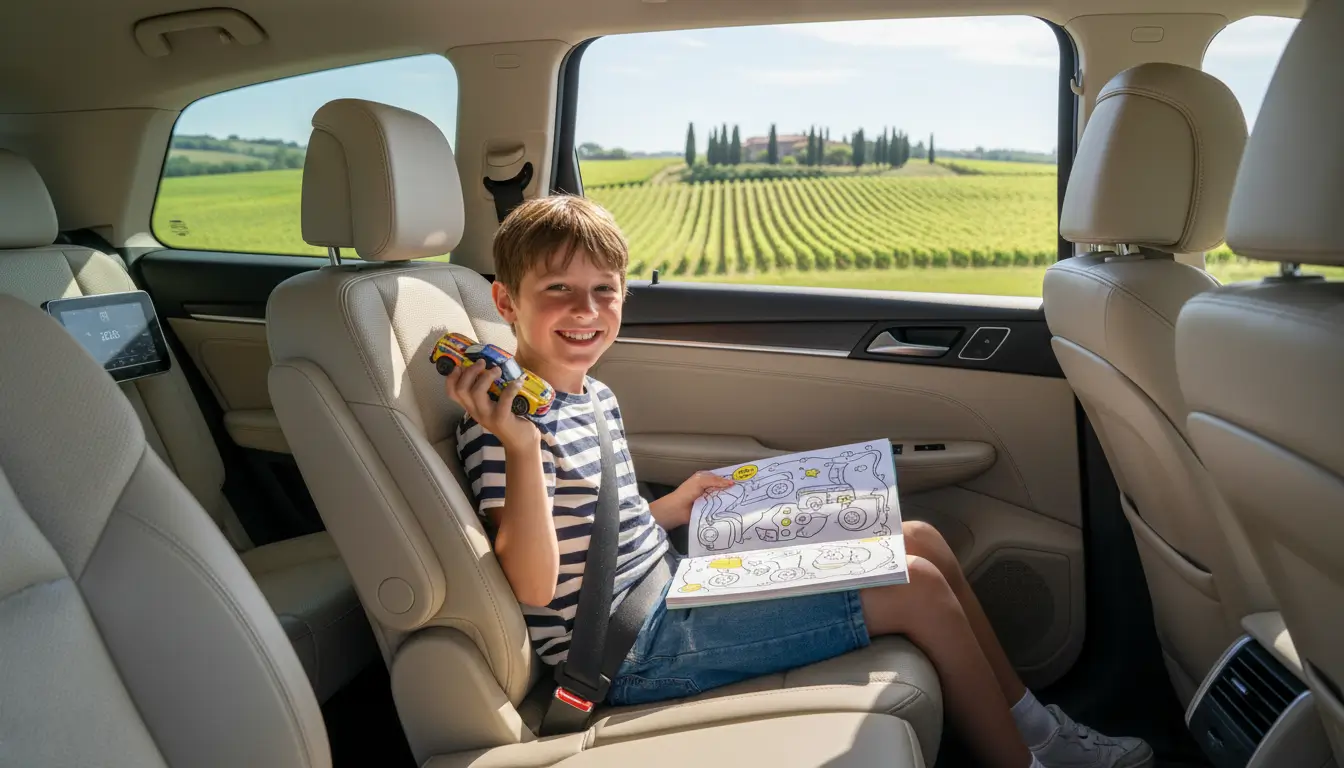
Take these steps before your first night drive
Start with a test journey of up to two hours to see how your children react to driving at night. Choose a familiar route for this first time. Make a checklist of everything you need and tick it off the day before departure. Download navigation apps with offline maps and save toll road details on your phone. Plan your stops in advance based on service stations with facilities. Discuss with your travel companion who will drive when and when you will swap. Only start your full night drive once this test journey has gone well.
On the Traveler Tips website you will find a lot more information about planning routes, travelling safely with your family and practical preparation for driving holidays. Discover which destinations best fit your travel plans and how to make smart choices along the way.
Frequently asked questions
Driving at night with children is a smart choice if you as the driver are well rested, you can take turns with a second driver and your children generally fall asleep easily in the car. It is also useful for long distances on busy roads, because it is quieter and your children spend most of the journey asleep. It is better to avoid it if you have already had a busy day, tire quickly or struggle to stay alert at night. Also avoid it if your children actually become restless or anxious in the dark or on long night-time journeys.
Provide comfortable child seats with soft blankets and cushions, and dress the children in comfortable (pyjama) clothing so they can really relax. Keep the car dark and quiet with soft sleep music or white noise, and bring their favourite cuddly toys for a familiar feeling. Plan to leave after dinner so you drive as much as possible during their normal sleep time. Stop briefly every 2 to 3 hours for a toilet break, to stretch their legs and, if needed, a quiet snack without fully waking them up.
Make sure the children have eaten and been to the toilet before departure and are in comfortable (pyjama) clothing with cuddly toys, blankets and cushions so they can easily sleep in the car. Plan your departure time around their normal sleep rhythm and build in a break every 2 to 3 hours so they can walk a bit, go to the toilet and, if needed, eat something small. Bring plenty of snacks, drinks, spare clothes, sick bags and cleaning wipes for unexpected situations. Finally, make sure you as the driver are well rested and, if possible, can take turns with a second adult.
Make sure you have slept enough before you leave and plan the journey so your own natural sleep time is disrupted as little as possible. If possible, take turns with a second driver and take a break every 2 to 3 hours to get out of the car, move around and, if necessary, have a short power nap. Avoid heavy meals and keep your caffeine intake limited and spread out so that you stay alert without crashing later. If you notice signs of drowsiness (yawning, heavy eyes, loss of concentration), stop immediately and rest before continuing your journey.