NL
NL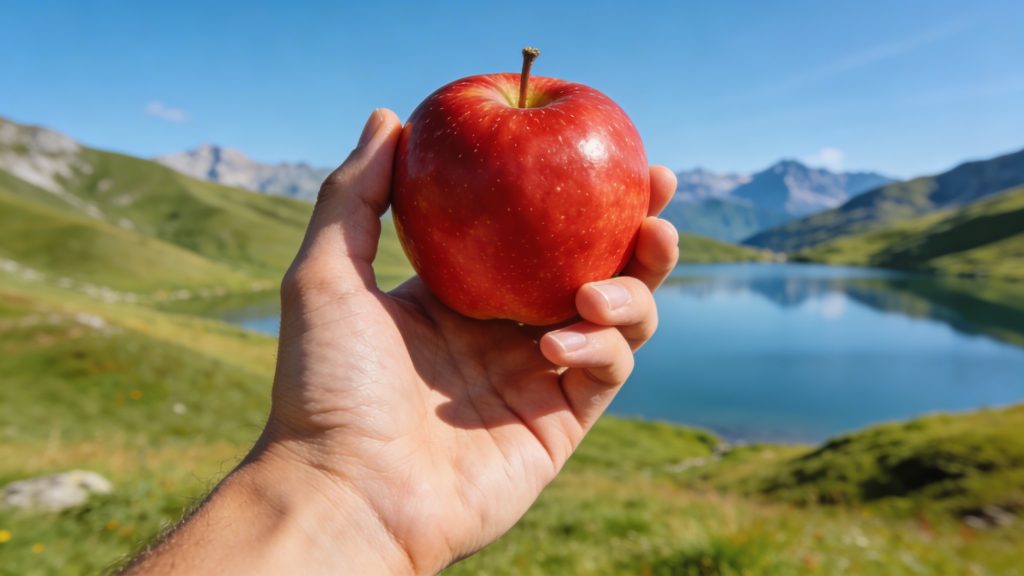
Sugar spikes and sudden hunger pangs on the road are avoidable with the right preparation. By packing nutritious snacks in advance, you keep yourself and your fellow travellers energised and satisfied during long car journeys. This not only prevents irritability and fatigue, but also ensures a pleasant trip without mess in the car. Read on for concrete tips that will make your journey a lot more comfortable.
Which healthy snacks do you take with you for long car journeys?
A well-stocked cool bag full of nutritious snacks makes the difference between a relaxed trip and a chaotic tour of service stations. Prepare snacks at home beforehand and divide them into small portions. This way you keep an overview and prevent yourself from eating too much out of boredom on the road.
Fruit and vegetables form the basis of healthy snacks. Cut apples, bananas or strawberries into pieces and store them in airtight containers to prevent bruising. Raw vegetables such as cherry tomatoes, cucumber sticks, carrot sticks or pepper strips are crunchy and refreshing. These snacks keep well in a cool bag with ice packs.
Protein-rich options provide a long-lasting feeling of fullness. Boiled eggs are easy to take along in a container. Wholegrain rolls or wraps with peanut butter, avocado, hummus or lean fillings such as ham and spinach stay fresh in the cool bag. For a sweeter option, make oat bars or banana bread with banana, peanut butter and nuts. Freezing slices in advance helps with portion control.
‘ A cool bag or ice packs are essential for dairy products and fresh fruit, especially on long journeys in warm countries. ’
How do you pack snacks practically for the car?
The way you pack your snacks determines how pleasant your journey will be. Use small containers or zip-lock bags for mess-free eating in the car. Divide snacks into different bags so you can grab something easily without having to lay everything out.
A cool bag or ice packs are essential for dairy products and fresh fruit, especially on long journeys in warm countries. Freeze small bottles of water to use them as ice packs. This also gives you cold drinking water during the trip.
Nuts and seeds are handy sources of energy. Pack a small handful of unsalted almonds, walnuts or pumpkin seeds per person in bags of a maximum of 25 grams. This gives you long-lasting energy without consuming too many calories. Fruit and nut mixes offer variety: combine grapes with cashews, strawberries with coconut or cranberries with cocoa nibs.
What are child-friendly snacks for a car holiday?
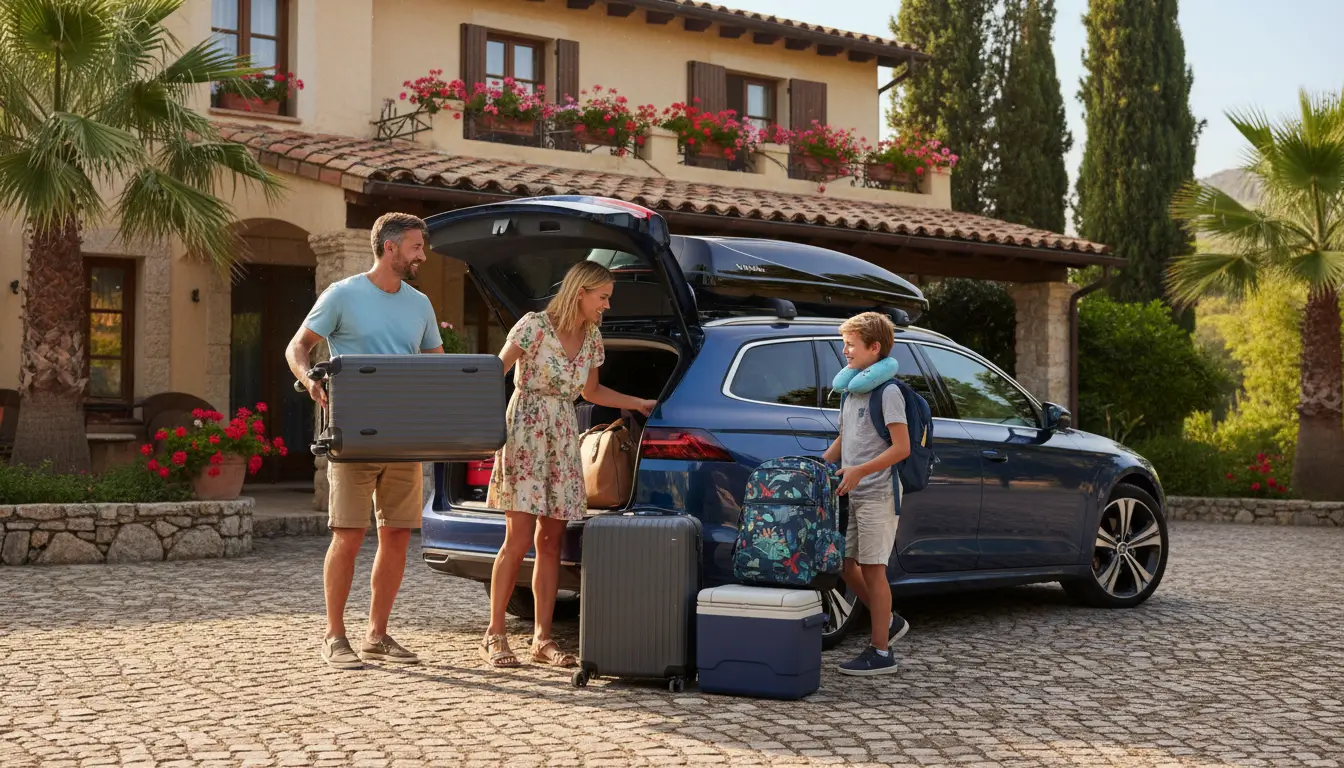
On a car holiday with children, carefully chosen snacks are essential to prevent arguments and boredom. Choose snacks that children can eat independently and that suit small hands. Raw vegetables and fruit bars keep the car clean without crumbs.
Yoghurt or quark are popular with children, but need to be kept cool. Eat these snacks in the late morning and opt for plain varieties with fresh fruit. Mini muffins or cookie-dough balls made with oats, dark chocolate and fruit are sweet yet nutritious. They keep well in a cool bag and are not overly sweet, so children don’t get sugar spikes.
Let children help choose snacks so they feel involved and are less fussy on the road. Alternate sweet options such as fruit bars with savoury choices such as vegetables with dip. Nut mixes can become part of a treasure-hunt game during the journey, keeping children entertained without extra toys.
Prevent sugar spikes and hunger pangs on the road
The timing of snack moments is just as important as your choice of snacks. Plan fixed snack times instead of eating continuously out of boredom. This prevents an irregular blood sugar level and keeps everyone comfortable.
Avoid snacks with added sugars, such as biscuits and chocolate bars. These cause rapid bursts of energy followed by a deep slump, leaving you feeling more tired. Dried fruit such as raisins, mango or apricot contains a lot of natural sugars. Eat these in small amounts and always combine them with protein from nuts for a steady energy supply.
Drink water or unsweetened tea regularly. Take refillable water bottles with you and top them up at service stations or rest areas. Thirst is often mistaken for hunger, which can make you eat more than you need. Getting enough fluids helps you stay focused and makes the journey more pleasant.
‘ Service stations and supermarkets fortunately offer alternatives to croissants and chocolate if you know what to look out for. ’
Which healthy options can you find at service stations?
Even with the best preparation, you may still need extra snacks along the way. Service stations and supermarkets fortunately offer alternatives to croissants and chocolate if you know what to look out for.
Look for fresh fruit or fruit salads in the chilled sections. Apples and bananas are almost always available and can be a quick lifesaver. Yoghurt with muesli or wholegrain sandwiches are often available at larger service stations. Wholegrain crackers or rice cakes without additives are dry options that do not need to be kept cool.
In different countries you can find regional healthy snacks. Southern European service stations often sell local nut mixes or olives. In Germany you can go to a Raststätte for fresh rolls with cheese. Dried fruit does not need to be kept cool and lasts well in warm cars, but eat it in moderation because of the concentrated sugars.

Practical tips for nutritious breaks during the journey
Stop regularly for a break where you can eat, move and unwind for a moment. This helps prevent tiredness at the wheel and makes the trip safer. Choose car parks with picnic tables where you can sit in comfort.
Use the breaks to combine snacks into a nutritious mini meal. For example, combine raw vegetables with hummus, wholegrain crackers with cheese and a piece of fruit for dessert. This keeps you full for longer than eating separate snacks in between meals.
Banana bread is a handy choice for long drives to beach destinations. The fibre in bananas and wholemeal flour helps prevent constipation, a common problem on long car journeys. Slice the bread into portions beforehand and wrap them individually for easy distribution in the car.
How do you keep your diet varied on the road?
Variety in snacks prevents boredom and helps you get all the nutrients your body needs. Change the composition of your snack supply every day for a varied selection.
Make use of different textures and flavours. Combine crunchy nuts with soft dried mango, or creamy avocado with crunchy wholegrain crackers. This variety keeps snacking interesting and prevents you from reaching for unhealthy options out of boredom.
Involve all travellers in putting together the snack list. Everyone can choose a few favourites, which creates more motivation to eat healthily. You can even make a sweet necklace from dried fruit and unsweetened breakfast cereals as a fun activity for children before the trip.
On the Traveler Tips website you will find much more information about smart travel with children, effective route planning and helpful tips for comfortable car journeys. Discover more practical articles that will make your next trip even more enjoyable.
Frequently asked questions
At home you can easily prepare small raw vegetable packs (carrot, cucumber, pepper, cherry tomatoes) and tubs of chopped fruit, possibly with an ice pack in a cool bag. Also make wholegrain wraps or rolls with hummus, avocado, chicken breast or peanut butter, which are filling and easy to handle. In addition, homemade oat bars or slices of banana bread are ideal to freeze in portions and take along. Finally, a handful of unsalted nuts, boiled eggs and small tubs of yoghurt or quark (kept cool) work very well as healthy, portable snacks.
Store snacks in well-sealed containers or zip-lock bags and use a cool bag with ice packs for perishable products such as fruit, yoghurt and filled rolls. Choose snacks that are naturally longer-lasting, such as nuts, dried fruit, oat bars, banana bread and raw vegetables (carrot, cucumber, pepper). Cut fruit and vegetables into bite-sized pieces beforehand and store them airtight to prevent drying out and bruising. Divide everything into portions so you don’t have to keep the cool bag open for long and the snacks stay cool and tasty.
Snacks that provide long-lasting energy while travelling include nuts and seeds (e.g. almonds, walnuts, pumpkin seeds) and wholegrain products such as wholegrain rolls, wraps or crackers. Homemade oat bars or banana bread also provide slow-release carbohydrates and fibre, which support a stable blood sugar level. Boiled eggs and yoghurt or quark (kept cool) provide protein that fills you up and helps prevent energy dips. You can also combine fruit with nuts or yoghurt for a balance of carbohydrates, proteins and healthy fats.
Create variety by alternating different categories of snacks: fresh fruit, raw vegetables, protein-rich bites (boiled eggs, nuts, yoghurt) and wholegrain options (crackers, wraps, banana bread). Prepare portions at home in small tubs or bags, so you can easily switch between them and don’t end up eating the same thing all the time. Practical snacks for the road include apple or grapes, cucumber and carrot sticks, a handful of unsalted nuts, wholegrain wraps with hummus or chicken, and slices of homemade oat or banana bread. At the service station you can opt for a piece of fruit, yoghurt with muesli, wholegrain crackers or a simple wholegrain sandwich instead of sweet biscuits and croissants.
Yes, at service stations and local supermarkets deliberately choose fresh fruit, raw vegetables, nut mixes, wholegrain crackers or yoghurt instead of croissants, sweets and chocolate. Look out for local products such as nuts, olives or fresh wholegrain rolls, which are often more nutritious than standard snacks. Bring your own cool bag with pre-cut vegetables, fruit, boiled eggs and wholegrain wraps as a healthy alternative. Avoid large packs of sweets or crisps and buy small portions or shareable healthy options to limit temptation.