NL
NL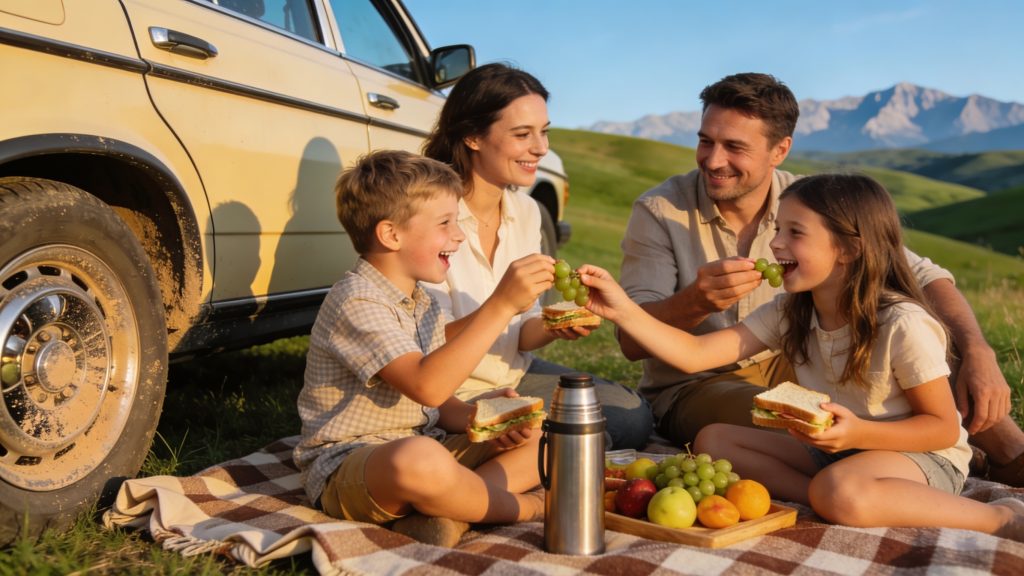
A family road trip with children does not have to cost a fortune. By planning strategically, saving fuel smartly and making conscious choices along the way, you can keep your budget under control. The biggest savings lie in an efficient route, affordable overnight stays and bringing your own food and entertainment. Discover how to make your next family trip financially more comfortable.
Choose a route that saves fuel and tolls
The route you choose has a direct impact on what you spend on fuel and tolls. A slightly longer route without toll roads can turn out cheaper than the fastest option. Also try to drive as steadily as possible. Gentle acceleration, a consistent speed and anticipating traffic all help to keep fuel consumption low.
Compare different routes in advance for travel time and costs. Some countries charge high tolls on motorways, while alternative routes cost considerably less. On a family road trip with children, it is sensible to schedule enough breaks along the way, but choose rest areas where you are not immediately tempted to spend money.
Ideally, set off outside peak times, such as early in the morning or later in the day. Fewer traffic jams mean less stopping and starting and lower fuel consumption. It also reduces stress and the risk of unplanned overnight stays. That way you keep more control over your spending.
‘ In some countries or regions, fuel is considerably cheaper. ’
Refuel in the right places
Where you fill up makes more difference than you might think. Avoid service stations directly on motorways, as they often charge a hefty premium. Instead, take an exit and look for a petrol station close to the motorway. Use an app or route planner to find cheaper places to refuel.
If your route passes through several countries, plan your refuelling stops strategically. In some countries or regions, fuel is considerably cheaper. Fill the tank completely before you enter an expensive country and wait to refuel again until you are back in a cheaper area.
Overnight stays do not have to be expensive
Accommodation is often a major expense during a road trip. Yet there are plenty of affordable options, provided you book early and stay flexible. Family rooms, simple hotels and apartments with a kitchen offer great value for money. They are also often more comfortable for families than separate rooms.
Also consider campsites or holiday parks. For children, a campsite is often an attraction in its own right, and you save a lot on overnight costs. An apartment or bungalow gives you the option to cook for yourself, which is much cheaper than eating out every day.
Look as well at accommodation just outside popular locations. These are often much cheaper and the extra travel time is usually not too bad. Do book in good time, as affordable family places are quickly fully booked. Booking early also gives you more choice in terms of location and room types.
Save big on food and drink on the road
Buying food on the road at service stations or motorway restaurants can easily cost you twice what you would pay at home. Pack your own sandwiches, fruit, crackers, nuts and drinks in advance. Only stop for toilet breaks or a short rest and avoid impulse purchases.
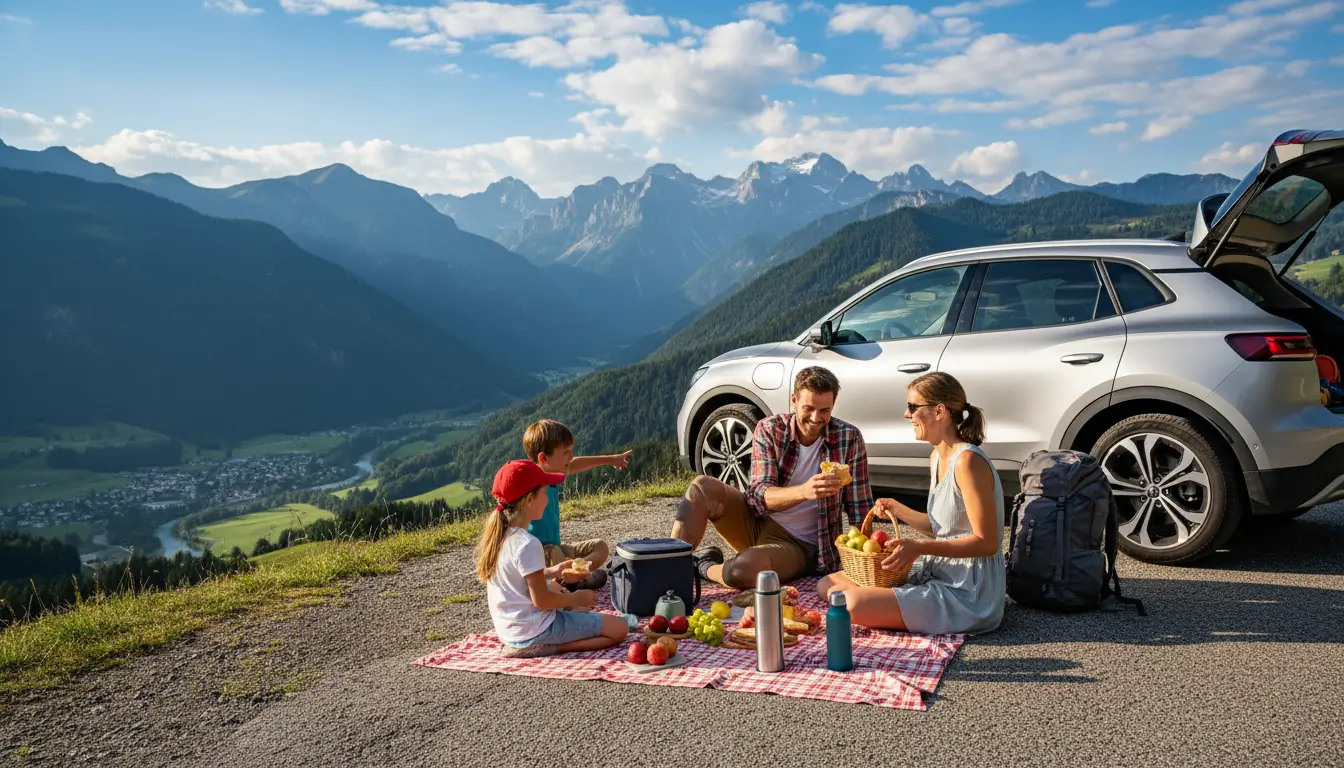
Plan set mealtimes into your journey. If children have to wait too long, you are more likely to buy expensive snack foods. By planning clear breaks in advance, you keep better control of the budget. A picnic at a rest area is often cheaper and more enjoyable than grabbing something quickly at a roadside restaurant.
Take a cool bag with you to keep yoghurt, cheese, wraps and drinks fresh for longer. This is especially useful on long journeys with several children. It means you need to buy fewer things along the way and you reduce waste.
‘ The more free entertainment you use, the less you need to buy along the way. ’
Entertainment on the road for little money
Keeping children entertained in the car does not have to mean buying expensive things. Pack simple, reusable activities in advance, such as colouring books, small puzzles and games. For young children these often work better than pricey toys. Alternate activities to prevent boredom.
Download films, audiobooks and podcasts in advance using wifi. Offline use avoids data charges on the road and gives you a back-up for moments when things are not going smoothly. Combine screen time with non-digital games to keep a healthy balance.
Also play car games such as number plate bingo, colour spotting or simple counting games. They cost nothing and make the journey part of the holiday experience for children. The more free entertainment you use, the less you need to buy as you go.
Pack smart to avoid extra costs
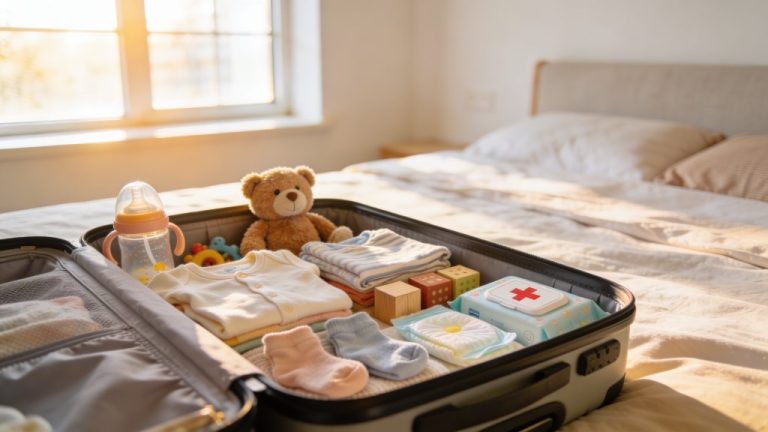
Overpacking sometimes leads to unnecessary costs. Hiring a larger car or taking more luggage increases your fuel consumption. Make a family-specific packing list including clothing, documents, medication, snacks and toys. Also take along items that would be expensive to buy at your destination, such as sun cream, raincoats or child car seats.
Check the car thoroughly beforehand. Check tyre pressure, oil, coolant, windscreen wipers and lights. A well-maintained car uses less fuel and helps you avoid costly breakdowns en route. An unexpected repair almost always costs more than a preventive check-up.
Take basic tools and emergency items with you, such as a warning triangle, high-visibility vests, jump leads and a power bank. This is especially sensible on long journeys or holidays abroad. That way you can prevent minor problems before they turn into expensive situations.
Choose a destination with free activities
The destination you choose has a big impact on your total costs. Go for a place with lots of free or cheap activities, such as beaches, nature reserves, city parks and playgrounds. The more free entertainment there is on the spot, the less you spend on attractions and paid outings.
Avoid holidays where everything has to be paid for. Theme parks, expensive day trips and lots of excursions quickly push up the costs. Aim instead for a balance: a few paid highlights and plenty of free alternatives. That keeps the holiday relaxed and affordable.
Also consider shorter distances. A destination closer to home saves fuel, tolls and possibly overnight stays. For young children, less travel time is often more pleasant too. Nearby can be surprisingly appealing, both financially and in terms of comfort.
‘ A simple budget breakdown makes it easier to stay in control. ’
Fixed routines and smart preparation
Families who stick to fixed stopping times often experience less stress and spend less money on unplanned expenses. A clear plan prevents you from having to arrange expensive food or accommodation at the last minute. Children also know what to expect, which reduces the need for emergency solutions.
Take small surprises for the journey, such as a new colouring book or an inexpensive game. This often works better than repeatedly buying something in a roadside shop. Spread these surprises out over the trip to keep morale high.
Set a daily budget in advance for food, tolls, parking and small purchases. This way you see more quickly where costs are rising and make more conscious choices. A simple budget breakdown makes it easier to stay in control.
Practical money-saving tips before you leave
Before you set off, there are several things you can check to limit costs on the road. Go through this checklist to make sure you have not overlooked anything:
- Compare routes for costs and travel time
- Check tolls and environmental rules in the countries along your route
- Have the car checked at a garage
- Pack snacks, drinks and entertainment in advance
- Download offline entertainment such as films and audiobooks
- Book overnight stays in advance for more choice and better prices
- Set a realistic daily budget
- Take emergency supplies, documents and first aid materials with you
These steps cost little time but provide a lot of convenience and peace of mind on the road. Setting off well prepared prevents stress and unnecessary expenses.
Extra tips for keeping costs down
There are even more ways to keep your family road trip affordable. Travel with your own child seats instead of hiring them on the spot. Take reusable water bottles so you need to buy fewer drinks along the way. Use free rest areas for toilet breaks, picnics and stretching your legs.
Do not plan too many stops, because every detour costs time, fuel and often extra purchases. Choose a car with enough space so everyone travels comfortably. Stress and clutter often lead to extra spending on the road.
Book family accommodation instead of several separate rooms. Campsites, apartments and bungalows are often cheaper for families and provide more space. That way you feel at home more quickly and are less inclined to go out looking for activities.
‘ With smart choices in route, accommodation, food and entertainment you keep the trip affordable without sacrificing fun. ’
Discover more tips on Traveler Tips
A family road trip requires good planning, but the effort is worth it. With smart choices in route, accommodation, food and entertainment you can keep the journey affordable without sacrificing enjoyment. On the Traveler Tips website you will find lots more useful information about routes, destinations, preparation and regulations. Discover which tips and tools are available to make your next family trip just as comfortable as it is cost-effective.
Frequently asked questions
Plan a relaxed route with as few traffic jams as possible and drive at a steady speed with the correct tyre pressure; that reduces consumption without making the journey less comfortable. Refuel away from the motorway at cheaper stations and use an app to plan economical fuel stops. Take plenty of snacks, drinks and (digital) entertainment so you are not dependent on expensive roadside restaurants or impulse buys at service stations. Choose a final destination or stopovers with lots of free or inexpensive activities so that the experience remains rich while fuel and additional costs stay low.
Use comparison sites and filters (e.g. family rooms, kitchen, parking) and look at apartments, campsites and bungalows as well as hotels. Search just outside popular cities or tourist hotspots; prices there are often much lower while still within easy reach. Combine early-booking discounts with flexible cancellation so you can switch later if you find a better deal. Read reviews specifically from families to check whether the place is genuinely child-friendly (playground, quiet location, family rooms).
Take reusable water bottles, a well-stocked cool bag and home-made snacks and sandwiches so you need to buy less at service stations or at your destination. Choose accommodation with a kitchen or kitchenette where possible so you can prepare (some of) your meals yourself instead of eating out every time. Do larger shops in a local supermarket rather than in tourist shops or motorway locations. Plan fixed meal and snack times so you are less likely to make expensive impulse purchases and can better control the quality of what you eat.
First set a total budget together and choose activities with a high “experience value per pound”, such as nature walks with a treasure hunt, days at the beach or in the park, and free events. Involve the children in choosing and preparing (for example putting together their own picnic or planning a photo treasure hunt) so that the anticipation already becomes part of the experience. Combine one or two paid highlights (zoo, theme park, museum) with mainly free or low-cost outings so the overall trip stays affordable. Capture memories with photos, a travel diary or a craft moment afterwards so the experience feels extra special and long-lasting.