NL
NL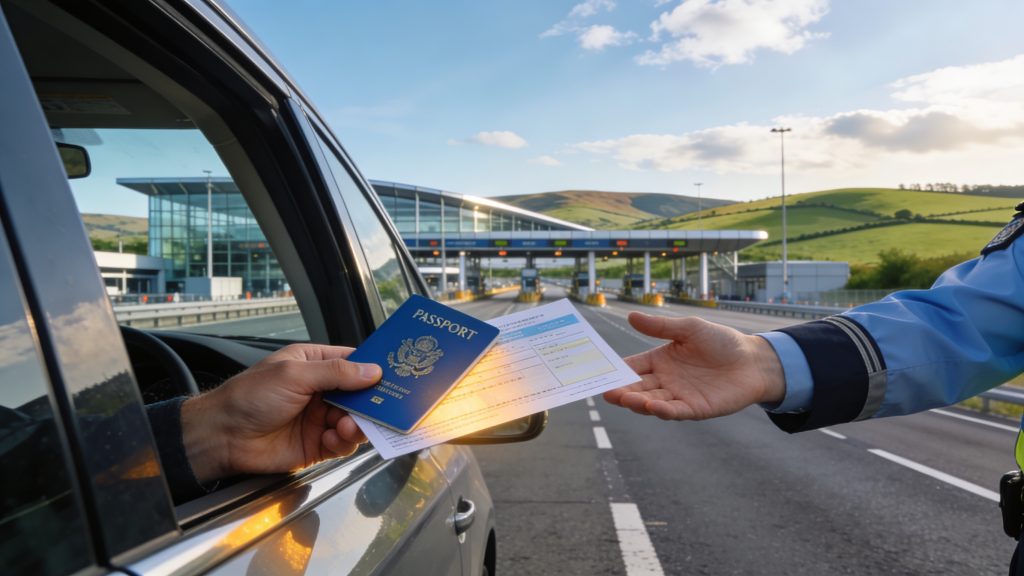
Since Brexit, travelling to the United Kingdom by car or ferry has changed significantly: digital border checks with fingerprints and passport photos, new customs declarations and stricter rules on food and animals are now a reality. What does this mean for your road trip and how can you prepare properly?
The Entry Exit System governs your entry into the EU
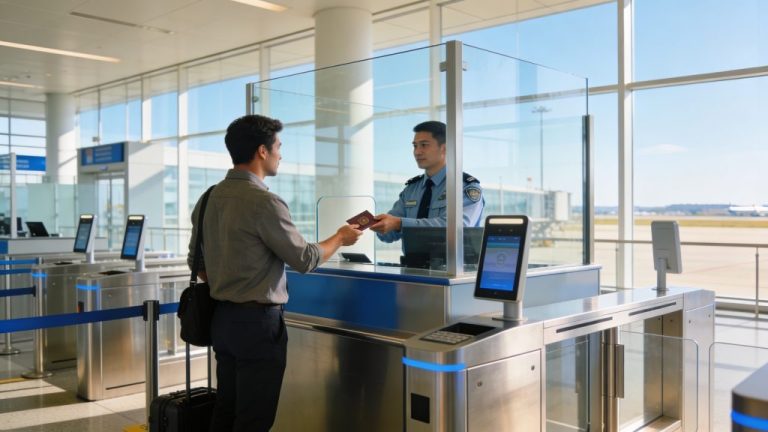
The Entry Exit System (EES) is the new digital border control system of the European Union. It registers all non-EU citizens, including Britons, when they enter the Schengen area. The system replaces the old passport stamps with a digital registration that includes fingerprints and a facial image.
For travellers from EU countries returning from the United Kingdom, this system has no direct impact. You pass through customs control on your return as usual. However, you are subject to other regulations on what you are allowed to bring back, such as food and products of animal origin. Read more about border crossings, customs and travel formalities so you can set off well prepared.
‘ The introduction of checks for cars has therefore initially been postponed to prevent long queues. ’
Longer waiting times at major crossing points
The new checks affect traffic flow at popular crossing points such as Dover and the Channel Tunnel. Processing a car used to take about 60 seconds. Experts expect that EES checks will take up to six times longer. Official sources estimate 1 to 2 minutes per person, but at peak times this can lead to considerable queues.
At Dover, travellers are directed to a special processing area where the checks take place. In some cases, passengers have to leave their vehicle to register at electronic kiosks. The Port of Dover and the Channel Tunnel have taken measures to minimise disruption. The introduction of checks for cars has therefore initially been postponed in order to prevent long queues.
What you must declare when returning from England
When returning from the United Kingdom to an EU country, adjusted customs rules apply. You must declare purchases that exceed your personal allowance. For products bought in the UK there is often an allowance, depending on EU regulations and the country where you enter.
Pay particular attention to the following points:
- Food of animal origin (meat, dairy, eggs) can in most cases no longer be brought from the UK into the EU
- Alcohol and tobacco have specific maximum quantities for personal use
- Purchases above the allowance may be subject to import duties and VAT
- Keep receipts and invoices to prove your purchases
Always check the latest customs rules for both the United Kingdom and your home country before you travel. These rules may differ from country to country.
Food rules and products of animal origin
One of the most far-reaching changes after Brexit concerns taking food with you. The United Kingdom is no longer part of the European single market, which means stricter rules apply for products of animal origin.
If you are travelling from the EU to the UK, you may take certain quantities of meat, dairy and other products for personal use. On your return from the UK to the EU the rules are stricter. In most cases you are not allowed to bring products of animal origin, unless they meet specific conditions and are accompanied by the correct health certificates.
The following are usually allowed:
- Baby food and special medical food in small quantities
- Honey products up to a maximum of 2 kilograms
- Fish and fish products up to 20 kilograms or the weight of one fish
- Shellfish for personal use in limited quantities
‘ Children listed in a parent’s passport can no longer travel to the UK on the basis of that entry. ’
Identification and travel documents for train and car
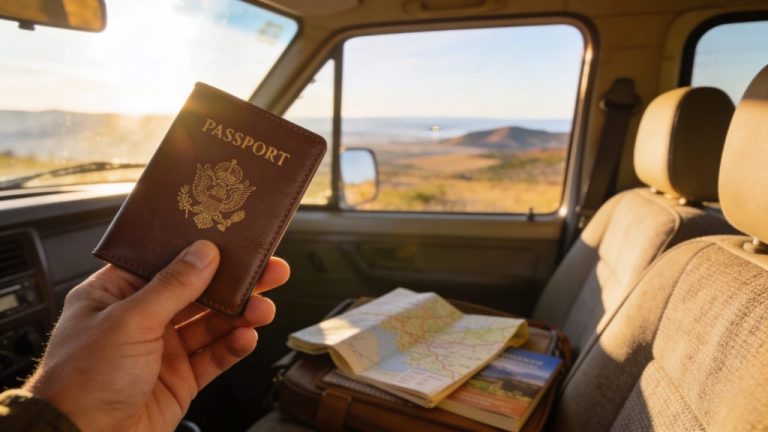
To travel to the United Kingdom you need a valid passport. An identity card is no longer sufficient since Brexit, with the exception of certain border crossings in Northern Ireland. Check that your passport is valid for at least six months from your planned return date.
The same rule applies to children: their own passport is compulsory. Children listed in a parent’s passport can no longer travel to the UK on the basis of that entry. Make sure all family members have a valid travel document in good time.
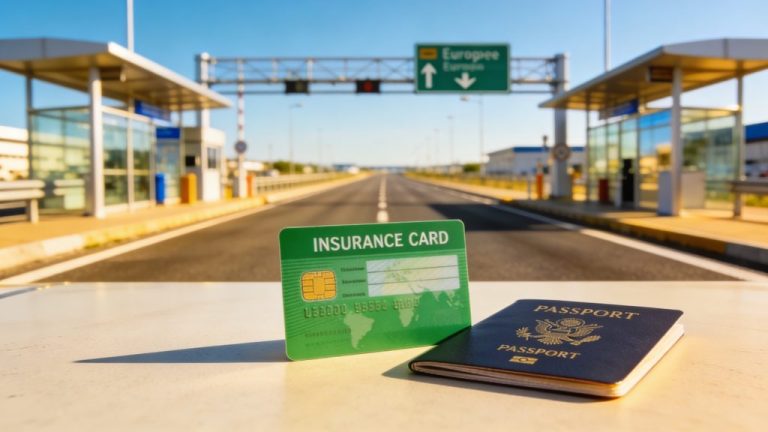
If you are travelling by car via ferry or the Channel Tunnel, you must also carry your driving licence and vehicle registration certificate. A green card for your insurance is not compulsory, but can be useful to prove your cover in the event of an incident. Contact your car insurer to check whether your policy provides cover in the UK.
Future developments: ETIAS and additional systems
The United Kingdom is working on the introduction of its own electronic travel authorisation system, similar to the European ETIAS. This system is expected to come into force from 2025 or 2026 for travellers from the EU who wish to visit the UK.
As with ETIAS, this is not a visa, but a prior authorisation that you apply for online. The procedure is expected to consist of filling in a form with personal details, travel information and background questions. Once approved, you will receive a digital travel authorisation that remains valid for several years.
The exact date of introduction and the details of this system have not yet been definitively established. Keep an eye on official channels such as GOV.UK for updates and concrete information about the application process and costs.
Adjusting healthcare and insurance to the new situation
The European Health Insurance Card (EHIC) is no longer valid in the EU for many British travellers. For travellers from EU countries going to the UK, there is a similar restriction. The Global Health Insurance Card (GHIC) has in some cases replaced the EHIC for Britons, but cover is limited.
For you as an EU traveller this means you must carefully check whether your travel insurance provides adequate cover for medical expenses in the United Kingdom. Hospital admissions and treatments can be significantly more expensive without the previous EU arrangements.
Always take out travel insurance with sufficient medical cover before you leave for the UK. Check whether your insurance covers:
- Medical treatment and hospital admissions
- Medicines and medical aids
- Repatriation in case of serious illness or death
- Cancellation and assistance in the event of travel incidents
‘ The United Kingdom is no longer part of this. ’
Preparing mobile communication and roaming costs
Before Brexit, there was a roaming-free zone in the EU, which meant you could make calls, send texts and use mobile data in other EU countries at no extra cost. The United Kingdom is no longer part of this. Several British providers have reintroduced roaming charges for use in the EU.
For you as an EU traveller to the UK, your provider may also charge extra for use in the United Kingdom. Some providers still offer roaming-free use, but this is not guaranteed. Contact your provider in advance to check which tariffs apply and whether you need to add a special bundle.
Alternatives include buying a local prepaid SIM card on arrival in the UK or using Wi‑Fi networks for internet access. This helps avoid unpleasant surprises on your phone bill.
Practical preparation for your road trip
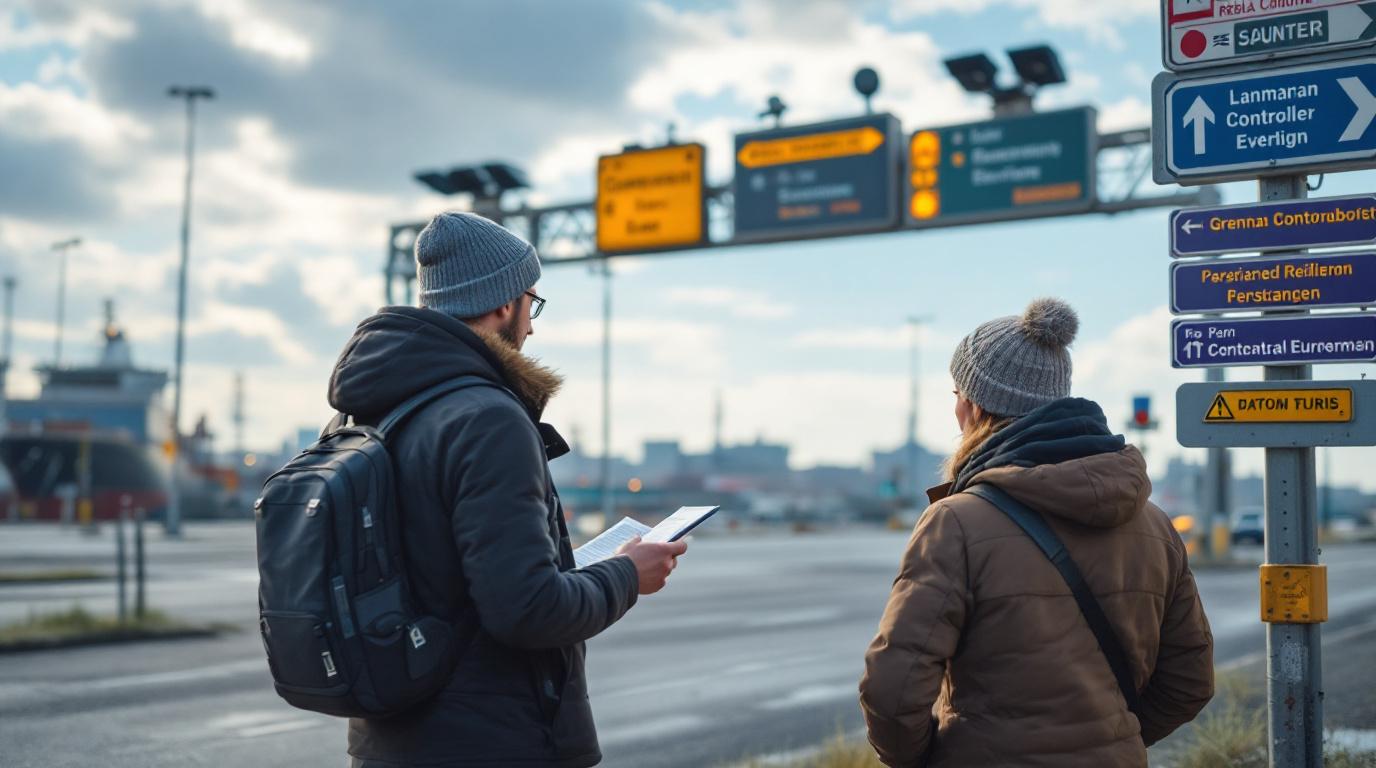
Good preparation saves you time and surprises at the border. Start well before departure by checking documents and regulations. Allow extra travel time for border checks, especially during holidays and at weekends when it is busier.
Make sure you arrange the following:
- Check the validity of passports for all travellers
- Take your driving licence and vehicle registration certificate with you
- Check your car insurance for cover in the UK
- Take out travel insurance with medical cover
- Ask your provider about roaming charges
- Read up on customs rules and food restrictions
- Keep receipts for purchases in case of a customs check
Also take seasonal factors into account. During the summer holidays and around public holidays, crossing points such as Dover are particularly busy. Consider travelling outside peak hours or choosing a less popular time to avoid longer waiting times.
Up-to-date information remains essential
The rules surrounding Brexit and border checks are still evolving. Systems such as EES and future travel authorisations are gradually taking their final shape. Dates and procedures may change, which affects how you prepare for your journey.
Always consult up-to-date sources such as the website of the Dutch government, GOV.UK and the official sites of ferry operators and the Channel Tunnel. They offer the most recent information on procedures, waiting times and any changes in regulations.
On the Traveler Tips website you will find plenty more useful information on border crossings, document requirements, route planning and practical tips for your road trip. Discover how to make your journey smarter and more pleasant with reliable information about travelling through Europe and beyond.
Frequently asked questions
For travel documents you need a valid passport for all passengers (an ID card is no longer sufficient) and registration in the EU Entry/Exit System (fingerprints and photo) is expected at the border. For car documents you need the vehicle registration certificate, valid car insurance that covers the UK (green card or explicit UK cover) and a valid driving licence. Depending on your insurer or number plate type, a “UK” country sticker may also be required on the car. Shortly before departure, check the latest requirements with your ferry company and on official government websites, as rules may change.
Allow for an average of 1–2 minutes of additional border control per person, which can quickly add up to around 5–10 extra minutes of travel time per car. At busy times (holidays, weekends) waiting times at the ferry terminal can, however, rise to tens of minutes or longer due to congestion. Therefore, plan at least 30–60 minutes of extra waiting time on top of the regular check-in time recommended by your ferry company.
After Brexit, stricter customs rules and border checks have been introduced for travel to and from the UK, including the Entry Exit System (EES) on the EU side. This system registers non‑EU travellers digitally with, among other things, fingerprints and a photo, which can lead to longer waiting times when travelling by car/ferry. For personal belongings, food and drink, EU third‑country rules now apply, which means some products (such as certain animal products) may be restricted or prohibited. Always check the latest regulations shortly before departure on official sites such as GOV.UK and the EU customs pages.
Plan extra time for border checks and avoid peak periods such as school holidays and weekends. Make sure all travel and vehicle documents (passports, booking confirmations, any customs forms) are checked in advance and readily to hand. Follow the instructions of the ferry operator and port staff carefully and drive to the designated EES/control area in good time. Shortly before departure, check the latest information from your ferry company and official government websites so you can adjust your departure time or route if necessary.
No new, specific customs duties or charges have been introduced for car travellers purely as a result of the Brexit customs procedures themselves; the extra “costs” mostly take the form of lost time due to longer border checks. However, indirect costs can arise, such as higher prices for certain imported goods, possible roaming charges and the need for more comprehensive insurance.