NL
NL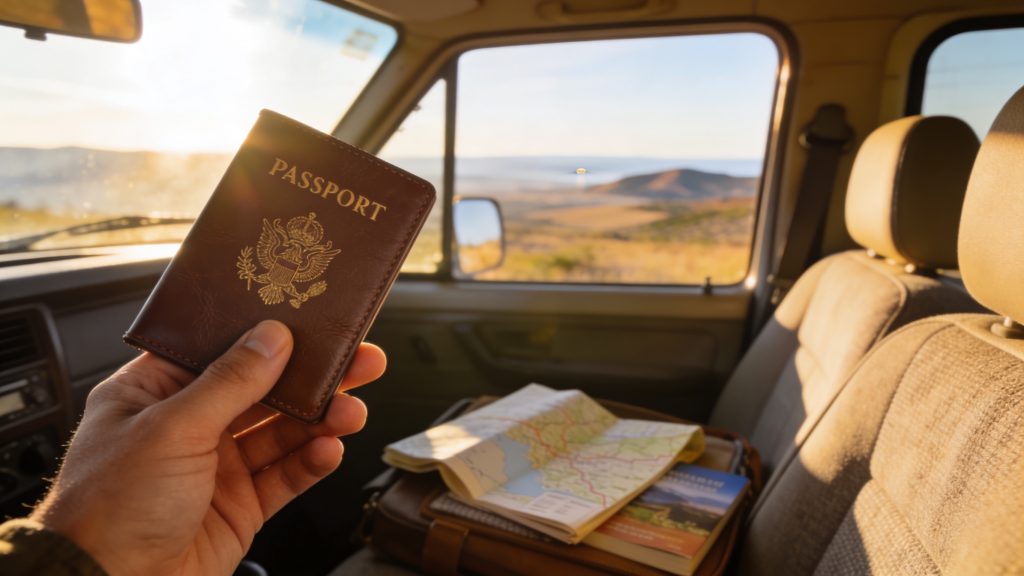
The alcohol limit that keeps you just within the law in the Netherlands can land you in trouble as soon as you reach the German or French border. Drink‑driving rules and alcohol limits differ from country to country. At border crossings or during checks abroad you may face stricter rules, higher fines and even a driving ban. This article helps you prepare for what to expect at border checks and how to travel safely.
Alcohol limits vary widely between countries
In most European countries a standard limit of 0.5‰ applies to experienced drivers. But that limit is no guarantee. For novice drivers, young motorists and professional drivers the threshold is often lower. That limit is sometimes 0.2‰ or a zero‑tolerance rule. Even within one and the same country you may therefore fall under different rules.
What this means for travellers: a glass of wine with dinner can be enough to take you over the limit. You may be light in weight, have eaten little or be tired. In that case you reach the limit even more quickly. Alcohol also remains in your system the next morning. At a check this will result in a positive breathalyser test.
In some countries enforcement is stricter. France, Germany and Spain regularly carry out checks in border regions, around campsites and on motorways. Unsure about your blood alcohol level? Then the safest choice is simple: don’t drive.
How border checks work in practice
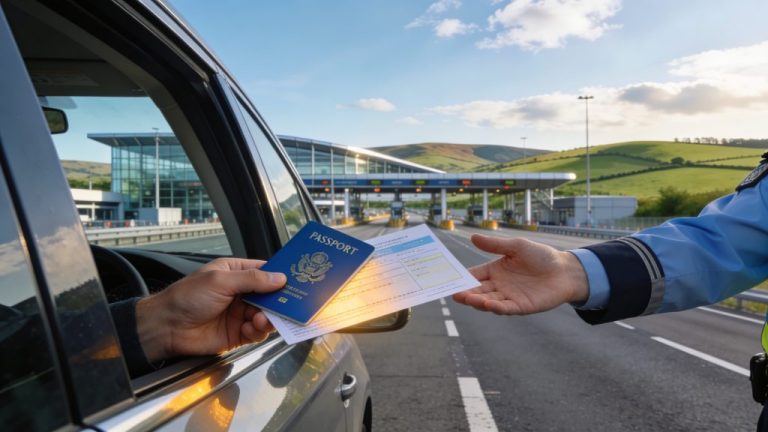
Border crossings within Europe are often no longer physically visible. Checks still take place. Police and customs carry out random checks on motorways, car parks and at toll gates. This happens regularly. During a check, officers do not just look at your passport or travel documents. Many travellers are unaware of this. Your driving behaviour, smell of alcohol and speech can all be reasons to carry out a breath test. The police spot these signs and ask you to blow into the device.
You are travelling to another destination and passing through several countries. It is important to take into account the strictest limit on your route. For example: you drive from the Netherlands through Germany to Austria. Three different sets of rules apply. You can find more information on what you need to arrange for border crossings, customs and travel formalities in our practical guide.
In the event of a road accident, alcohol tests are carried out in almost all cases. This applies even if you did not cause the accident. A positive test leads to higher losses, problems with your insurance and possibly criminal consequences.
Where travellers are often checked
Experiences of motorists and motorhome travellers show that checks mainly take place in the following situations:
- Immediately after border crossings or on access roads into a country
- Near campsites, especially in holiday areas
- On coastal roads, mountain roads and tourist routes
- Around public holidays and weekends
- Near nightlife areas and events
Consequences of a positive alcohol test
A positive breathalyser test often has more consequences than just a fine. The consequences depend on the country and your blood alcohol level. The following often happens:
- An on‑the‑spot fine, sometimes running into hundreds of euros
- Confiscation of your driving licence or vehicle keys
- A temporary driving ban in the country concerned
- Mandatory participation in a course or educational programme
- Criminal prosecution in the case of a high blood alcohol level or repeat offending
- Problems with your car insurance after an accident
In some countries you will only get your car back after paying a sizeable security deposit. Sometimes you must complete a mandatory sobering‑up period. That can seriously disrupt your holiday.
Carrying alcohol is not the same as drinking and driving
Many travellers associate border checks mainly with customs quotas for alcohol. How many bottles of wine are you allowed to take with you? How much beer is permitted? That question is about importing goods, not about your fitness to drive.
You are often allowed to transport alcohol in your car or motorhome. That says nothing about whether you are still allowed to drive. During a check the police look at your behaviour. They do not look at the contents of your boot. A bottle of wine in the back does not mean you have been drinking. But the smell of alcohol in the cab or unusual driving behaviour does.
Customs quotas for alcoholic drinks
Within the European Union there are indicative quantities for personal use. For beer this is often around 110 litres, for wine 90 litres. If you transport large quantities, customs will ask questions about commercial use. Outside the EU, stricter limits apply, often just a few litres per person.
Note: these quotas say nothing about how much you are allowed to drink. They only relate to what you may bring into a country. Driving after drinking alcohol remains prohibited.
Tips for a safe road trip without alcohol risks
The best way to avoid problems is simple. Do you still have to drive? Then don’t drink. That may sound strict. But it will prevent fines, legal problems and danger on the road. Below you will find practical tips for a safe journey.
Plan a sober driver
Agree in advance who will be driving. That person does not drink any alcohol that day. Alternate this on multi‑day road trips. That way, everyone can enjoy a drink from time to time without worries.
Only drink after the last drive of the day
Your motorhome or car is parked at the campsite or hotel. Then you know for sure that you no longer need to drive. That is the moment when you can drink safely.
Allow for the next morning
Alcohol stays in your body for longer. After an evening with several drinks you may still be over the limit the next morning. Allow at least one hour per unit of alcohol for your body to break it down. This differs from person to person.
Check the rules for every country on your route
Look at your final destination. Also check the countries you drive through. Note down the limits and any special rules:
- Young or novice drivers
- Professional drivers or drivers of heavy vehicles
- Moped riders, scooter riders and in some countries also cyclists
- Specific regions or islands with stricter enforcement
Common mistakes travellers make
Many travellers underestimate the risks of drinking alcohol during a road trip. These are the most common misconceptions.
I feel fine, so I must be under the limit
How you feel says nothing about your blood alcohol level. You may feel alert and clear‑headed yet still be well above the legal limit. Only a breathalyser or blood test can give certainty.
One drink can’t hurt
In countries with a low limit or a zero‑tolerance rule, a single drink is already too much. This is especially true if you are light in weight or have eaten little.
Checks only happen at the border
Police also carry out checks well inside national borders. Checks are common in tourist areas, around campsites and at motorway service areas.
If my motorhome is parked, I’m allowed to drink
That is correct. This only applies if you are sure that you will not have to drive again. Some travellers drink at the campsite and later decide to quickly drive to the supermarket or into the village. That is where things go wrong.
What to do if you are stopped
You are pulled over for an alcohol check. Stay calm and cooperate. Refusing a breathalyser test leads to harsher penalties in many countries. This may be more serious than a positive test. Don’t speak the local language? Ask for an explanation in English. Write down the details of the officer carrying out the check and any fines issued.
You have been drinking and are being tested. Be honest. Lying does not help. It will only make matters worse. Ask about the procedure and your rights in the country concerned.
‘ Good preparation makes all the difference. ’
Discover more about safe and smart travel
Alcohol rules and border checks are only one part of a well‑prepared trip. On the Traveler Tips website you will find much more information about routes, travel formalities, preparation and practical tips. This applies to driving holidays and road trips across Europe. Good preparation makes all the difference. Consult our guides and check the regulations for each country on your route.
Frequently asked questions
In most European countries a limit of 0.5‰ applies to experienced drivers, while stricter limits often apply to novice or young drivers and professional drivers, around 0.2‰ or even zero tolerance. Some countries apply a (virtually) zero‑tolerance limit for all drivers. The exact limits and level of enforcement can differ greatly between countries, for example during checks near borders, on public holidays or after an accident. Because you may be subject to different rules at each border, the safest choice is not to drink at all if you still have to drive.
The legal consequences and fines for drink‑driving differ between countries, but may include high financial penalties, a temporary or permanent driving ban and criminal prosecution. In some countries your vehicle can also be (temporarily) seized and you may be required to attend a course or support programme. If you cause an accident while over the limit, the measures are usually more severe and the insurer may partly or entirely refuse to pay out. In addition, a conviction abroad can affect your driving licence and insurance position in your home country.
Random alcohol checks may take place in border regions and just after border crossings, often more frequently around weekends, public holidays and in holiday areas. Before departure, check the alcohol limits of all the countries you will be driving through and assume the strictest standard. Make sure there is always one completely sober driver and only drink once you are definitively finished driving. Keep in mind that checks can also take place in the morning and that alcohol may still be present in your system then.
Yes, some countries apply a (near) zero‑tolerance policy for alcohol at the wheel. In those countries there is a zero‑tolerance rule or a very low limit, meaning that even a small amount of alcohol can already count as an offence.
Appoint a designated sober driver for each day and agree that this person will not drink any alcohol at all as long as there is still driving to be done. Before departure, check the alcohol limits of all countries (including transit countries) and stick to the strictest rule you encounter. Only drink alcohol once the day’s driving stage is completely over and bear in mind residual alcohol the next morning. If necessary, keep the car keys separately so that no one can decide on impulse to drive after drinking.