 NL
NL
The Flanders Route is a circular long-distance cycle tour of around 950 to 970 kilometres that runs entirely through Flanders. This route combines the best sections of all eight Flemish iconic cycle routes (long themed cycle routes in Flanders) and takes you along the coast, the River Scheldt, the Kempen and the Ardennes. The entire route is fully signposted in both directions and offers a unique experience for anyone wanting to take a complete cycling holiday through Belgium. Discover why this route is perfect for your next cycling trip.
What makes the Flanders Route unique
The Flanders Route replaced the former Flanders Cycle Route in 2021. The route is part of a new themed cycling experience programme set up by the Flemish provinces. What makes this route special is the variety: you cycle through all five Flemish provinces and, in a single holiday, experience coastal towns, historic art cities and rolling landscapes.
For anyone planning a cycling holiday where you want to ride right through the nature and culture of a region, this route offers everything you are looking for. The route takes you past iconic cities such as Bruges, Ghent, Antwerp and Leuven, but also through historic towns like Tongeren, Ypres and Diksmuide.
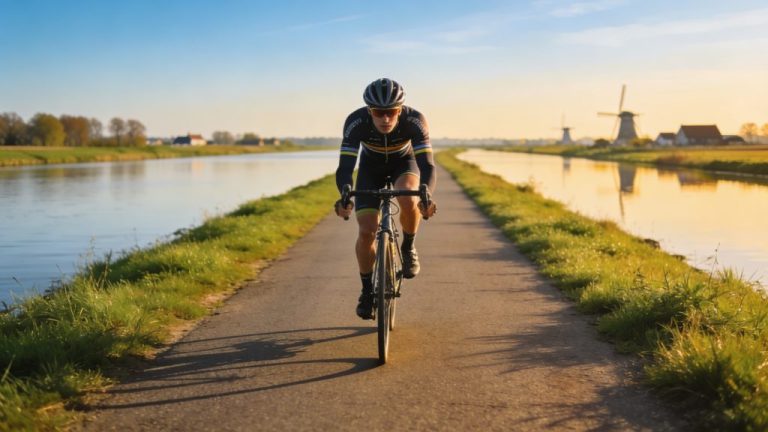
A large part of the route consists of traffic-free paths along rivers, canals and former railway lines. This makes the route accessible to various types of cyclists. Both families with children and experienced cyclists can complete the route.
How the route is structured
The total distance is between 950 and 1,000 kilometres. Over this distance you climb around 4,640 metres in total. The route is not extremely demanding, but it does require a reasonable level of fitness and good preparation.
The Flanders Route is made up of sections of other specialised iconic routes (long themed cycle routes in Flanders). This ensures maximum variety in landscape and atmosphere:
- Coastal areas with wide views and sea air
- Sections along the River Scheldt
- The Kempen with heathland and forests
- Rolling fields and orchards
- Historic art cities with impressive architecture
The route is fully signposted in two directions. You can decide for yourself where you start and in which direction you ride. The signs are placed beneath the boards of the cycle network, which makes navigation easy.
How much time do you need
You need at least 15 days for the full route. This works out at an average of 60 to 65 kilometres per day. Pure riding time is around 60 hours, without breaks or visits to sights.
It is sensible to plan in extra days. That way, you can visit castles, enjoy local coffee on central squares and soak up the culture without time pressure. For those who want to cycle the route at a more relaxed pace, 18 to 20 days is more realistic.
You can also split the route into sections. This is interesting if you have less time or want to combine different holidays. Because the route is a loop, you can join it at any point and follow the same signposting.
Which towns and villages do you pass through
The Flanders Route passes through a wide range of towns and villages. Each province adds its own character to your cycle tour.
West Flanders and the coast
You cycle through Nieuwpoort and Ostend, two important coastal towns. Here you can smell the sea air and experience typical coastal life. Ypres and Diksmuide are also on the route, towns that are closely associated with the First World War.
East Flanders and the Scheldt
The route takes you through Bruges and Damme, two iconic places with medieval architecture. Ghent is a cultural highlight with its lively centre. Geraardsbergen and Ronse are also part of this stage, with their rolling surroundings.
Antwerp and Limburg
Antwerp combines harbour atmosphere with a historic city centre. In Limburg you cycle through Tongeren and Sint-Truiden, both rich in heritage and surrounded by fruit orchards. The Kempen here offers peace and natural surroundings.
Flemish Brabant
Leuven is an important point on the route, with its university vibe and historic façades. The Park Abbey is also in this region, a religious site with impressive architecture.
‘ You don’t need a specialised mountain bike. ’
Road quality and signposting
The roads are mostly quiet and safe. Cycle paths are well maintained and relatively flat. This makes the route accessible for different types of bikes, from touring bikes to e-bikes. You don’t need a specialised mountain bike.
The signposting is clear and consistent. All iconic cycle routes (long themed cycle routes in Flanders) are signposted in two directions. This gives you maximum flexibility during your trip. Along the way you can decide to deviate or take a detour without losing your way.
Because the route mainly follows existing cycle paths, you do not constantly have to ride on busy roads. This significantly increases both safety and cycling comfort.
Practical preparation for the route
Good preparation makes the difference between a rewarding trip and an uncomfortable experience. Pay attention to the following points:
Physical condition
Build up your fitness with training rides. Start with 40 to 50 kilometres a day and increase this gradually. It is important that your body gets used to longer distances.
Bike and equipment
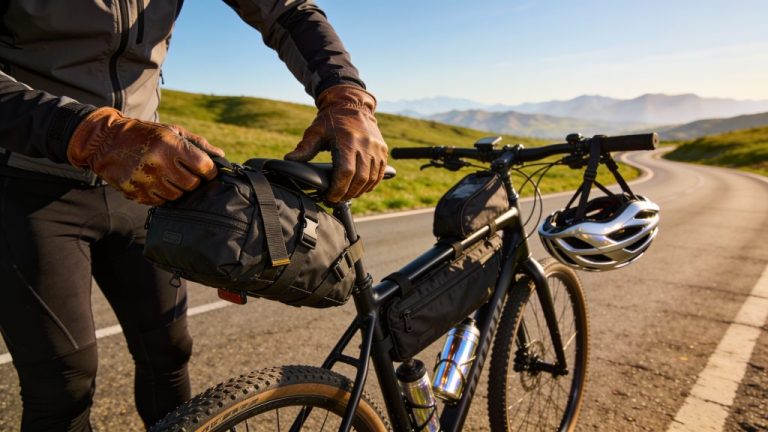
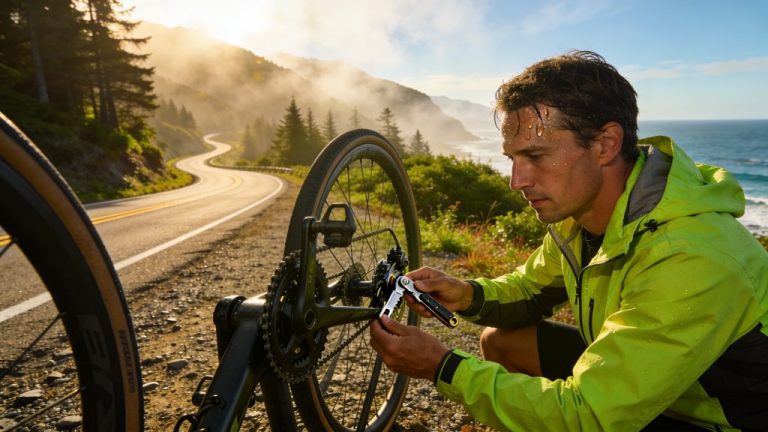
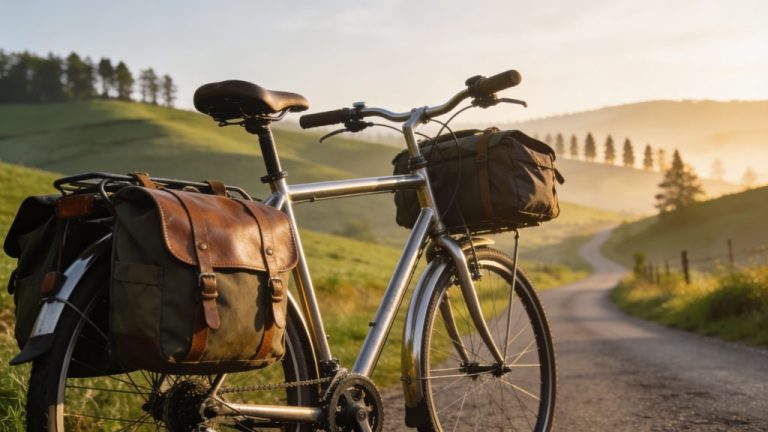
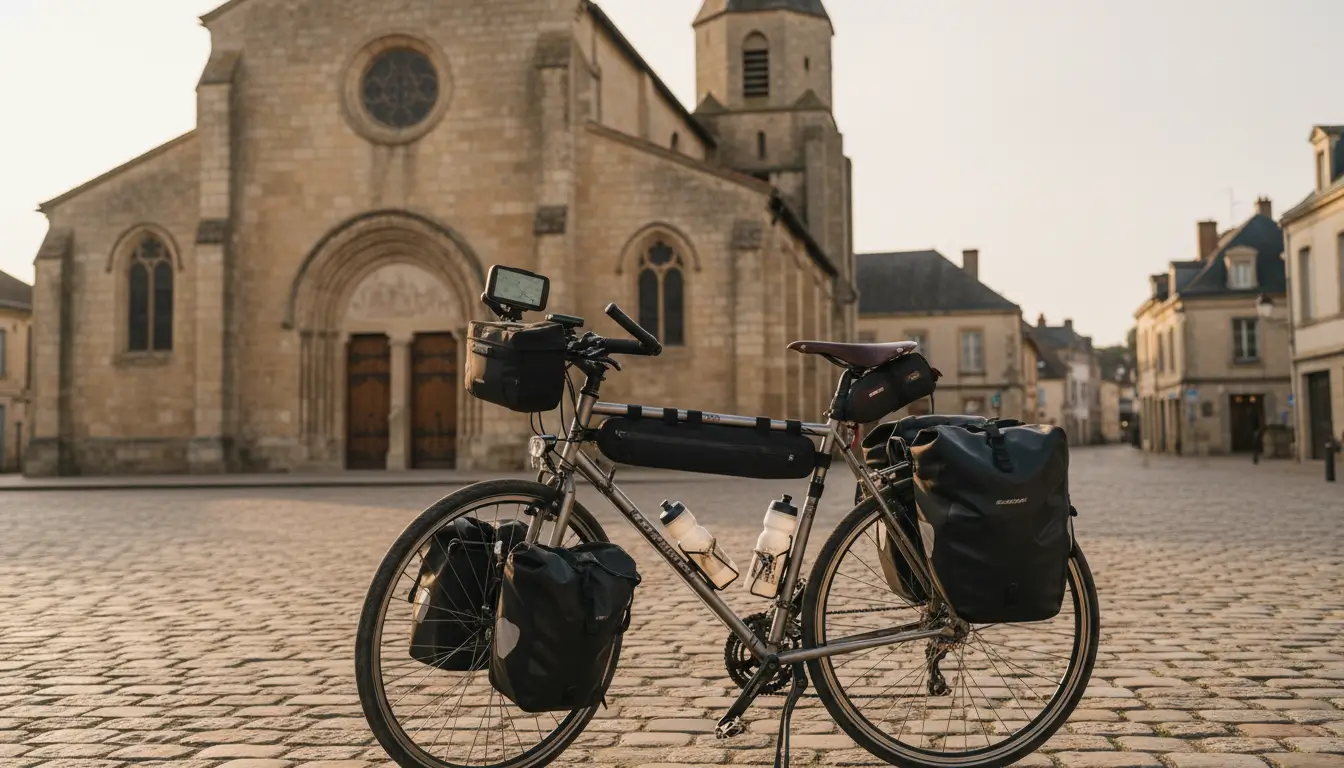
Make sure you have a well-maintained bike with enough gears. Check tyres, brakes and chain before departure. Take spare parts with you such as an inner tube, tyre levers and a bike pump. Waterproof panniers are essential for your luggage.
Accommodation
Plan your overnight stays in advance, especially in busy seasons such as July and August. Along the route you will find hotels, bed & breakfasts and campsites. Book in good time to avoid disappointment.
Timing and season
The best periods are May to June and September to October. In these months temperatures are pleasant and there are fewer tourists. Summer can be busy in popular cities, which affects the availability of accommodation.
Combining with other iconic routes
The Flanders Route is part of a wider network of Flemish iconic cycle routes (long themed cycle routes in Flanders). If you are interested in specific themes, you can also choose shorter routes:
- Front Route 14–18: 100 kilometres along historic war sites
- Scheldt Route: 180 kilometres along the River Scheldt, from France to the Netherlands
- Coastal Route: for lovers of sea and beach
- Kempen Route: for nature lovers in Limburg
You can combine selected sections of the Flanders Route with these themed routes for shorter holidays. This gives you the opportunity to focus your cycling around specific interests.
‘ This enriches your cycling holiday and prevents you from just clocking up kilometres. ’
What you can expect along the way
Each stage offers different landscapes and experiences. The coastal areas give you a feeling of space and freedom. The sections along the Scheldt are quieter and lead along waterways with little traffic. In the Kempen you experience forests and heathland, while the rolling fields around Geraardsbergen require more effort but also reward you with beautiful views.
The art cities are highlights where you can experience culture and history. Take time to explore city centres, visit museums or try local dishes. This enriches your cycling holiday and prevents you from just covering distance.
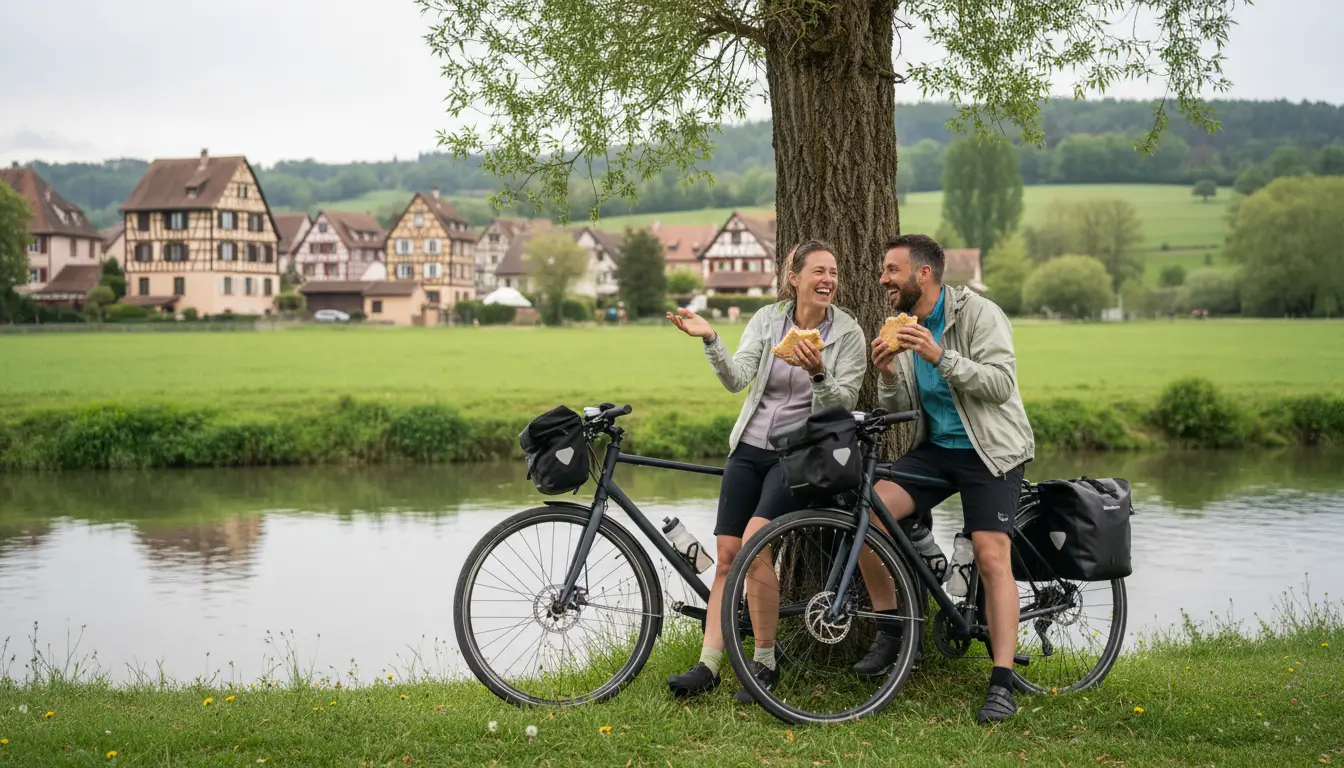
Historic villages offer authenticity and tranquillity. Here you often find local bakeries, cafés and shops where you can take a break and recover from the cycling.
Who this route is suitable for
The Flanders Route is accessible to cyclists with a reasonable fitness level. Experience with multi-day bike trips is helpful but not essential. Families with older children can ride the route at an easy pace, provided they plan in enough breaks and rest days.
For experienced cyclists, the route offers plenty of challenge due to the total distance and variation. You can set your own pace and choose shorter or longer stages.
Cyclists with an interest in culture, history and nature will find an ideal balance on this route. The variety prevents monotony and keeps motivation high throughout the entire trip.
On the Traveler Tips website you will find more inspiration for cycle routes, tips on preparation and information about other long-distance routes in Europe. Discover which route best suits your travel plans and start preparing your next cycling holiday.
Frequently asked questions
Plan the Flanders Route XXL by dividing the loop into stages of 60–80 km per day, allowing at least 15 days for the full 1,000 km so you have some leeway in case of headwinds or mechanical problems. Map out your route in advance using a map or route planner (e.g. Flemish iconic cycle routes) and mark larger towns and villages as “anchors” for sights and cafés and restaurants (Bruges, Ghent, Antwerp, Leuven, Ypres, coastal towns). Book overnight stays at these anchor points (B&Bs, bike-friendly hotels or campsites) and make sure you reach a town with a wider range of accommodation every 2–3 days. Plan extra time on sections with lots of cultural stops (art cities, First World War sites in the Westhoek, abbeys) and choose quieter, flat stretches along canals or former railway lines for the longer “travelling days”.
Some of the lesser-known gems include the quiet towpaths along smaller canals and rivers, where you can often ride for hours with virtually no cars. The old railway lines that have been transformed into green cycle paths also give an unexpected sense of peace and nostalgia. Passing historic villages and abbeys away from the big cities – such as small village squares and rural church paths – offers an authentic glimpse into everyday Flemish life. Together, these hidden sections make the Flanders Route XXL a much richer experience than just the famous art cities and coastal towns.
Train your endurance in advance with multi-day rides of 60–80 km and make sure your bike is in top technical condition (tyres, brakes, lights, spare parts). Plan your stages and accommodation in advance, especially in holiday periods, and download GPS tracks as a back-up alongside the signposting. Pack light but thoughtfully: waterproof and windproof clothing, layers, basic tools, a first-aid kit, power bank and enough capacity for water and snacks. Ideally, choose spring or autumn months with mild temperatures and schedule rest days to visit sights along the route and avoid overexertion.
For the Flanders Route XXL, the (touring/trekking) bike or e-bike is the most suitable, possibly combined with train or car/campervan to travel to and from your start and end points. An electric car or campervan is handy as a support vehicle for luggage and overnight stays, but less practical for following the route itself. When making your choice, consider the range (of bike or vehicle), charging or refuelling options along the route, overnight options and whether your bike(s) can be transported safely and comfortably. Where possible, combine: travel by train or car to a suitable starting point, ride most of the loop by bike, and if necessary shorten or return by train.
You can divide the Flanders Route XXL into themed stages (e.g. coast, art cities, front region, fruit-growing region) and choose only those parts that match your interests. Adjust the total distance and daily distances to your available time: for example, 3–5 days for one region, 7–10 days for half the loop or 15+ days for the full 1,000 km. Opt for lower intensity by cycling 40–60 km a day with extra rest or culture days, or increase the intensity to 80–100 km per day with less sightseeing. Because the loop is fully signposted, you can join it anywhere, choose your own start and end point and even skip sections by using the train.