NL
NL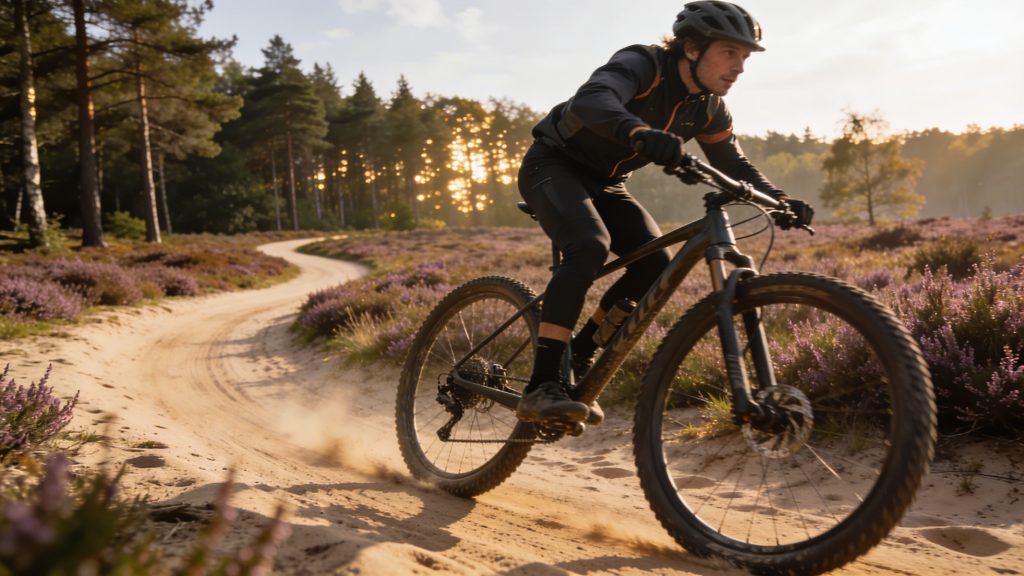
Gravel and mountain bike routes in Dutch nature reserves such as the Brabantse Wouden, the Drents-Friese Wold and the Maasduinen offer unforgettable off-road experiences through forests, hills and dunes. These routes combine enjoyment of nature with sporting challenge, but they do require conscious preparation and strict compliance with access rules. If you plan smartly and choose the right paths, you will discover a whole new way of cycling.
The possibilities for off-road cycling in Dutch nature parks have grown enormously in recent years. From technical MTB routes to shell paths for gravel bikes, each terrain requires its own approach. The difference between a successful ride and a disappointing experience is often in the details: which permit do you need, which routes are accessible for your type of bike and when is the best time to go? Cycling holidays in nature reserves call for specific knowledge that helps you to enjoy Dutch nature comfortably and responsibly.
This article takes you along the best gravel and MTB routes in nature reserves. You will discover practical rules, accessible routes and concrete tips for a well-planned off-road cycling holiday.
Access rules and mandatory permits for nature reserves
In several Dutch nature reserves an MTB permit (a paid access pass for mountain bike routes) is mandatory in order to use the mountain bike trails. This applies to areas managed by Natuurmonumenten, such as Hoge Veluwe National Park Veluwezoom, De Loonse en Drunense Duinen, Bergherbos-Montferland, Voorsterbos-Waterloopbos and Beetsterzwaag. Without a valid permit you risk a fine.
The permit is specifically intended for mountain bikers who use the constructed MTB trails. Gravel bikes are welcome on ordinary cycle paths in these areas, but for official MTB routes you also need a permit with a gravel bike if you want to follow the waymarked MTB trails.
In addition to the permit, general nature rules apply to all cyclists:
- Cycle only on designated paths and routes
- Nature reserves are off-limits between sunset and sunrise to protect wildlife
- Wait at least a week after heavy rainfall before riding technical trails
- Take all your rubbish with you, including banana skins and other organic waste
- Brake gently and avoid unnecessary damage to the surface
‘ This area is known as the ‘Brabant Sahara’ and offers challenging sandy tracks and climbs. ’
Brabantse Wouden: off-road cycling between pines and heathland
The Brabantse Wouden offer a varied network of off-road tracks through coniferous forests, heathlands and country estates. De Loonse en Drunense Duinen are a highlight for both gravel and mountain bikers. This area is known as the ‘Brabant Sahara’ and offers challenging sandy tracks and climbs.
For gravel bikes, the green and blue routes are suitable. These routes, with an NTFU classification (the Dutch Cycling Union classifies MTB routes by difficulty), are easy and have no jumps or technical obstacles. Red and black routes are not recommended for gravel bikes because of the lack of suspension and the technical challenges.
A popular route in the region is the 26-kilometre loop. This route includes 643 metres of elevation gain, meaning that over the whole ride you climb a total of 643 metres. The route combines steep climbs with flatter sections and requires few technical skills. It is suitable for both types of bike and is perfect for a half-day ride with plenty of challenge.
Drents-Friese Wold: elevation gain and forest paths for gravel riders
The Drents-Friese Wold combines extensive forests with a surprising amount of elevation for Dutch standards. The area offers several MTB routes that are also accessible to gravel bikes, provided you choose the right classification.
Beetsterzwaag serves as a base for various routes in this area. The longer routes vary from 23 to 50 kilometres and offer a mix of paved and unpaved tracks. For gravel bikes, the southern loop of the 50-kilometre route with 708 metres of elevation gain is highly recommended. This route is ideal for experienced cyclists who want to combine long distances with enjoyment of nature.
The area features dense forests with sandy tracks, traditional esdorp villages and open heathlands. This variety makes it possible to ride routes together with both MTB riders and gravel cyclists, each at their own pace.
Maasduinen: sand, gravel and river landscapes
The Maasduinen in northern Limburg offer a unique combination of sand dunes, gravel tracks and river scenery. This area is less well known than the Veluwe, but it does provide excellent opportunities for off-road cycling without large crowds.
The routes in the Maasduinen are characterised by soft sandy surfaces that are easy to ride in dry periods. After rain the sand can become heavy, which requires extra strength. Gravel bikes with wider tyres perform better here than lighter road bikes.
The area is suitable for day trips and multi-day cycling holidays. You can combine routes with the nearby De Meinweg National Park or continue towards the German border for cross-border rides.
Gravel versus MTB: which bike suits which route
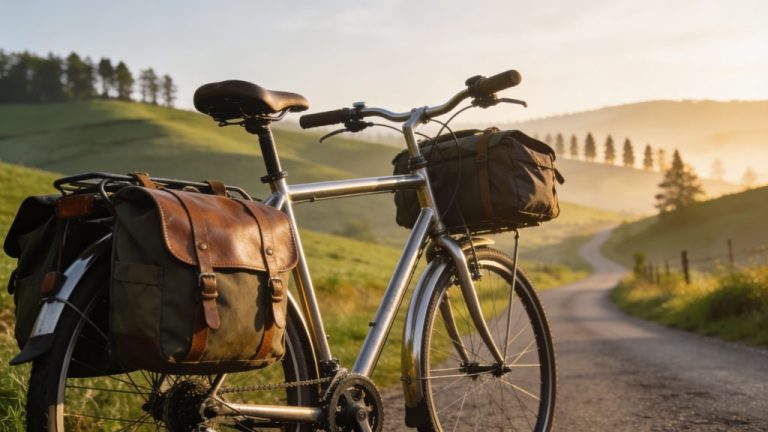
Your choice between a gravel bike and a mountain bike determines which routes are accessible and comfortable. Gravel bikes are built for shell paths, gravel roads and rough cycle paths. They have wider tyres than road bikes but less suspension than mountain bikes.
Use a gravel bike for:
- Green and blue MTB routes without technical obstacles
- Shell and gravel tracks through nature reserves
- Flat forest paths with gentle elevation changes
- Hybrid routes that combine paved roads with off-road sections
A mountain bike is essential for routes with steep climbs, sharp bends, roots and rocks. Red and black routes demand good suspension and specific riding skills that are not possible on a gravel bike.
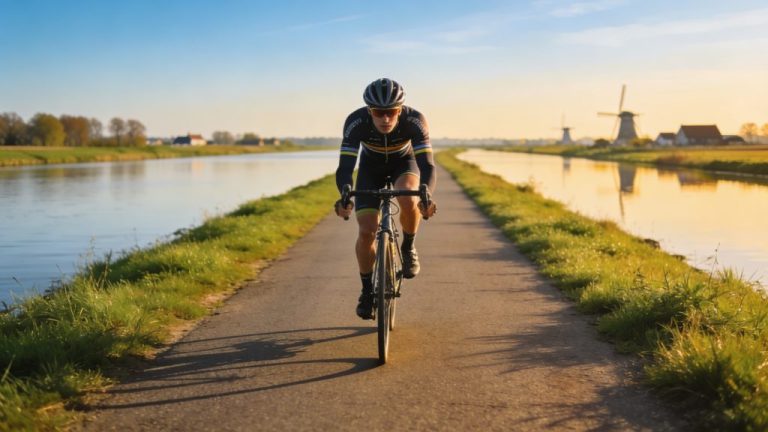
The Netherlands has more than 140,000 kilometres of cycle paths. A large part of these is suitable for gravel bikes. This makes it possible to plan long cycling holidays in which you alternate paved roads with off-road sections. This hybrid approach significantly increases your range.
Planning routes with apps and classifications
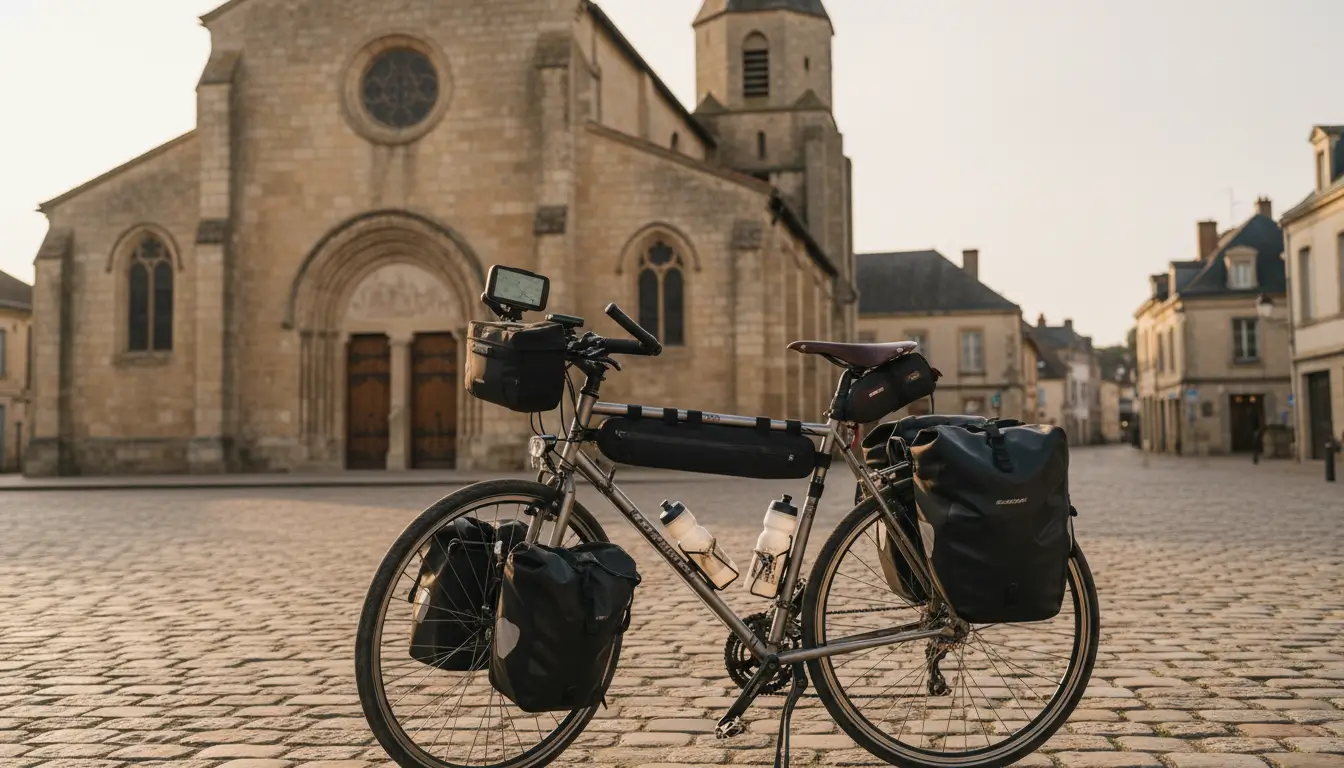
Good preparation starts with downloading reliable route apps. Platforms such as RouteYou and Komoot offer detailed maps with elevation data and surface type. Pay attention to the NTFU classification, which indicates whether a route is suitable for your type of bike.
GPS navigation can lead you onto prohibited paths if the app is not set to allowed routes. Always follow the physical waymarking in nature reserves and check in advance whether a route is accessible for gravel bikes or mountain bikes.
Download routes offline before you set off. Not all nature reserves have good mobile coverage, especially in the more remote parts of the Veluwe and the Drents-Friese Wold. A power bank ensures that your navigation remains available all day.
Best practices for sustainable off-road cycling
Many MTB trails in the Netherlands are maintained by volunteers. Trail respect (treating trails and nature with care) contributes to the quality and accessibility of these routes. Brake in time and control your speed before corners. This prevents deep braking ruts that accelerate erosion.
Avoid muddy trails after rain. Waiting a week gives the surface time to recover. This may feel long, but it protects the trails in the long term. Routes that are badly damaged in autumn and winter are often temporarily closed for restoration in spring.
Give walkers and other recreational users space and greet them politely. Mountain bikers and gravel cyclists share nature reserves with many other users. Mutual respect ensures a pleasant experience for everyone.
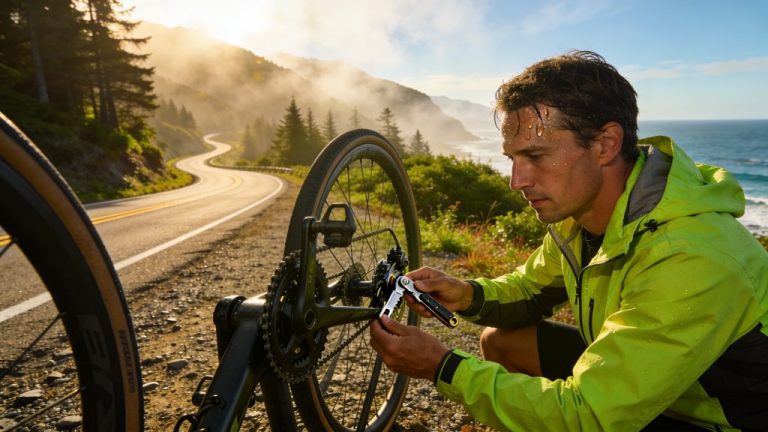
‘ Mobile coverage is not guaranteed everywhere, so be prepared to handle minor repairs without external help. ’
Practical tips for multi-day cycling holidays
Multi-day cycling holidays in nature reserves require logistical planning. Accommodation near the routes is often fully booked quickly in high season. Book in good time, especially if you have specific requirements such as secure bike storage or laundry facilities.
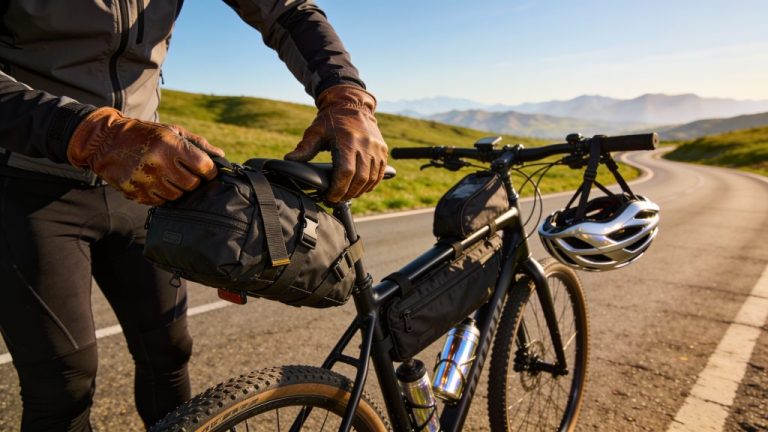
Pack light but complete. A spare inner tube, multi-tool, pump and first aid kit are the minimum kit for off-road rides. Mobile coverage is not guaranteed everywhere, so be prepared to deal with minor repairs without external help.
Plan rest days or shorter stages after tough routes. Off-road cycling demands more of your fitness than riding on paved roads. A 50-kilometre gravel ride with elevation gain feels tougher than 80 kilometres on a cycle path.
Veluwezoom: ideal mix for gravel bikes and mountain bikes
Veluwezoom National Park offers several routes that are suitable for both gravel riders and mountain bikers. The routes around Rheden combine scenic trails with varied surfaces. This makes it possible to plan group rides with cyclists on different types of bike.
The 50-kilometre route with a northern and southern loop is a great choice for experienced cyclists. The route includes 708 metres of elevation gain and offers several turn-offs for shorter variants. Gravel bikes can follow the entire route if you stick to the green classification.
The area has clear waymarking and well-maintained trails. An MTB permit is mandatory for the marked mountain bike routes. Check in advance whether your permit is valid for the entire area or for specific sub-areas.
Discover more on Traveler Tips
Dutch nature reserves offer countless possibilities for off-road cycling holidays that you can plan yourself. From short day trips to multi-day routes, the combination of gravel and MTB trails makes every ride unique. With the right preparation, access documents and respect for nature, you will create unforgettable cycling experiences.
On the Traveler Tips website you will find much more information about routes, nature reserves, accommodation and practical planning for your next cycling holiday. Discover handy guides, detailed route descriptions and tips that help you travel smarter and more consciously. Start planning your next off-road adventure today.
Frequently asked questions
For an average level of experience, the green and blue NTFU-classified routes are especially suitable, such as the 26 km route on the Veluwezoom (not very technical but with some punchy climbs), Hattem (23 km, relatively flowing) and the gravel-friendly loops around Gorssel and Heerde. For more challenge without becoming extremely technical, the 50 km loop on the Veluwezoom or the Veluwe combo of 108 km with 1,203 metres of elevation gain are good options. Combine your routes with nature-friendly planning: ride only during daylight, wait a week after heavy rain and stay on the waymarked MTB and cycle paths. For comfort, it is useful to book accommodation close to starting points such as Rheden, Hattem or Zierikzee so you can set off directly from where you are staying and ride different day loops.
Plan your trip by first using apps or websites to select official gravel and MTB routes in nature reserves, paying attention to NTFU classifications (green/blue for gravel) and the presence of technical sections. Then check which areas require a mandatory MTB permit or other permissions (such as those managed by Natuurmonumenten) and arrange these online in advance. Look for places to stay and train stations with bike transport and rental options (local bike hire, bike parks, sports shops) near the starting points of the routes. Where possible, combine several loops and link sections over paved cycle paths to create a logical multi-day route.
Cycle only on the designated (MTB) trails, follow local instructions and avoid nature reserves between sunset and sunrise. Take all your rubbish back with you, brake gently and avoid muddy or heavily saturated trails to limit erosion. Respect other visitors by adjusting your speed and keeping plenty of distance when overtaking. Check in advance whether an MTB or access permit is mandatory and make sure you have it with you.
For unique landscapes, the Veluwezoom routes (for example the 50 km loop with around 700 metres of elevation gain) combine heathland, forests and glacial ridges, while the Loonse en Drunense Duinen are renowned as the “Brabant Sahara” with vast sand plains. Culturally interesting rides can be found around Hattem and Gorssel, where you pass historic Hanseatic towns, country estates and old farmsteads. You can find reliable route descriptions and navigation tips via official MTB and gravel platforms (such as NTFU-classified routes), the websites of nature managers (Natuurmonumenten, Staatsbosbeheer) and specialist cycling apps with up-to-date GPS tracks. Always check whether an MTB permit is required, and for gravel riding in particular choose the green and blue routes for safe and legal use.
Essential preparations include a well-maintained bike (brakes, tyres, lights), suitable layered clothing, enough water and food, and a charged phone with an offline route and location services enabled. Always take basic tools and spare parts (multi-tool, pump or CO₂ inflator, inner tube, puncture repair kit, quick-link) plus a small first aid kit. Make sure you know the local rules (MTB permit, only on designated trails, no night riding) and let someone know your route and expected time of return. Agree what to do in an emergency: how to act after a crash or mechanical problem (for example, ICE number in your phone, sharing your location, possibly calling the emergency number with a clear position via an app or coordinates).