 NL
NL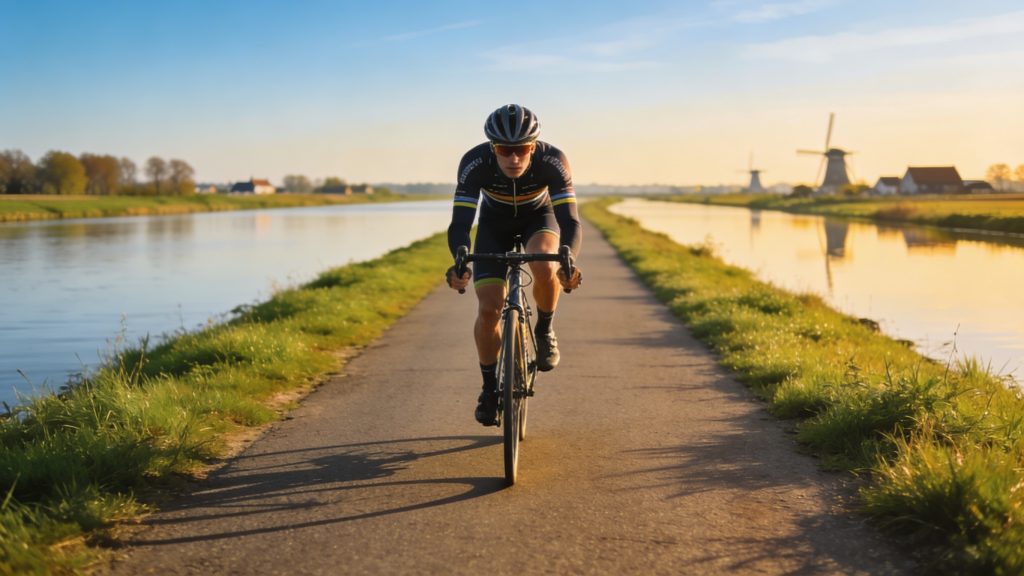
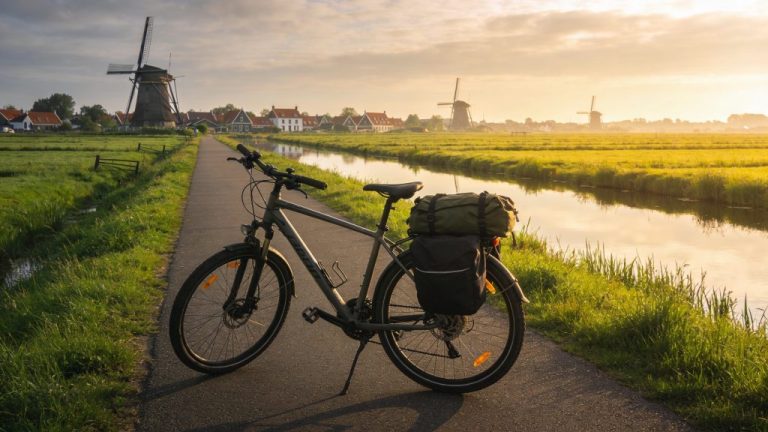
The Meuse Cycle Route, also known as EuroVelo 19, is one of the most varied and accessible multi-day cycling routes in the Benelux. You cycle through rolling hills, past historic small towns and across flat river polders, with the River Meuse guiding you from the Dutch city of Maastricht far into Belgium. Traffic-free paths, free ferries and a mix of nature and culture make this route suitable for cyclists of every level. This route is popular with lovers of cycling holidays.
What makes the Meuse Cycle Route so special?
The Meuse Cycle Route follows the River Meuse for roughly 550 kilometres through the Netherlands and Belgium. It is an international route that forms part of EuroVelo 19, a European network of long-distance cycle routes. The Dutch and Belgian section usually starts in Maastricht and heads north via places such as Lanaken, Maasmechelen, Maaseik, Kinrooi and Roermond towards Hoek van Holland.
The route starts hilly around Maastricht. After that, the route is almost entirely flat. For the most part you ride on traffic-free dyke paths and paved surfaces, which makes the route suitable for road bikes and hybrids as well. The entire route is signposted in both directions, in both the Netherlands and Belgium. Along the way you switch between countries effortlessly thanks to small ferries. These are free or inexpensive. Some even run on demand.
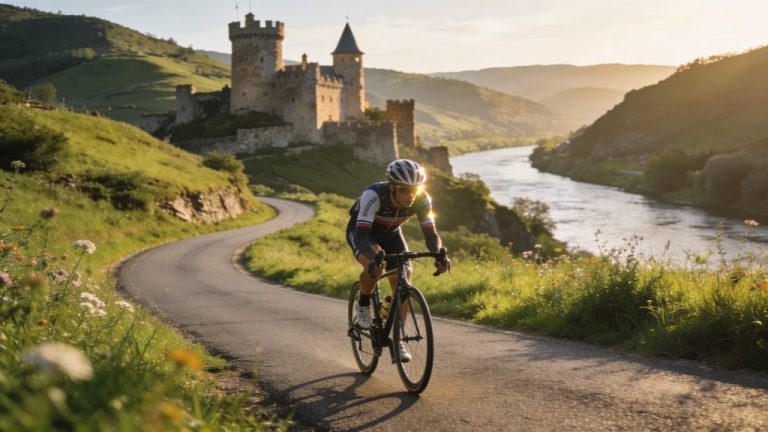
In the south you cycle through rolling hills and vineyards. Further north you see expansive polders and the Meuse Lakes. Along the way you pass historic fortified towns, nature reserves and castles. You ride past riverside landscapes with small islands and sandbanks. The route offers plenty of opportunities to stop at local cafés, markets and cultural sights.
The most beautiful stages of the Meuse Cycle Route
The route is easy to divide into stages of 25 to 40 kilometres per day. This depends on your pace and interests. Below are some logical stages that are often chosen by cyclists:
- Maastricht – Lanaken (25 km): This first section takes you out of Maastricht into the hilly countryside. You cycle along the first viewpoints over the Meuse, through rustic villages and via short climbs and descents. It is a gentle start with wonderful panoramic views.
- Lanaken – Maasmechelen (20 km): A short stage that takes you along the border between the Netherlands and Belgium. The landscape gradually becomes flatter. You cycle past historic mining areas and green countryside.
- Maasmechelen – Maaseik (40 km): One of the most varied sections of the route. You cross the Meuse using characteristic little ferries. You ride past picturesque Meuse villages with views of islands and riverbank landscapes. This section is often praised as one of the most beautiful parts of the entire route.
- Maaseik – Kinrooi (15 km): A quiet stretch with wide views over the water. You cycle through open countryside and pass small villages with inviting terraces.
- Kinrooi – Roermond (35 km): This section brings you back into the Netherlands. The landscape becomes increasingly flat and you cycle through typically Dutch polders. In Roermond you can visit the historic city centre or make a detour along the Meuse Lakes.
Many cyclists keep their stages flexible. You can shorten a stage by stopping in one of the many villages along the way. You can also keep cycling if you want to cover more kilometres. The signposting and infrastructure are so good that you can easily set your own pace.
How do you prepare for a cycling holiday along the Meuse?
Good preparation means you can enjoy your ride without worries. The Meuse Cycle Route is easily accessible by train. Maastricht is a logical starting point. There are fast rail connections from Amsterdam, Utrecht and Brussels. In Belgium and Luxembourg, bikes travel free on the train. In the Netherlands there are also favourable options for taking bikes outside peak hours.
Not bringing your own bike? In Maastricht, Maaseik and other places along the route you can hire a bike. E-bikes are popular with those who want to make the hilly start around Maastricht a little more comfortable. Many rental companies offer luggage transport. That way you can travel light from hotel to hotel.
Download a GPX track of the route in advance. This is a digital file with route data. You can use it for navigation on a bike computer or smartphone. The route largely follows the Limburg cycling junction network. This means you can also put together your own customised route. Take the operating times of the ferries into account, especially at weekends and outside the summer season. Most ferries run from April to October, but times can vary.
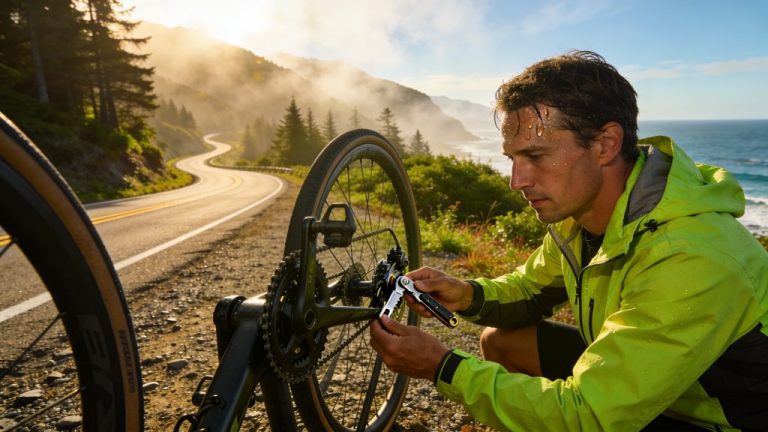
The season for the Meuse Cycle Route runs from May through October. During this period the weather is generally pleasant. All facilities are open then. Avoid periods of high water. The route usually remains easy to ride thanks to the paved dykes. Take a small repair kit with you. Along the way you will pass plenty of shops and bike repairers.
What can you experience along the way?
The Meuse Cycle Route offers more than just beautiful nature. You cycle through a landscape with a rich history and diverse cultures. Historic fortified towns such as Maastricht and Roermond offer monuments, cathedrals and lively squares. They are perfect places to stop and try local delicacies.
In Belgium you pass characteristic Meuse villages with old churches, village squares and little shops. The Belgian Meuse has a wilder character, with unnavigable sections of river and natural banks where you regularly encounter water birds and wild flora. In some areas you will find vines and orchards, which give the landscape a slightly Mediterranean feel.
The Meuse Lakes in Dutch Limburg are a popular stop for those who enjoy water-based activities. Here you can swim, paddleboard or simply enjoy the view. The large lakes were created by sand and gravel extraction. Nature reserves such as De Maasduinen National Park offer additional cycling routes and walking trails. Ideal if you want to add an extra day.
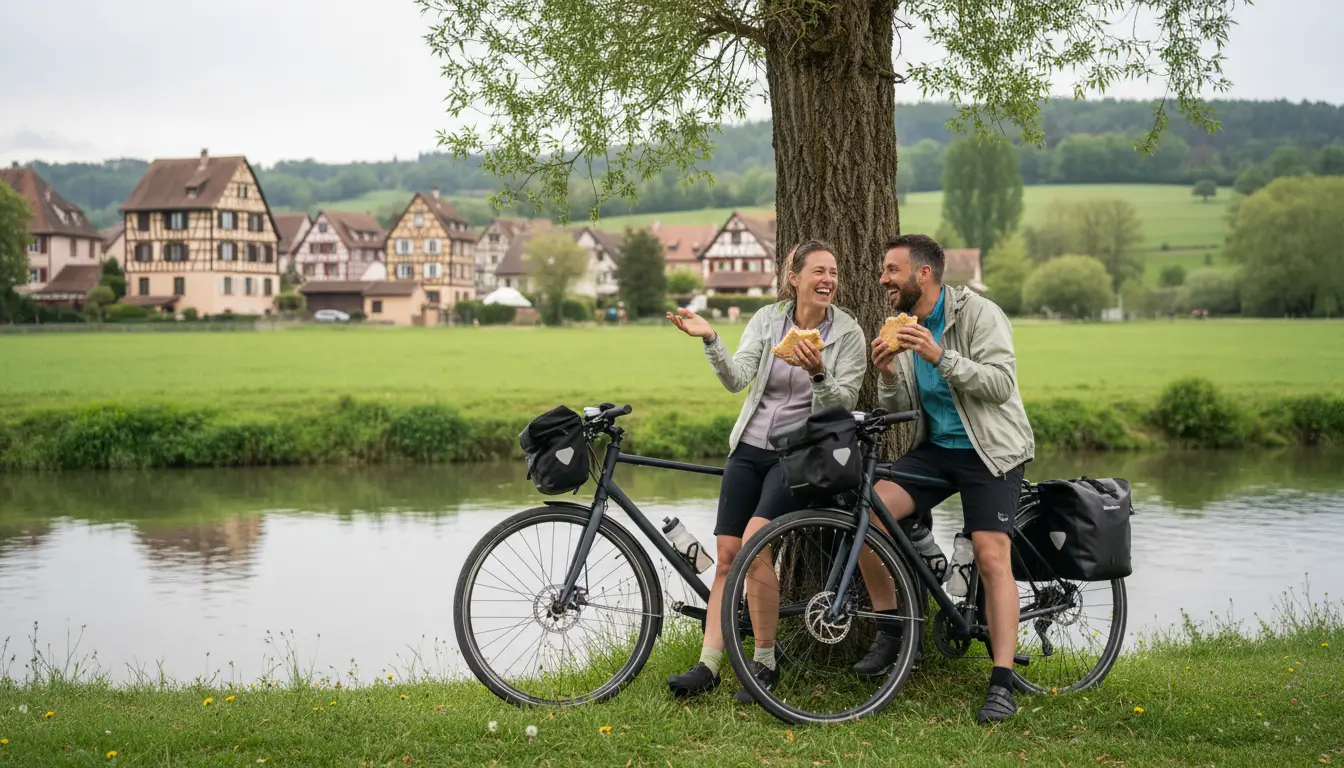
There is no shortage of culinary highlights. In Belgium you can enjoy waffles, regional beers and local cheeses. In the Netherlands you will find inviting terraces with views of the Meuse. Here they serve regional specialities such as Limburg vlaai (fruit tart). Many cyclists praise the route for its relaxed atmosphere and the opportunity to sample local products at markets and farms.
‘ This way you avoid the crowds and can enjoy the morning sun rising above the river. ’
Practical tips for a successful Meuse Cycle Route
The route is family-friendly thanks to the flat paths and safe, traffic-free sections. Families can adapt the distances and plan extra stops at forest play areas or swimming spots. Those looking for more of a challenge can add side trips. For example, you can connect to the Vennbahn for a circular route. There is also a continuation towards the river’s source near Langres in France.
Wild camping is only allowed to a limited extent in the Netherlands and Belgium, so it is wise to book campsites or other accommodation in advance, especially in high season. Along the route you will find plenty of hotels, B&Bs and campsites. These are often within easy cycling distance of each other. Some providers offer special cycling packages, which include luggage transport and sometimes even route guidance.
Cyclists who have already ridden the route recommend setting off early. This way you avoid the crowds and can enjoy the morning sun over the river. The ferries are a special experience in themselves. They also offer great photo opportunities, especially at sunset. Hiring an electric bike? Charging points are widely available at accommodation and hospitality venues.
Why the Meuse Cycle Route is a top choice
The Meuse Cycle Route combines accessibility with variety. You do not need to be a seasoned cyclist to enjoy this route, yet there is plenty of challenge for those who want to cover more kilometres. Its cross-border character means you can explore two countries and two cultures with very little effort, with the river acting as a unifying element.
The route fits in perfectly with the growing demand for sustainable tourism. Cycling through this region means supporting local businesses. You minimise CO2 emissions and explore the area at a relaxed pace. Its proximity to major cities makes the route attractive for a long weekend away.
You can choose from several options. A multi-day trip from Maastricht to Roermond is one possibility. A Belgian–Dutch circular route is also popular. In addition, you can opt for a longer cycling holiday all the way to the river mouth at Hoek van Holland. The infrastructure is excellent and the signposting clear.
Make use of the ferries to enjoy the Meuse without rushing, and let the route lead you through a varied landscape that offers new views every single day.
Frequently asked questions
How can I best combine the ‘Meuse Cycle Route’ with car or train travel, taking into account parking options and bike rental along the way?
Combine the Meuse Cycle Route with the train by starting in easily accessible cities such as Maastricht, Liège or Roermond, where there are direct rail connections and, in many cases, options for taking bikes on board. Park your car at P+R sites or long-stay car parks near these stations and start the route from there by bike. In Maastricht and Maaseik there are rental points for (e-)bikes, so you do not necessarily have to bring your own. Use the ferries and the cycle junction network to create loops, and on your return journey take the train back to your starting point from another station along the Meuse.
Which are the most ‘comfortable’ and ‘experience-rich’ stages of the ‘Meuse Cycle Route’ in the Netherlands and Belgium, ideal for a shorter trip?
For a short trip that is both comfortable and full of experience, the stages Maastricht–Lanaken and Maasmechelen–Maaseik are particularly recommended, as they are largely flat, quiet in terms of traffic yet still very varied. Between Maastricht and Lanaken you have lovely views of the Meuse, some gentle hills and plenty of historic atmosphere. The section Maasmechelen–Maaseik is very eventful, with ferries, typical Meuse villages and sandy riverbanks. The stage Kinrooi–Roermond is also comfortable and flat, with quiet polders and views over the Meuse, ideal for a relaxed day ride.
What ‘practical tips’ are there for preparing for the ‘Meuse Cycle Route’, such as the recommended type of bike, accommodation options and luggage transport?
Ideally use a touring or trekking bike, hybrid or e-bike; the route is largely paved and flat, so it is also suitable for road bikes. Along the Meuse Cycle Route there are numerous campsites, hotels and B&Bs, which are best booked in advance in high season. In Maastricht and Maaseik you can hire bikes and there are options to cycle from hotel to hotel with luggage transport included. Download GPX tracks, take a repair kit with you and check the ferry timetables in advance.
Which ‘unique sights’ and ‘local experiences’ along the ‘Meuse Cycle Route’ should I definitely not miss for a richer travel experience?
Along the Meuse Cycle Route, you should not miss the historic city centre of Maastricht and the lively squares in Maaseik, where you can mingle with the locals on terraces and markets. Take the ferries as often as you can (including at Meeswijk–Berg and Stokkem) for playful crossings of the border and beautiful sunsets on the water. Cycle through the Meuse villages in Belgian Limburg to sample typical regional dishes, vlaai and Belgian beers in village cafés. Plan short stops at the wild Grensmaas, with its islands and sandy banks, to spot birds and enjoy a picnic among the locals.
How ‘challenging’ is the ‘Meuse Cycle Route’ and are there specific sections that are more ‘suitable’ for ‘beginner cyclists’ or especially for ‘e-bikes’?
The Meuse Cycle Route is predominantly flat and therefore generally easy to moderate, suitable for most recreational cyclists. In particular, the sections after the gently hilly start near Maastricht towards Roermond and further north are very suitable for beginners. Because the route is mostly paved, quiet in terms of traffic and relatively flat, virtually the entire Dutch and Belgian part is ideal for e-bikes. Only the first, hillier kilometres around Maastricht and towards Liège require a bit more effort or some extra support from an e-bike.