 NL
NL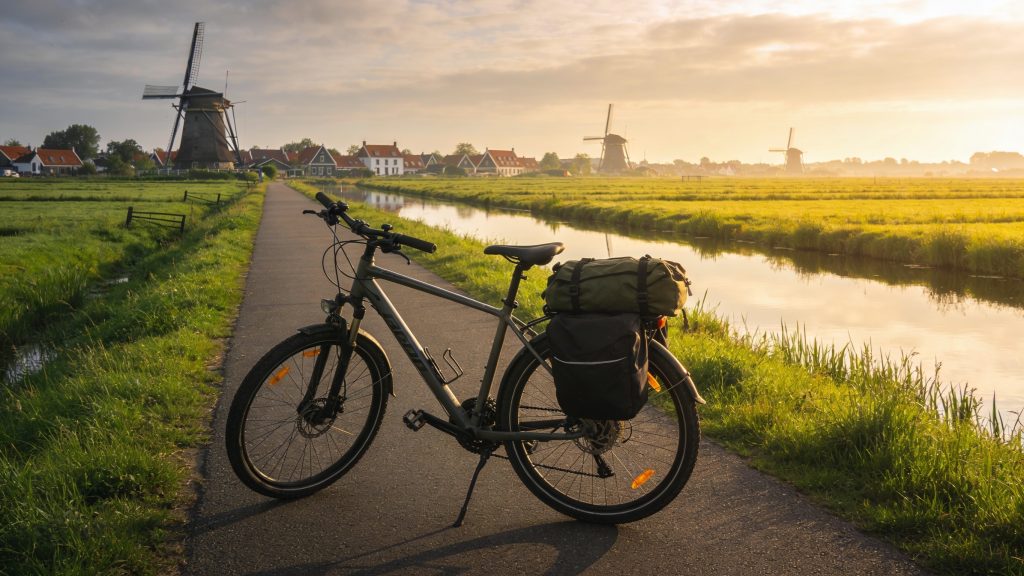
You can smartly combine a cycling holiday from the Netherlands to Belgium by making use of the extensive network of more than 5,000 kilometres of signposted long-distance routes that connect well with each other. With good preparation you can cross the border without any worries and enjoy polders, rivers, historic cities and hilly landscapes in a single multi-day trip. Discover how to plan your route and what you need to arrange in advance.
Which routes are suitable for a multi-day cycling holiday
For a cross-border cycling holiday between the Netherlands and Belgium, it is best to choose routes that link up with one another. LF routes in the Netherlands form the basis for many multi-day trips. These long-distance cycle routes are fully signposted and take you through varied landscapes such as watery areas, culinary regions and historic zones.
In Belgium two systems work together: the junction network in Flanders and the RAVeL cycle routes (cycle network on former railway lines in Wallonia). The junction system connects numbered points with each other and links seamlessly to routes from the Netherlands. Cycling holidays through this region can be combined with Icon Cycle Routes that lead you past cities such as Bruges and Ghent. For a route towards Wallonia you follow the RAVeL paths, often traffic-free cycle paths along former railway lines and rivers.
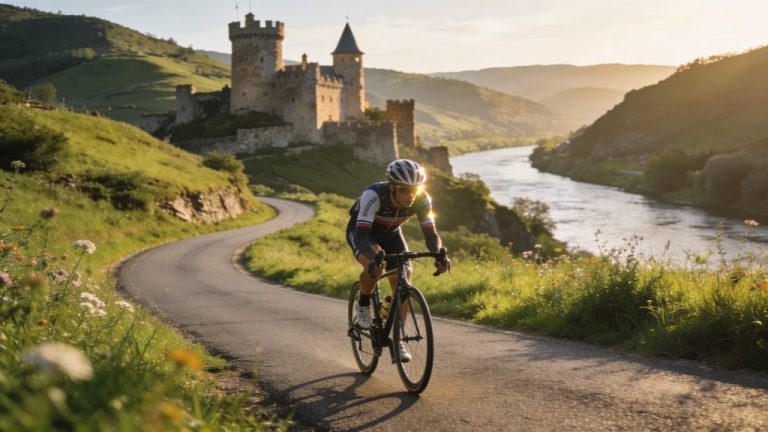
The Meuse Cycle Route is a popular choice for a trip from the Netherlands to Belgium. This route follows the river from the Netherlands and continues deep into Wallonia. You cycle past forests, castles and villages, with well-marked stages. The Scheldt Cycle Route also offers a continuous network that connects both countries and takes you through flat polders and Flemish towns.
‘ Here, e-bikes are a handy option, especially if you are cycling several days in a row. ‘
How do you plan the stages for a multi-day cycle route
A well-thought-out division into stages prevents fatigue and ensures you can enjoy the journey along the way. For a comfortable cycling holiday, daily distances of 40 to 60 kilometres are common. This gives you time for stops, sights and breaks without having to rush.
Start by determining your overall route and mark the places where you want to spend the night. Take into account the availability of accommodation and facilities such as bike repair shops, restaurants and charging points for e-bikes. Many providers of organised cycling holidays offer packages where hotels and dinner options along the route are already booked.
Use digital route planners that have been developed specifically for cyclists. These tools allow you to combine LF routes with junctions and show elevation, surface type and facilities. Always download GPS tracks of your route for off-road sections such as RAVeL paths, where signposting is sometimes less visible.
Taking account of differences in terrain
The coastal region and Flanders offer predominantly flat routes, ideal for families and relaxed travellers. Belgian Limburg combines flat paths with gently rolling hills. For the Ardennes you need to take more elevation differences into account. Here, e-bikes are a handy option, especially if you are cycling several days in a row.
What you need to arrange for a cross-border cycling holiday
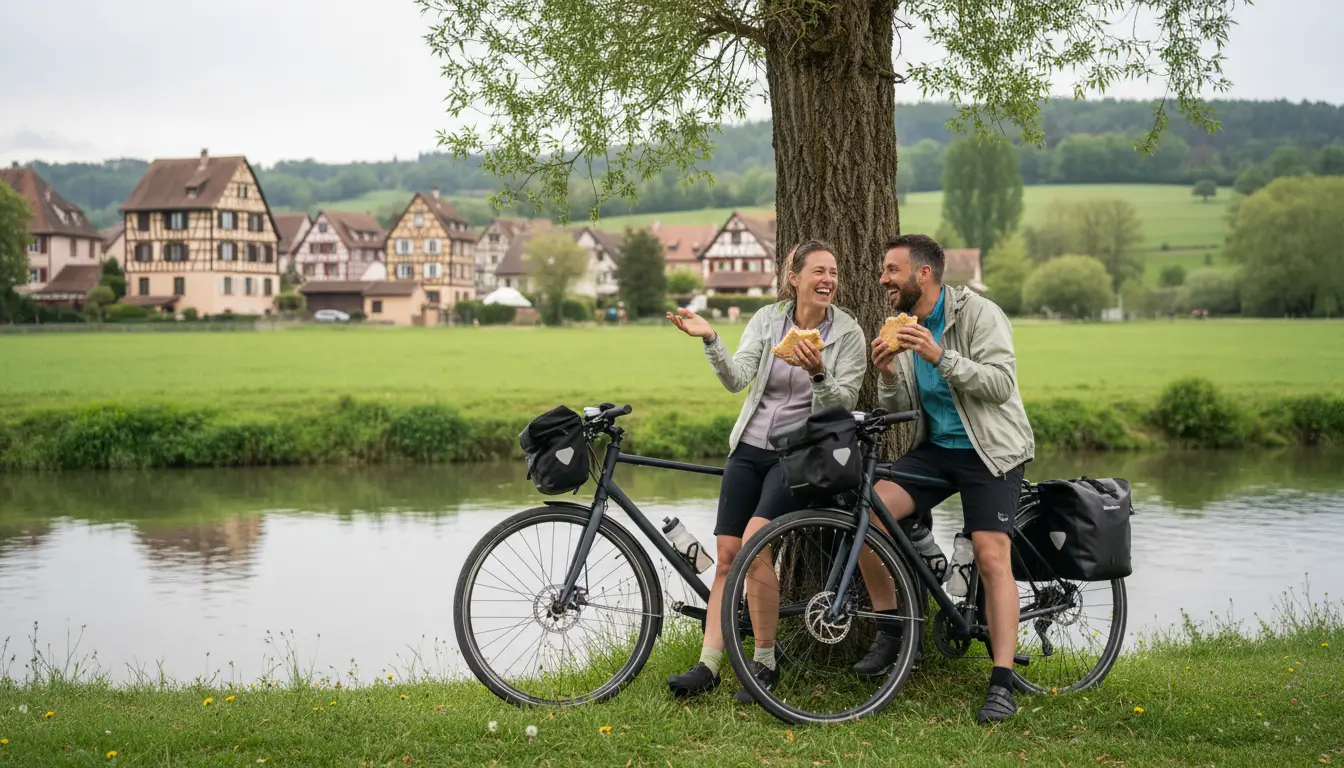
Cycling holidays from the Netherlands to Belgium require little administrative preparation. You cross the border without checks and do not need a visa or special documents. However, always take a valid ID with you.
Pay attention to differences in traffic regulations. In many places in Belgium there is a lower maximum speed for cyclists on certain roads, and there are specific rules for bicycle lights. Check whether your bike meets the Belgian requirements: working front and rear lights, reflectors and a bell are compulsory.
Book accommodation in advance if you are travelling in high season or following popular routes such as the Meuse route or the coastal region. Many hotels and B&Bs along cycle routes offer special facilities for cyclists, such as secure storage, drying rooms and bike repair kits.
Luggage transport during your cycling holiday
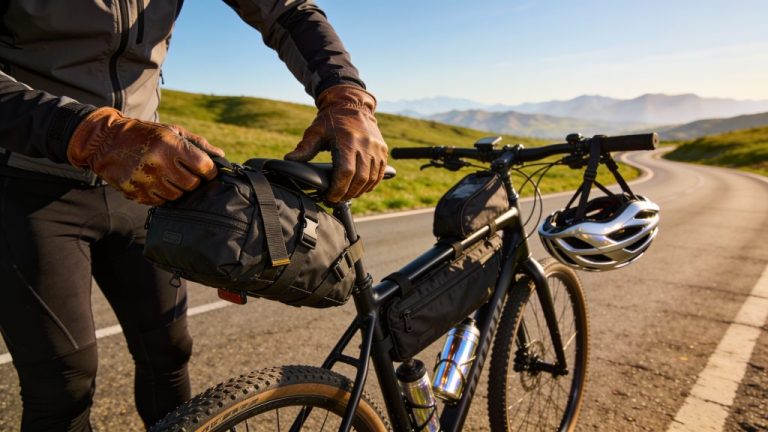
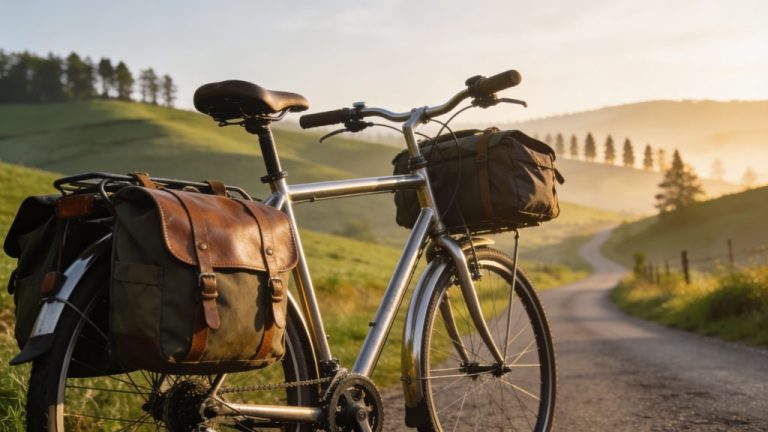
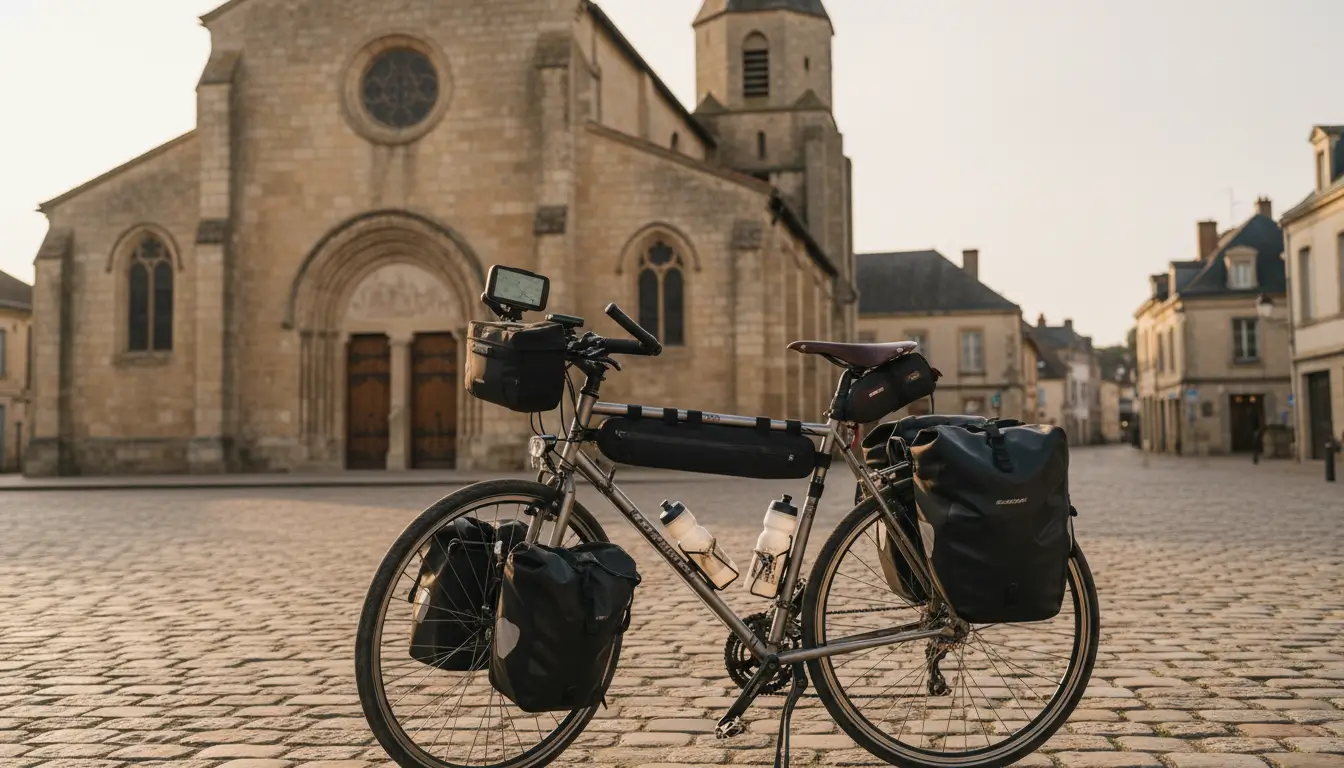
If you want to travel light, opt for organised holidays where luggage is transported daily to the next accommodation. This allows you to enjoy the route without heavy bags. For independent travellers, panniers are essential. Choose waterproof panniers and distribute the weight evenly over front and rear racks.
Routes along the Meuse and Scheldt through the Netherlands and Belgium
The Meuse route (part of the Meuse Cycle Route) is one of the longest continuous cycle routes between the Netherlands and Belgium. You start in the Netherlands and follow the river southwards towards Belgian Limburg and on to Wallonia. The route is part of EuroVelo 19 (a European long-distance cycle route along the Meuse) and is fully signposted.
Highlights along the Meuse route include historic cities, nature reserves and gastronomic stopovers. In Belgian Limburg you will find culinary routes with local specialities. Wallonia offers forests, castles and quiet villages. The route is largely flat to gently undulating, with hills in the Ardennes.
The Scheldt Cycle Route connects the Netherlands with Flanders and takes you through polder landscapes and past Flemish towns. This route is ideal for a shorter cycling holiday of 6 days. You cycle through the Westhoek, an area with flat paths and a rich cultural history.
Signposting and navigation en route
LF routes in the Netherlands are recognisable by signposting with route numbers and direction signs. In Flanders you use numbered junctions indicated on signposts. Note down the sequence of junctions for your route in advance or download an app that guides you from junction to junction.
RAVeL routes in Wallonia have their own markings, often with logos on posts along the path. Download GPS tracks for these routes, as not all sections are equally clearly marked. Many municipalities and tourist organisations offer free GPX files that you can load onto your bike computer or smartphone.
‘ Electric bikes make multi-day routes more accessible, especially in hilly areas. ‘
Tips for comfort and safety on multi-day cycle routes
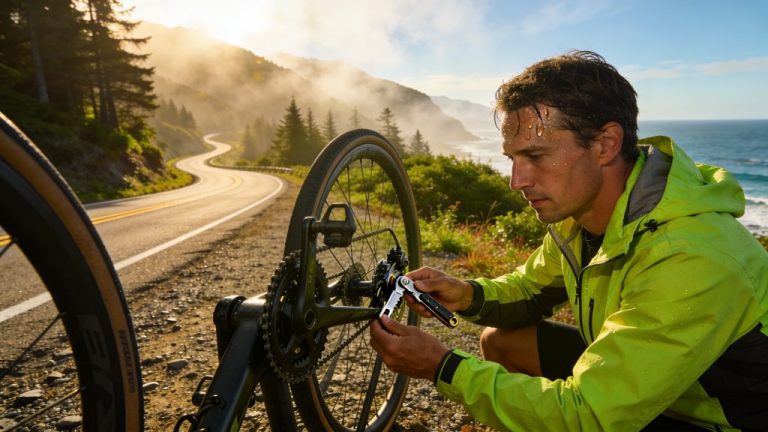
Good preparation increases your comfort on the road. Before departure, check your bike for wear, tyre pressure and braking performance. Take a bike repair kit with you with patches, tyre levers and a multi-tool. Many routes pass bike repair shops, but not everywhere offers daily service.
For hilly terrain in the Ardennes, take sufficient water with you. Petrol stations and shops are further apart than in flat areas. Plan your breaks and refill water wherever possible.
It is best to choose spring or autumn for a cycling holiday between the Netherlands and Belgium. The weather is mild then and the routes are less crowded. In summer, popular sections such as the Belgian coast are busier. Book accommodation well in advance.
E-bikes for longer distances and hills
Electric bikes make multi-day routes more accessible, especially in hilly areas. Many providers supply e-bikes including maintenance and route descriptions. Check the battery range and plan charging times. Accommodation along popular cycle routes often has charging points.
Combining routes for a continuous cycling holiday
For a longer cycling holiday of 8 days, you can combine several LF routes with Flemish junction networks. One example is combining the Dutch Water Defence Lines route in the Netherlands with the Icon Cycle Routes through Flanders. This way you cycle from Dutch fortified towns to Bruges and Ghent.
Another option is linking Limburg culinary routes in the Netherlands and Belgium. This route takes you through wine regions, orchards and local producers. The cycle paths are well maintained and predominantly flat.
For nature lovers, the Vennbahn (a long-distance cycle route along a former railway line in the Eifel and Ardennes) is a special choice. This route follows a former railway line through three countries: Germany, Belgium and the Netherlands. It is a traffic-free cycle path with well-signposted connections to other networks.
What else you will find on Traveller Tips
On the Traveller Tips website you will find extensive information about routes, destinations and practical preparation for your trip. Whether you are planning a cycling holiday, a road trip or a train journey through Europe, you will find reliable tips that help you organise your holiday smartly and consciously. Explore more articles and get inspired for your next adventure.
Frequently asked questions
Use the cycle junction networks, LF routes, Flemish Icon Cycle Routes and RAVeL paths in the Netherlands and Belgium, and plan day stages of around 40–60 km to suit your fitness level. Set your preferences in an online route planner (flat vs hilly, low-traffic, nature or cities) and download the GPS track to your bike computer or smartphone. Choose an e-bike or luggage transport if comfort is important to you, especially in hilly areas such as the Ardennes. Ideally, plan your trip in spring or autumn and book accommodation along the route based on your daily distances.
On the way between the Netherlands and Belgium, the Vennbahn and the RAVeL paths are real hidden gems: traffic-free former railway lines through forests, river valleys and small villages. The Meuse Cycle Route (EuroVelo 19) offers unique experiences with riverside terraces, historic small towns and viewpoints over the river. In Belgian Limburg you can “cycle through water” and through extensive nature reserves with quiet junction routes. Finally, combine Flemish Icon Cycle Routes along cities such as Bruges and Ghent with lesser-known rural sections for varied days of culture and nature.
Choose accommodation (B&Bs, bike-friendly hotels or campsites) along existing LF or junction routes and book in advance, especially in high season or popular regions such as the Ardennes and Flemish art cities. For overnight stays, pay attention to facilities such as secure bike storage, somewhere to dry clothes and possibly half-board, so you don't have to look for food in the evening. Consider organised cycling holidays or special luggage transport services where your suitcases are taken from address to address and you only cycle with day luggage. Pack your own luggage as light as possible (dry bags, compact clothing) and use waterproof panniers so that you can still ride comfortably if there is no luggage service.
For reliable navigation and route adjustment in the border region between the Netherlands and Belgium, apps such as Komoot, Fietsknoop and the Fietsersbond Routeplanner (NL) in combination with the Flemish Fietsrouteplanner or fietsnet.be (junction network) are essential. In addition, international platforms such as Google Maps (cycling mode) and OSMAnd or Maps.me (based on OpenStreetMap) are useful as a back-up, especially offline. Preferably use the official junction maps of the Netherlands and Flanders (on paper or digital) for an overview and to check your route. Always combine a junction app with a GPS app (such as Komoot or OSMAnd) so that you can safely replan on the spot.
Pack clothing in layers (rain jacket, windproof layer, breathable base layer) and waterproof panniers so you can quickly adapt to rain, wind and temperature differences. Check the weather forecast daily and plan your stages so that you can ride shorter or more gently in bad weather. Make sure you have basic tools, spare inner tubes, lights, a charged phone with power bank and offline maps or GPS routes. Share your daily route with someone, note down the addresses of bike repair shops along your route and always keep some extra food, water and cash to hand.