 NL
NL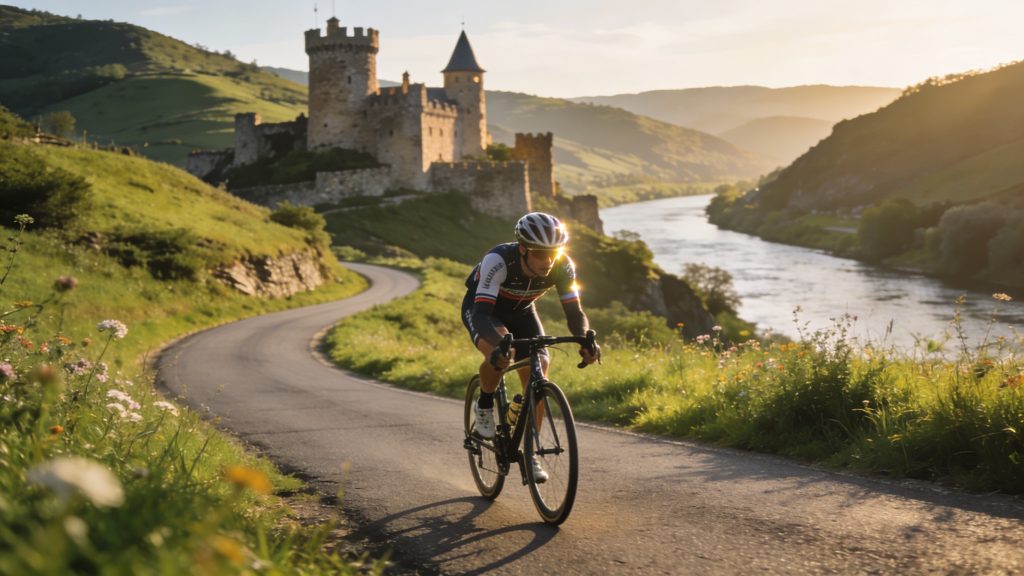
The Scheldt Valley and castles cycle route is 59 kilometres long. The route offers a perfect interplay between natural river landscapes and imposing castle architecture in the province of Antwerp. This signposted route is ideal for anyone looking for a well-planned day trip. You cycle through culture, nature and along clear, paved roads. Discover why this route has become one of the most highly rated cycling holidays in East Flanders.
What is the Scheldt Valley and castles cycle route
The Scheldt castles cycle route is a recreational cycle route of 59 kilometres. The route starts and ends in Bornem. You cycle through the rolling landscape of the Scheldt Valley. Along the way you pass two historic castles, picturesque villages and green nature reserves. The route is fully signposted via the junction network. The route runs over 88% paved terrain. The estimated cycling time is 3 hours and 45 minutes to 3 hours and 55 minutes. This route is suitable for cyclists with a basic level of fitness.
The total elevation gain is only 74 metres. This makes the route accessible for e-bikes and suitable for families with children. The children do need to be used to longer distances. The starting point is at Kloosterstraat 71 in Bornem, where you can also park or connect to public transport.
What makes this route suitable for a short cycling holiday
The Scheldt Valley has natural diversity and cultural heritage. This makes the region particularly suitable for a cycling weekend or short holiday. You ride through vast river landscapes along the Scheldt. In spring you pass blooming fields. On the way you come across authentic villages with outdoor cafés and local facilities. The two castles along the route add a historical dimension. There you will find gardens, towers and stories from chivalrous times.
The route has been designed so that you can make several stops along the way, without time pressure. Popular rest stops are located in the villages. There you can taste local specialities, such as Scheldt Valley beers. Cyclists who want to extend the route can use connecting junction routes to make a longer ride of 100 kilometres. Do you want to cycle for several days? Are you staying in the area? Then this is particularly interesting.
Sights along the route
- Two imposing castles with historic gardens and architecture
- Scheldt riverbanks with panoramic views over the water
- Authentic villages with local cafés, restaurants and shops
- Abbeys and bridges that are hidden gems
- Picnic spots in nature reserves for a peaceful break
Practical tips for cycling in the Scheldt Valley
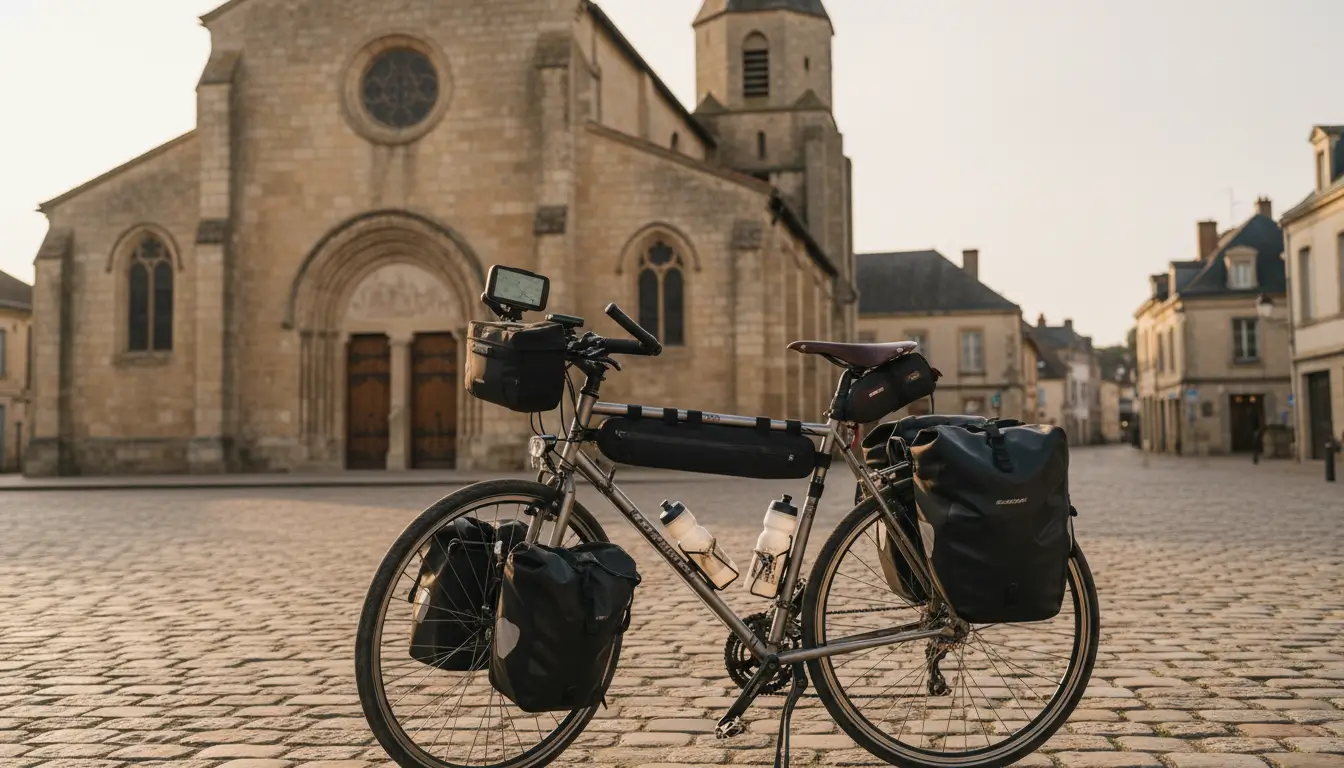
Check your tyres and brakes before you set off. Have you not cycled for a longer period? Then definitely do this. Take enough water and snacks with you. Not all villages along the route have extensive facilities. A repair kit with puncture repair set and spare pump is recommended, although you are less likely to encounter problems on paved roads.
Download the route map in advance. This is a GPX file for navigation. Download this file to your smartphone or GPS cycling computer. That way you can follow the route even without an internet connection. The route is signposted. A digital map offers extra reassurance. With a map you can also easily make detours or shortened loops.
Best time of year for cycling
Cycle in spring and summer. That is when this route is most comfortable to ride. In April and May nature is in full bloom. Temperatures are then mild. The summer months offer long days and more opportunities for an extended break along the way. Avoid rainy days. When there is a lot of water, the flat terrain can become muddy. The unpaved sections in particular can then be difficult to ride.
It can be windy along the Scheldt. Experienced cyclists recommend riding into the wind during the first part of the route. On the way back you then benefit from a tailwind. Start early in the morning to avoid crowds at the castles, especially at weekends during high season.
Variants and extensions of the route
Cyclists who want to ride a shorter distance can create loops using the junction network. For example, you can opt for a 30-kilometre route. Then only cycle the northern or southern section. In this way you shorten the route. This is useful if you are travelling with children or have less time.
Experienced cyclists can extend the route with neighbouring junction routes. A junction route is a signposted cycle route that runs between numbered points (junctions). In this way you create a multi-day cycle tour through the region. You then spend the night in B&Bs or small-scale hotels in Bornem and surrounding municipalities. Cyclists who are planning a longer cycling holiday will find this appealing. You can then explore several regions in East Flanders.
Kingfisher variant for nature lovers
A special variant is the Kingfisher route. This version places extra emphasis on nature reserves and bird-rich areas along the Scheldt. This extension adds around 15 kilometres. The route takes you past water-rich areas. With a little patience you can spot kingfishers and other water birds there. Are you interested in birds and nature? Then take binoculars with you.
‘ For sustainable travellers, the train connection to Bornem is a good alternative. ’
Overnight stays and combining with multi-day trips
Bornem offers various accommodation options, from small B&Bs to comfortable hotels. Are you combining the route with a cycling weekend? Then on day two you can explore other junction routes. You can also try the Kingfisher variant. Book accommodation in advance, especially during the cycling season from April to September.
For sustainable travellers, the train connection to Bornem is a good alternative. You leave the car at home and reduce your CO2 emissions. Most accommodation offers bicycle storage and laundry facilities for cycling kit. That is convenient on multi-day trips.
Experiences of cyclists on the route
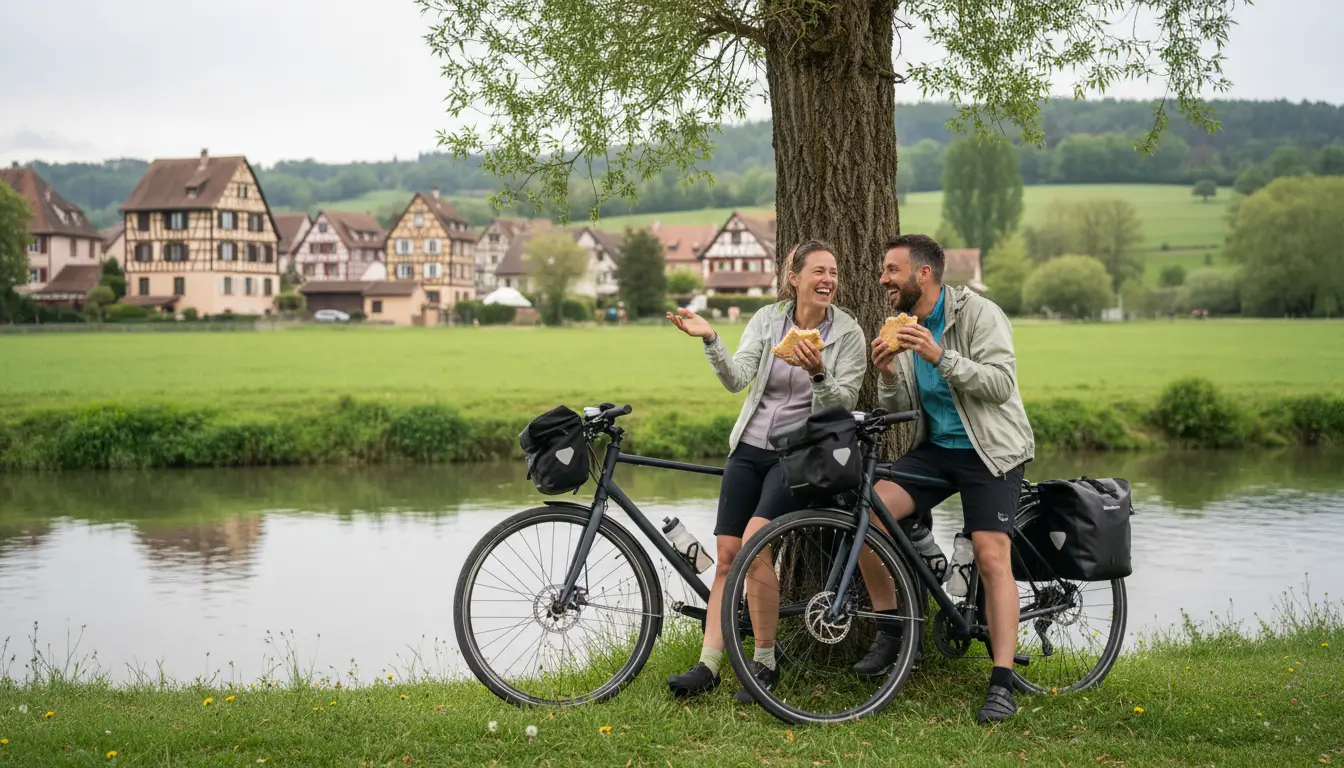
Cyclists value the route for several reasons. They see castles and historic buildings. They also ride through nature reserves. The combination of castles and river panoramas provides visual variety. The friendly villages invite you to take a break for an ice cream or local treat. Some cyclists warn about wind along the open stretches by the Scheldt. This can require extra effort.
The signposting is generally considered clear. A number of users do recommend having a digital map as a back-up. The route consists of 88% paved terrain. You can ride it with an ordinary city bike or touring bike. A bike with gears increases comfort on the rolling sections.
Discover more cycle routes and travel tips
The Scheldt Valley and castles cycle route is one of many well-planned routes in Belgium. Such routes help you plan your cycling holiday in a structured way. On the Traveler Tips website you will find extensive information. There you can read more about other cycle routes. You will find tips on preparing for multi-day trips. There is information about the equipment you need. You can also read about practical regulations for cycling holidays at home and abroad. Discover more routes. Plan your next cycle tour with reliable, in-depth tips.
Frequently asked questions
The easiest way to combine the route with a train journey is to depart from Bornem: Bornem station is within walking distance of the junction network towards Kloosterstraat 71, where the loop starts. If you come by car during a road trip, use (free) long-stay parking in or around the centre of Bornem and cycle from there to the starting point. It is best to arrange bike hire in advance via local providers in Bornem or nearby cities (such as Antwerp or Sint-Niklaas) that also offer e-bikes, and check whether they allow train bike tickets or carriers for your car. Use the GPX file on your smartphone or GPS so you can flexibly shorten sections or combine them with other junction routes in the Scheldt Valley.
You will find the most unique experience and historical depth on the stretches past the large castles and through the old village centres around Bornem, where you can really feel the atmosphere of the Scheldt Valley and its aristocratic past. In particular, the sections past the two “fairytale castles” with their gardens and towers are historical highlights. Hidden gems along the way are the quiet Scheldt riverbanks, small abbeys and old bridges, plus a few secluded picnic spots with views of the river. Take the time to enjoy a terrace or a local beer in the villages: that is where you notice everyday life behind the castle façade.
Along the route you will find several B&Bs and small hotels in and around Bornem and the picturesque villages, which are well suited for a comfortable overnight stay. In the village centres along the Scheldt Valley there are various cafés and restaurants where you can sample local specialities and regional beers. Major, specific culinary hotspots are not mentioned by name, but there are cosy terraces and eateries in several places. Specific, designated service points for e-bikes or bike repairs are not listed, so you will mainly have to rely on your own repair kit or general bike shops in the larger towns.
The best time to travel for the Scheldt Valley and castles cycle route is in spring and summer, when nature is in bloom and the chance of pleasant, dry weather is greatest. For the best experience, it is best to set off early in the day to avoid crowds and, to some extent, the wind along the Scheldt. Recommended digital tools are a GPX track on your smartphone or GPS device, combined with cycling and junction apps such as Komoot, Fietsnet or the official junction planner. Downloading the route as a PDF or using apps such as Google Maps (with offline maps) can also help ensure flawless planning.